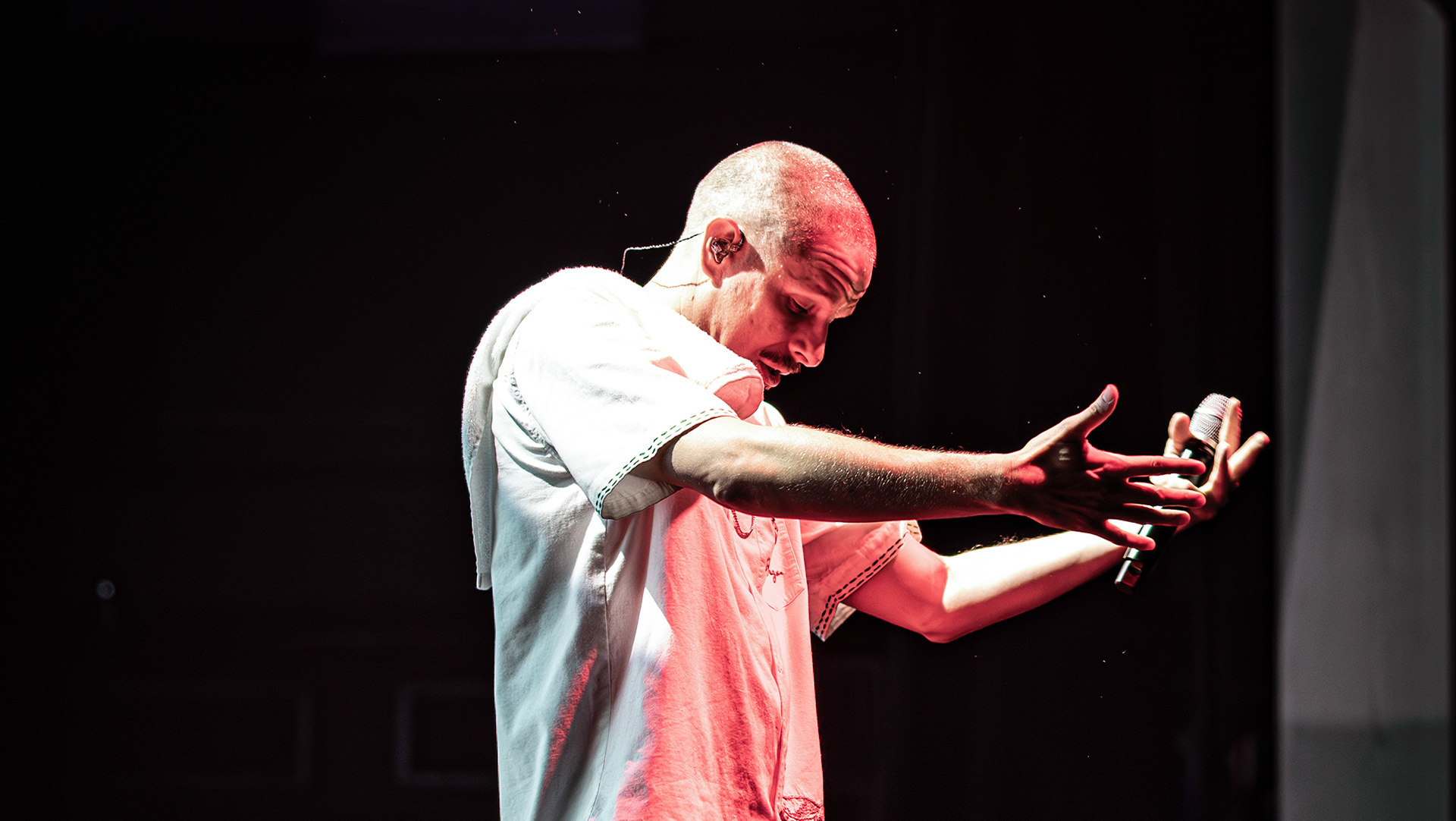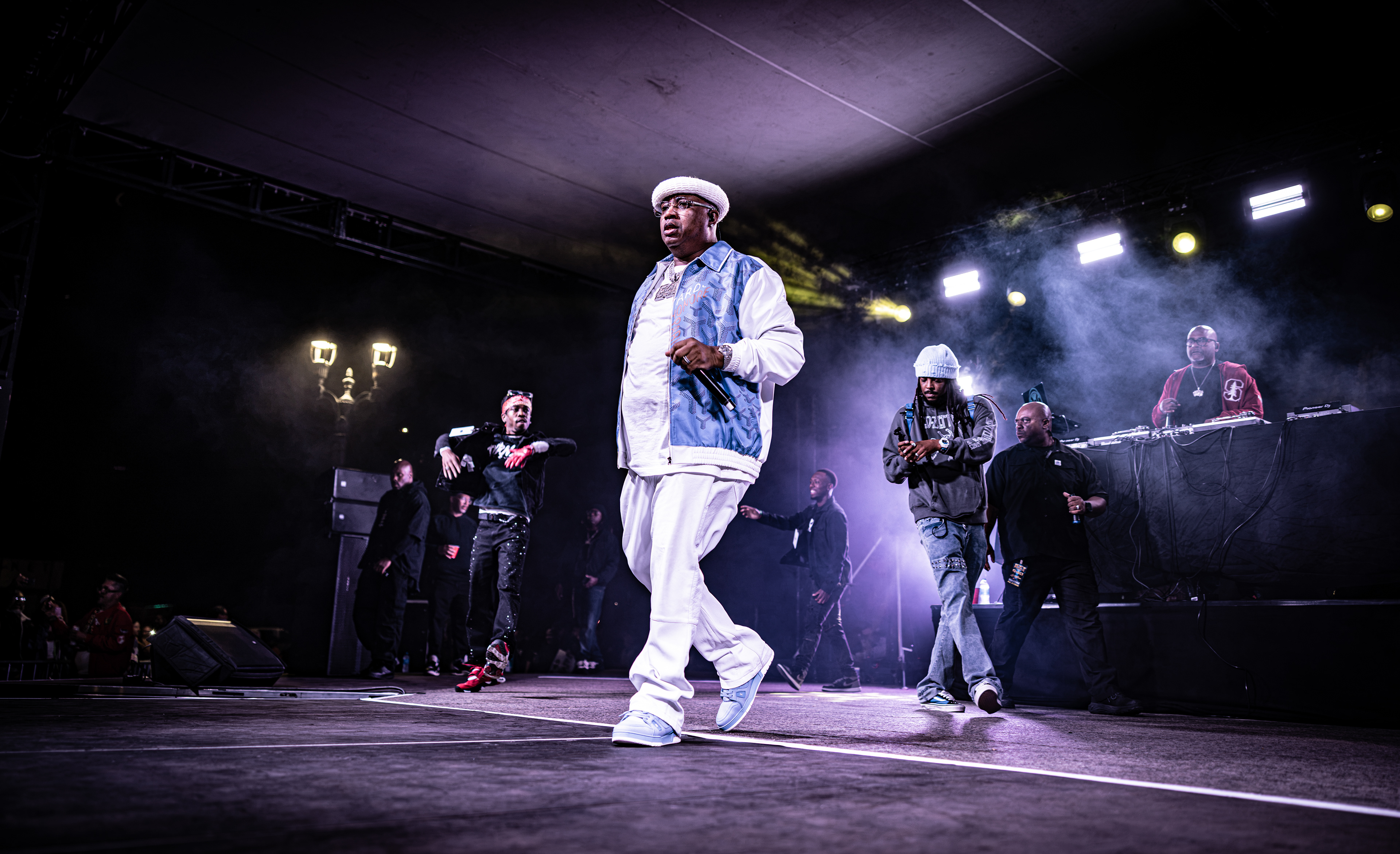
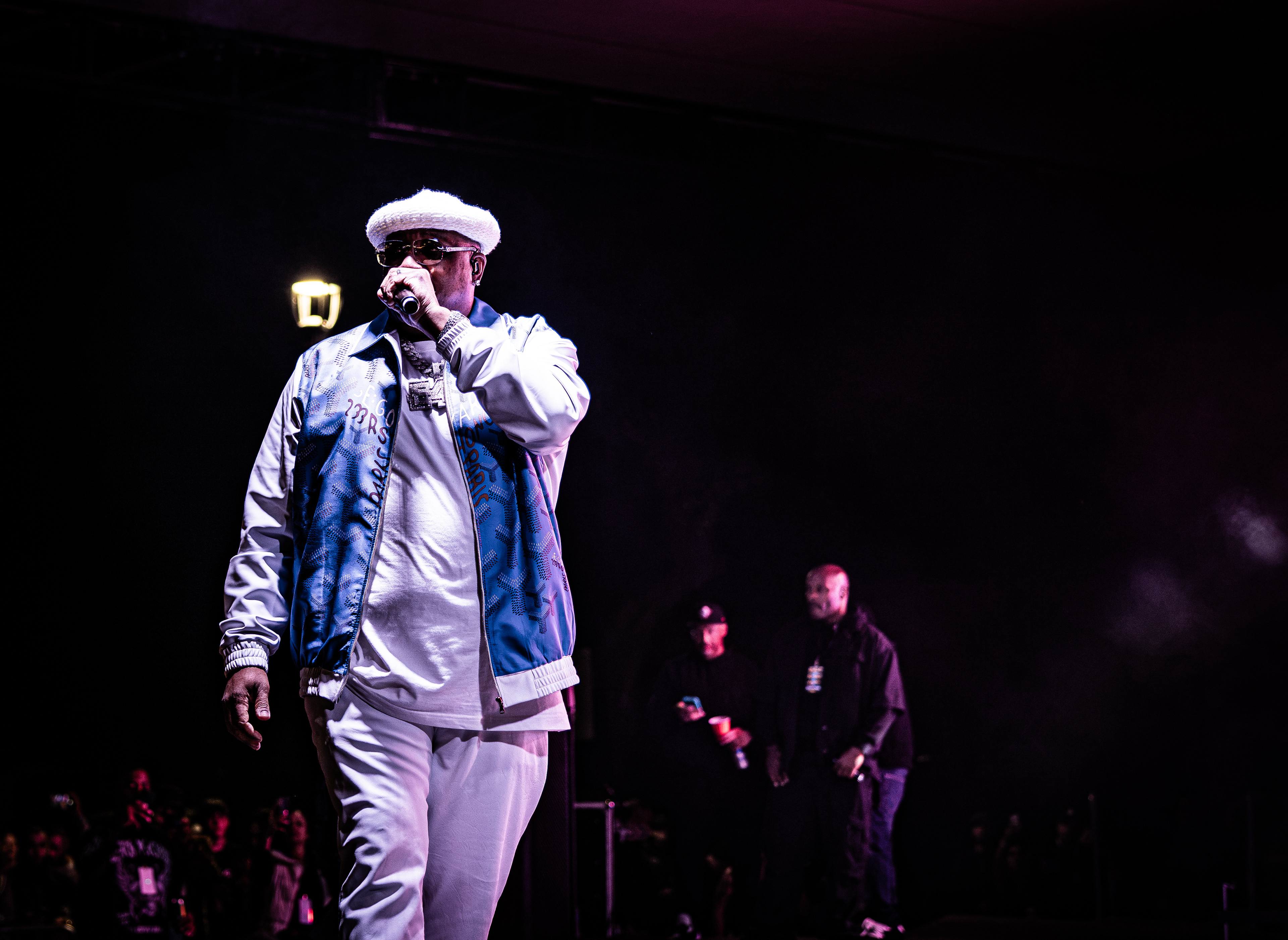
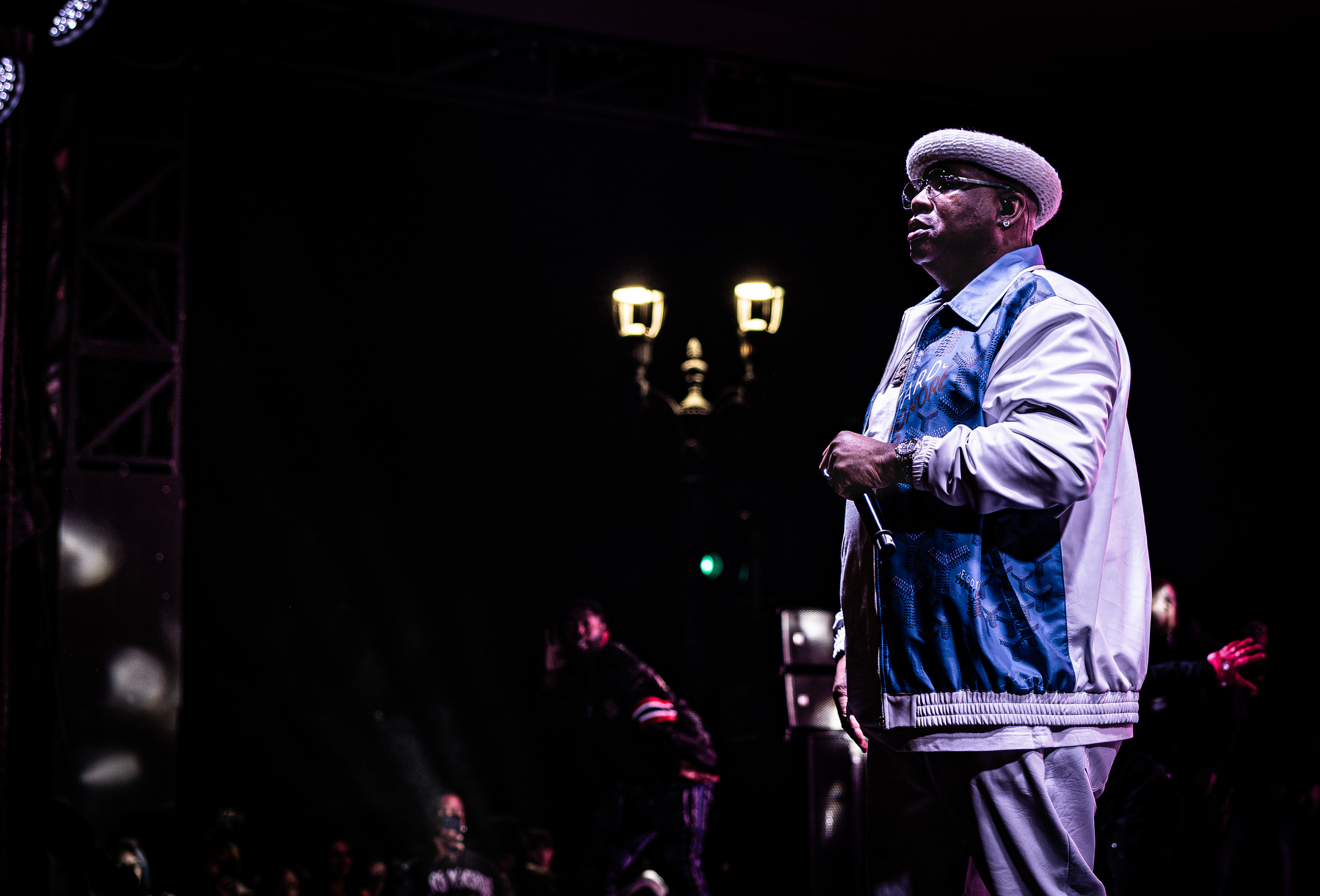
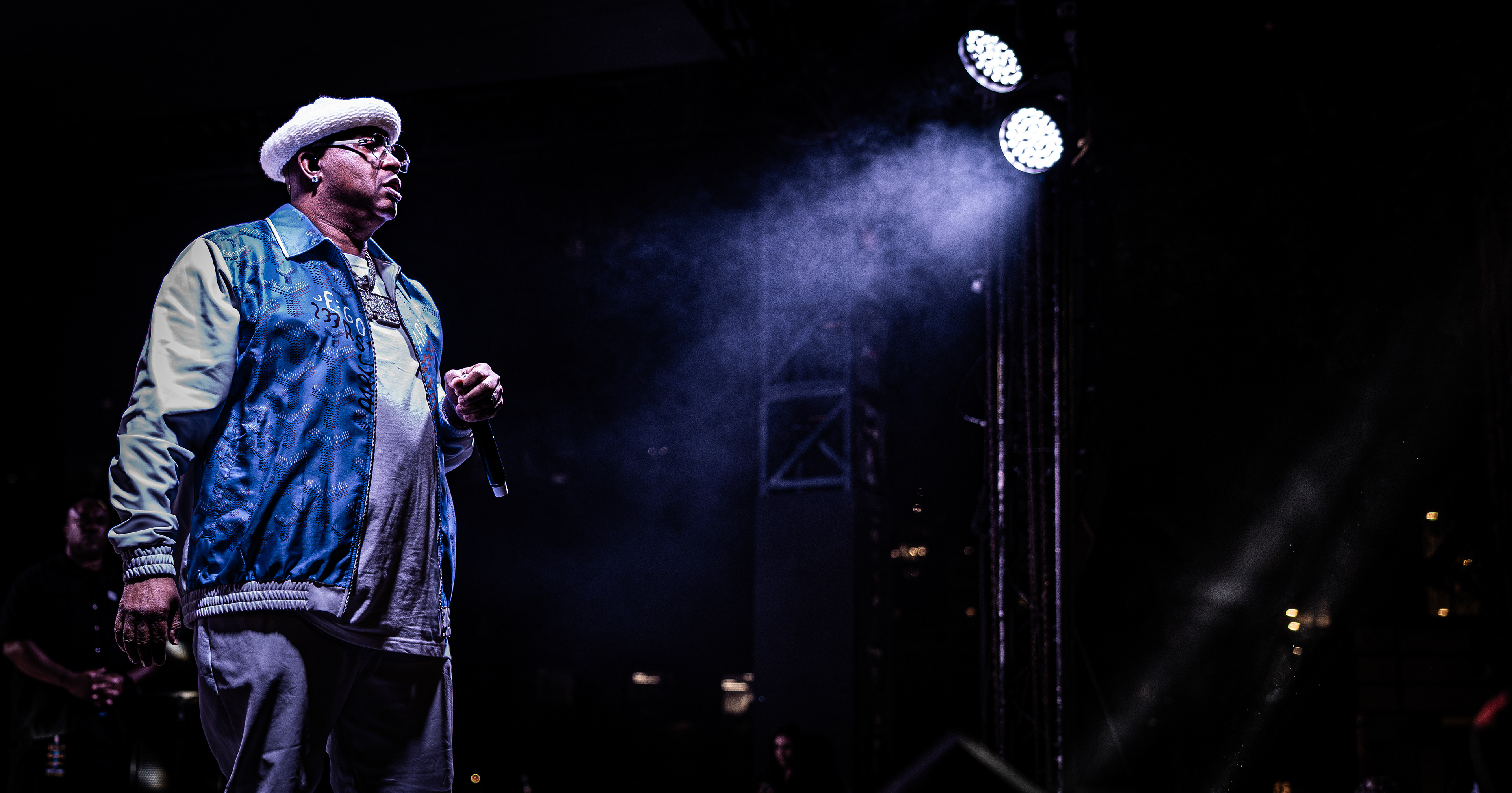
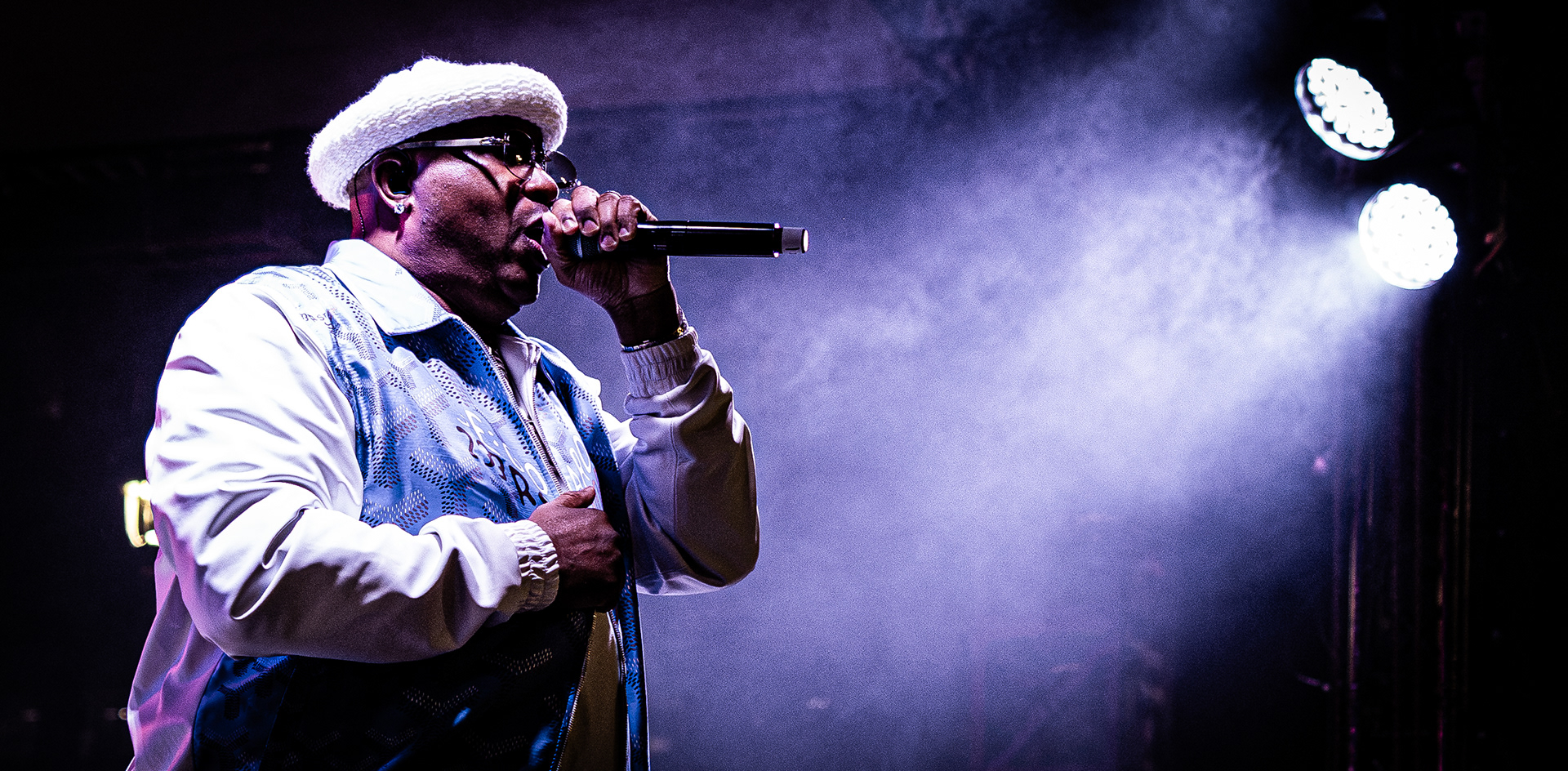
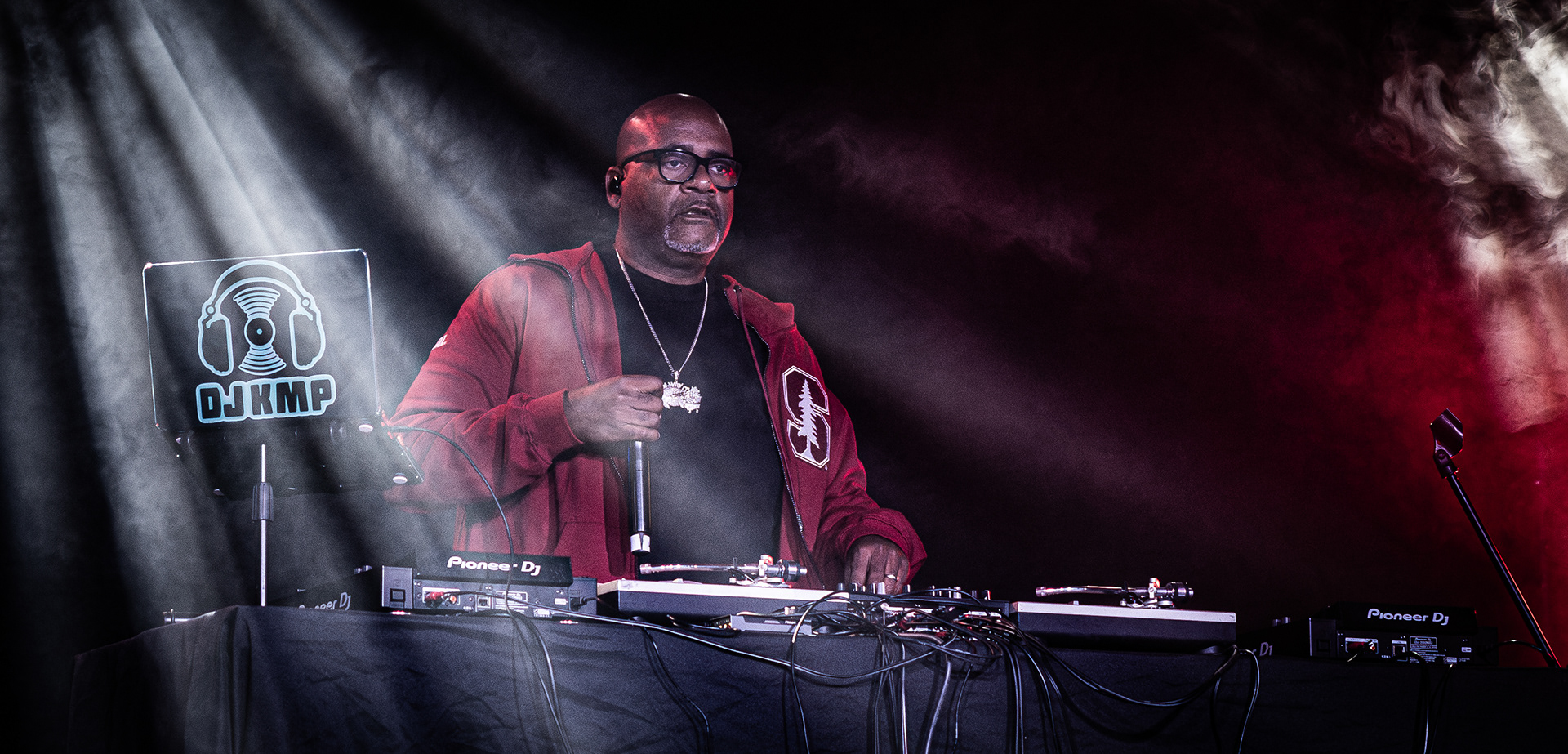
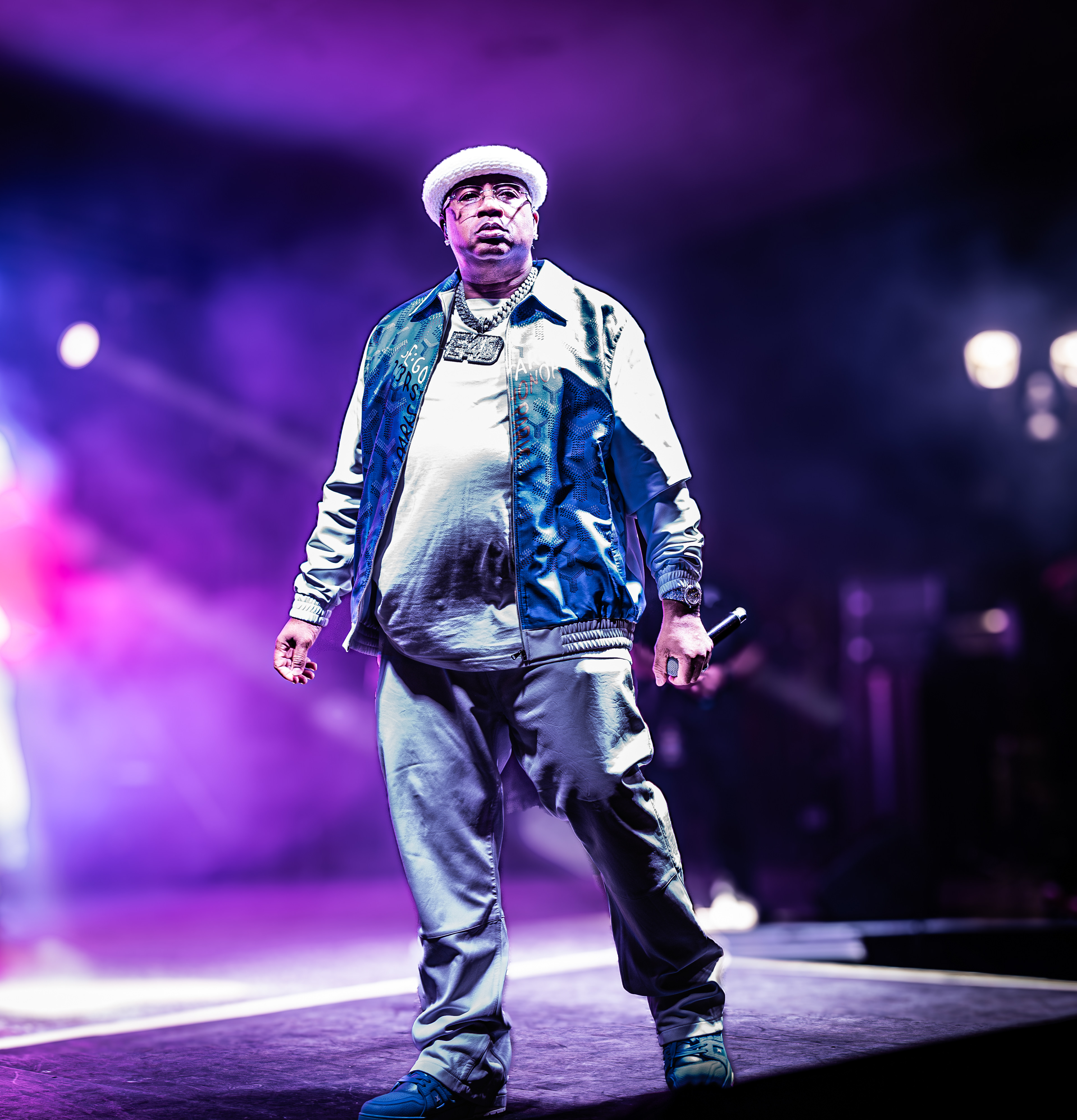
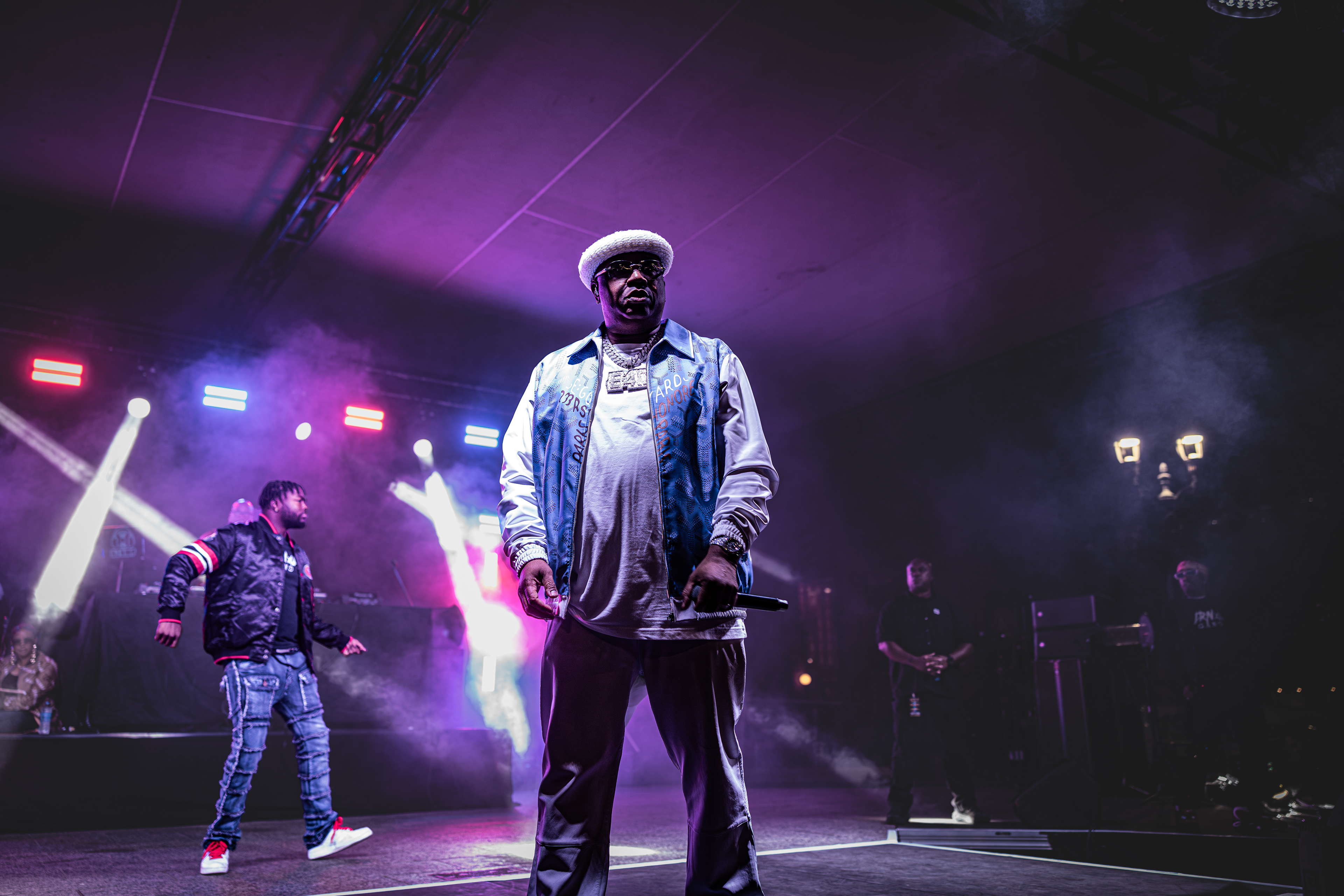
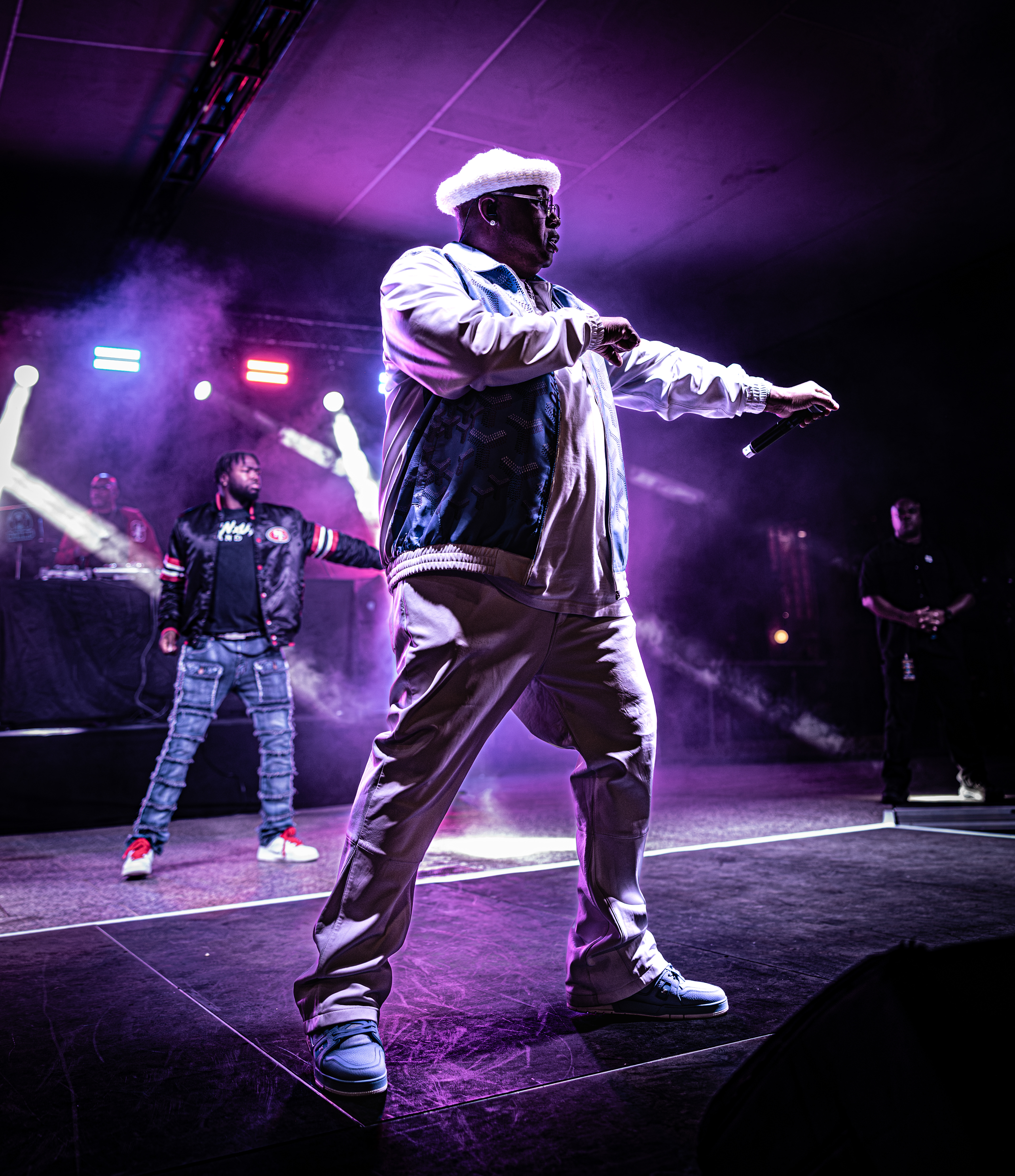
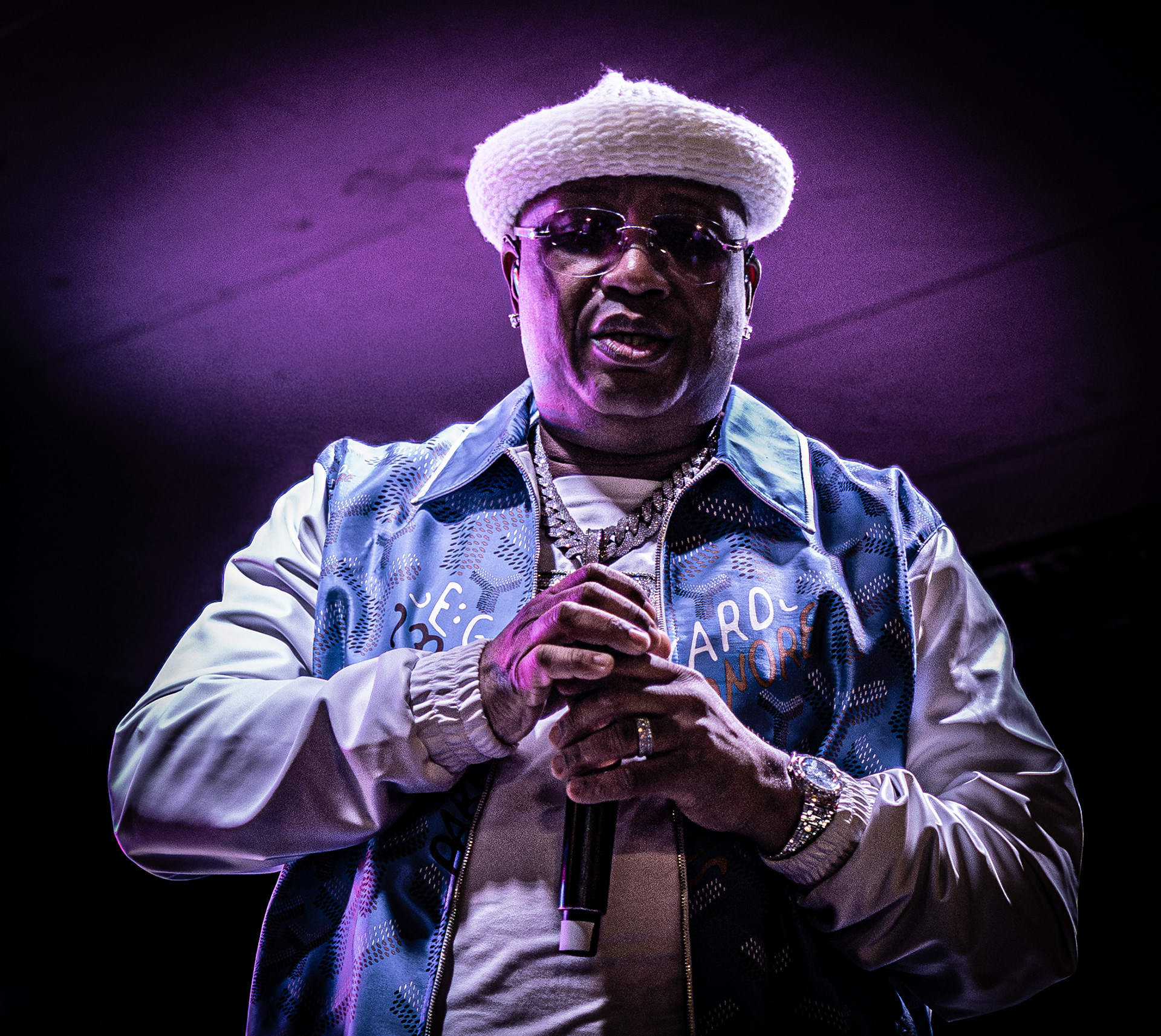
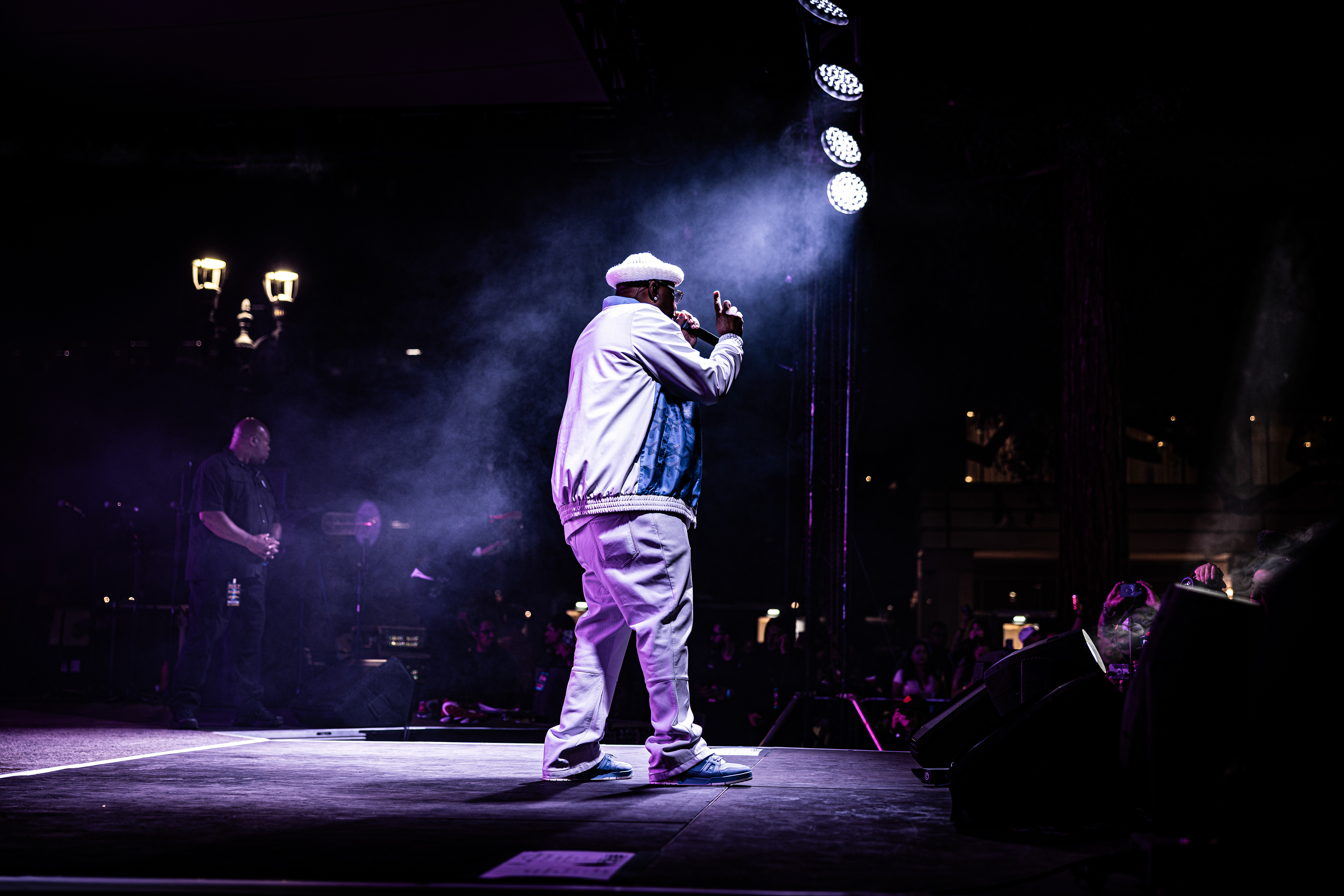
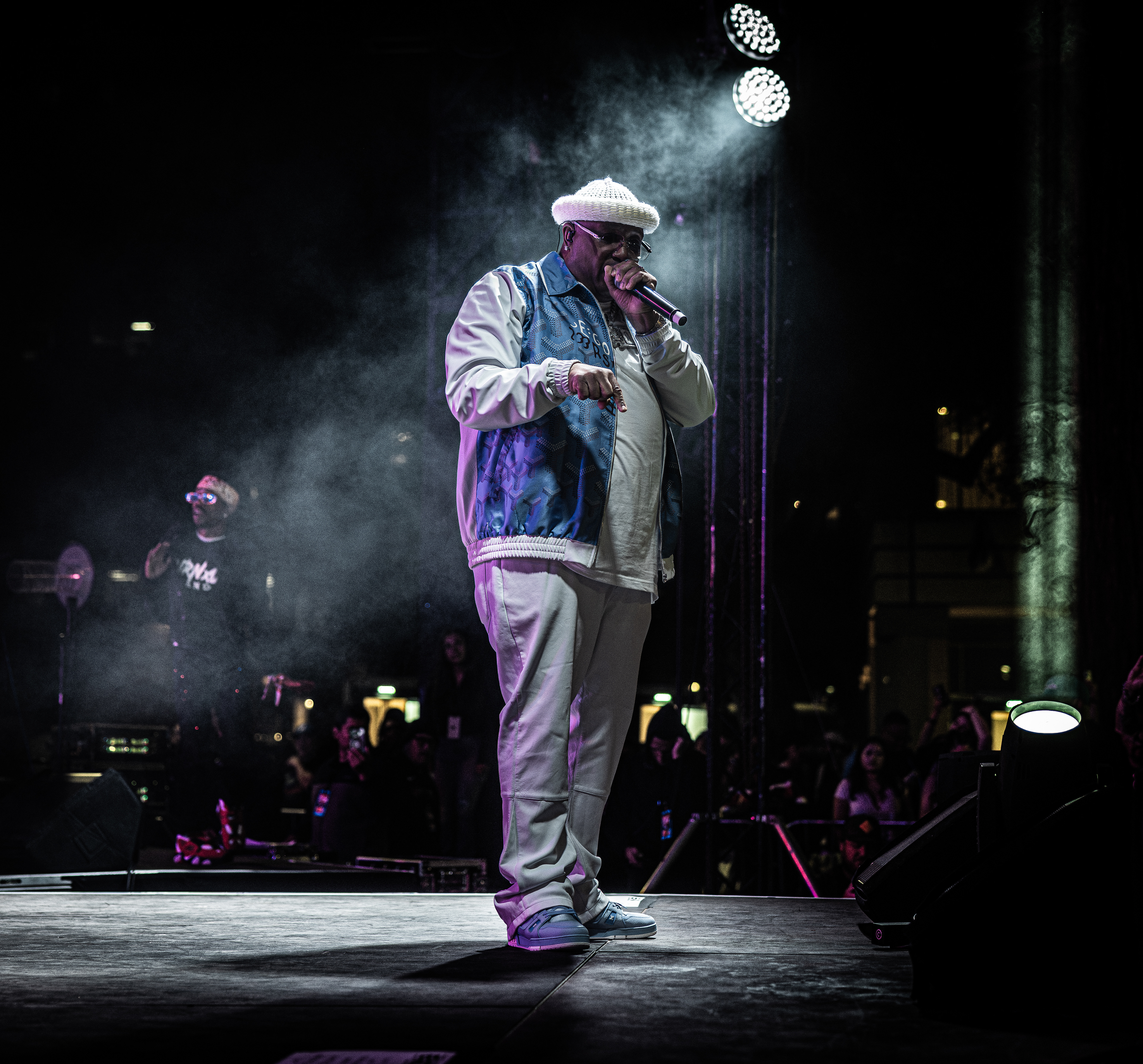
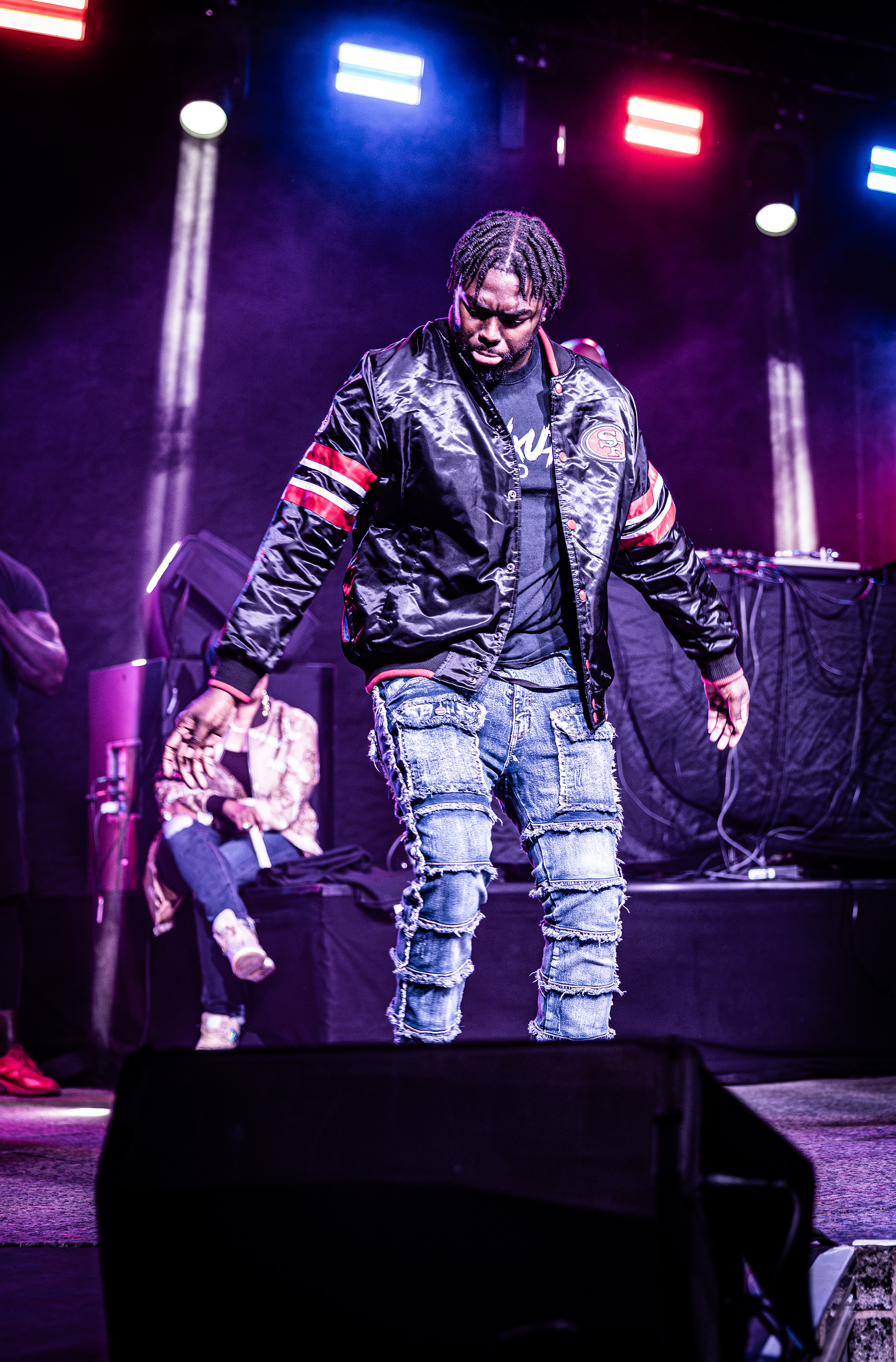

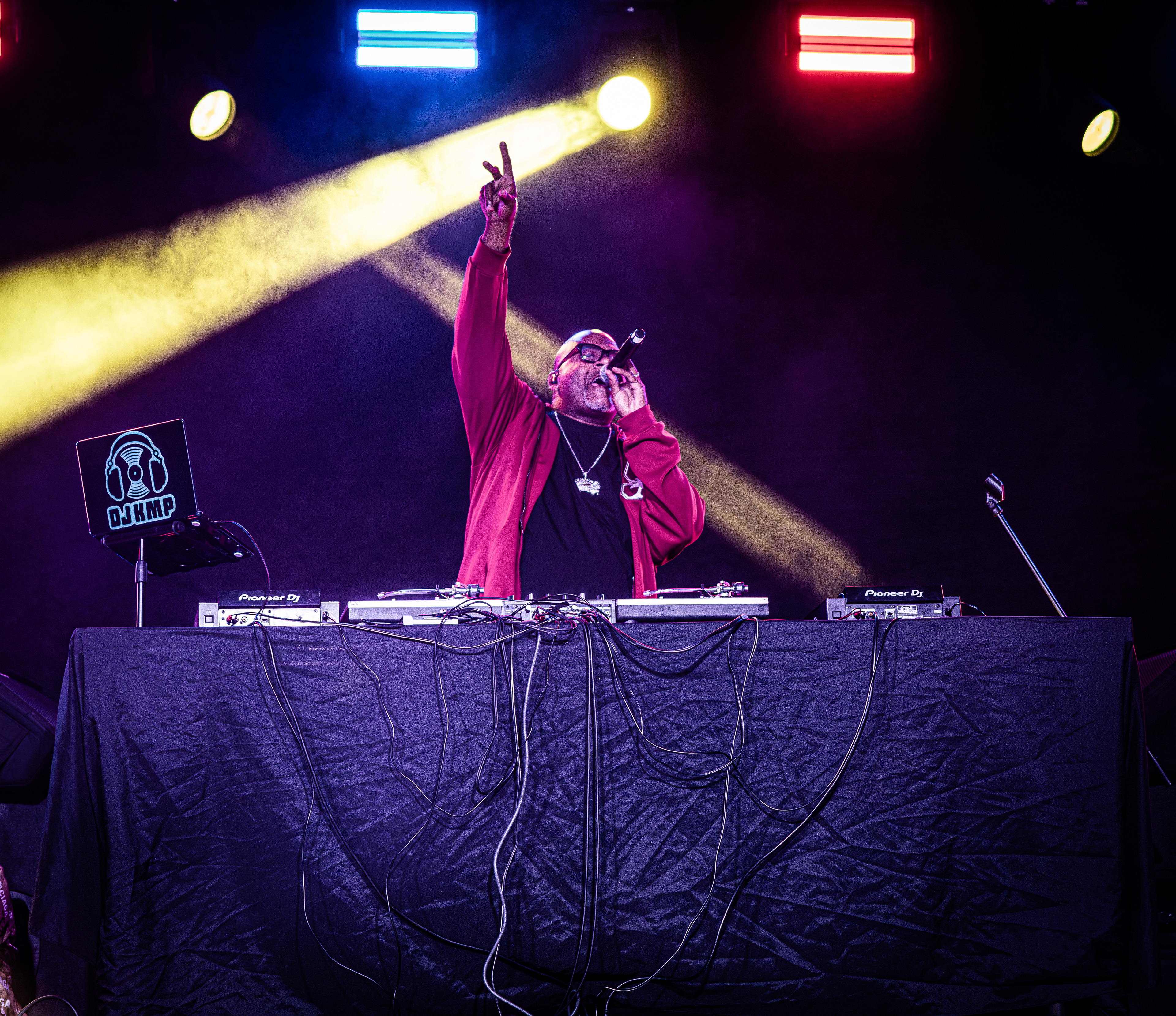
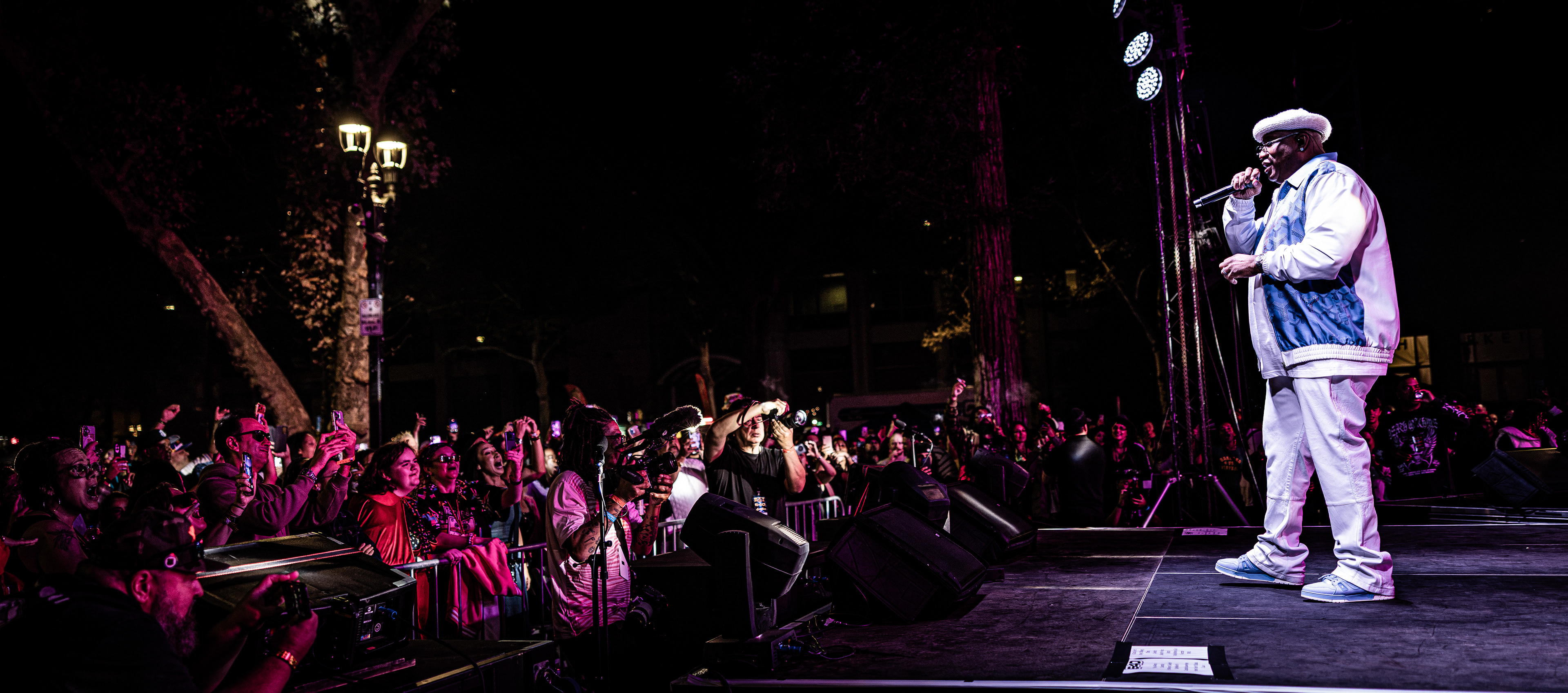
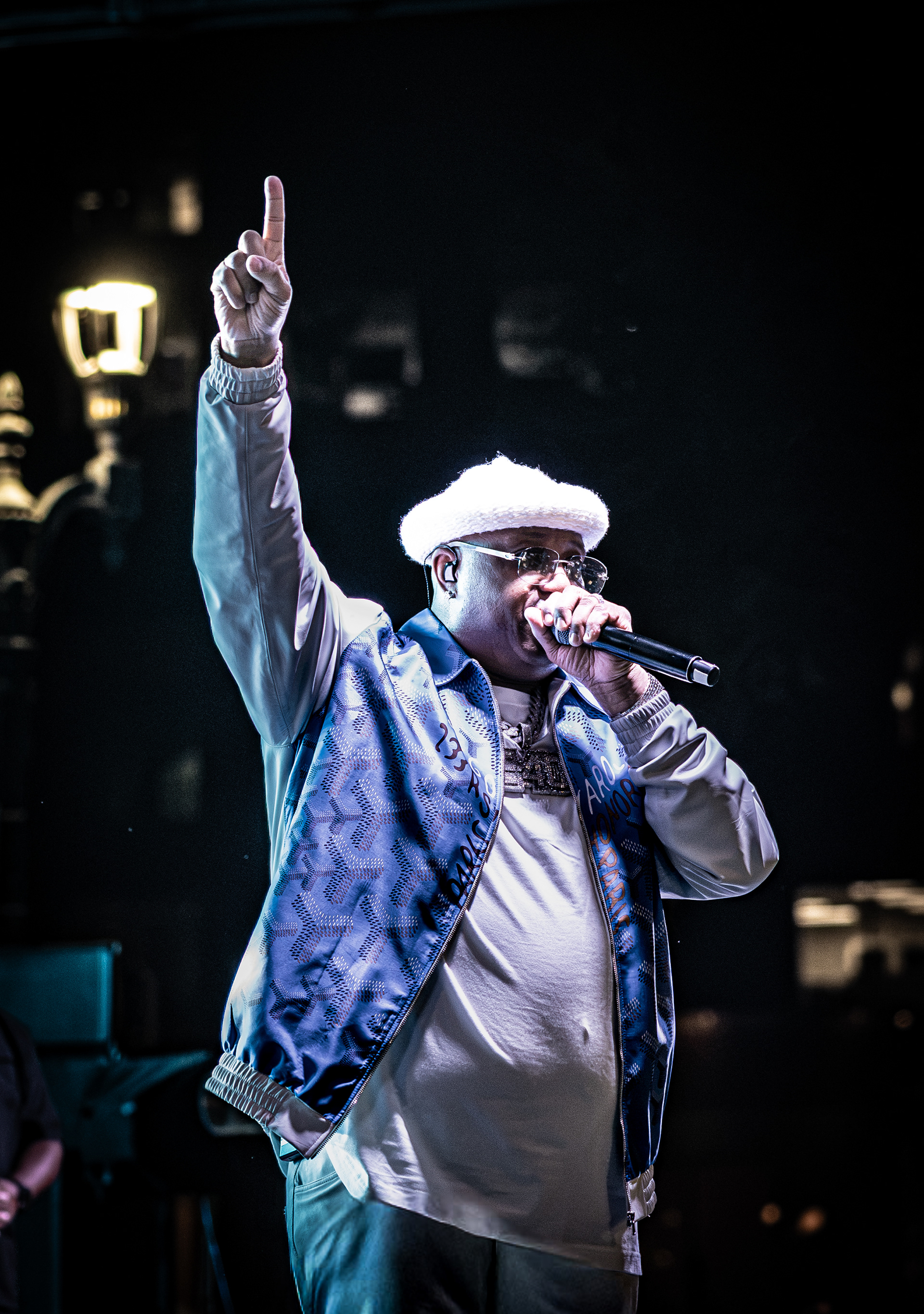
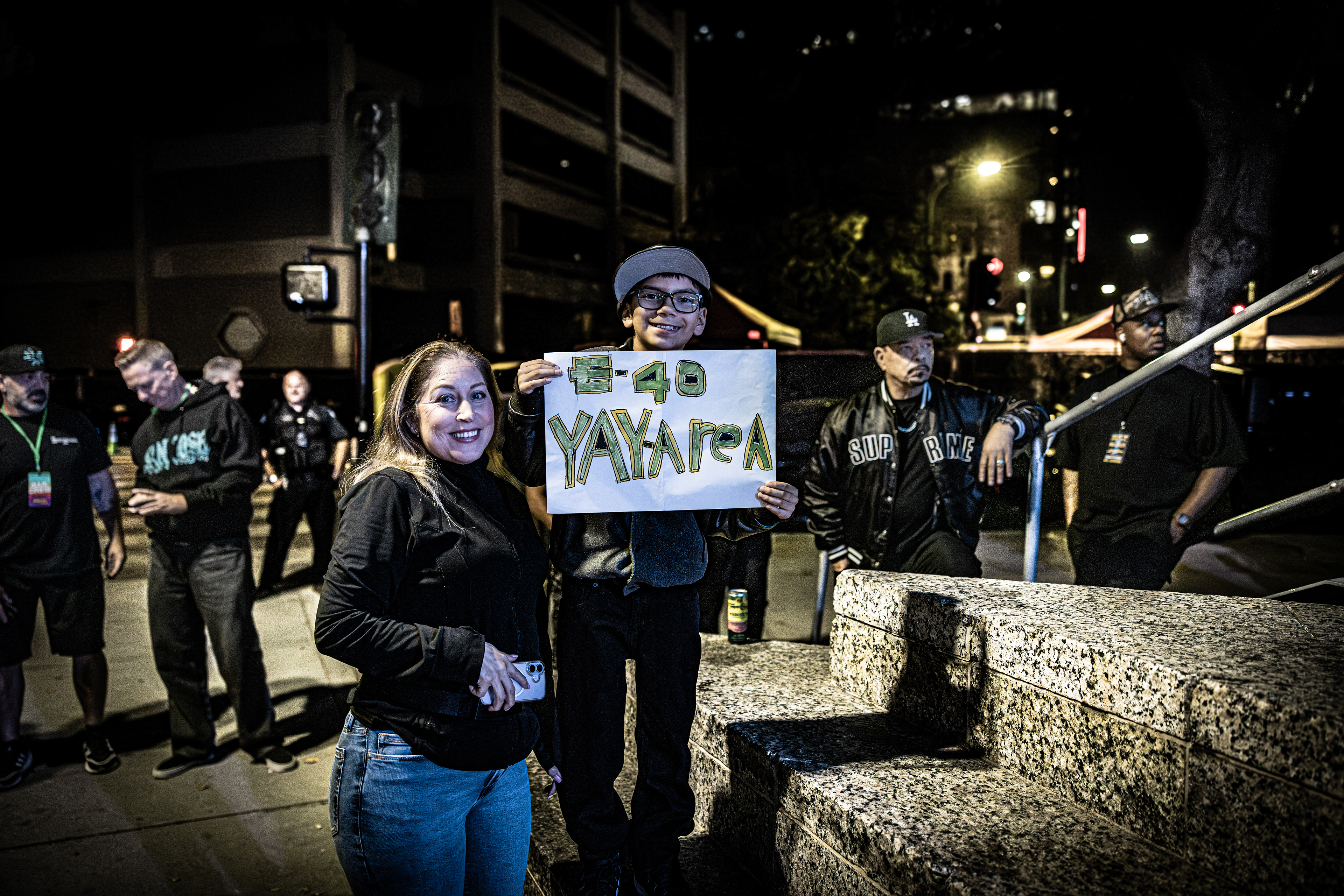
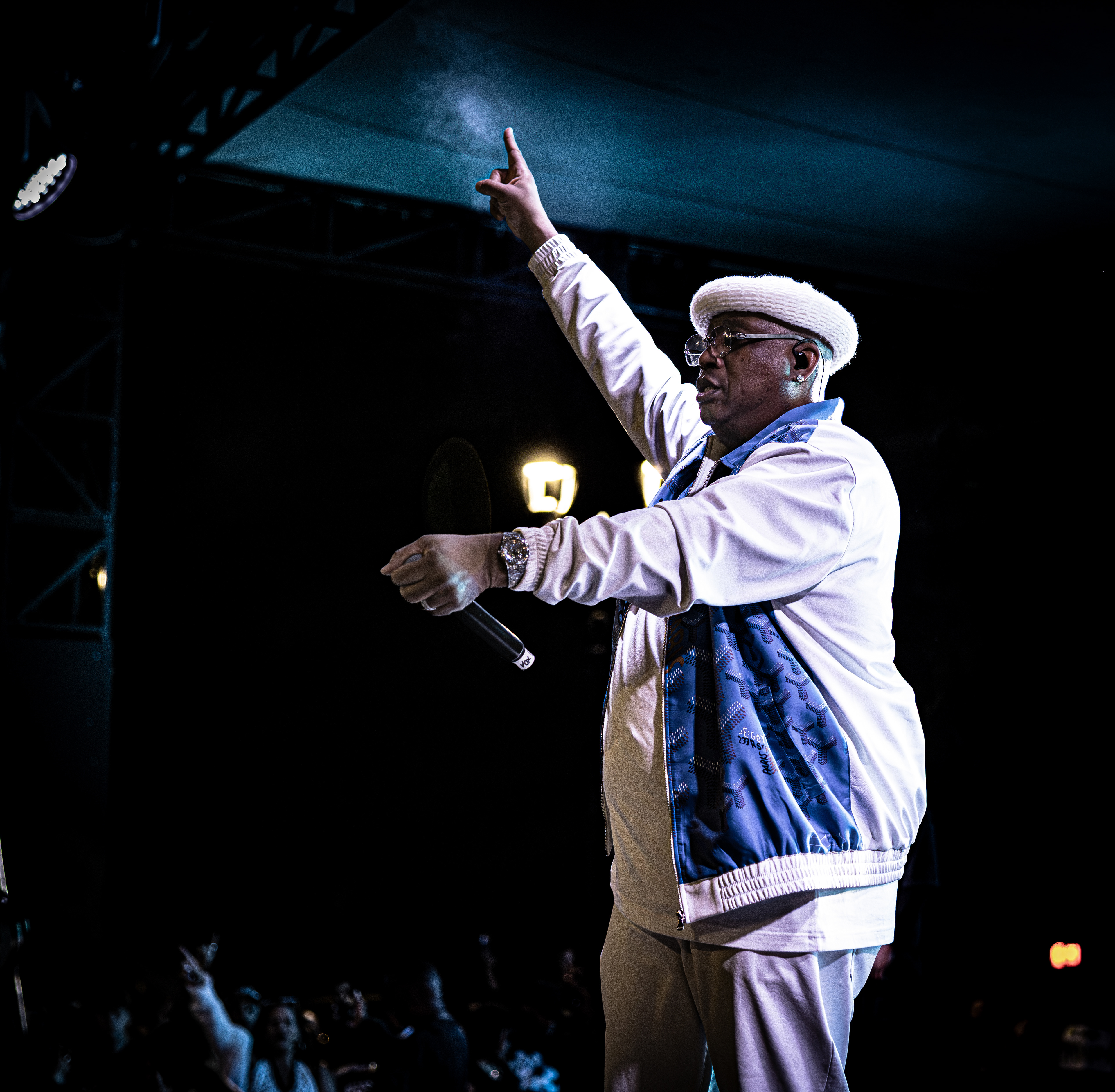
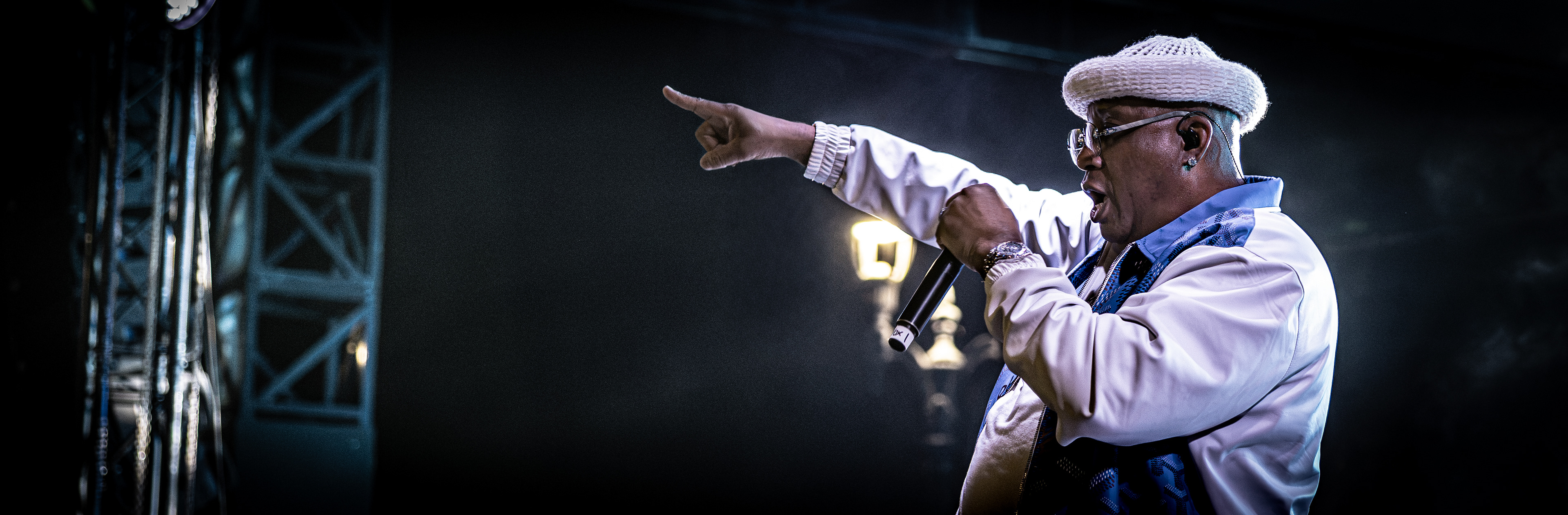
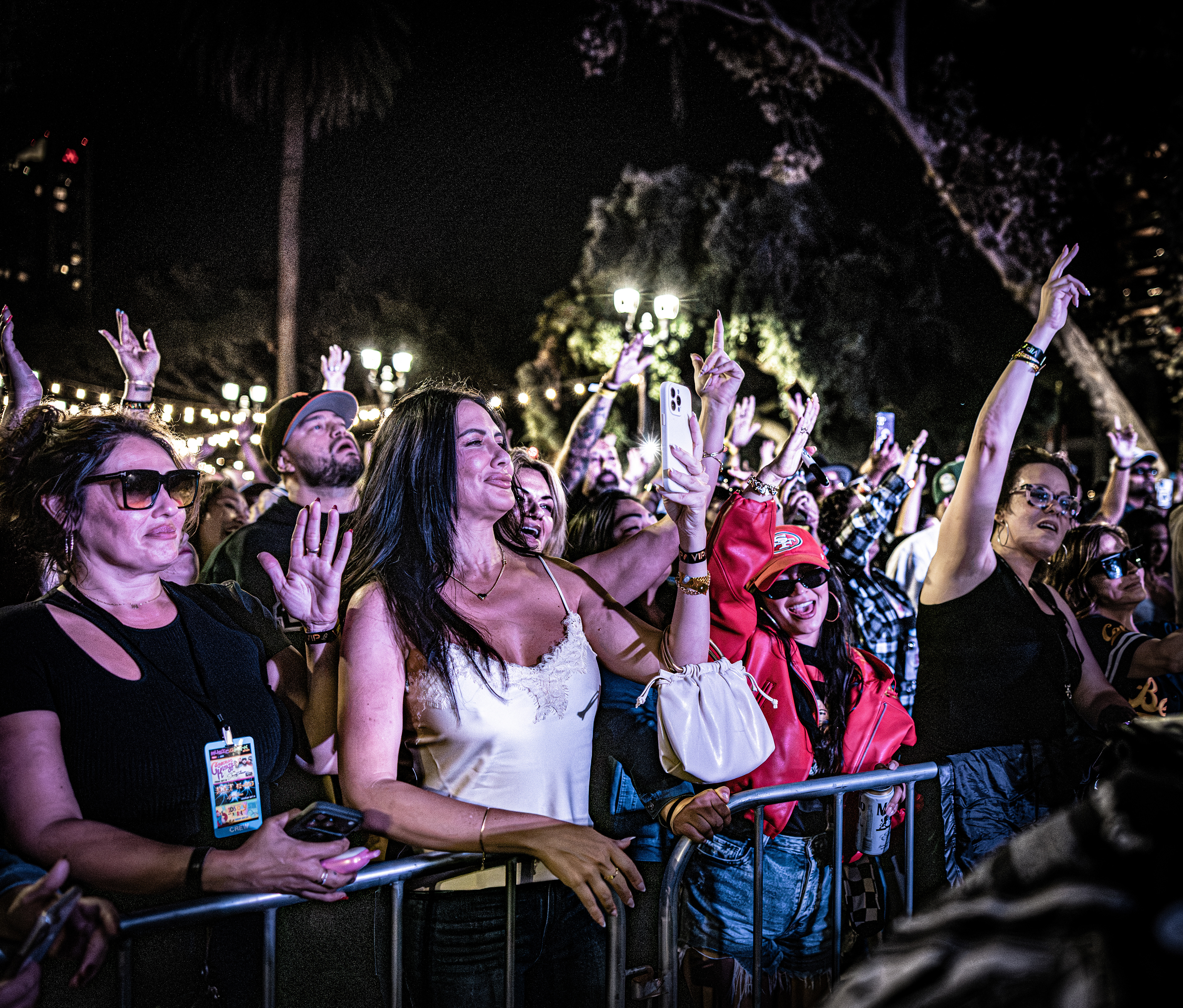
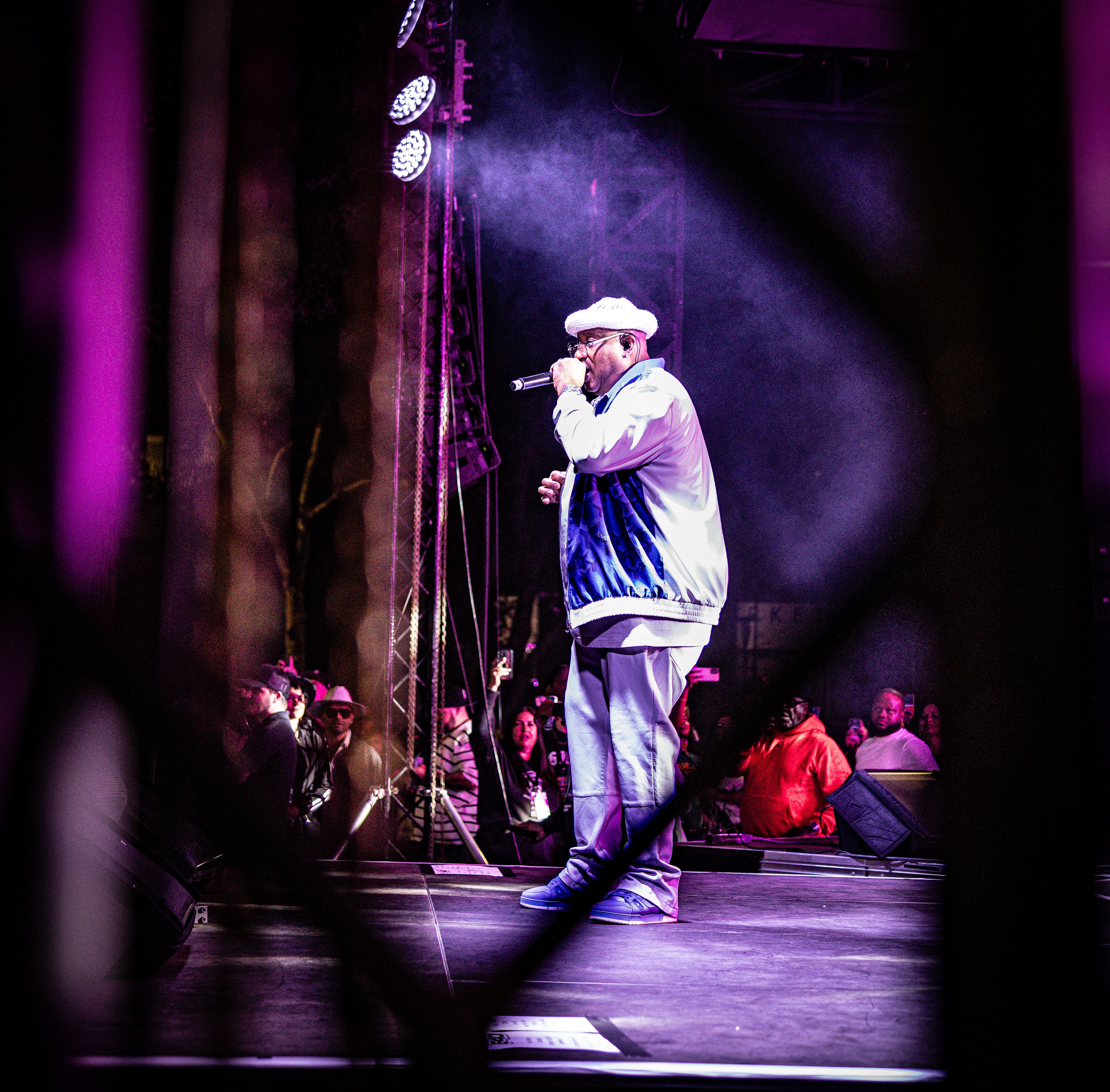
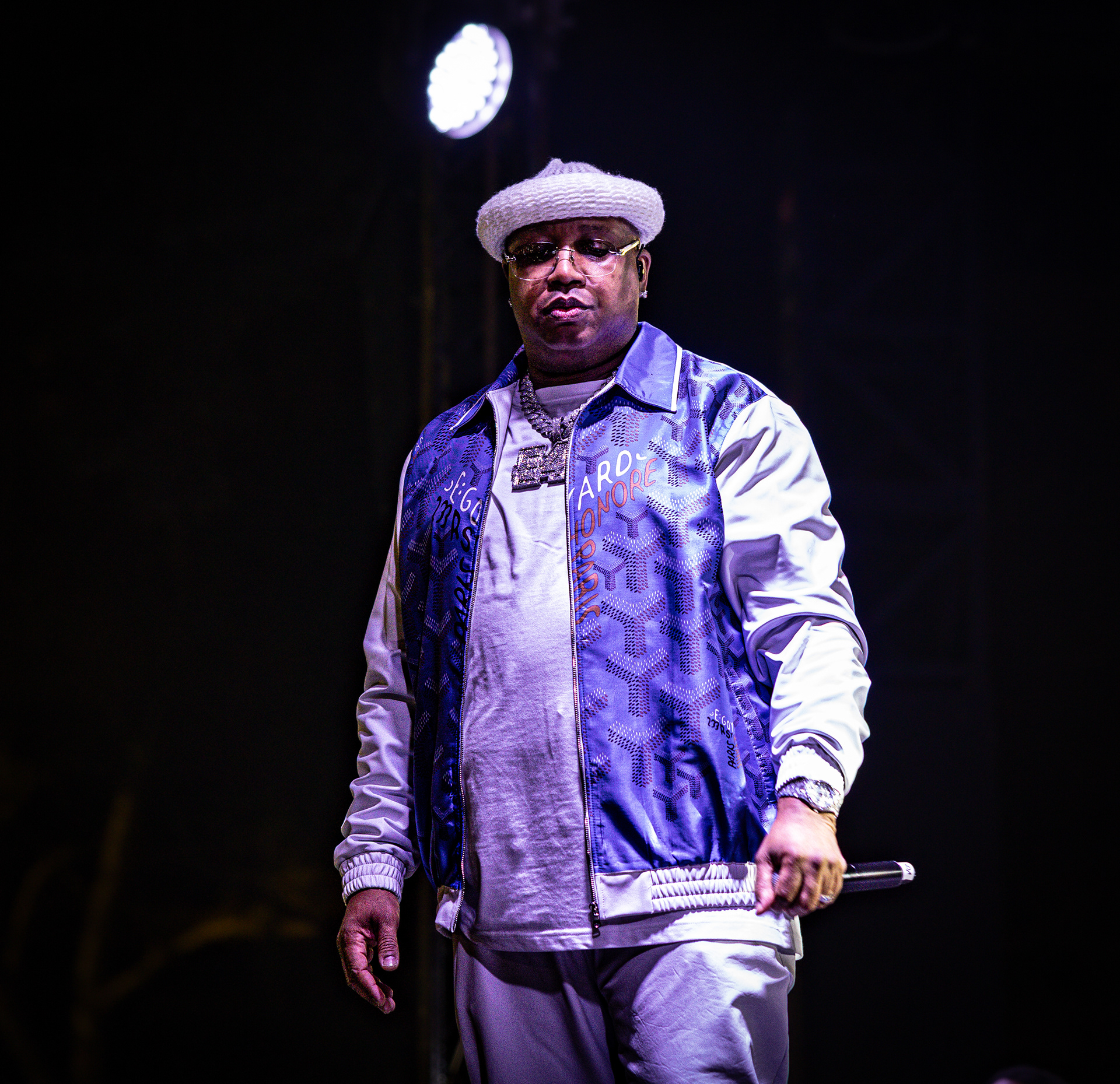
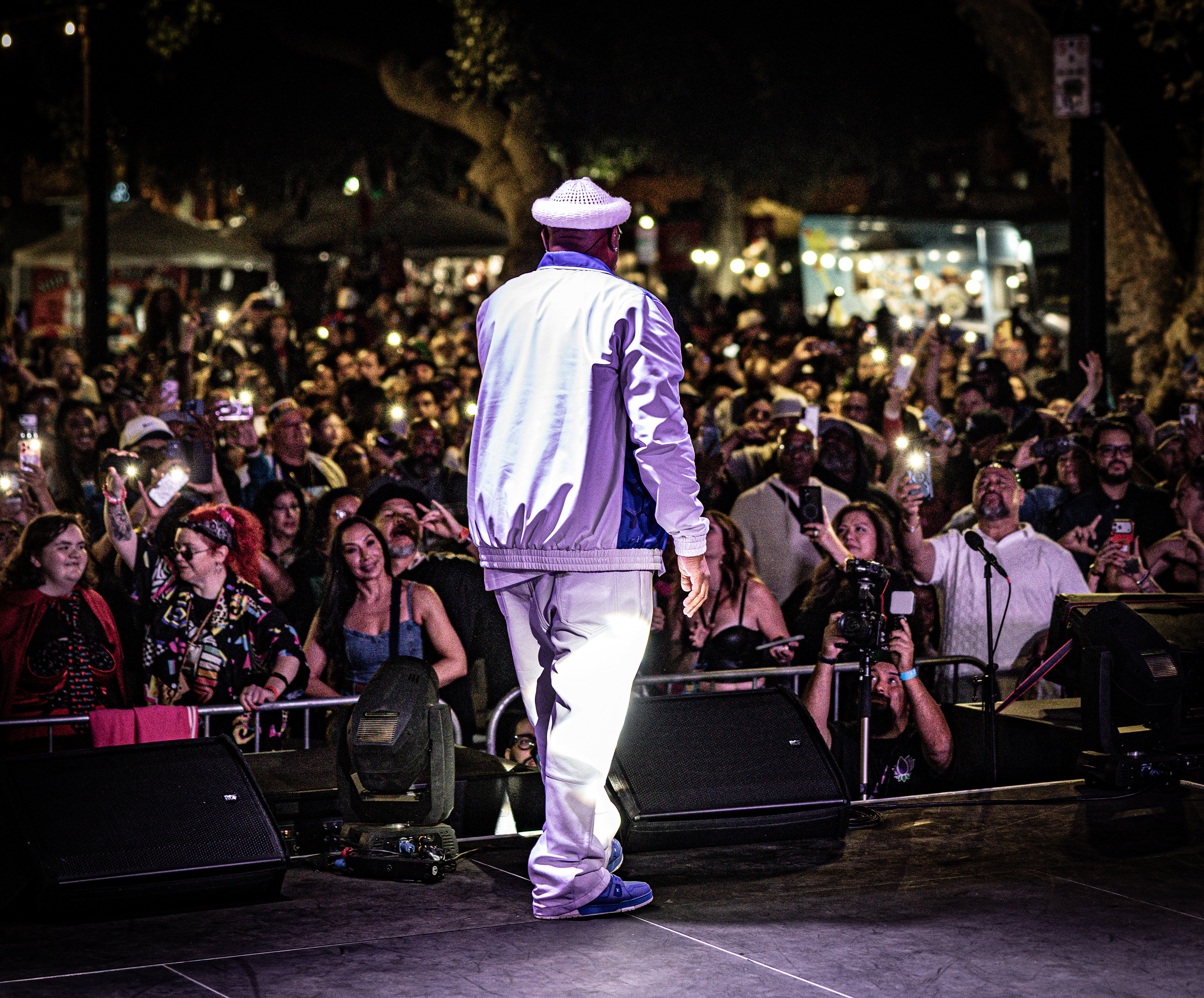
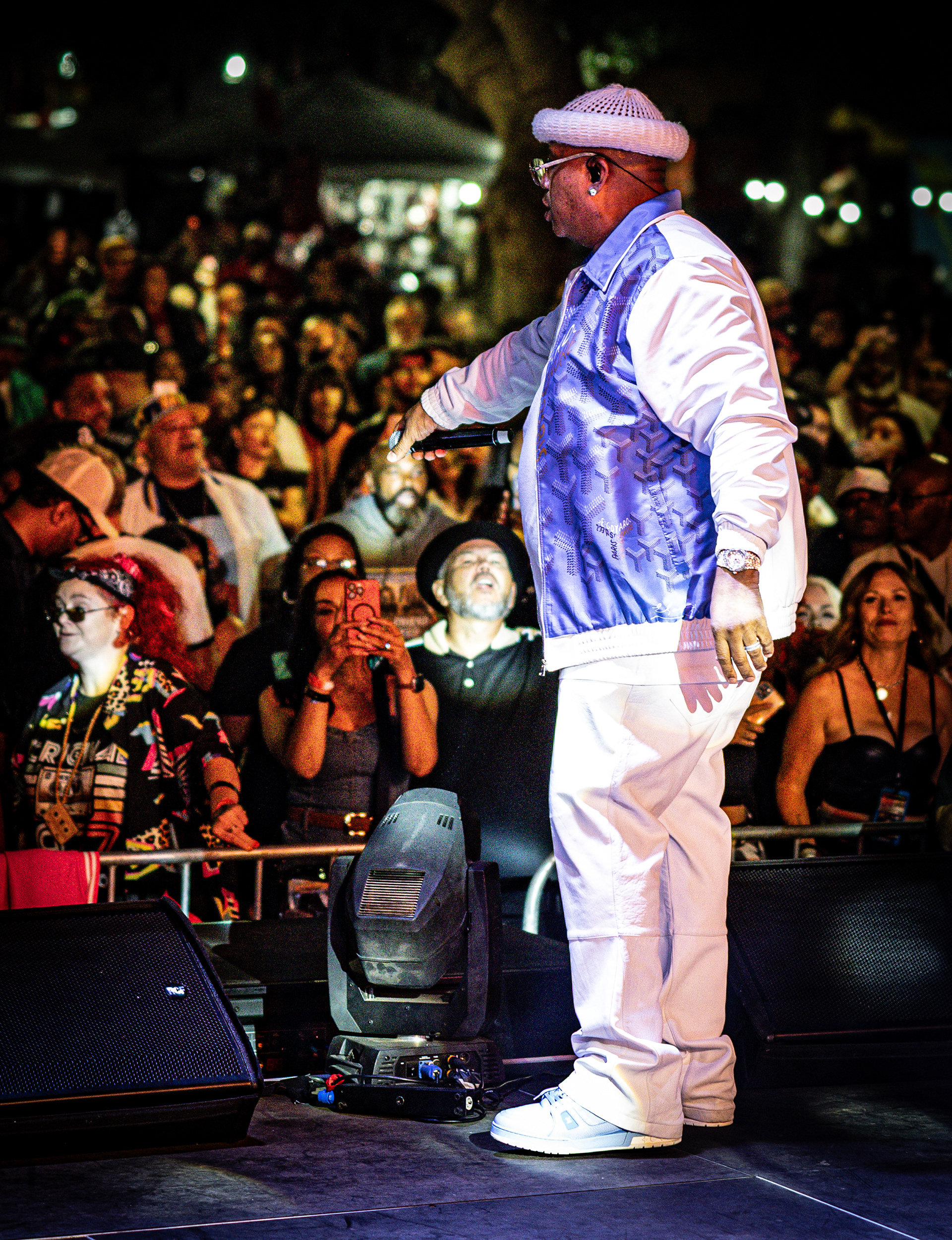
Long before streaming algorithms flattened regional accents into uniform pop rhythms, a tall kid from Vallejo, California named Earl Stevens was busy engineering an entirely new vernacular.Born in late 1967 into the gritty industrial landscape of the East Bay, the young man who would become E-40 earned his moniker the unglamorous way, an uncanny capacity for draining forty ounce bottles of Old English with his peers. Yet while his peers saw Vallejo as a dead end naval yard town overshadowed by Oakland and San Francisco, Stevens saw an open canvas. He possessed an elastic baritone voice, an unorthodox, syncopated flow that routinely disregarded the grid of a four four beat, and an entrepreneurial motor that never shut off.In the late 1980s, the music industry paid little attention to Northern California rap. Major labels operated out of Manhattan high rises and Hollywood suites; Vallejo might as well have been another planet.Rather than chasing an A&R scout, E-40 did what Bay Area pioneers do and he built the infrastructure himself. Teaming up with his brother D-Shot, sister Suga-T, and cousin B-Legit, he formed The Click. Together, they pressed cassettes, packed them into cardboard boxes, and sold them straight out of car trunks under their independent imprint, Sick Wid It Records.Stevens was treating music distribution like enterprise logistics. He tracked which corner stores moved units, cut consignment deals with mom and pop record shops, and personally collected receipts. By 1993, his solo project Federal sent seismic tremors through California's underground circuit. It was raw, blisteringly fast, and laced with words nobody outside Solano County had ever heard. Jive Records eventually came knocking, offering a distribution deal that gave Stevens national reach without stripping him of his creative masters, a rare victory for an indie artist in the mid nineties.What separated E-40 from the West Coast pack wasn't just hustle but it was the language. Stevens didn't just rap in dialect but he manufactured slang.Terms like "scrilla" (money), "broccoli" (cannabis), "gouda", "flamboyant", and the iconic verbal suffix "-izzle" all gestated in his lyrical lab long before Snoop Dogg popularized them on mainstream radio. When Lil Jon brought crunk to the masses in the 2000s, E-40 was the veteran collaborator who translated Northern California street theater into national anthems. His 2006 smash "Tell Me When to Go" it was produced by Lil Jon during the peak of the Bay Area's Hyphy movement the turned ghost-riding whips and oversized thrift store frames into global cultural exports.Where other rappers burned out after a single era, Stevens treated hip hop like a blue collar trade. He dropped double albums, triple albums, and four disc box sets, stacking records well into his fifties while younger MCs struggled to complete mixtapes.The true genius of Earl Stevens lies in his second act. While contemporaries chased brand sponsorships that offered quick paychecks, E-40 launched his own spirits empire. Under Earl Stevens Selections, he rolled out wines, tequilas, cognacs, and craft beers, placing his bottles on grocery store shelves nationwide.He didn't just rap about the good life he made it a reality and he owned the bottling line. Today, his business portfolio spans packaged food, tech investments, and real estate, standing as a living blueprint for artists aiming to transition from a street level hustle to generational ownership. E-40 never compromised his cadence or sanitized his sound, all he simply did was force the rest of the world to catch up to his tempo. He today is and will always be a Legend in the Music industry and putting The bay on the map.