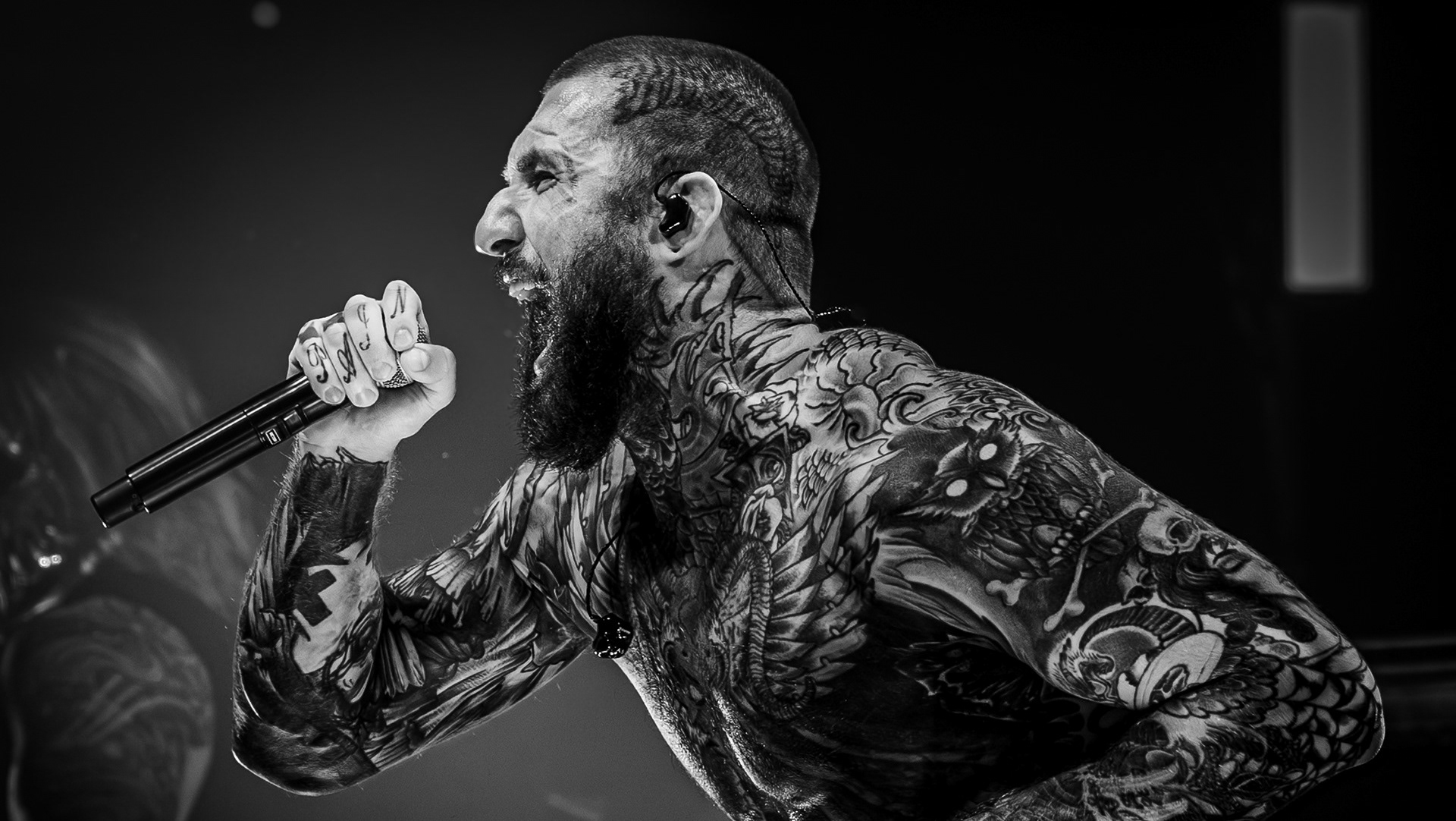



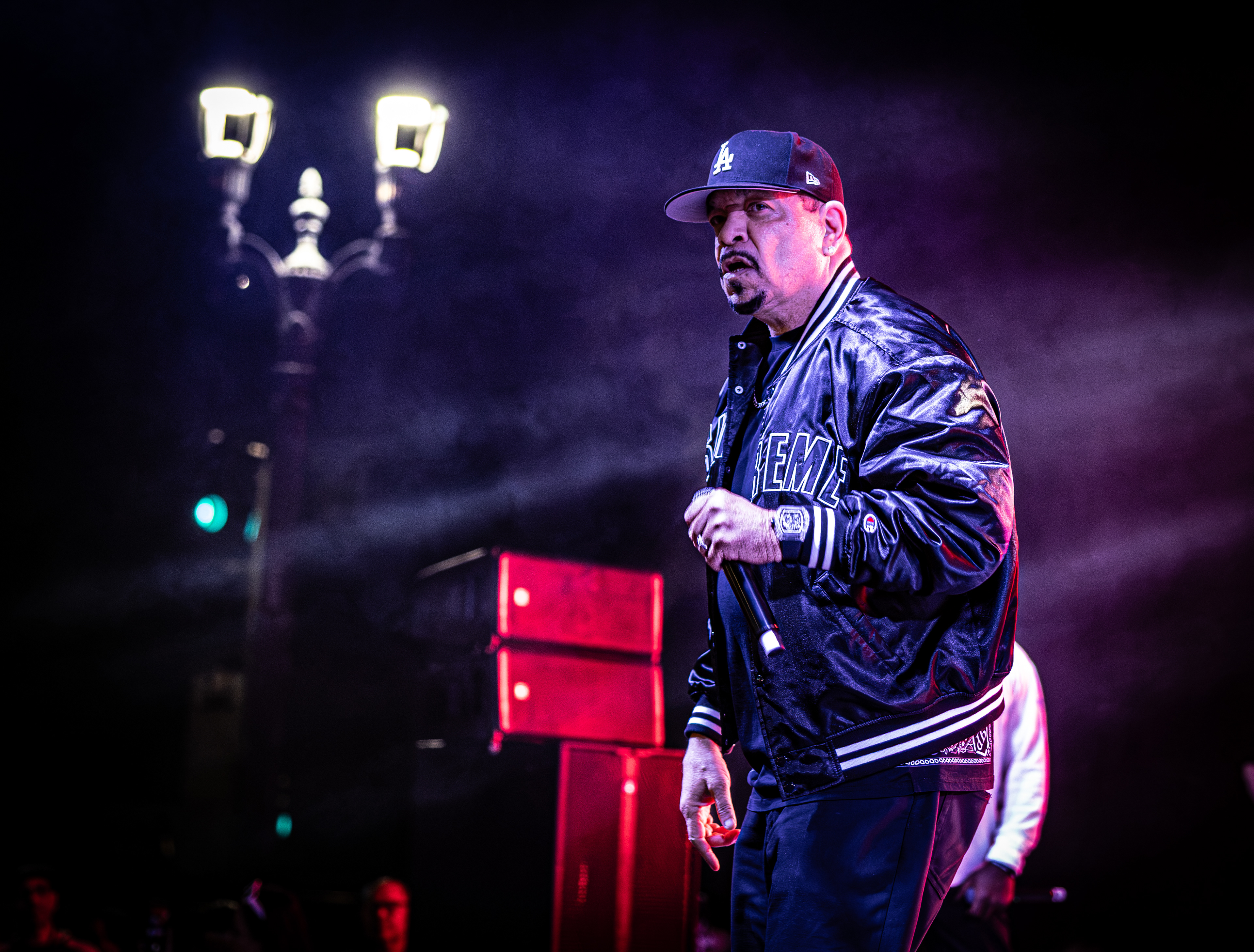

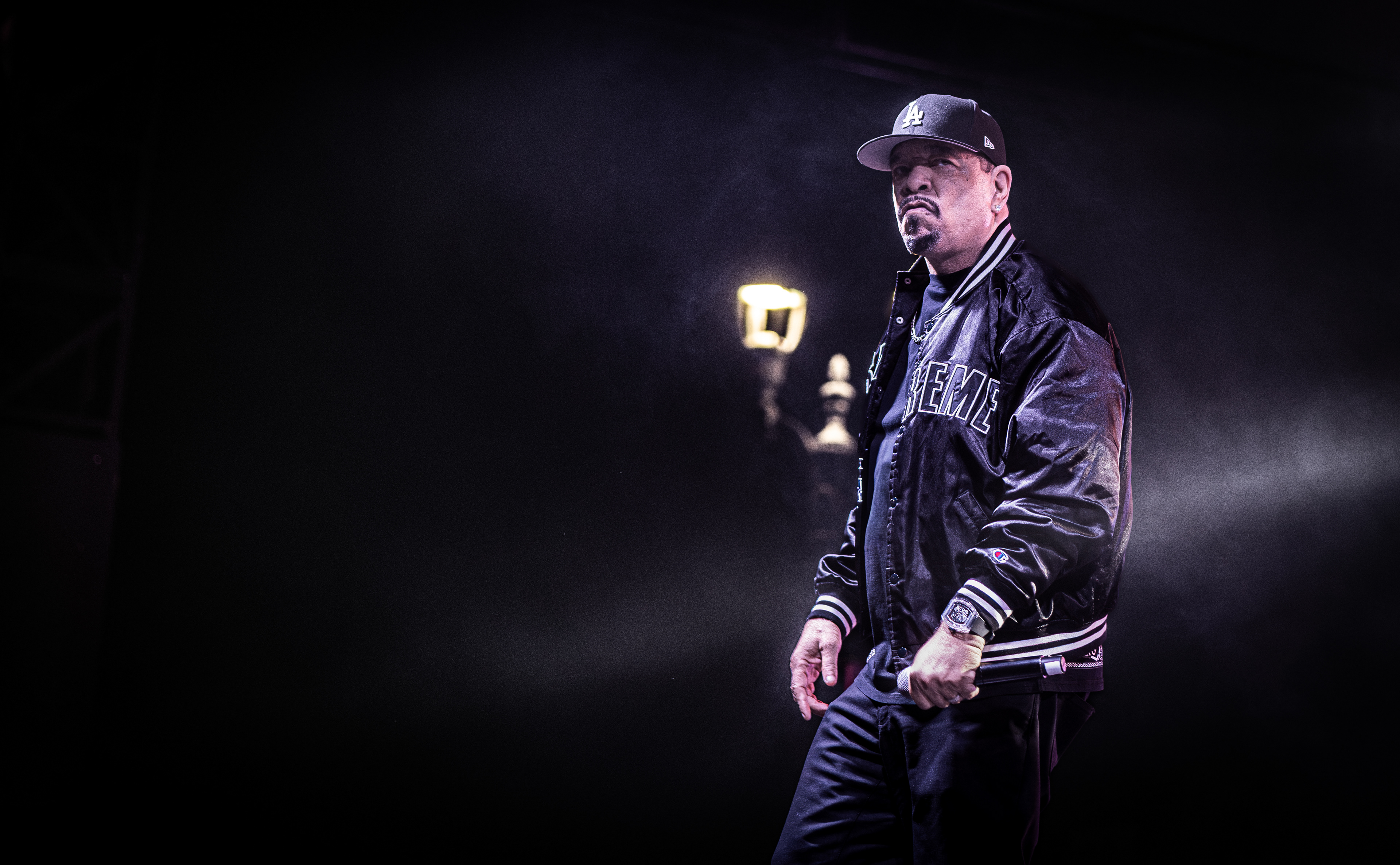


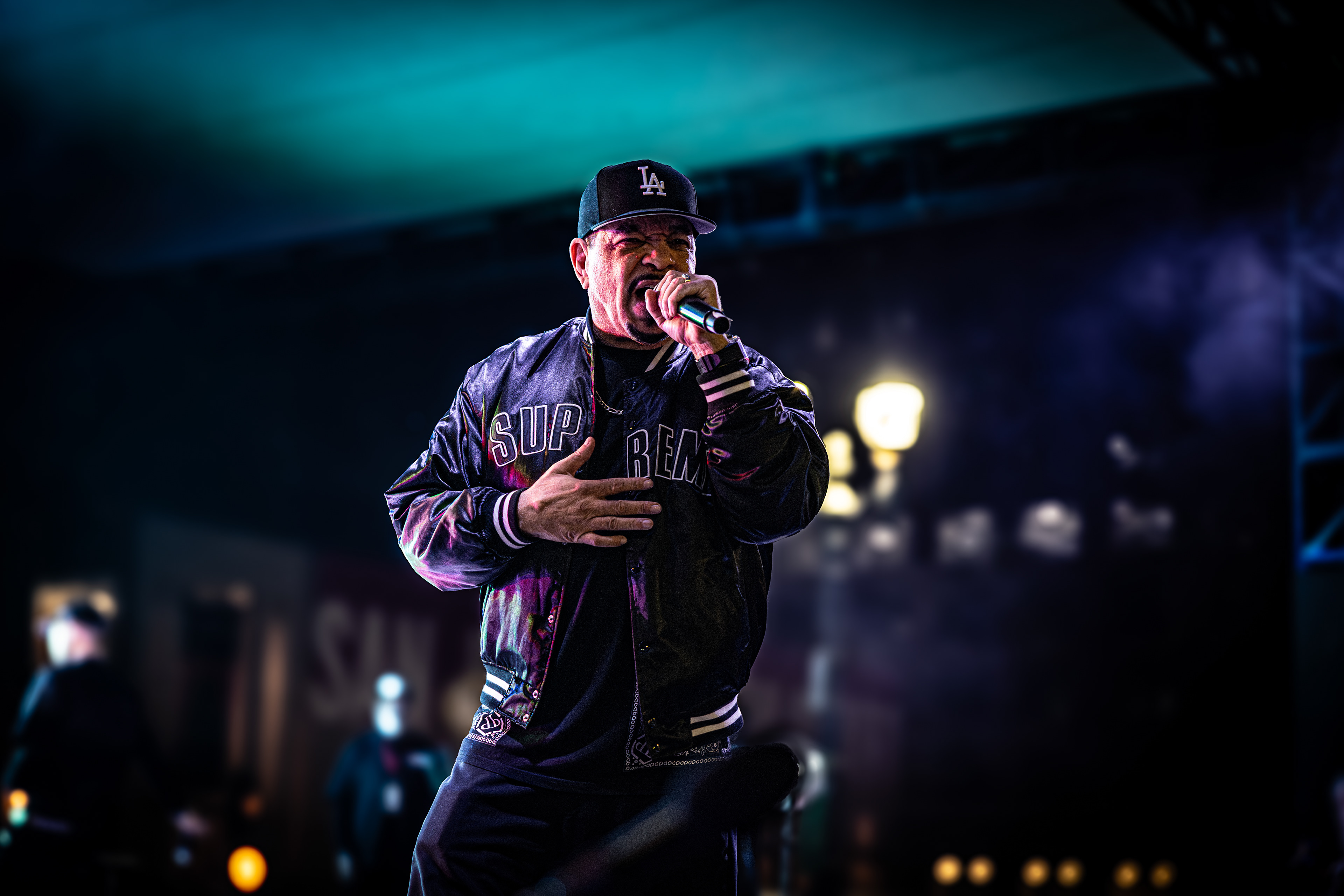

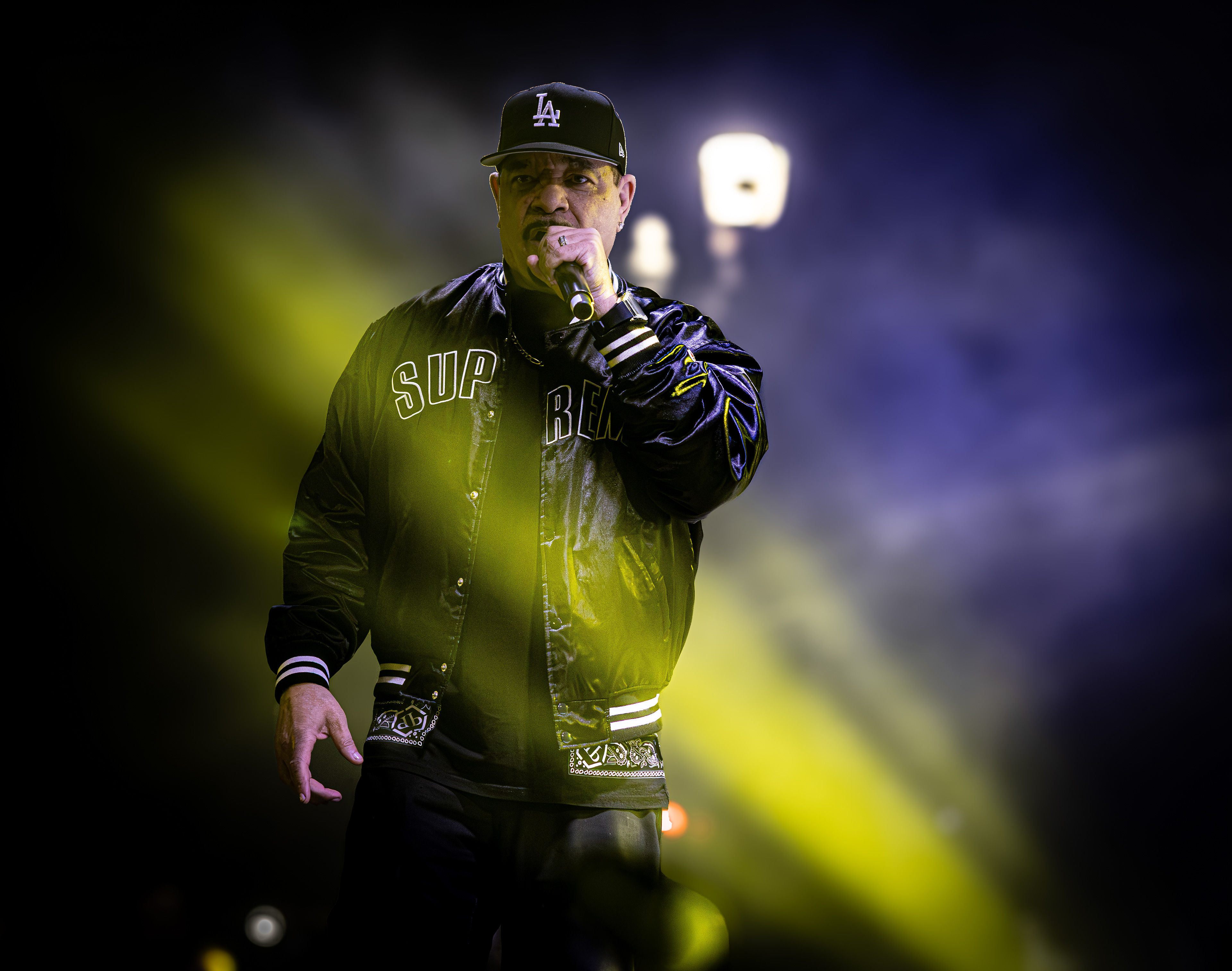
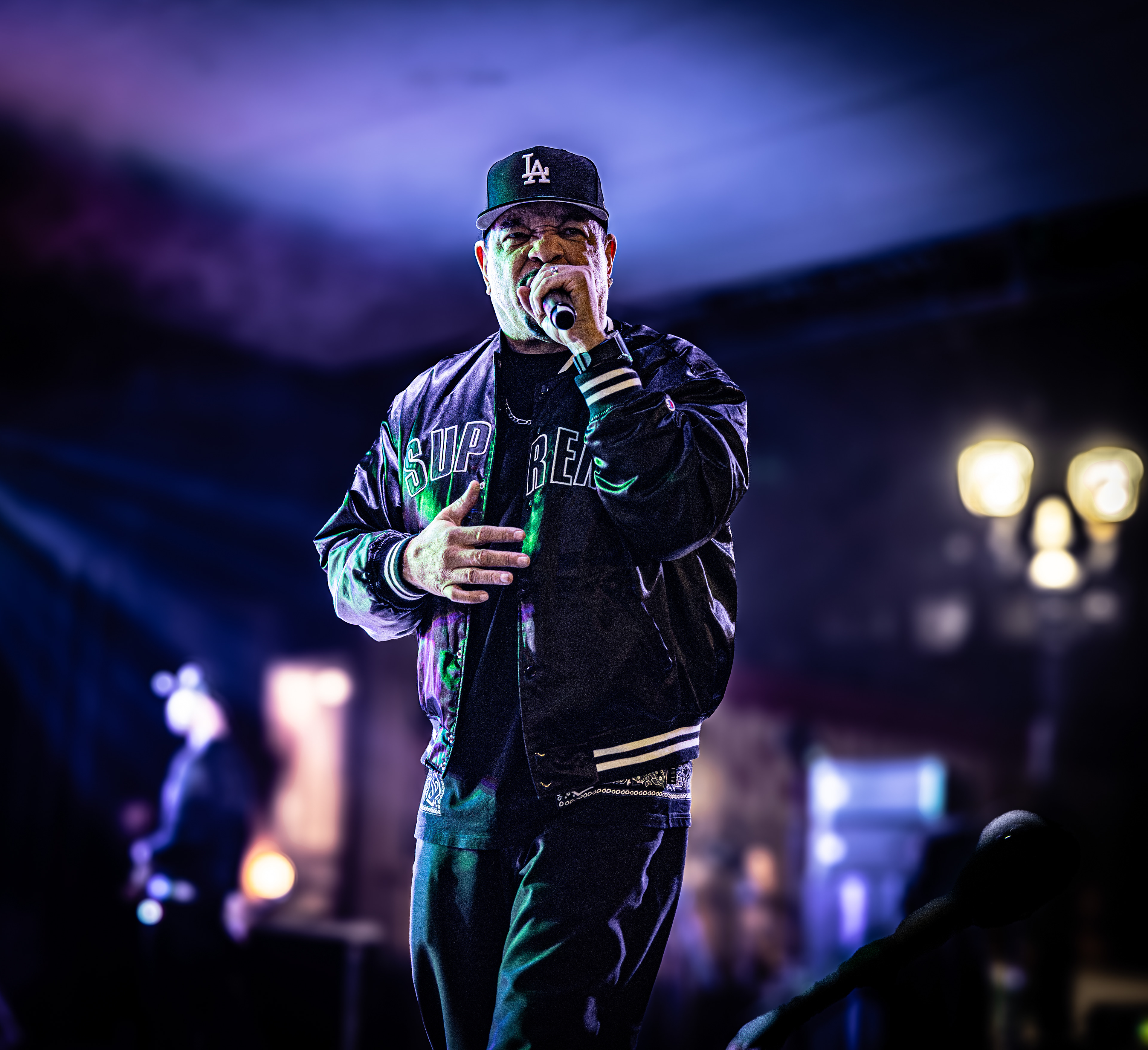
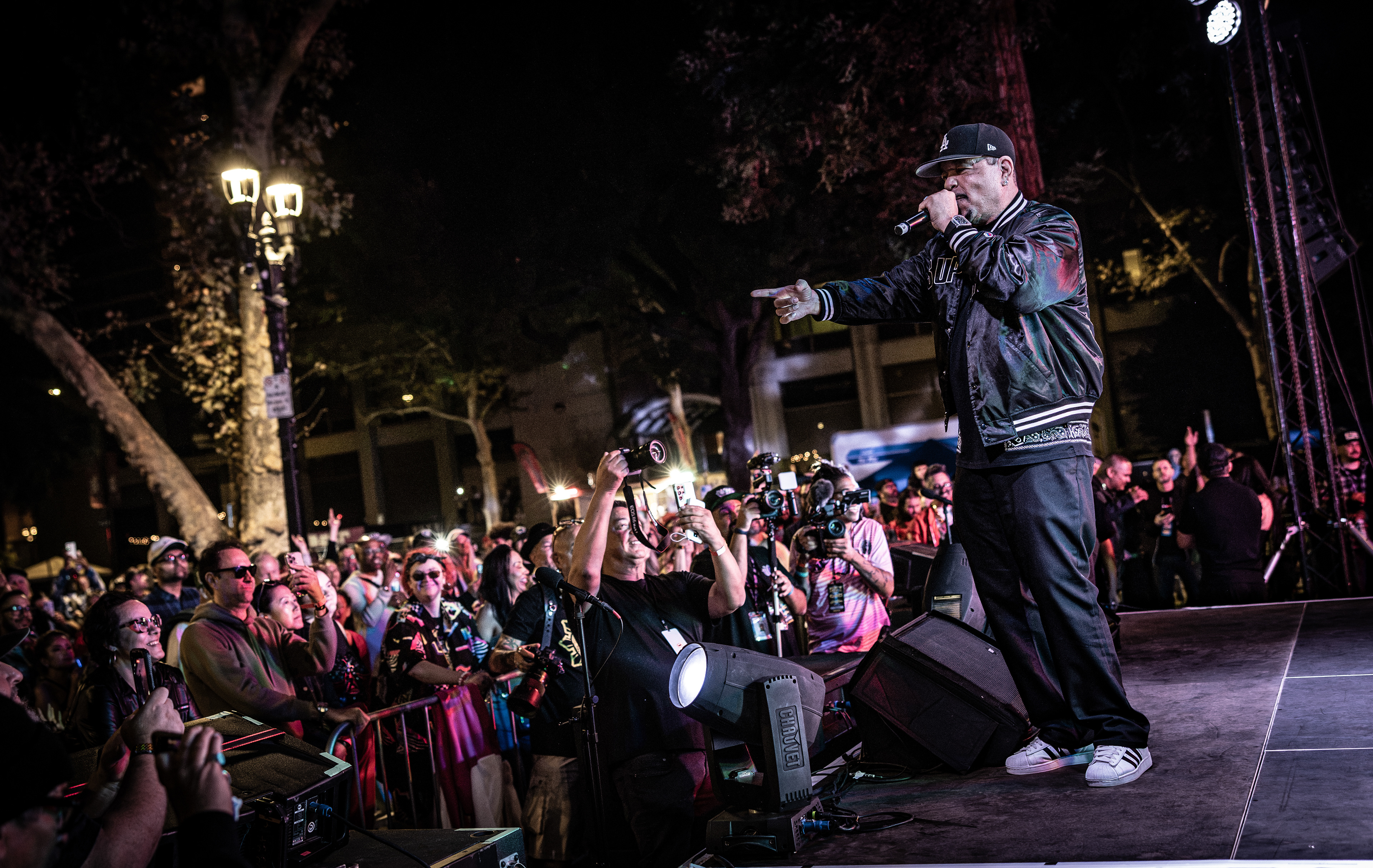
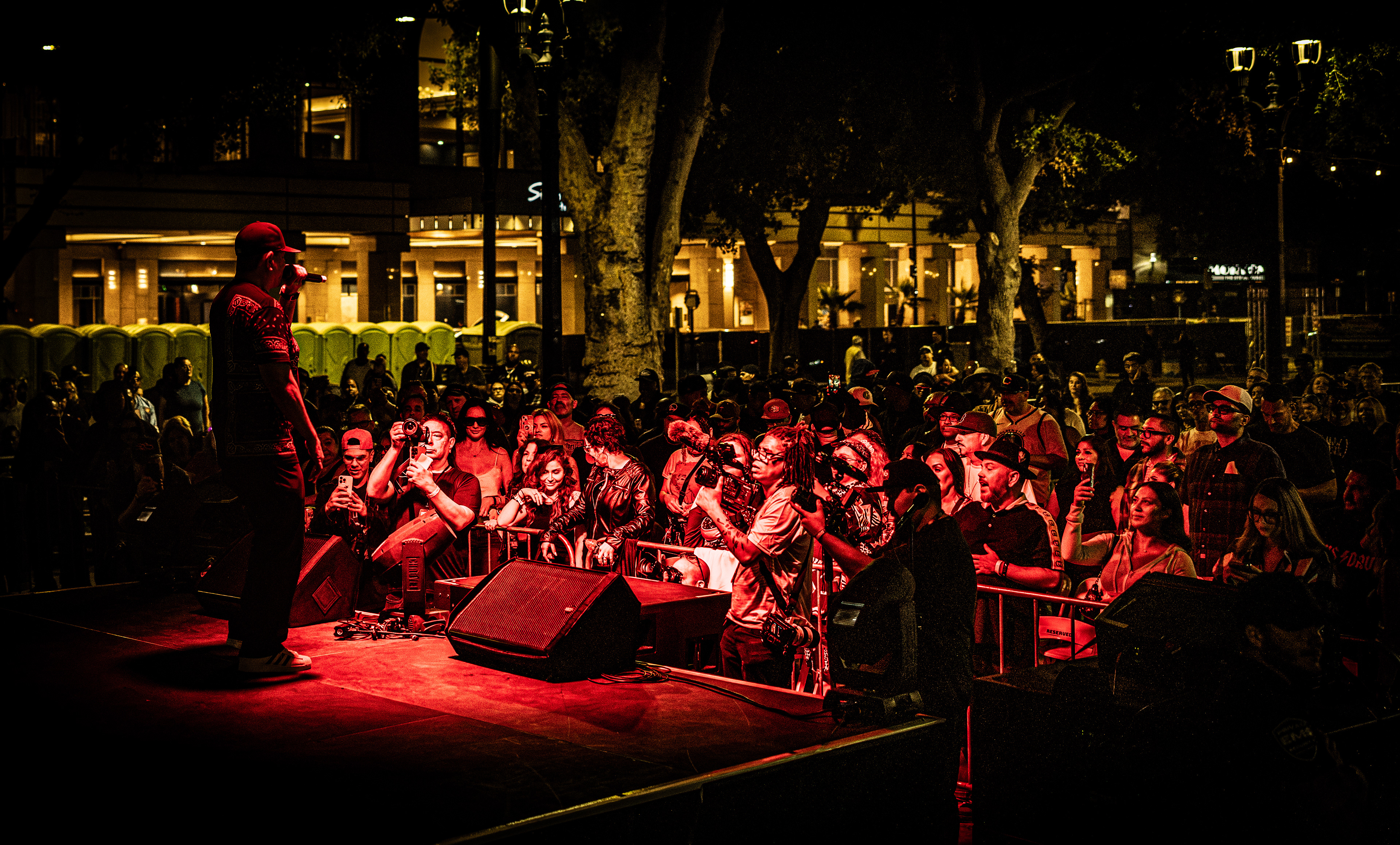
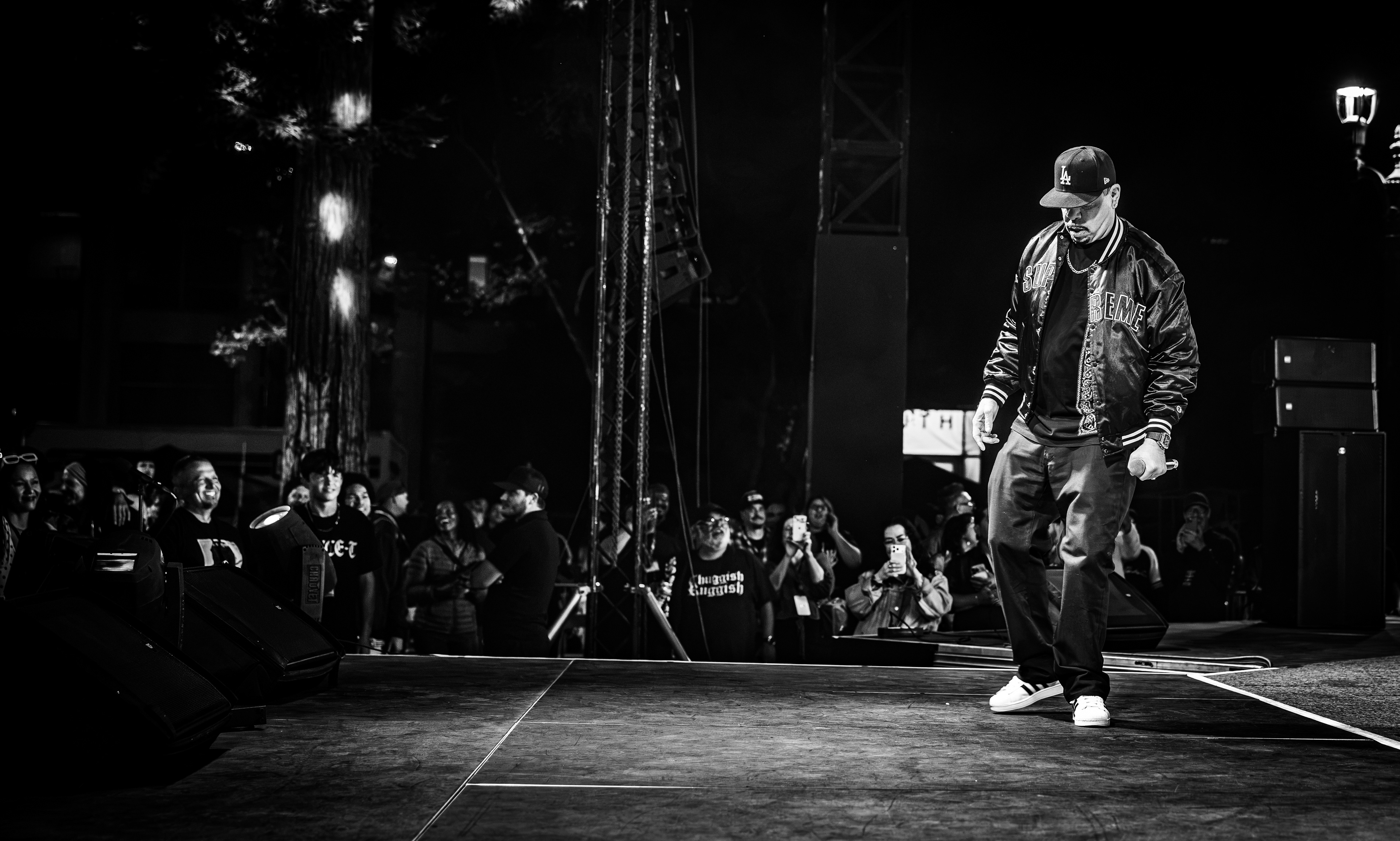
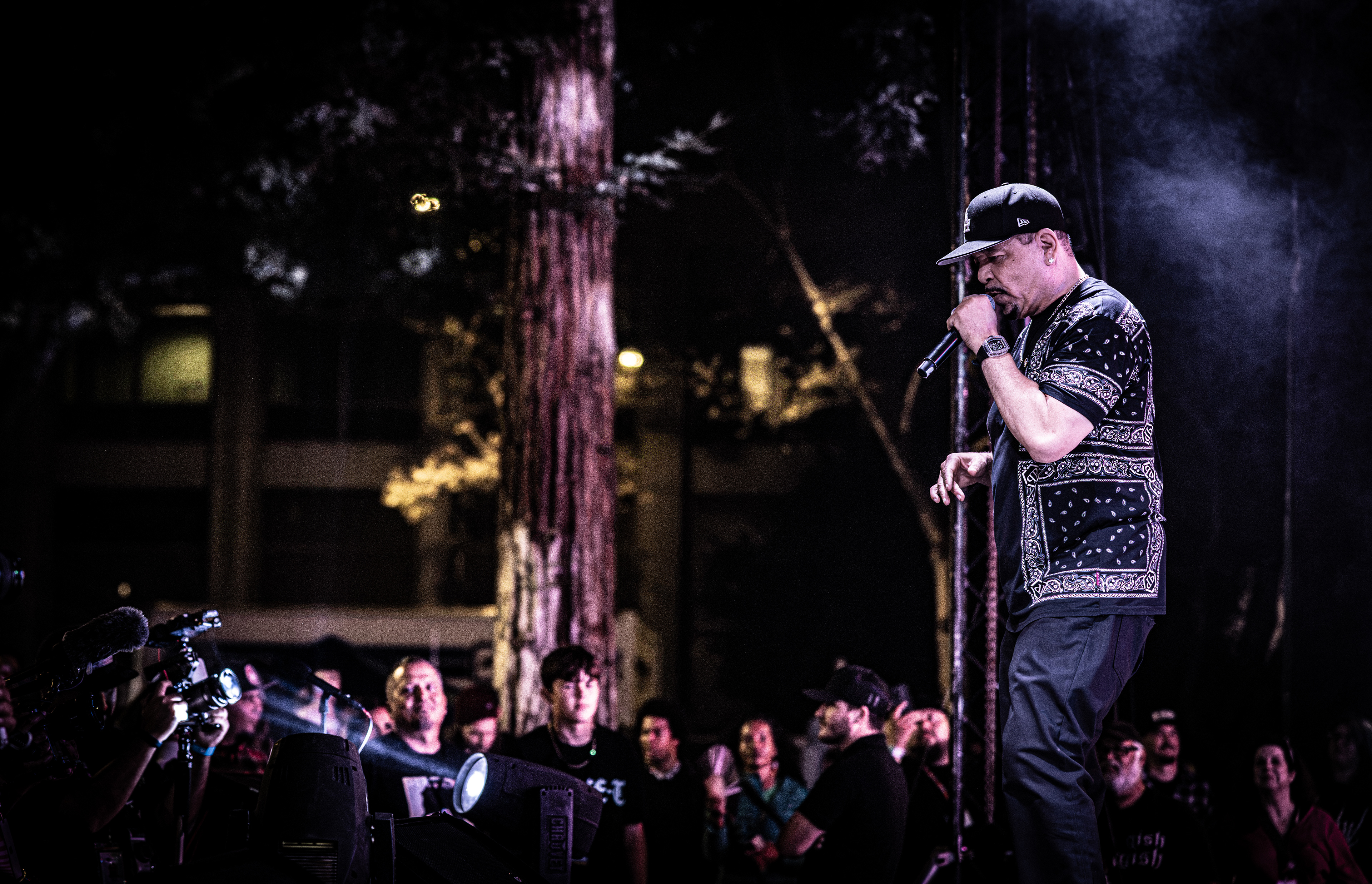

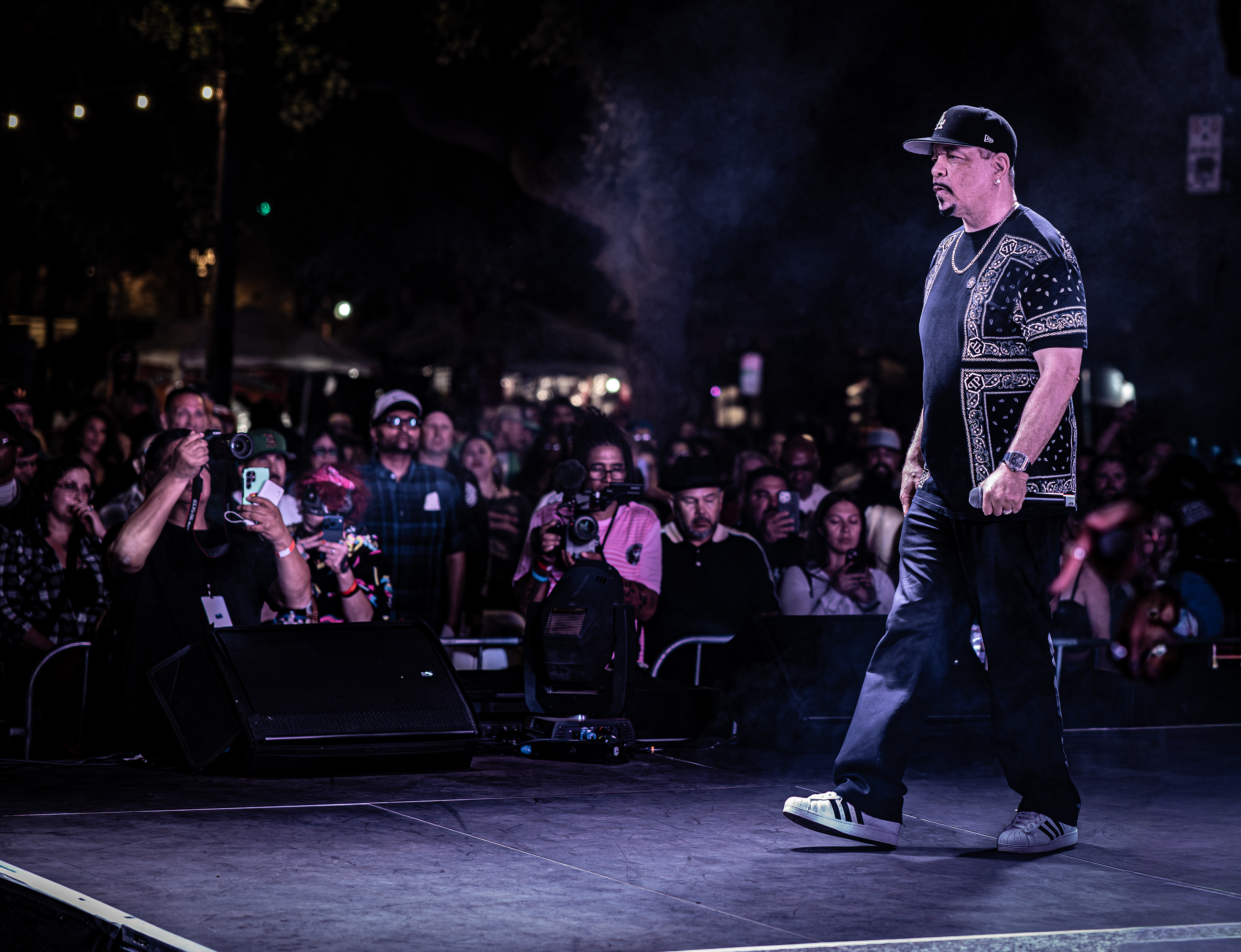
Before he ever set foot on a Hollywood soundstage, Tracy Lauren Marrow was forging a sound that permanently altered the architecture of American music. Operating under the name Ice-T, a name borrowed from the street philosopher and pulp novelist Iceberg Slim, he didn't merely adopt hip hop he damn hijacked it, weaponized it, and grafted it onto the harsh realities of the Los Angeles asphalt. In the middle of 1980s, commercial rap was defined almost entirely by New York’s hard street block party exuberance and electro funk sheen. While artists like the legend that is Run-D.M.C. commanded radio waves with booming drums and leather jacket swagger, Ice-T realized that none of it mirrored the tense, militarized streets of South Central. He was deeply Inspired by Philadelphia rapper Schoolly D’s sparse record "P.S.K. What Does It Mean?"Ice entered the studio in 1986 to build something strictly for his coast and make a mark on L.A music history. The result was "6 in the Mornin’." Driven by little more than an unadorned drum machine kick and a minimal synthesizer stab, the track offered no catchy hooks or pop concessions. He kept it simple and to the point. It was an icy, realistic narrative tracking a protagonist running from police raids, dodging rival street sets, and operating under a ruthless survival code. Distributed via independent record stores and blasted from trunk mounted subwoofers across California, "6 in the Mornin’" became ground zero for West Coast reality rap. It established the cinematic, narrative heavy template that would later launch N.W.A, Snoop Dogg, and Tupac Shakur into global superstardom. Signing with Sire/Warner Bros. Records, Ice-T delivered Rhyme Pays in 1987, securing the distinction of releasing one of the very first hip hop albums to bear the infamous "Parental Advisory" warning sticker. Rather than backing down, he leaned directly into controversy with 1988’s Power. The record featured aggressive, politically sharp lyricism over jagged production by Afrika Islam, while its provocative cover art challenged mainstream media’s obsession with sensationalizing street culture. By the time he unleashed O.G. Original Gangster in 1991, Ice-T was operating at his creative summit. Spanning 24 tracks, O.G. balanced ferocious street reporting with razor sharp sociopolitical analysis. On tracks like "New Jack Hustler" and the spoken word interlude "Bitches 2," he dissected systemic poverty, police brutality, and institutional racism with a clinical, detached delivery. He sounded less like an entertainer and more like an embedded war correspondent dictating field notes over heavy funk breaks. Ice-T flatly refused the racial and sonic boundaries dictated by record executives. Growing up listening to Black Sabbath, Led Zeppelin, and Deep Purple alongside classic soul, he believed thrash metal and hardcore punk shared the exact same anti establishment pulse as underground rap. In 1990, he co-founded the heavy metal outfit Body Count alongside his Crenshaw High School friend, virtuoso guitarist Ernie C. Body Count wasn't a one off gimmick; they made their formal debut right on Ice’s rap album O.G., and joined the inaugural 1991 Lollapalooza tour, blindsiding alternative rock crowds with a wall of down tuned distortion and furious speed. The release of Body Count’s self-titled 1992 debut ignited a national firestorm over the track "Cop Killer." Written from the perspective of an abused citizen seeking lethal retribution against rogue officers following the Rodney King assault, the song triggered boycott threats against Time Warner, direct condemnation from President George H.W. Bush, and furious protests from law enforcement lobbies. Ice stood his ground in defense of the First Amendment, distinguishing between artistic characterization and real world violence, before ultimately pulling the track voluntarily, the main reason being that label employees were getting violent threats. While major labels grew wary of his uncompromising stance, Ice-T embraced independence, forming Rhyme $yndicate Records and later releasing albums like Home Invasion through Priority Records. He proved that an artist could bypass mainstream commercial gatekeepers entirely if the underground foundation was solid enough. Far from mellowing with age, Ice-T’s musical output has maintained its ferocious bite. While balancing a demanding television schedule, he and Ernie C revitalized Body Count into a modern metal titan, earning widespread critical acclaim and winning a Grammy Award in 2021 for Best Metal Performance ("Bum-Rush"). With subsequent releases like Merciless, featuring collaborations with metal stalwarts like Max Cavalera, George "Corpsegrinder" Fisher, and Pink Floyd's David Gilmour, Ice-T continues to treat heavy music not as a relic of his youth, but as an active, roaring front line. He remains one of music's truest anomalies killing it as a hip-hop pioneer who authored the rules of gangsta rap, tore down the walls between rap and heavy metal, and never once softened his voice to stay in the room.