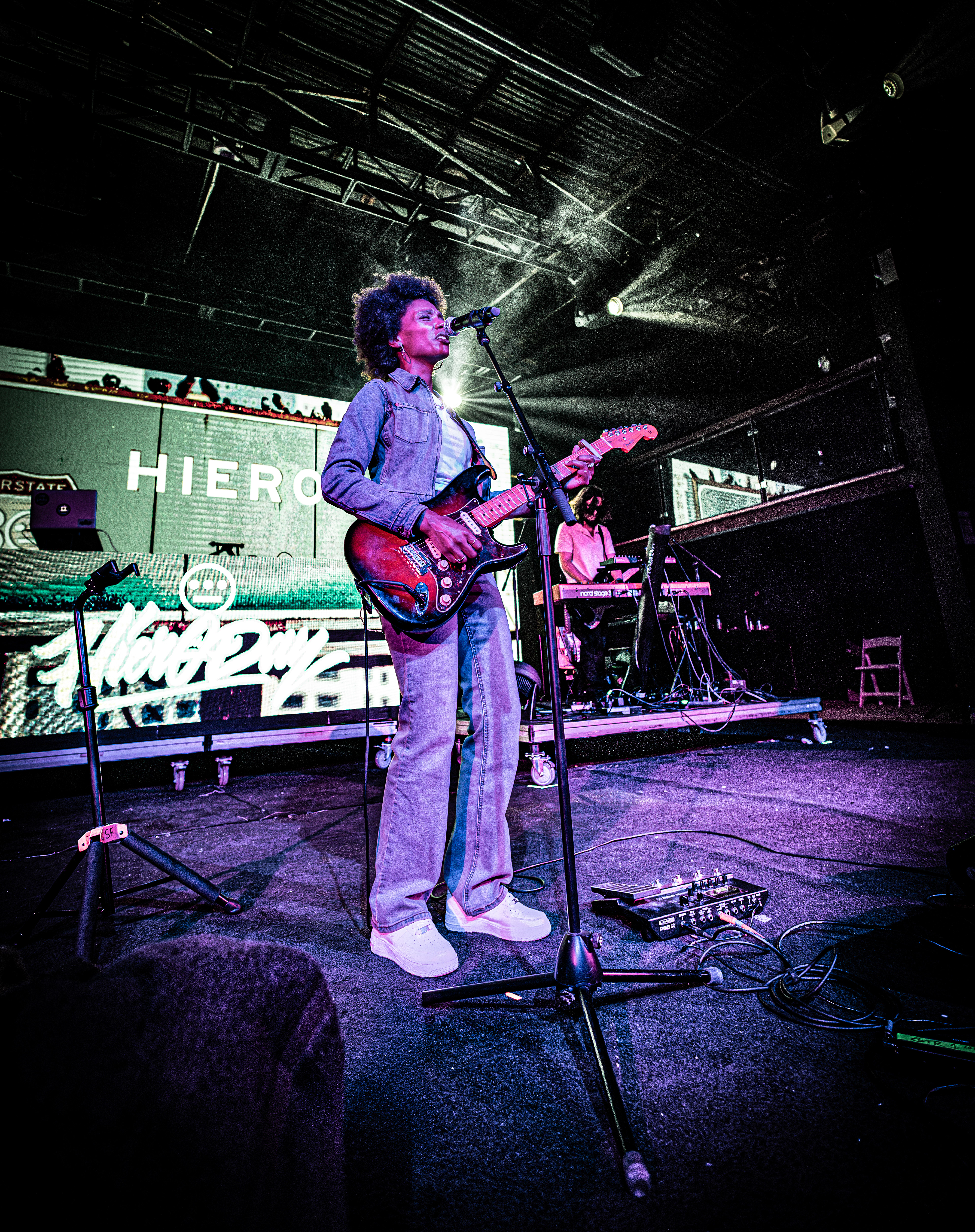
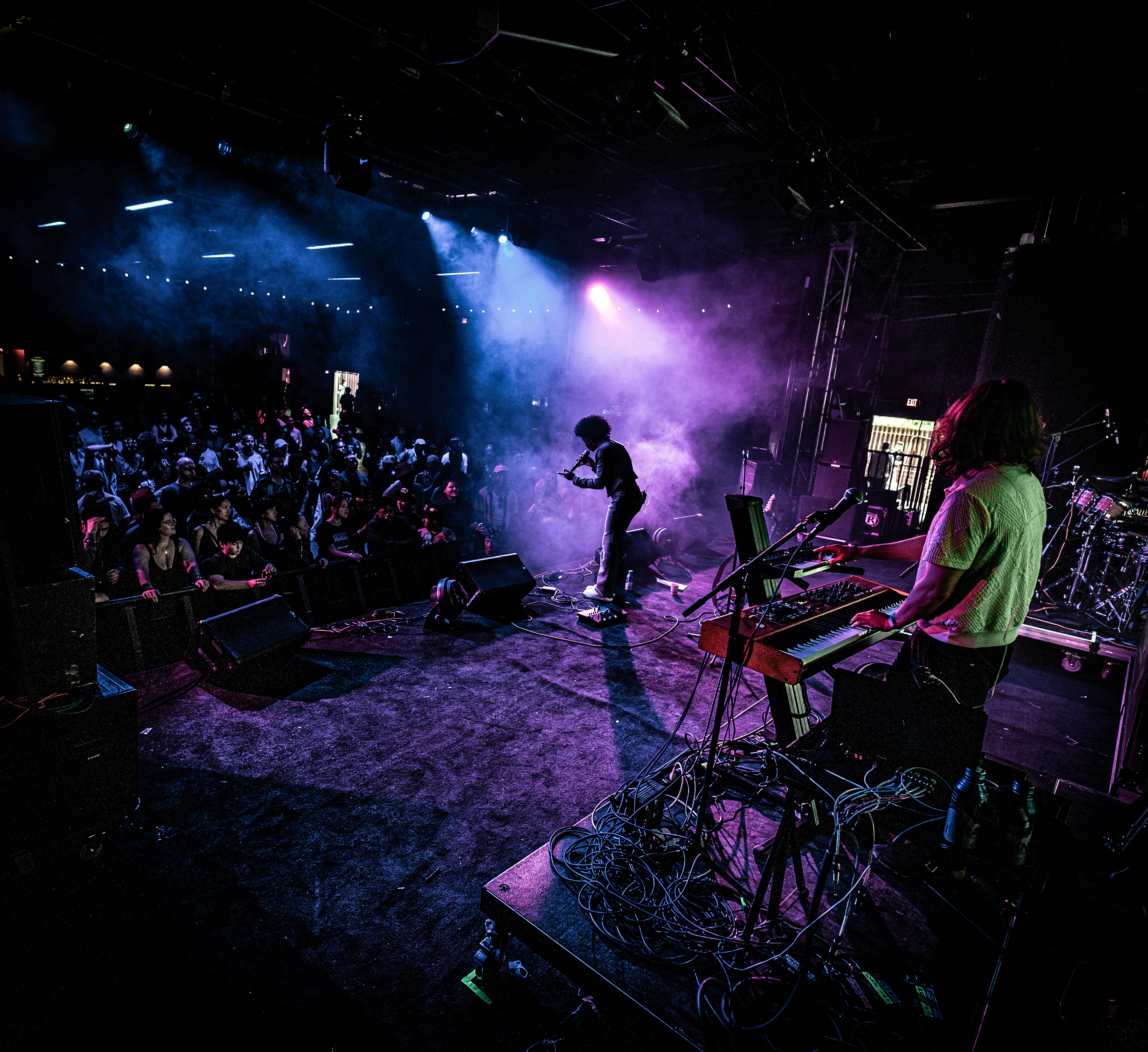
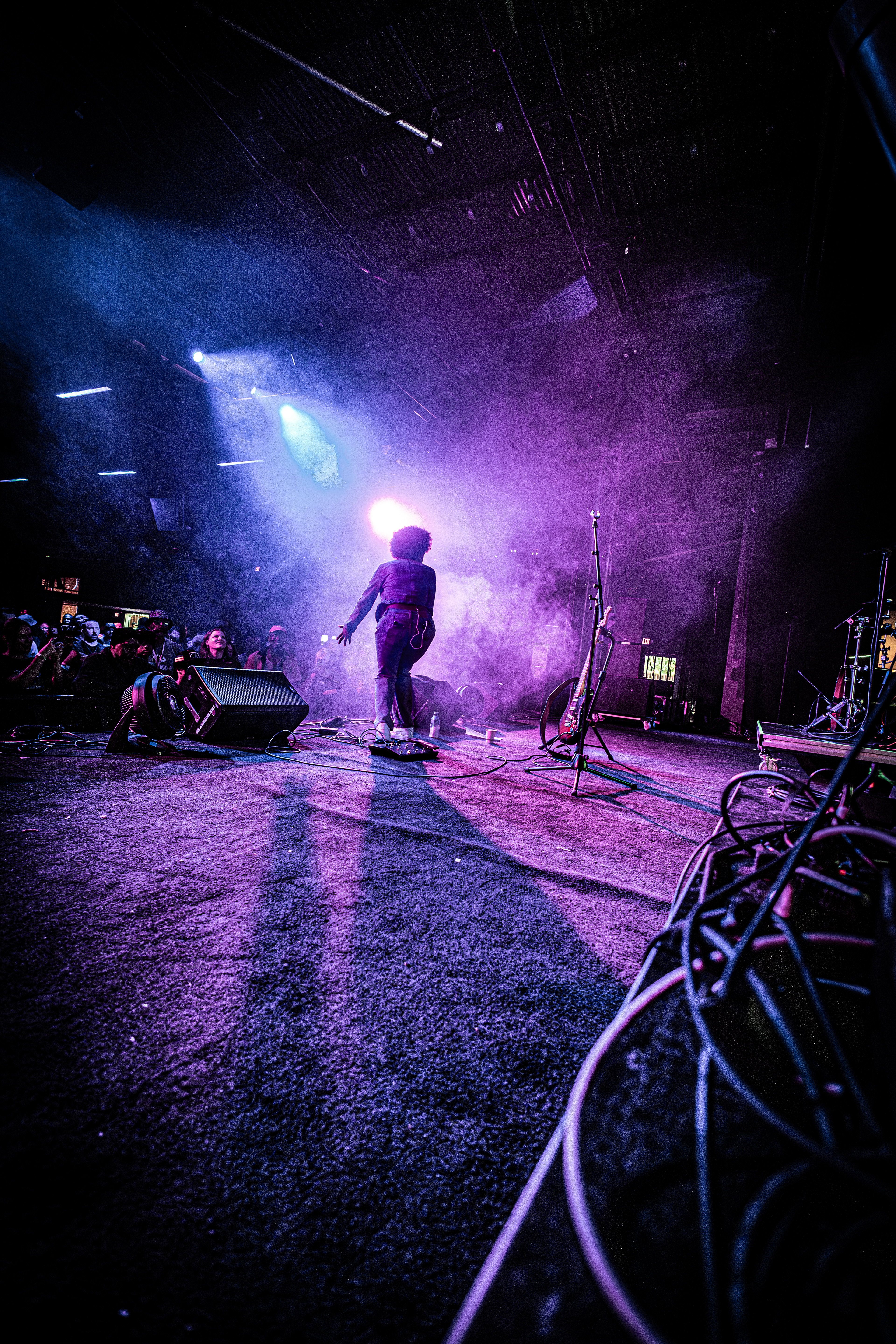
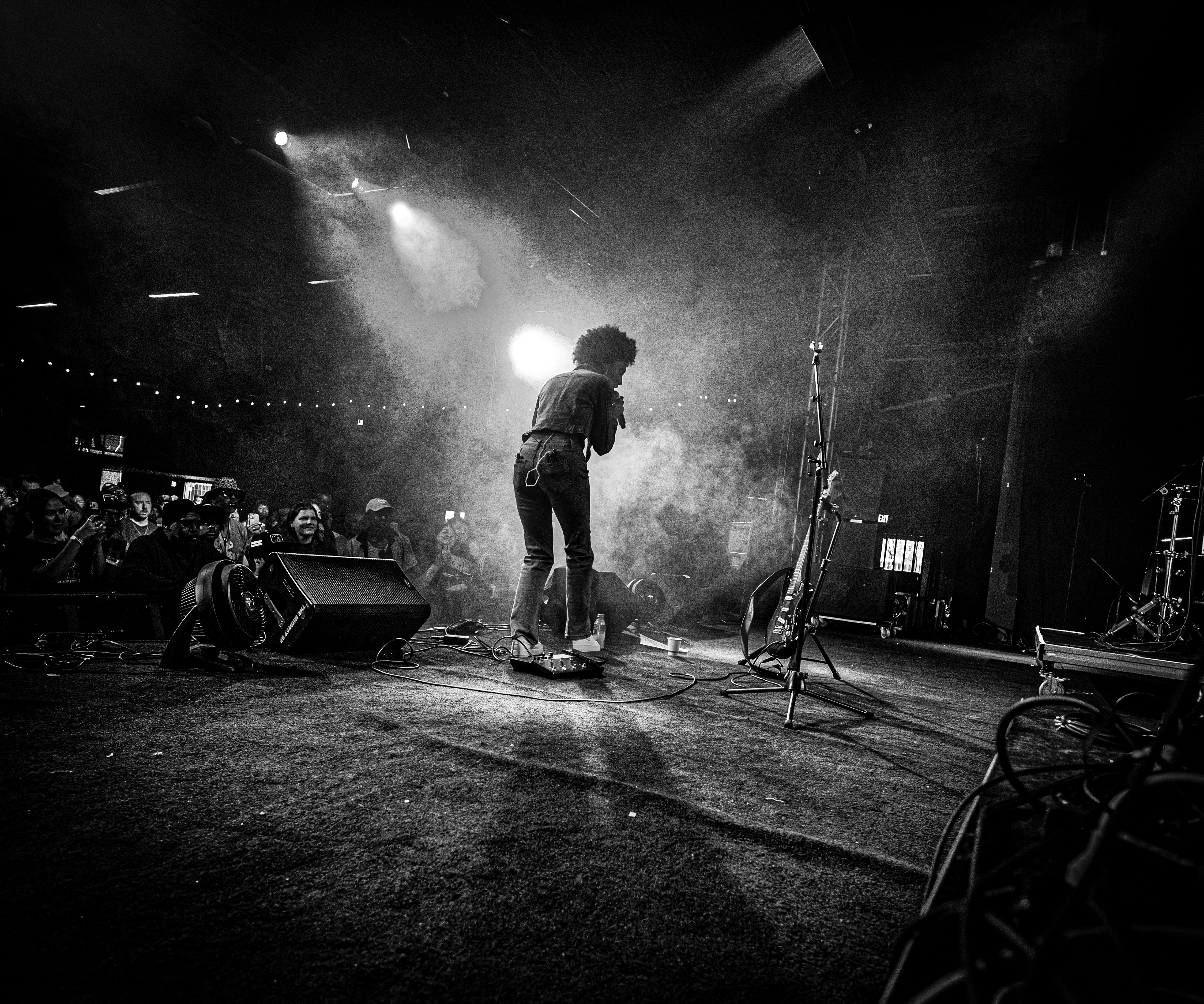
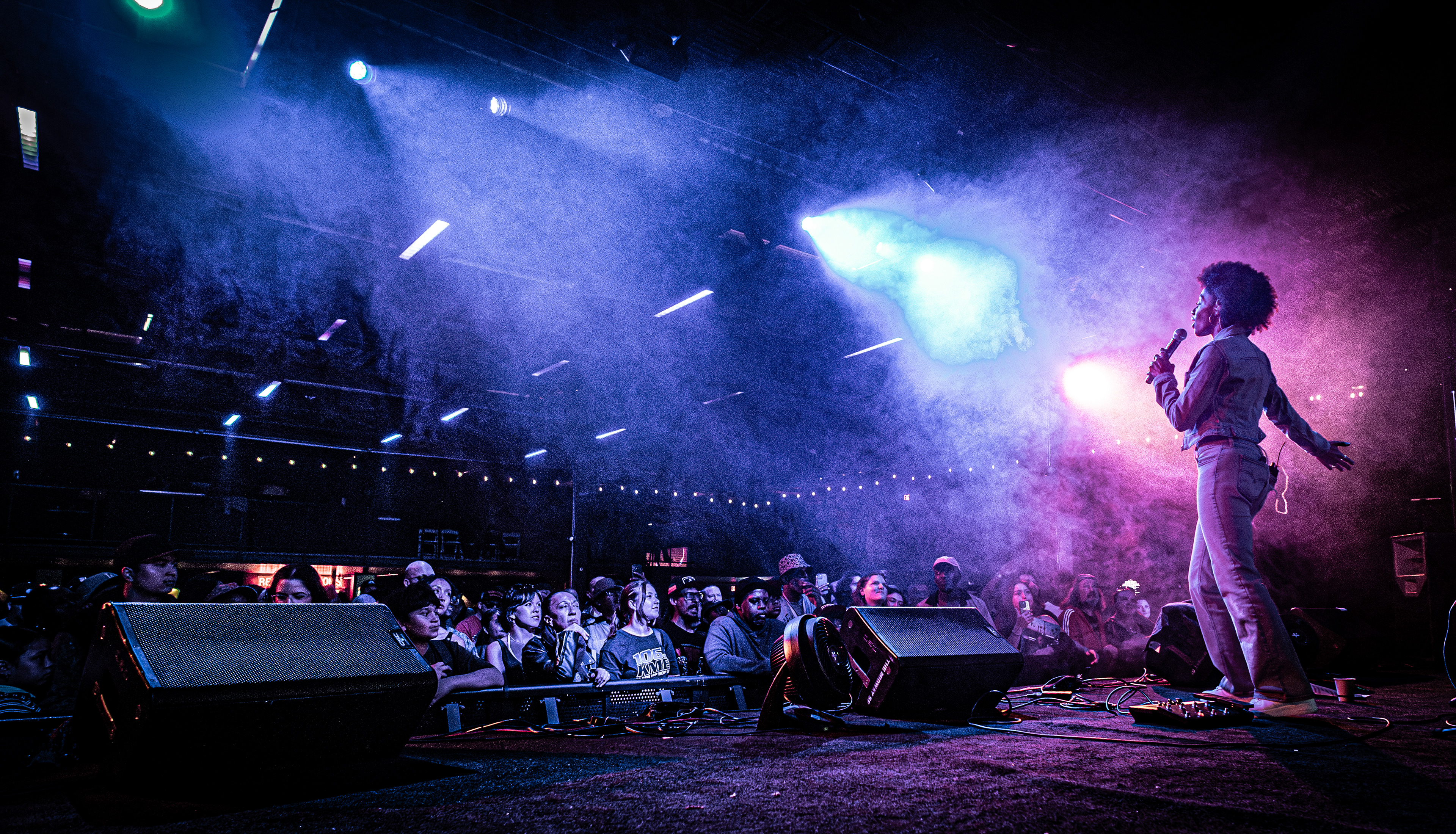
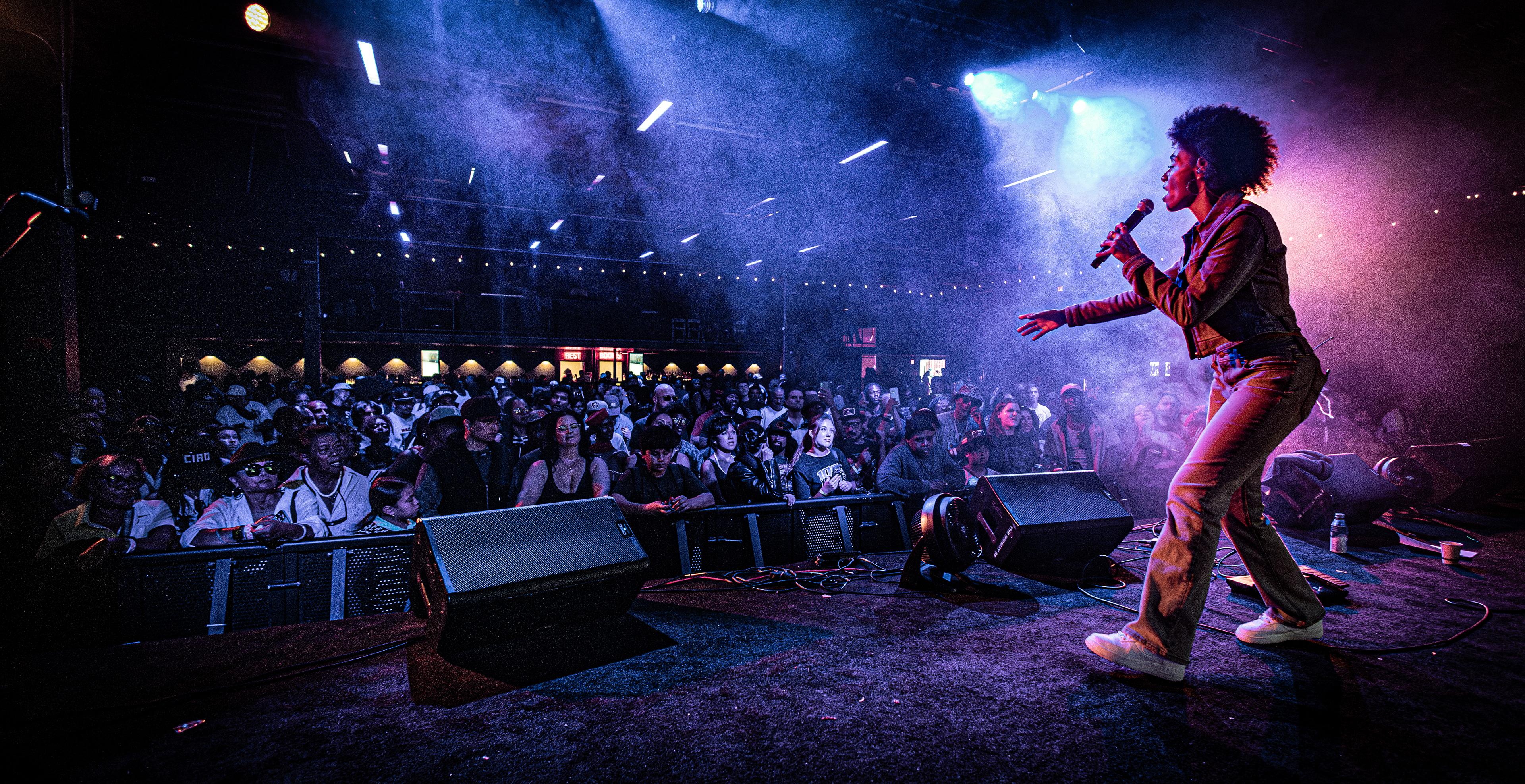
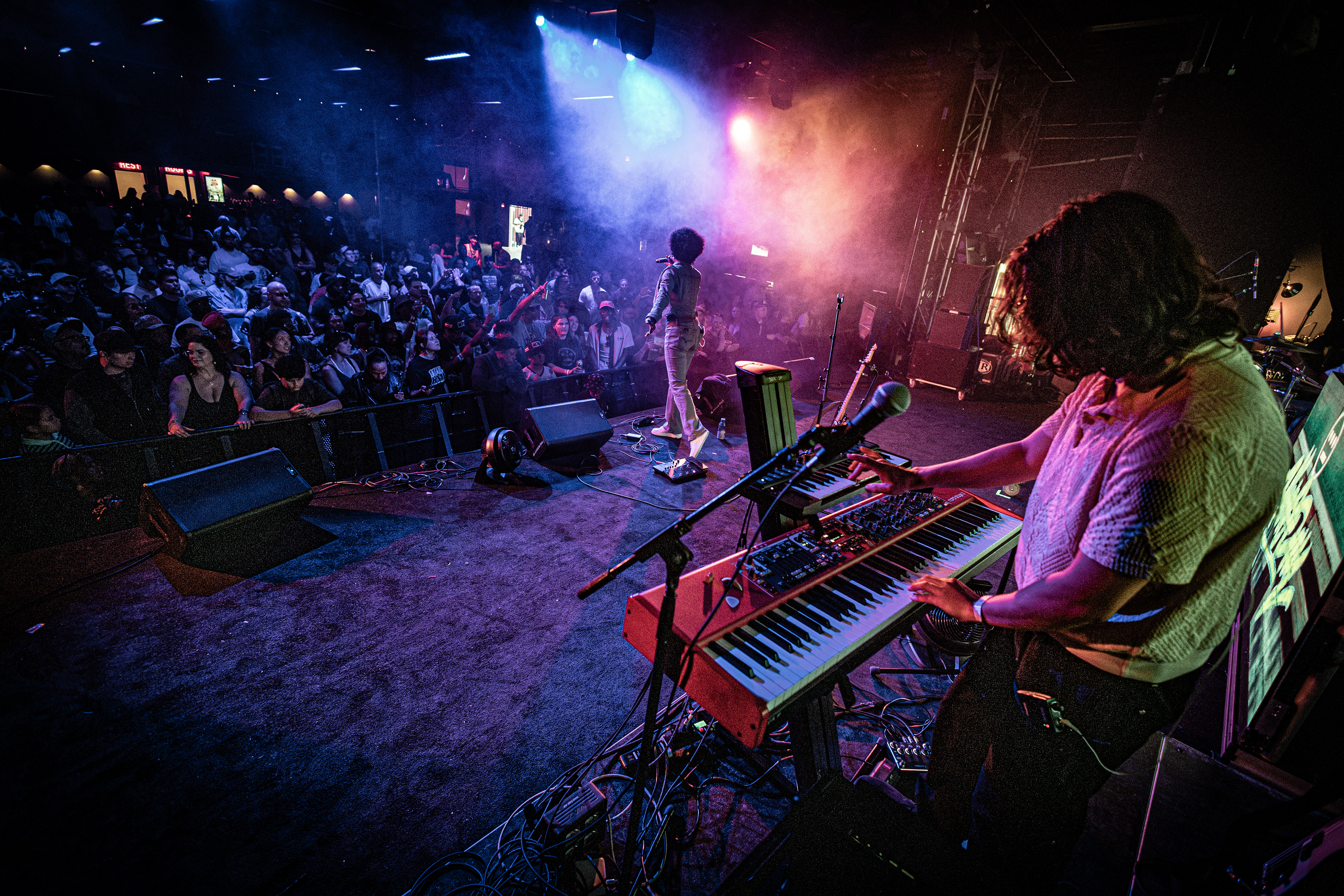

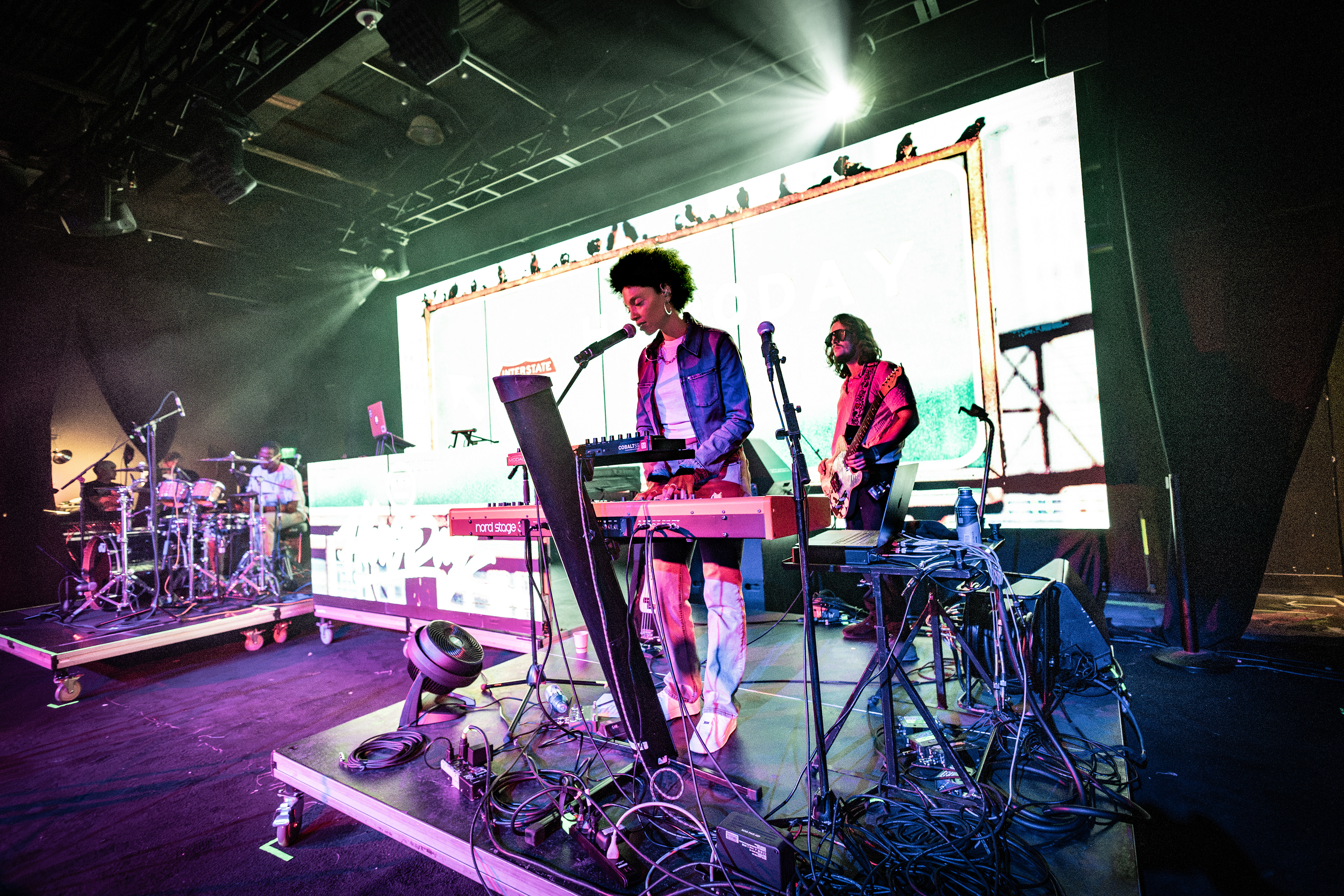
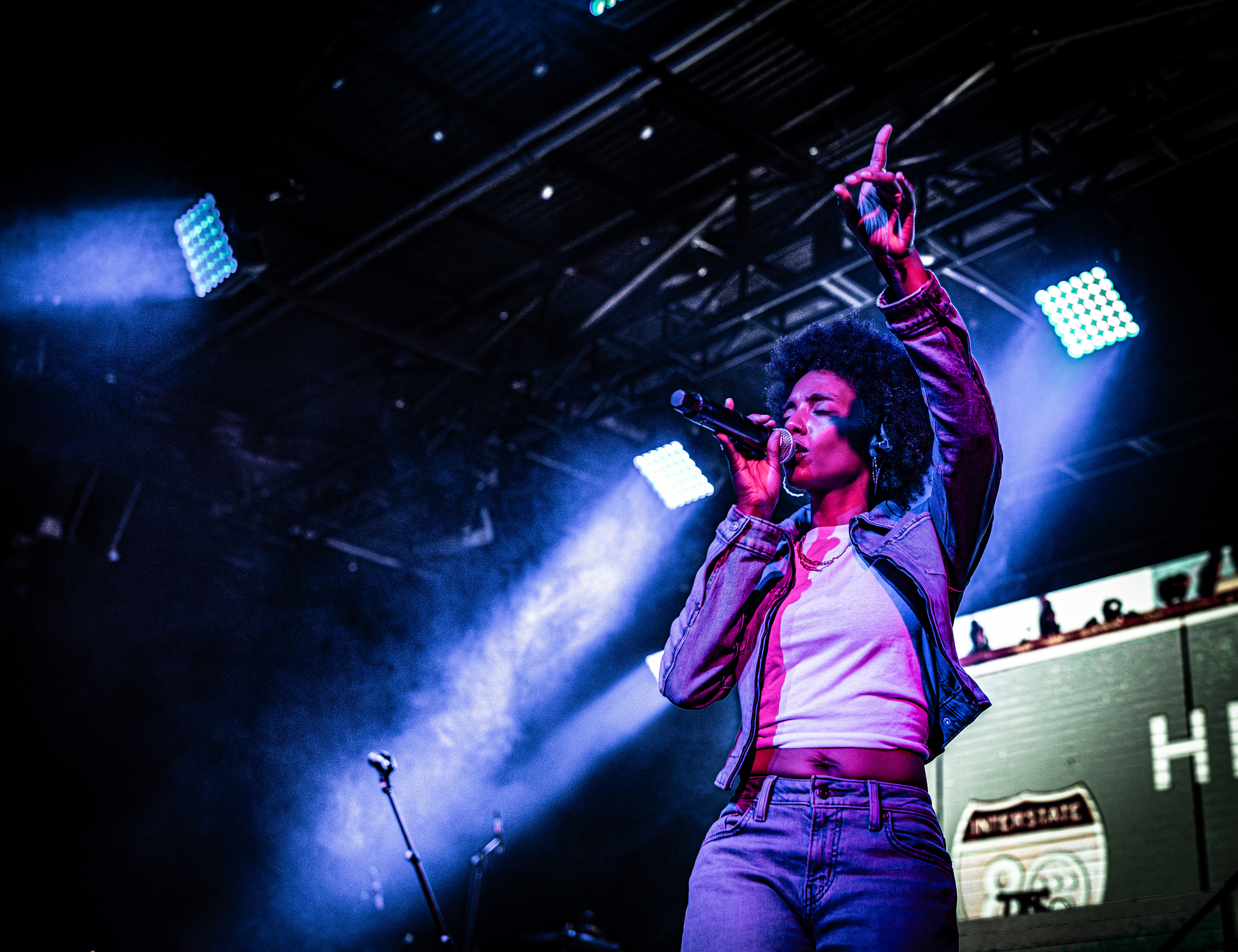
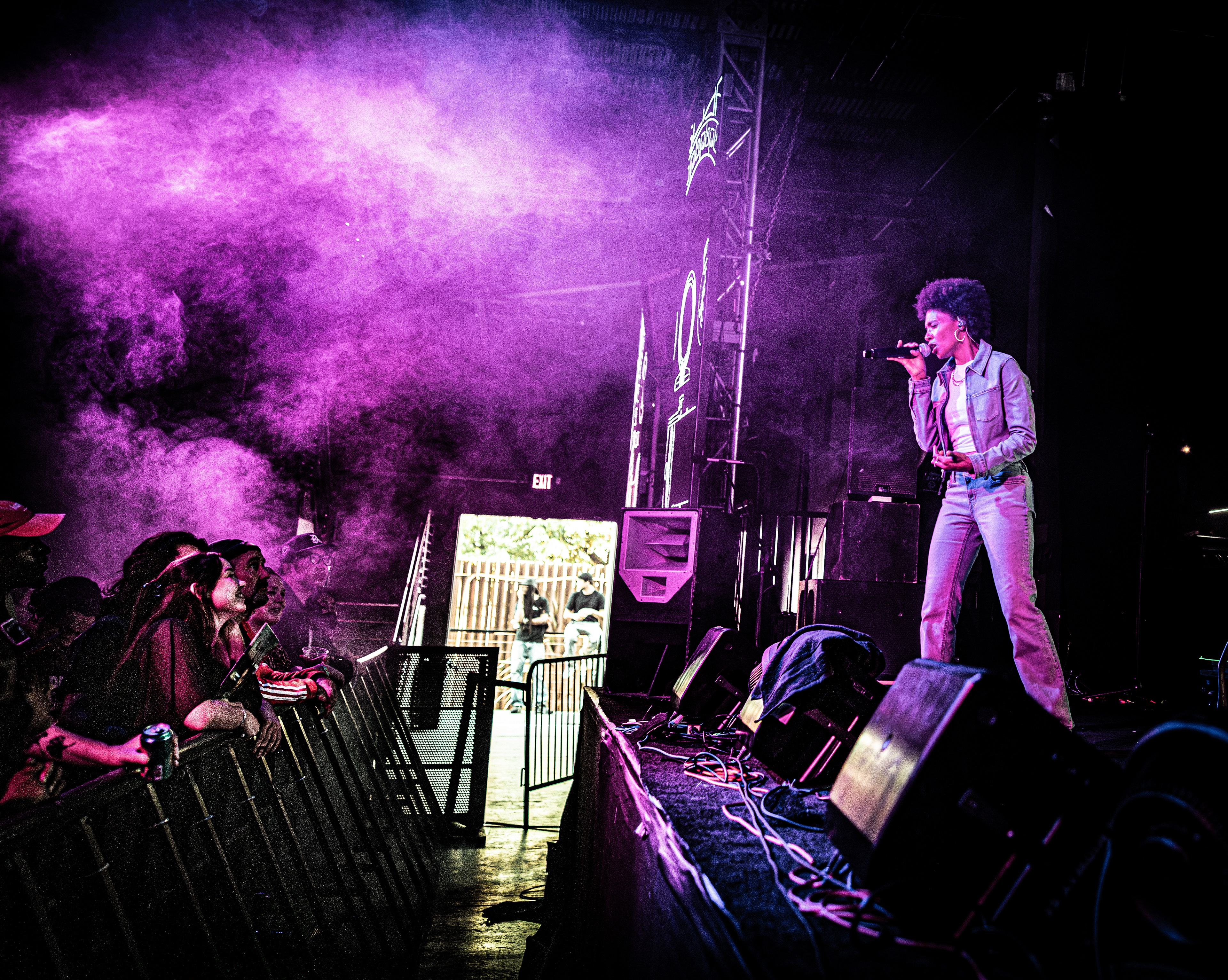
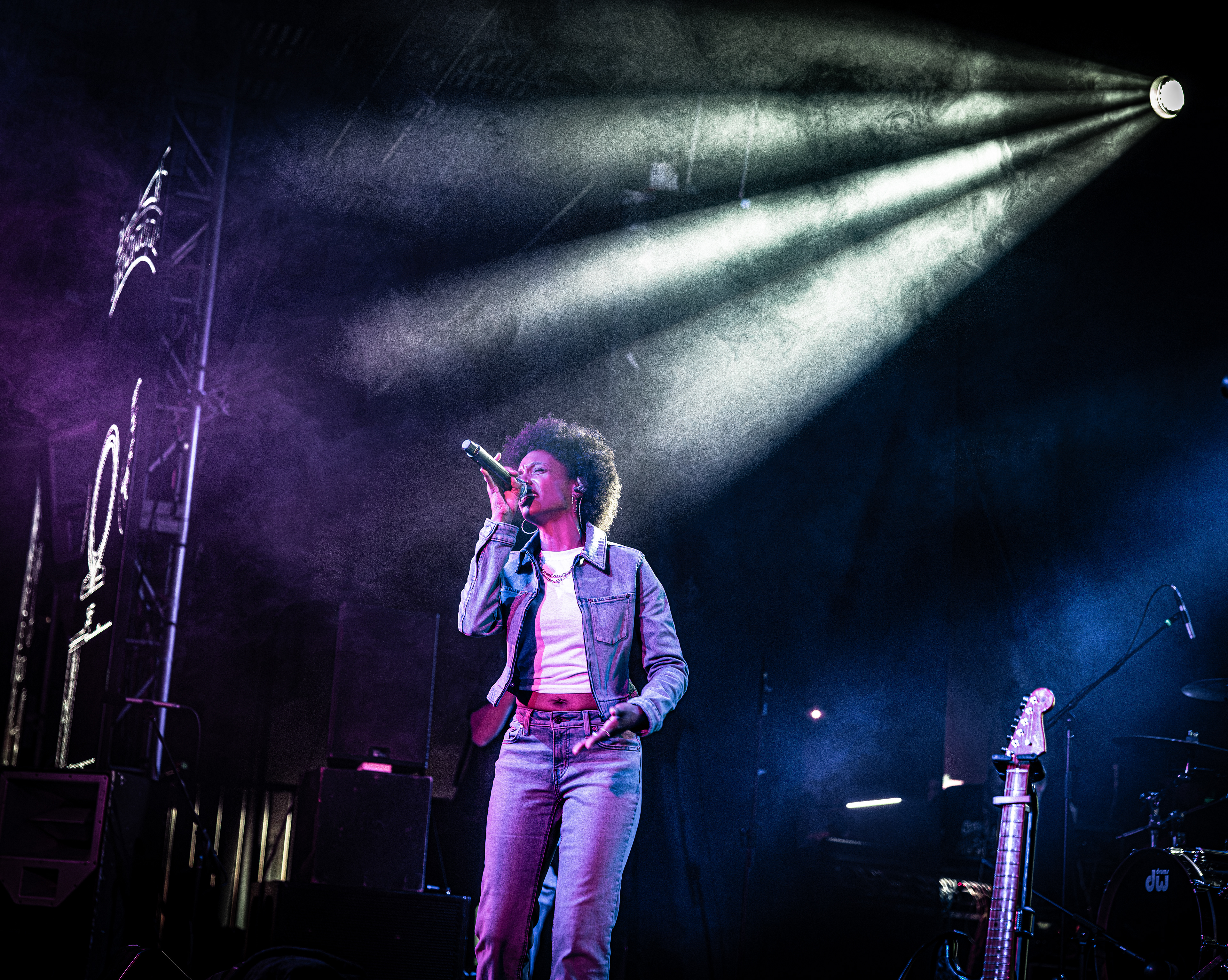
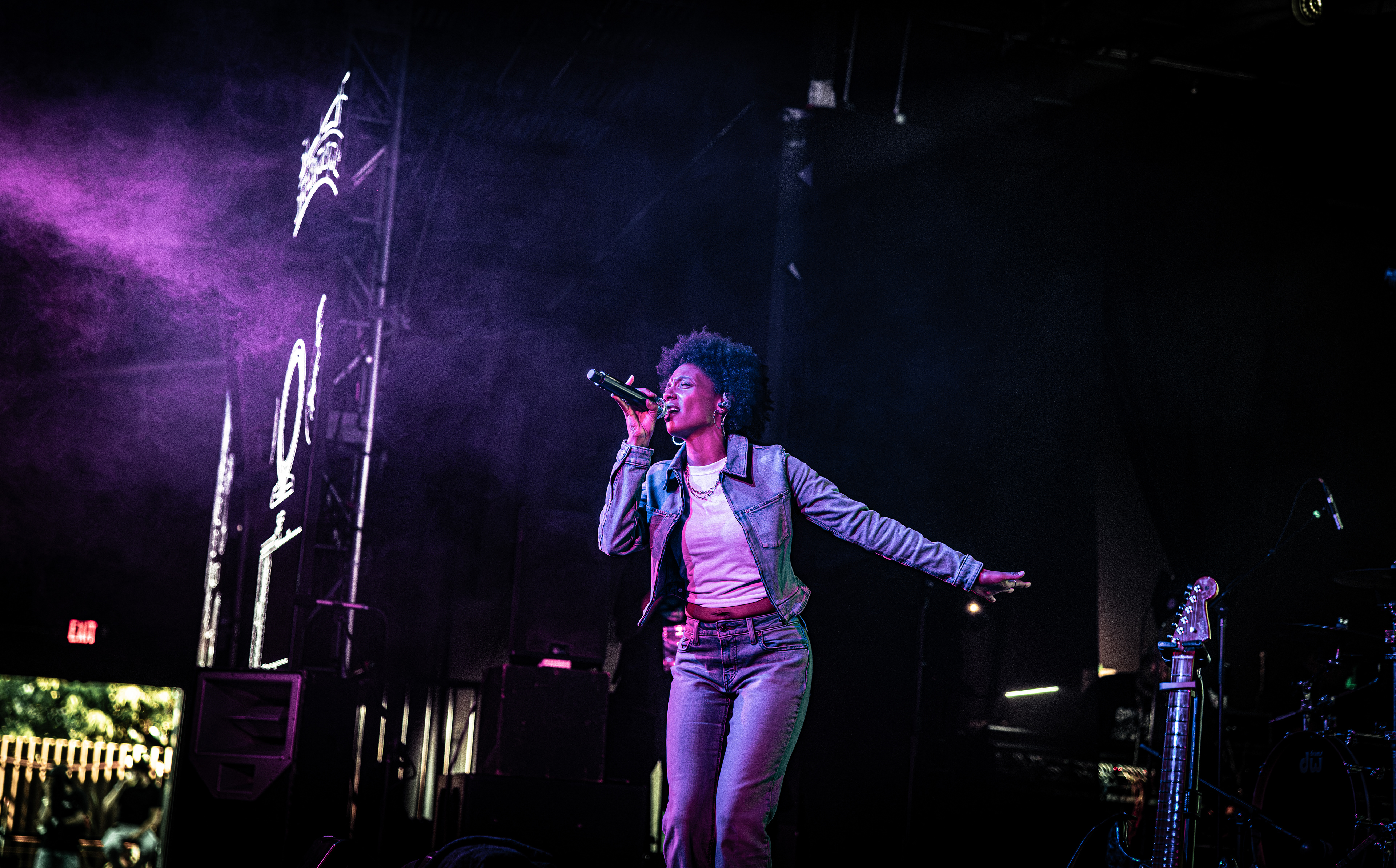
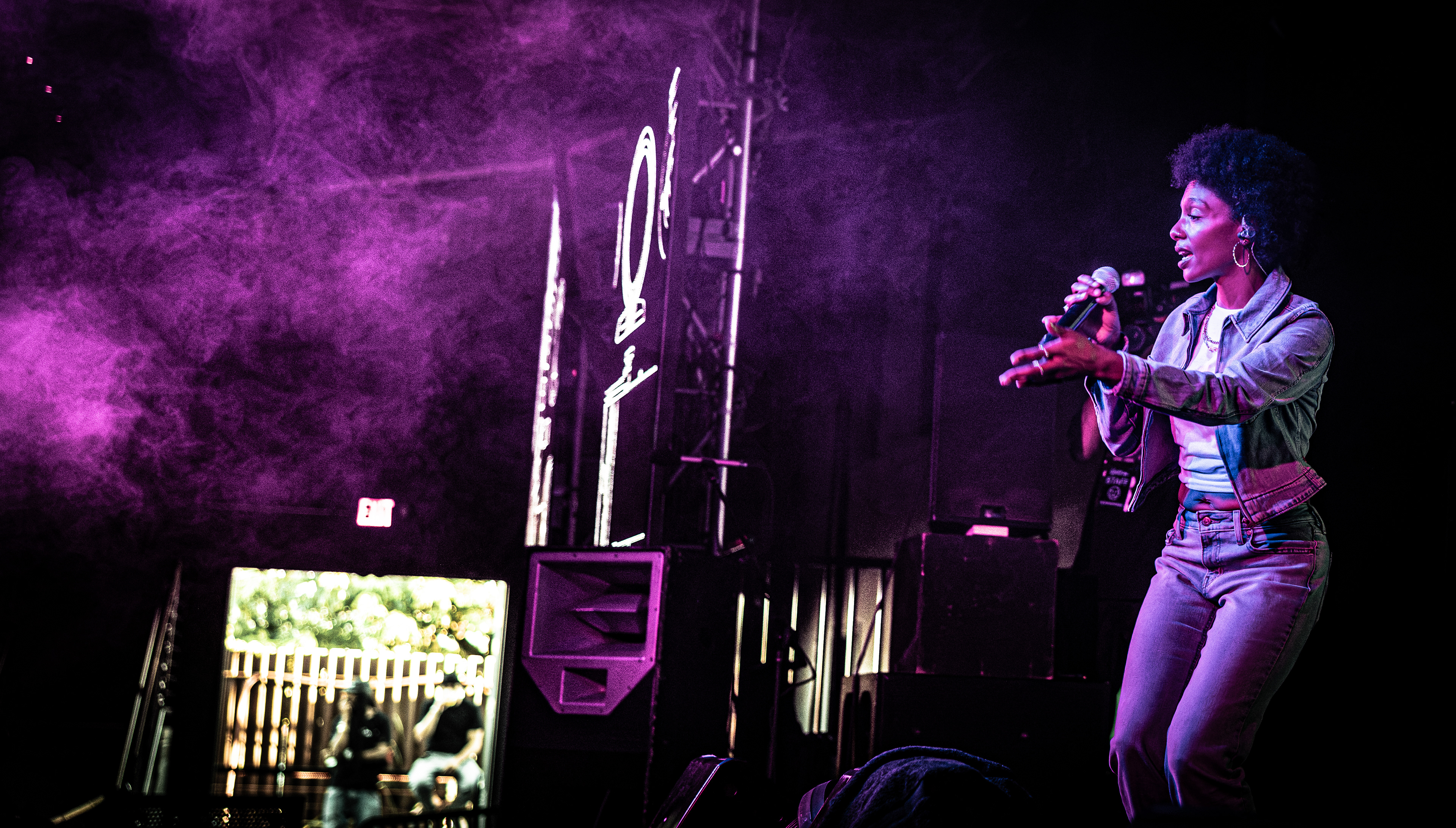
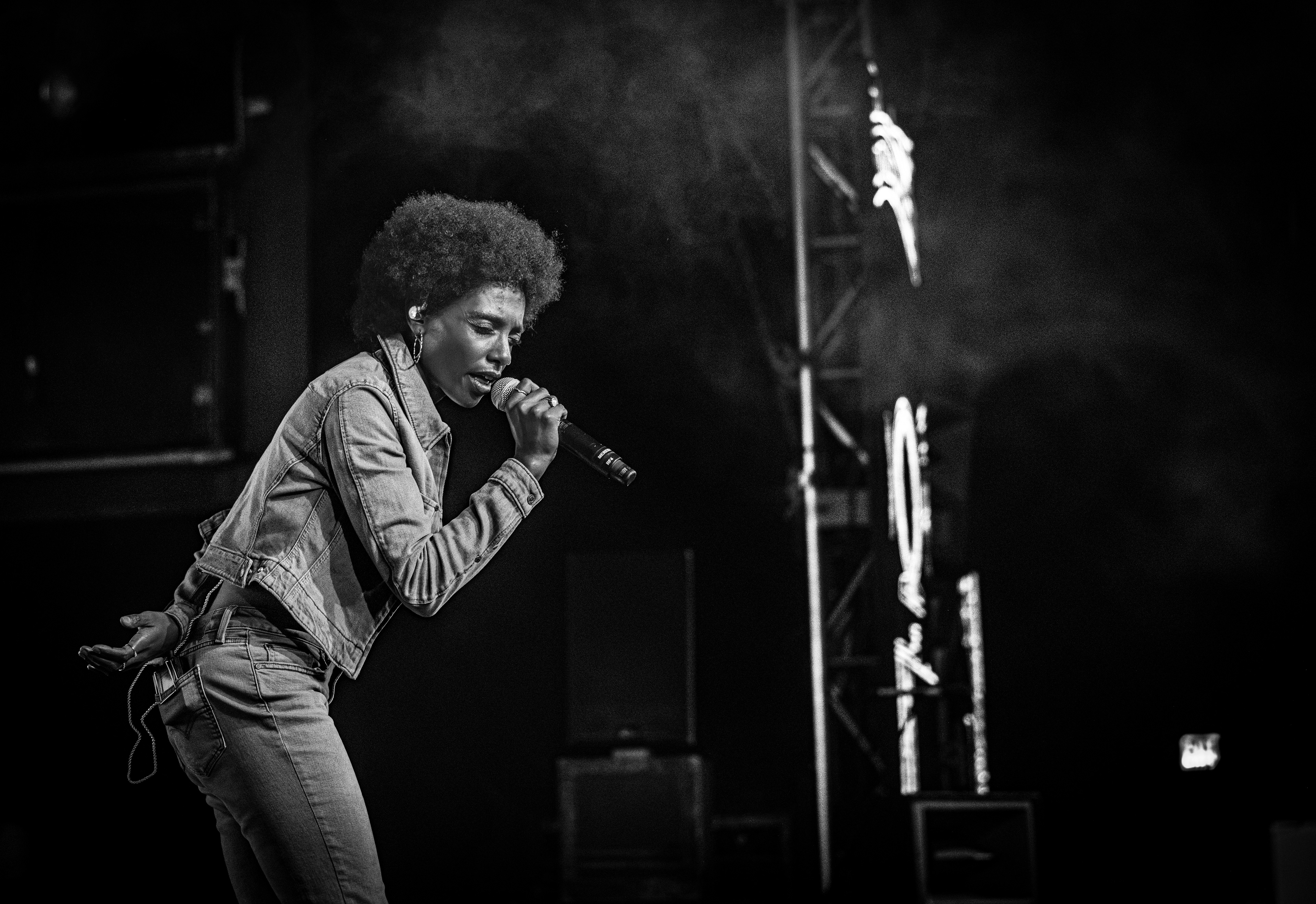
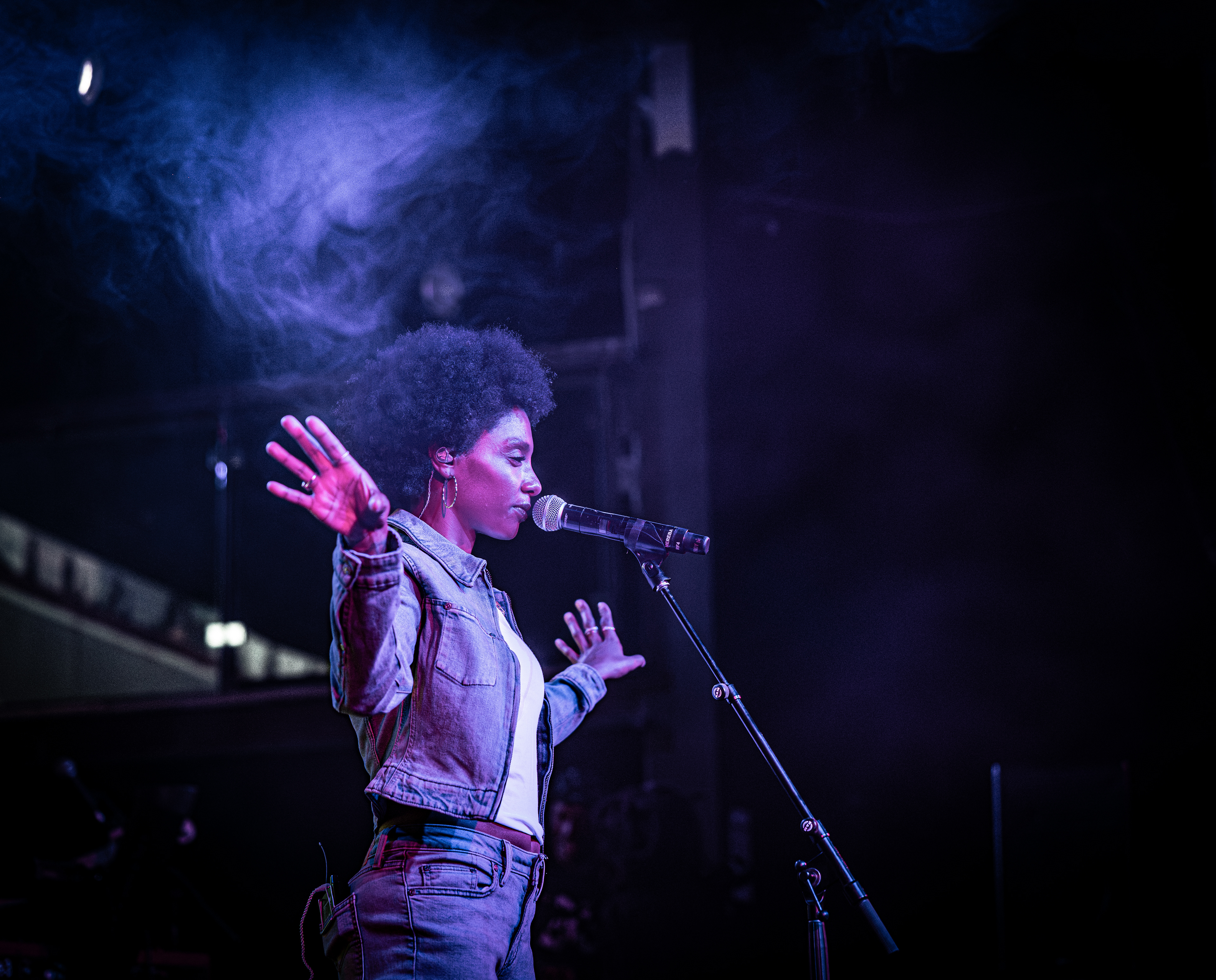
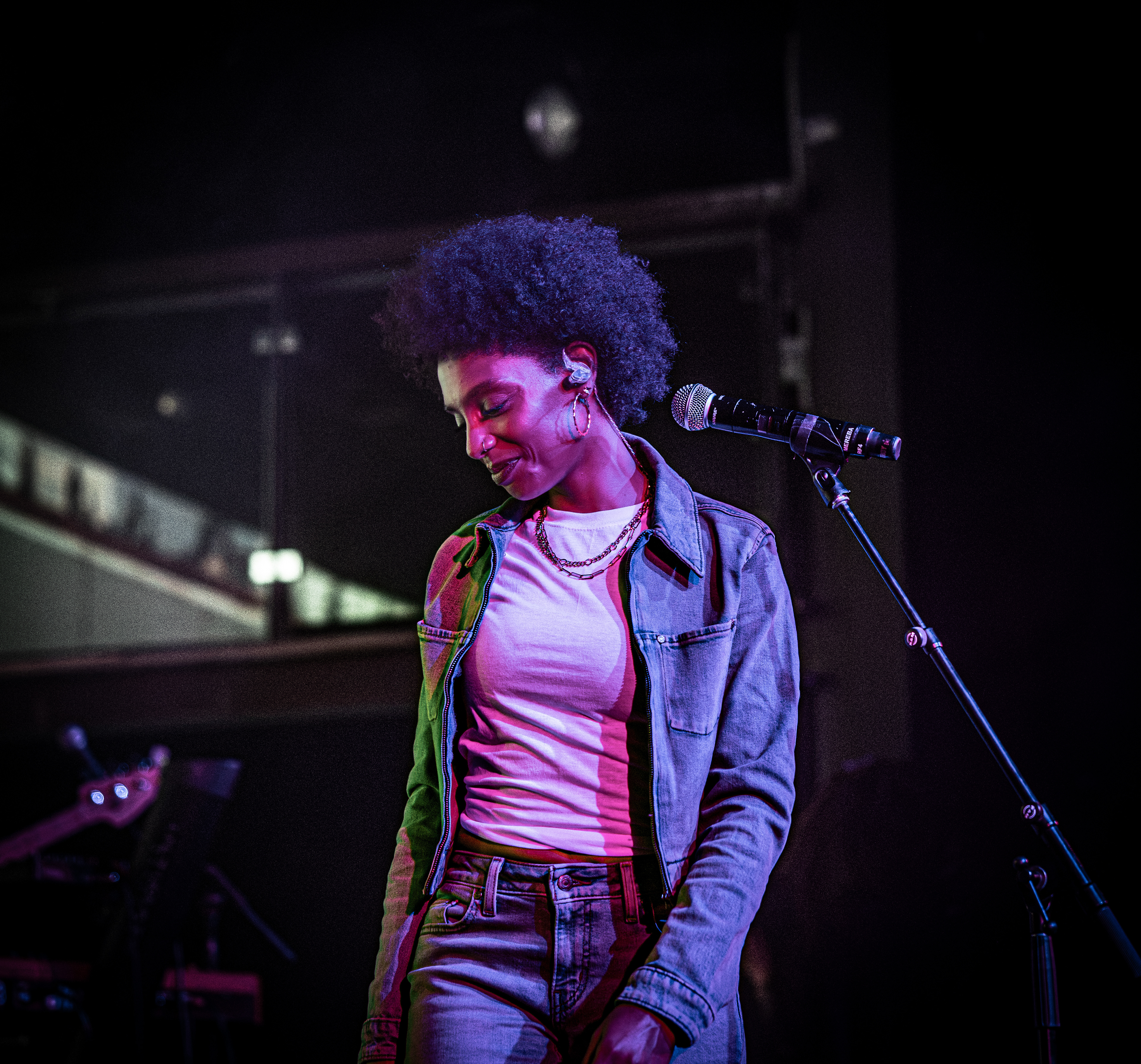
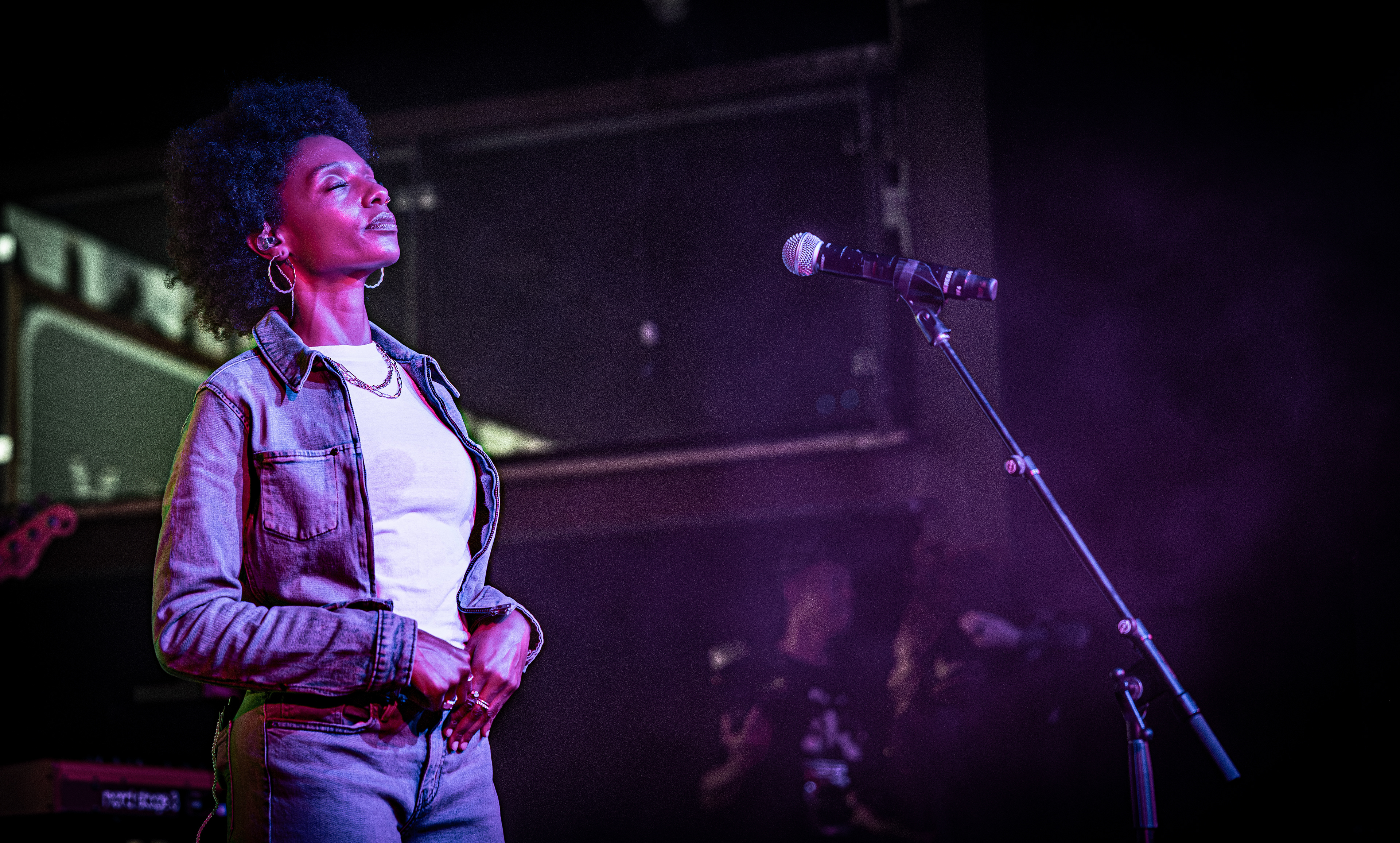
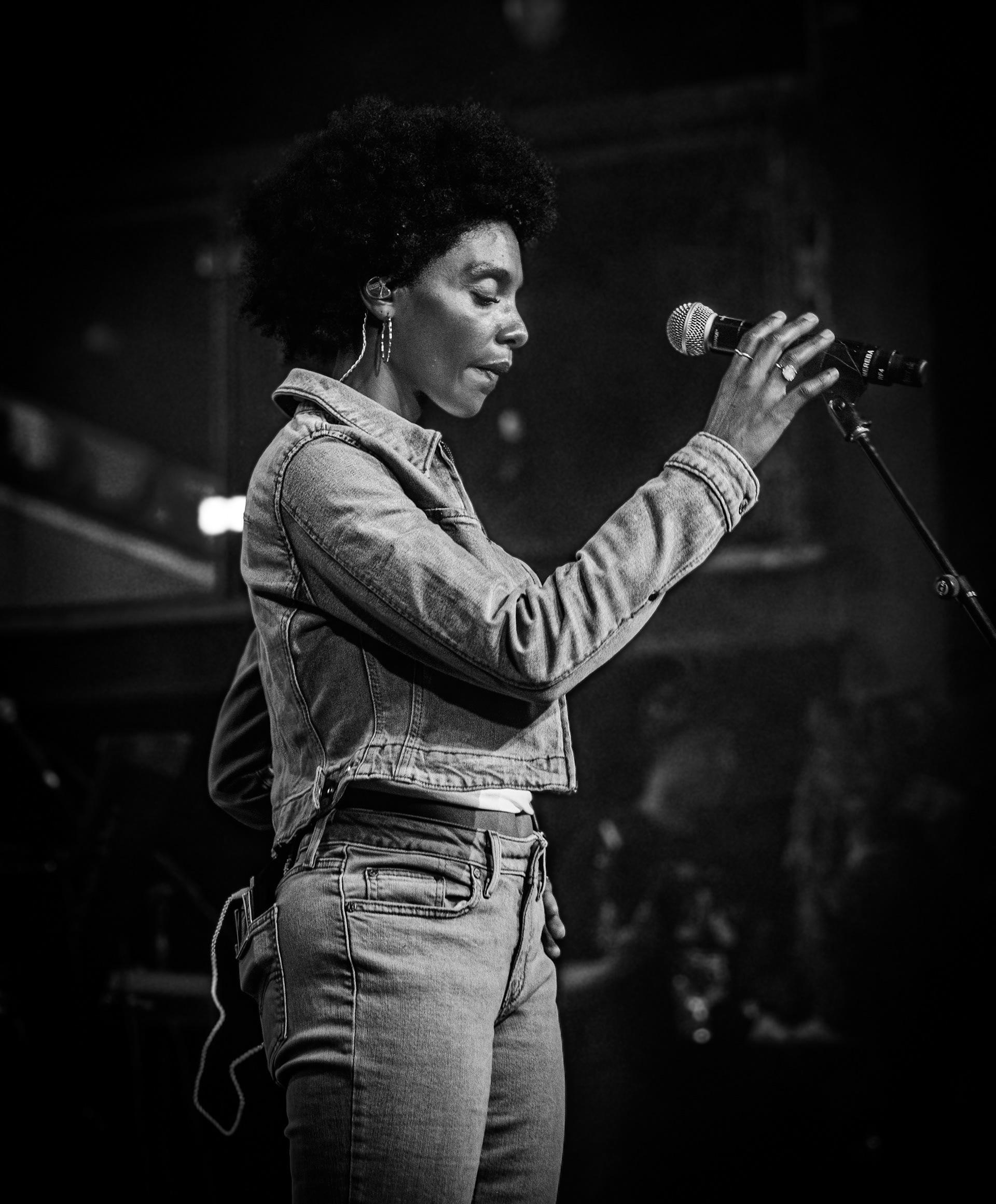
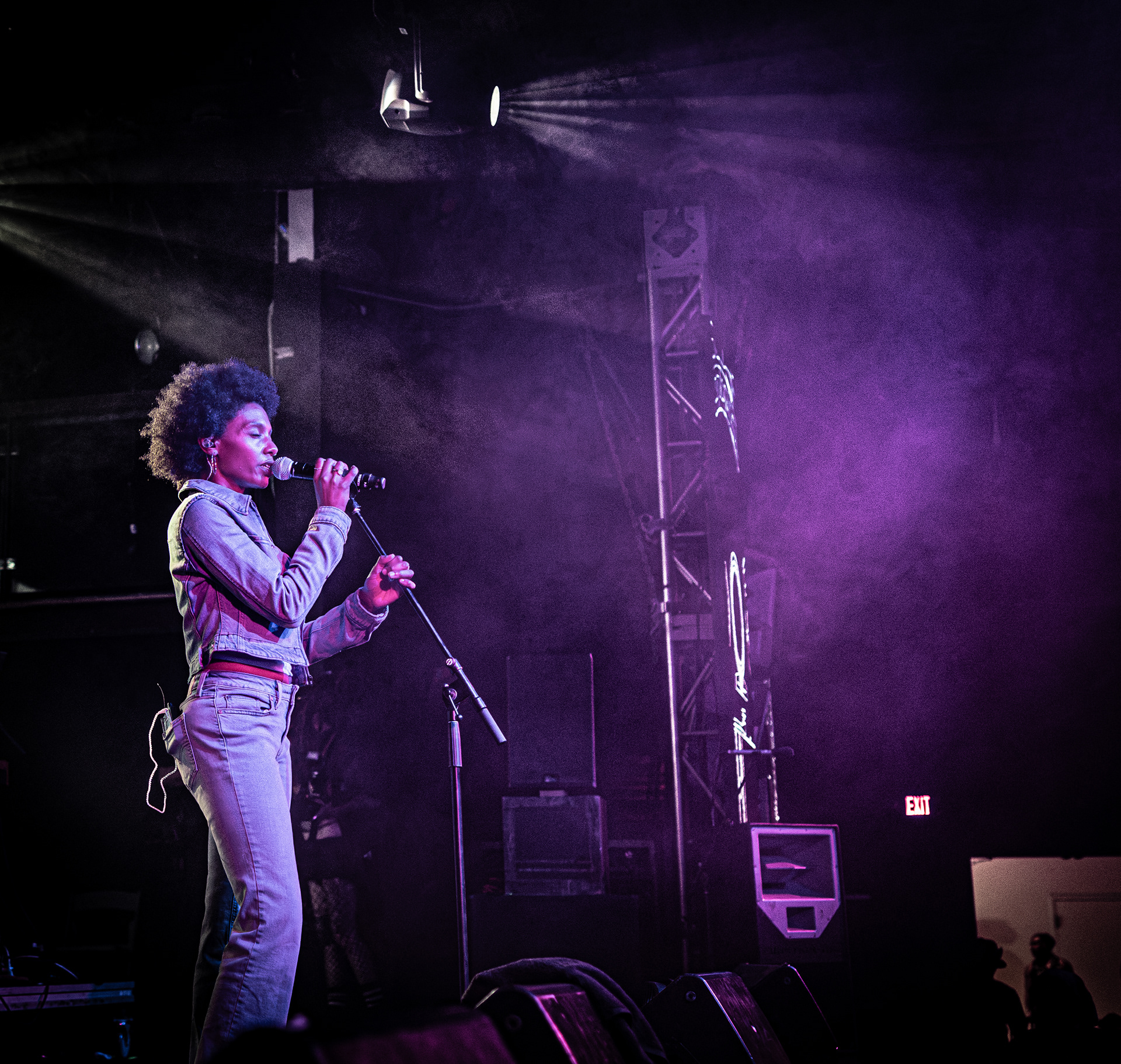
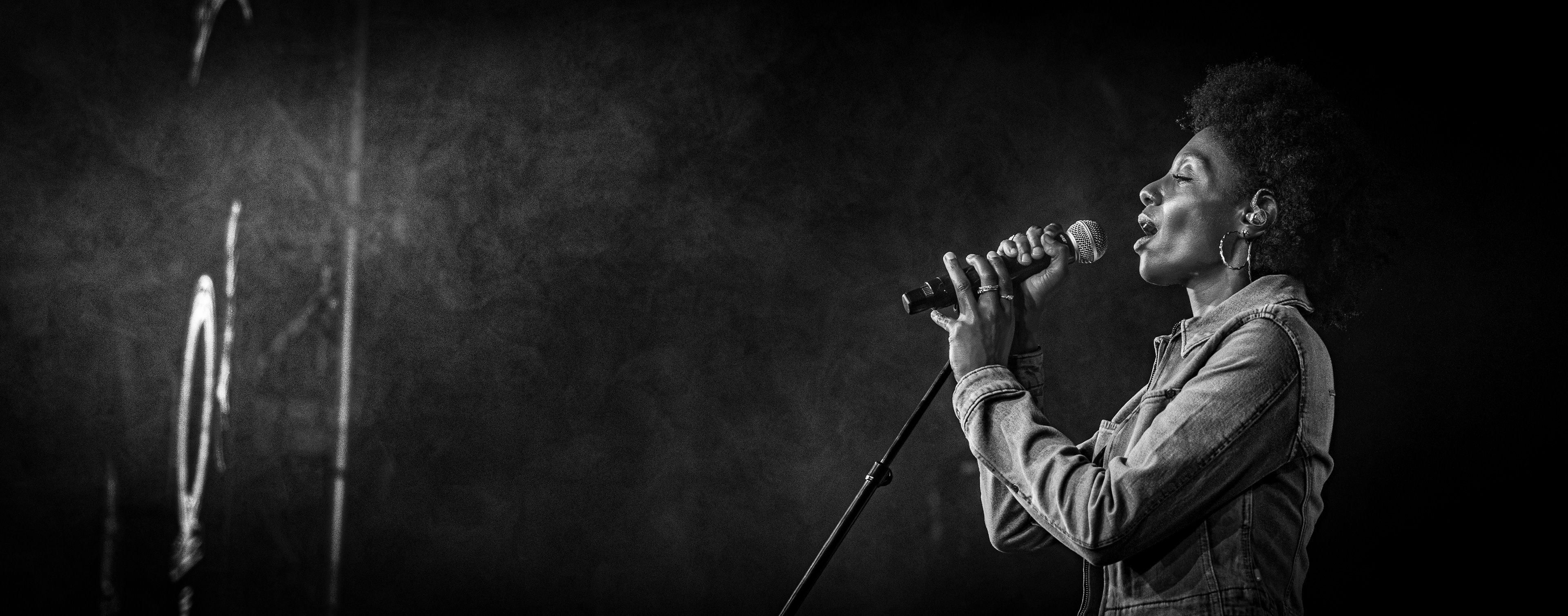
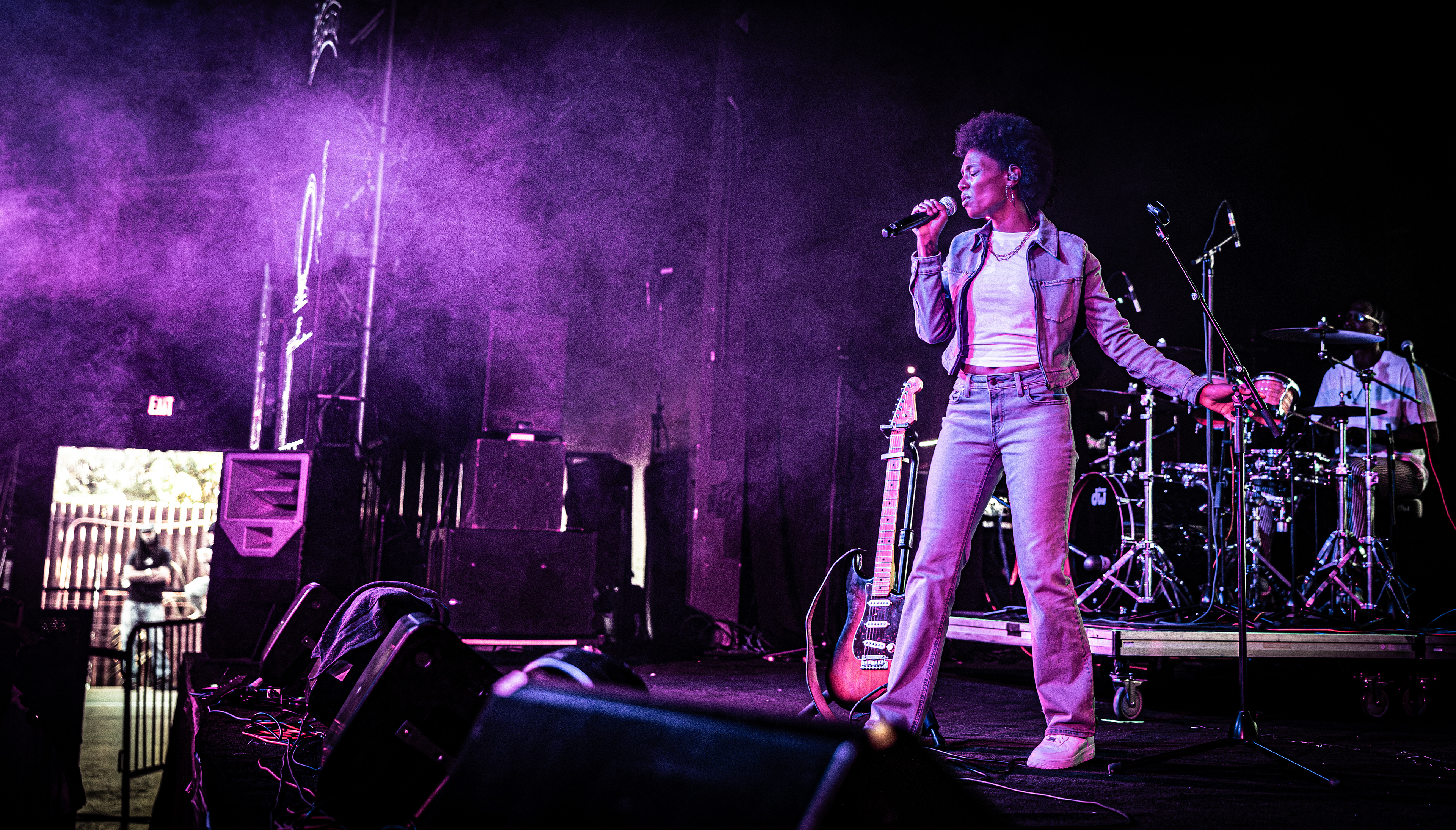
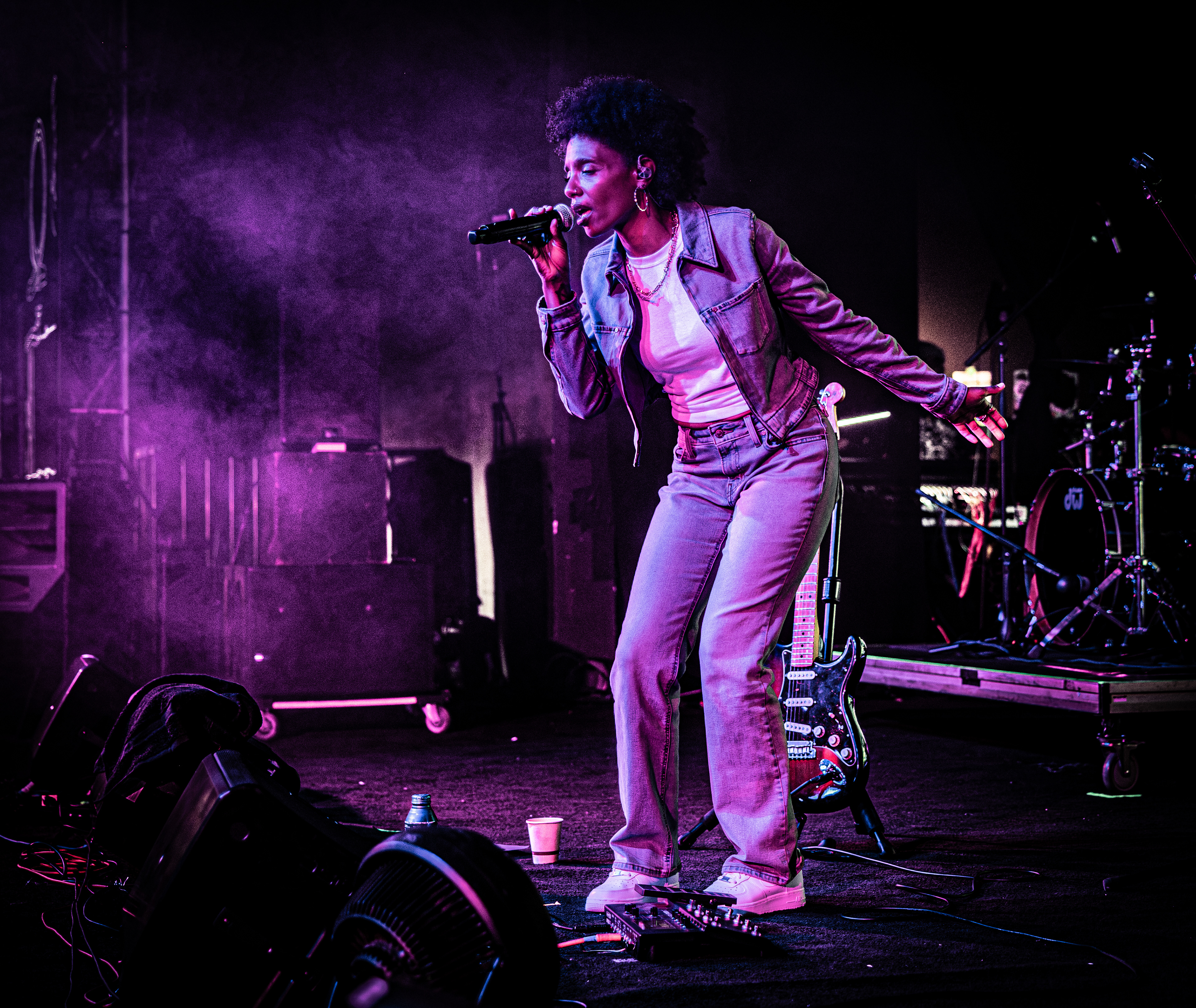
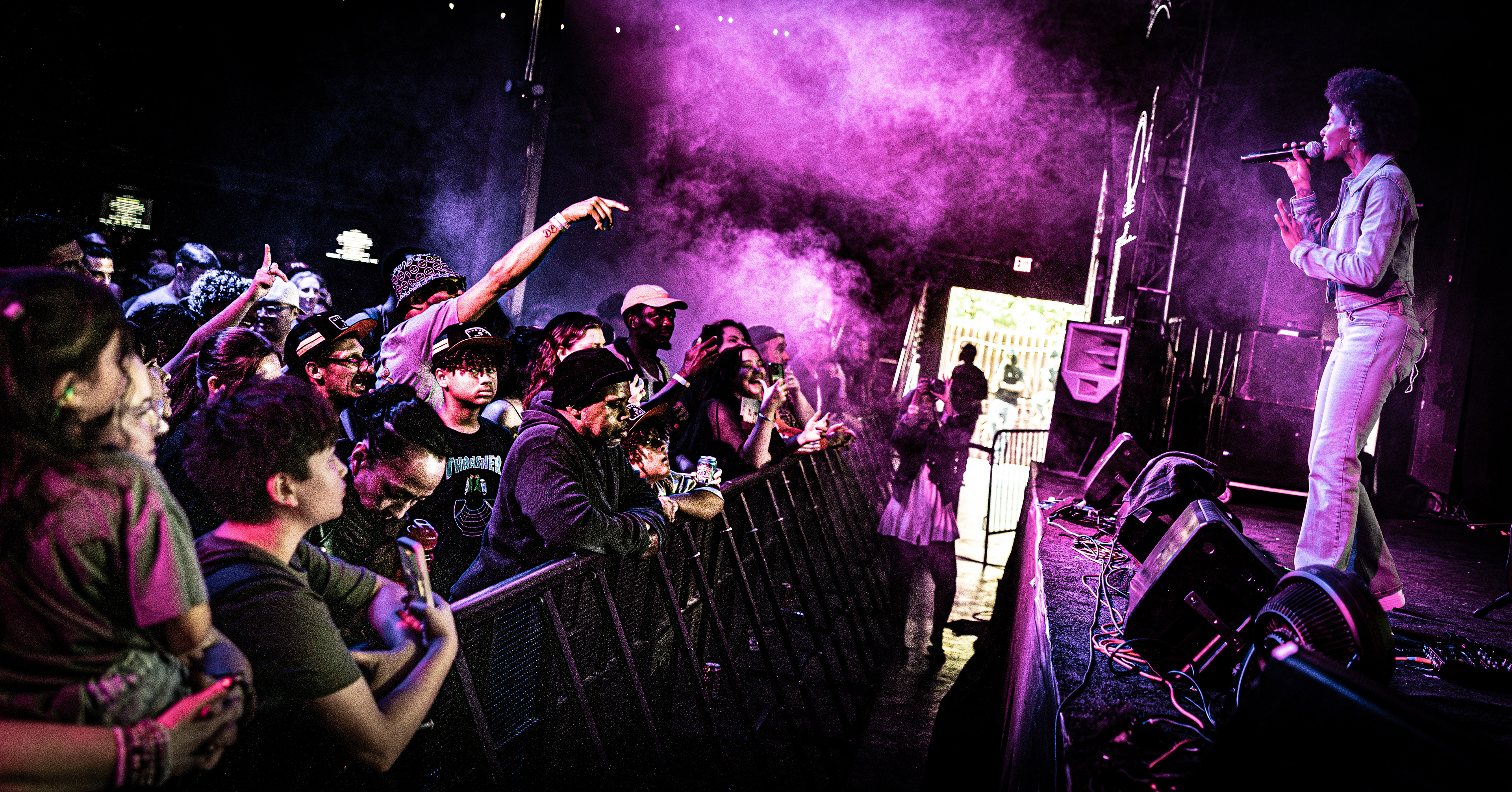
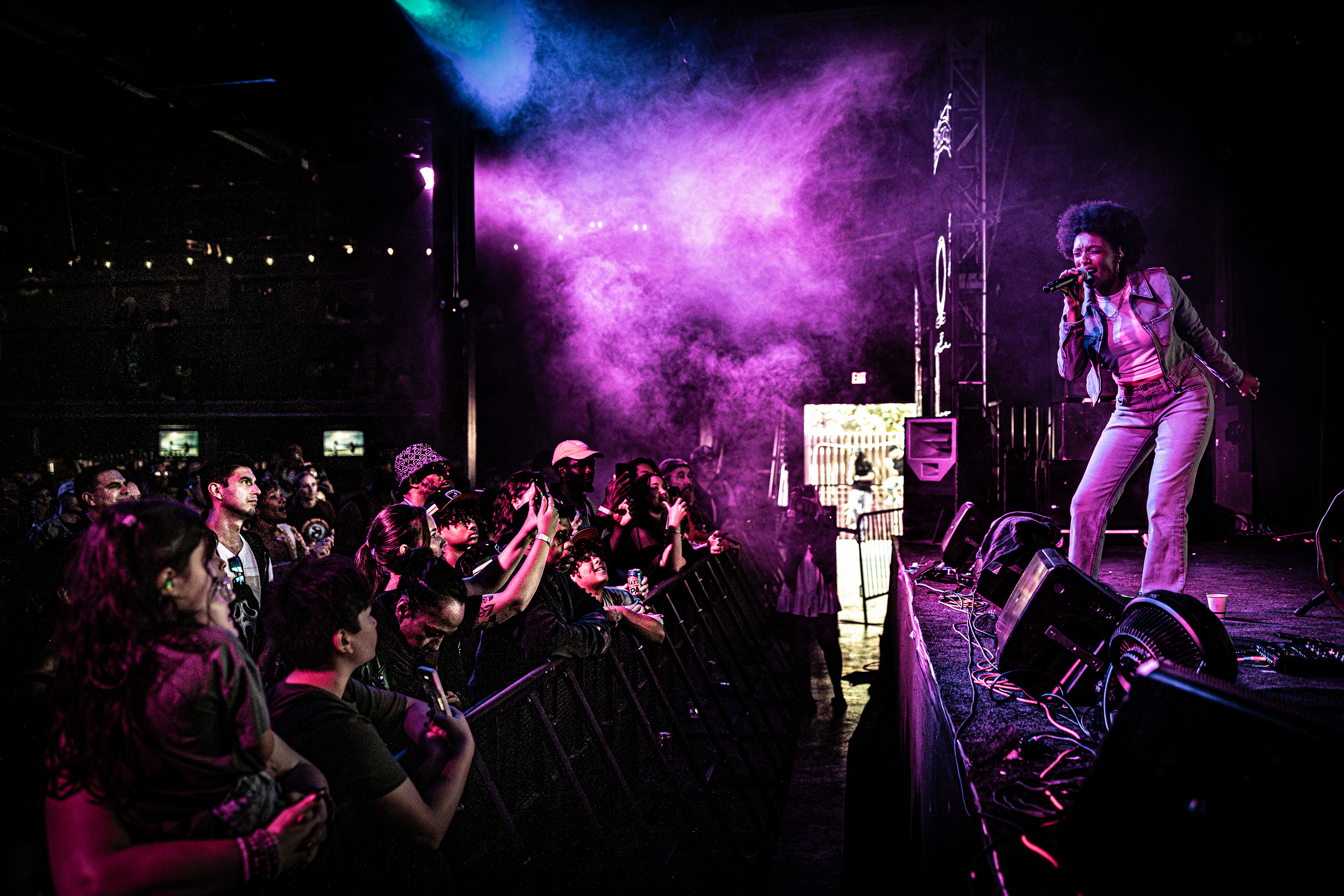
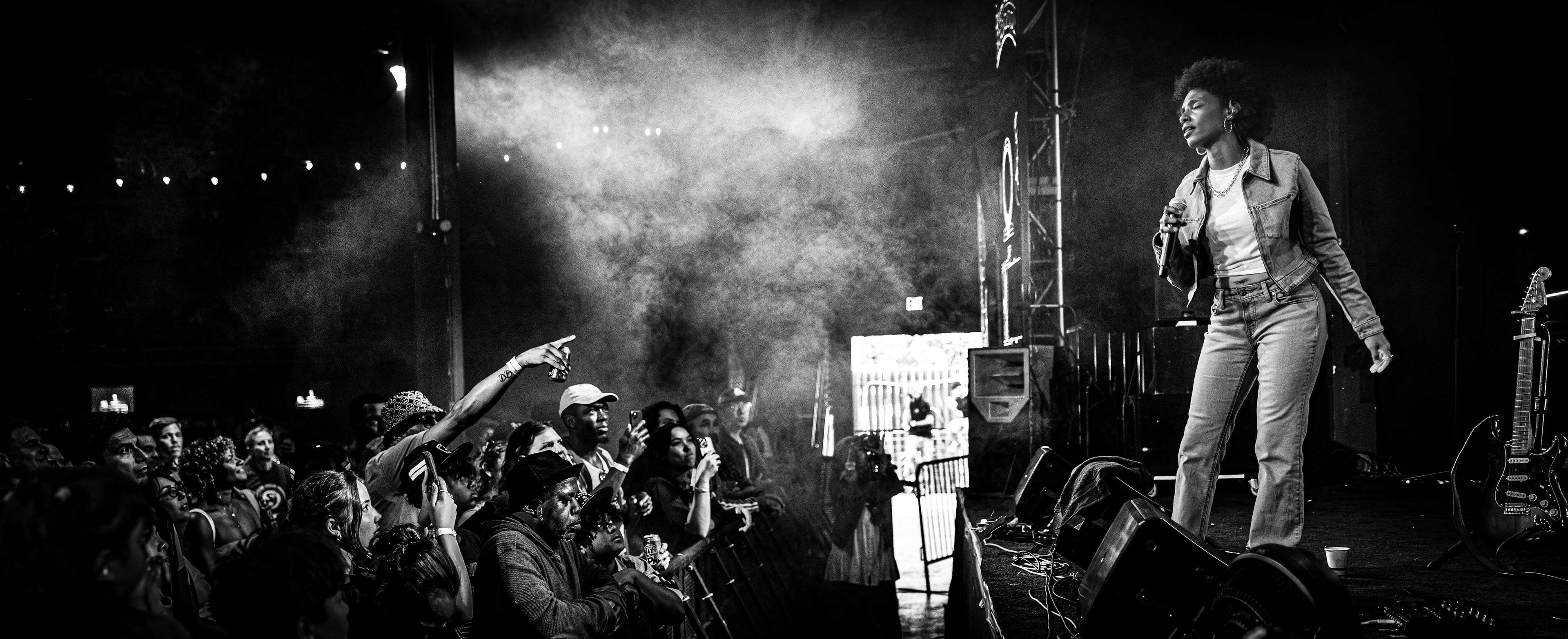
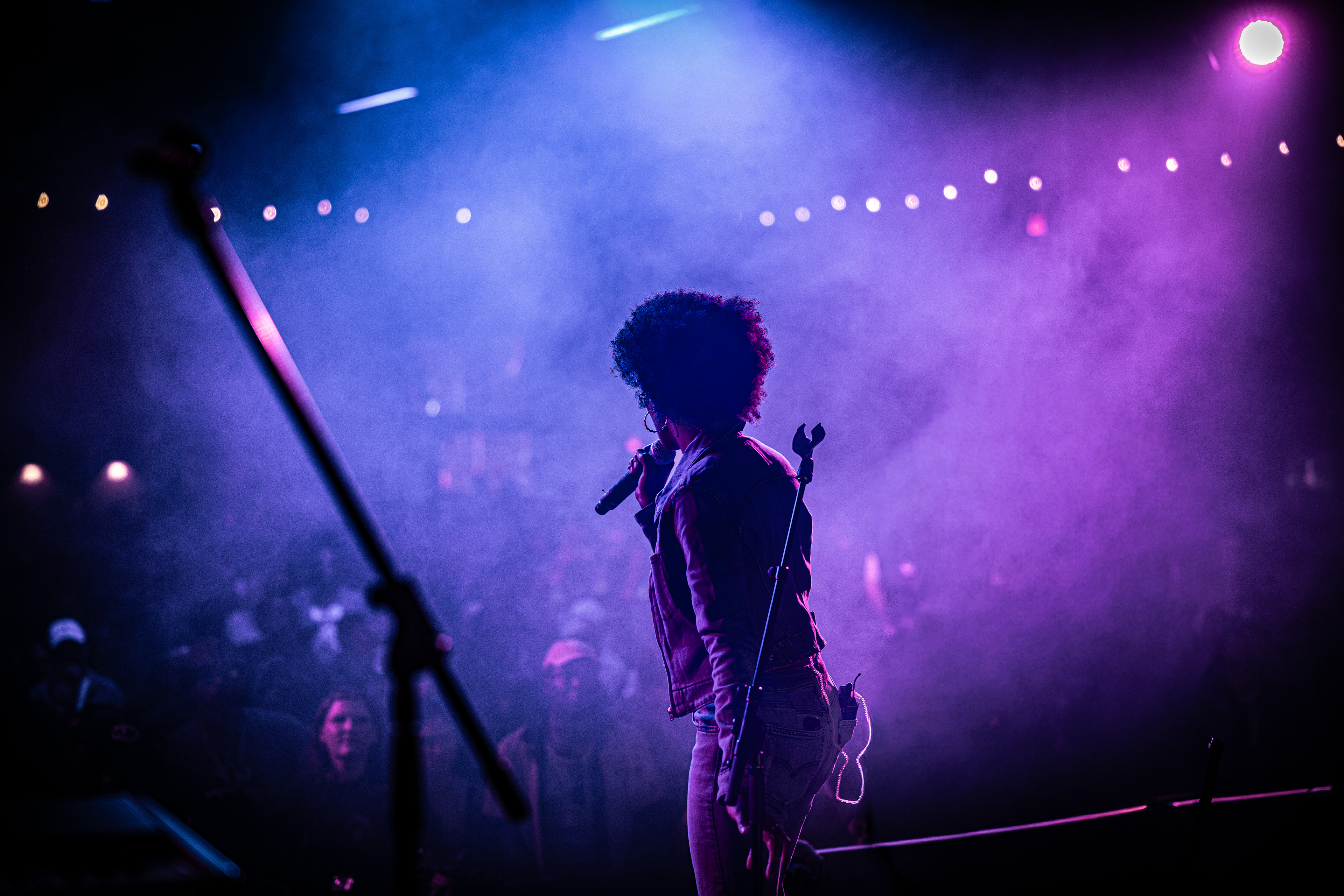
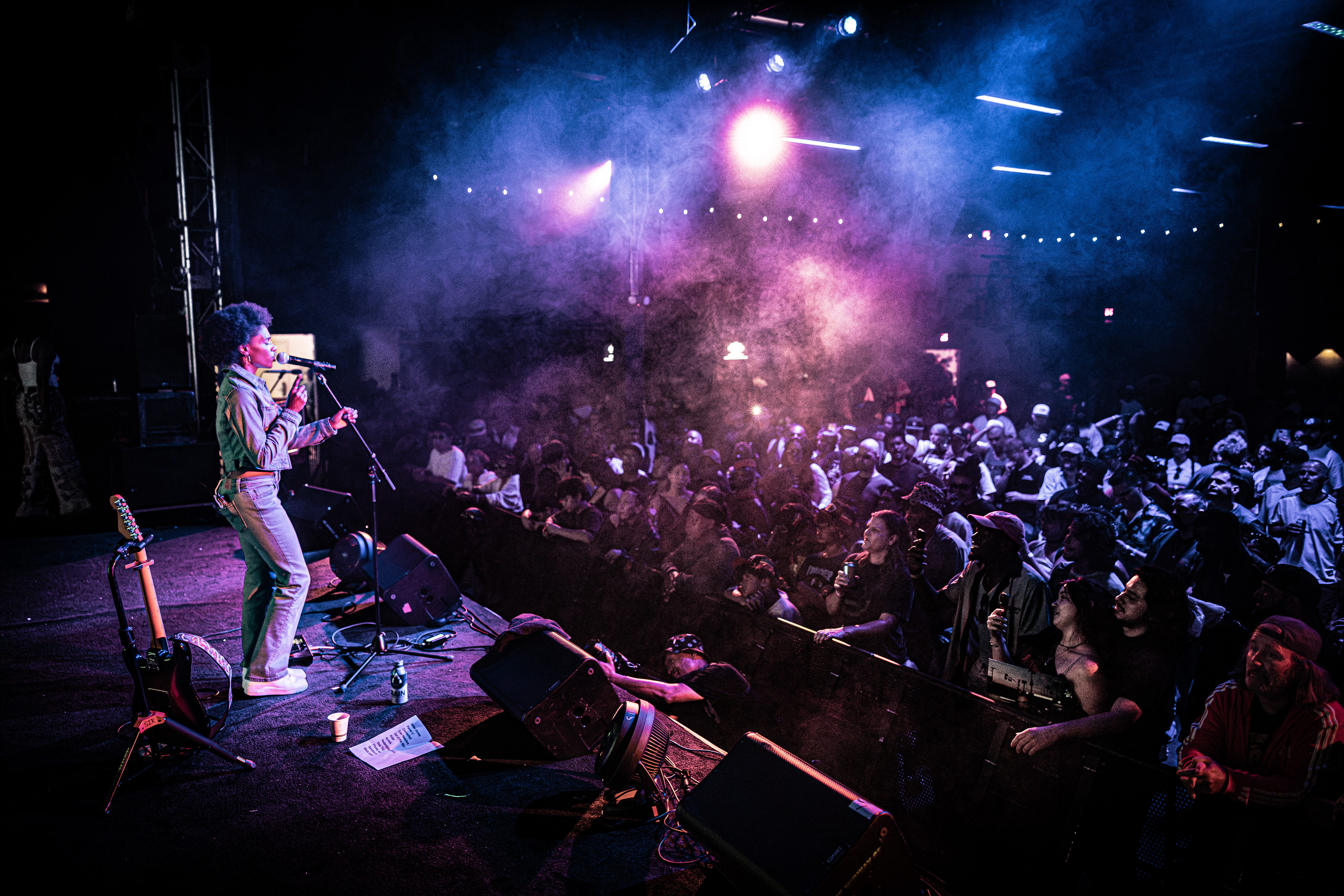
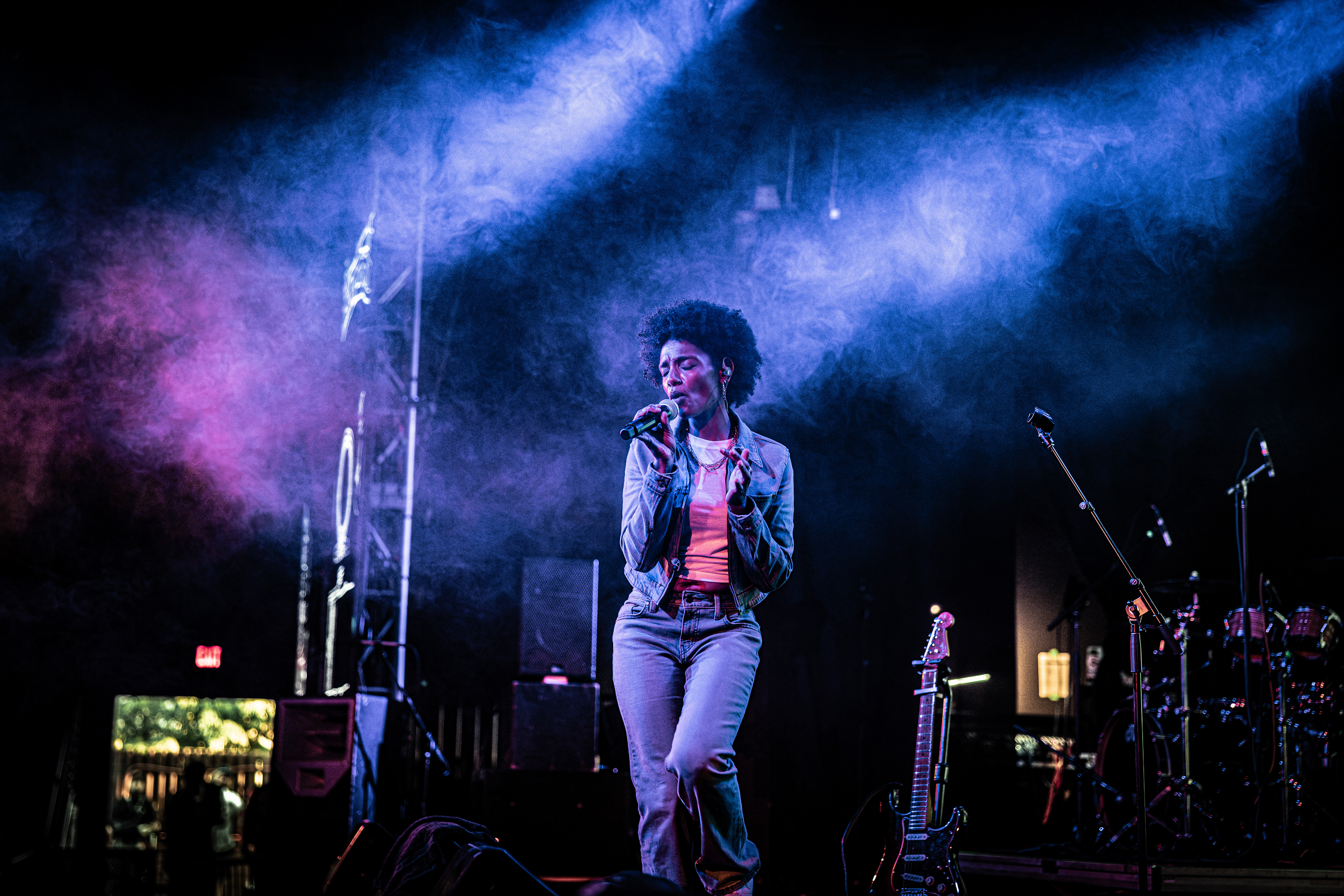
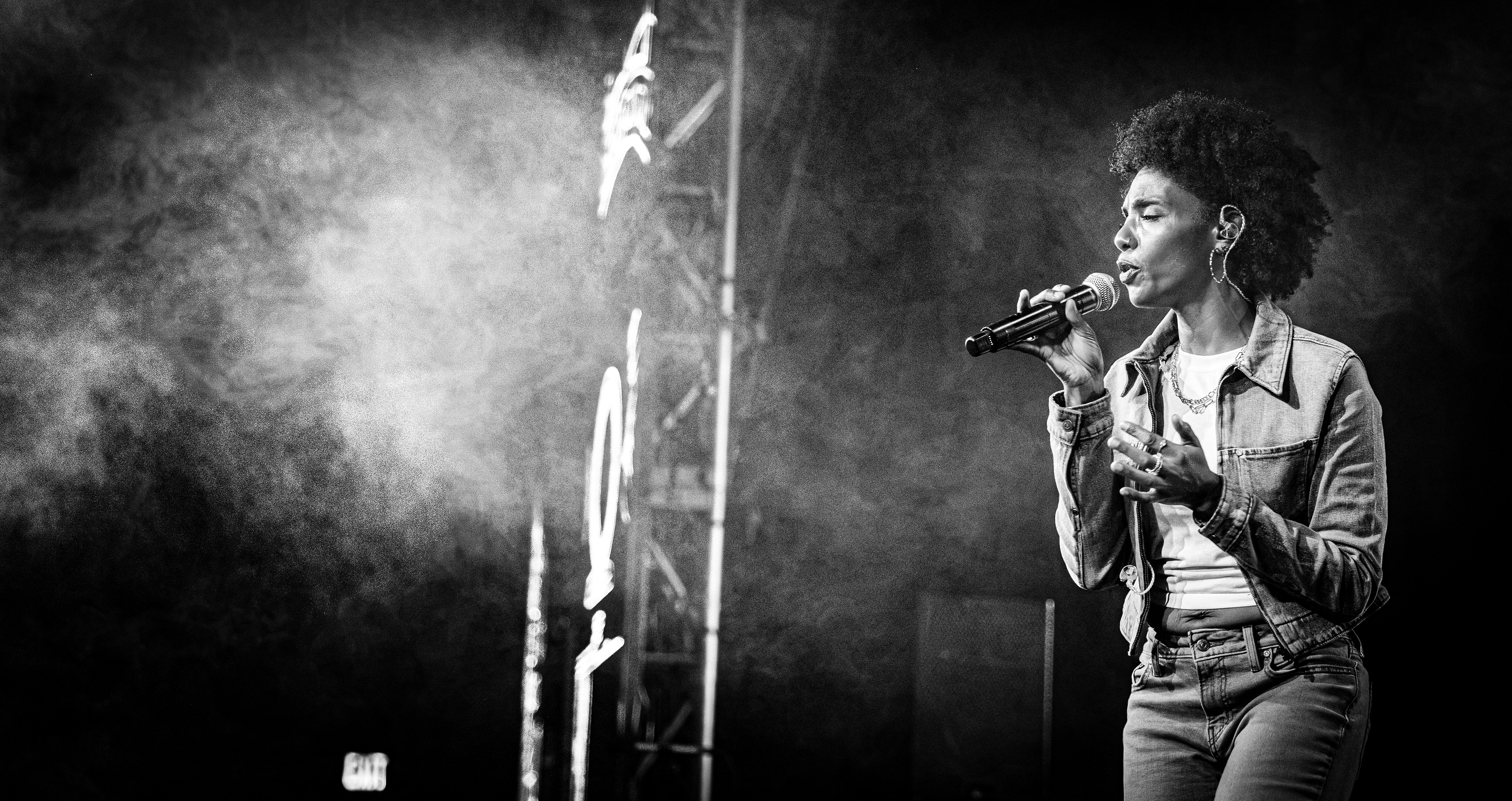
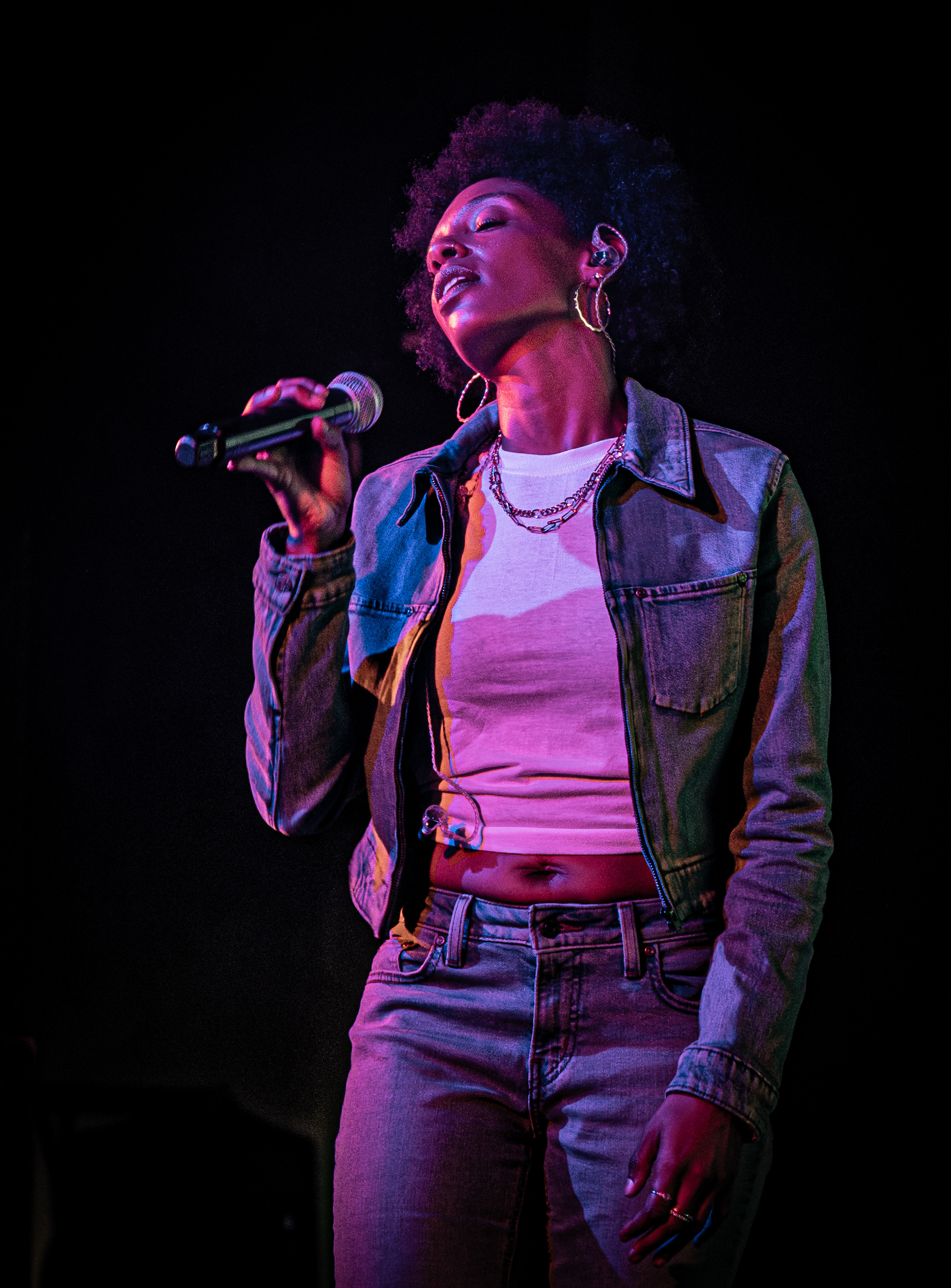
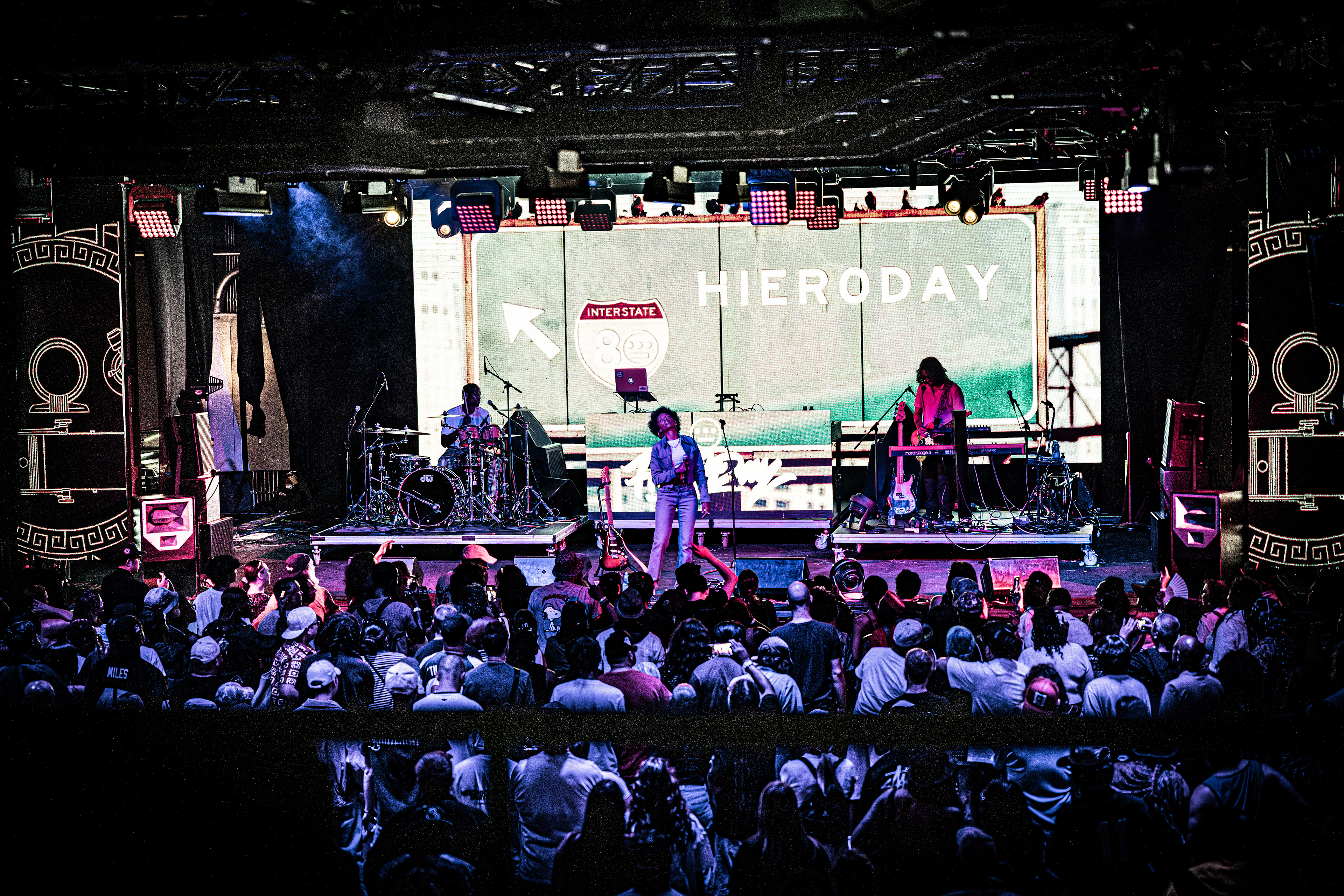
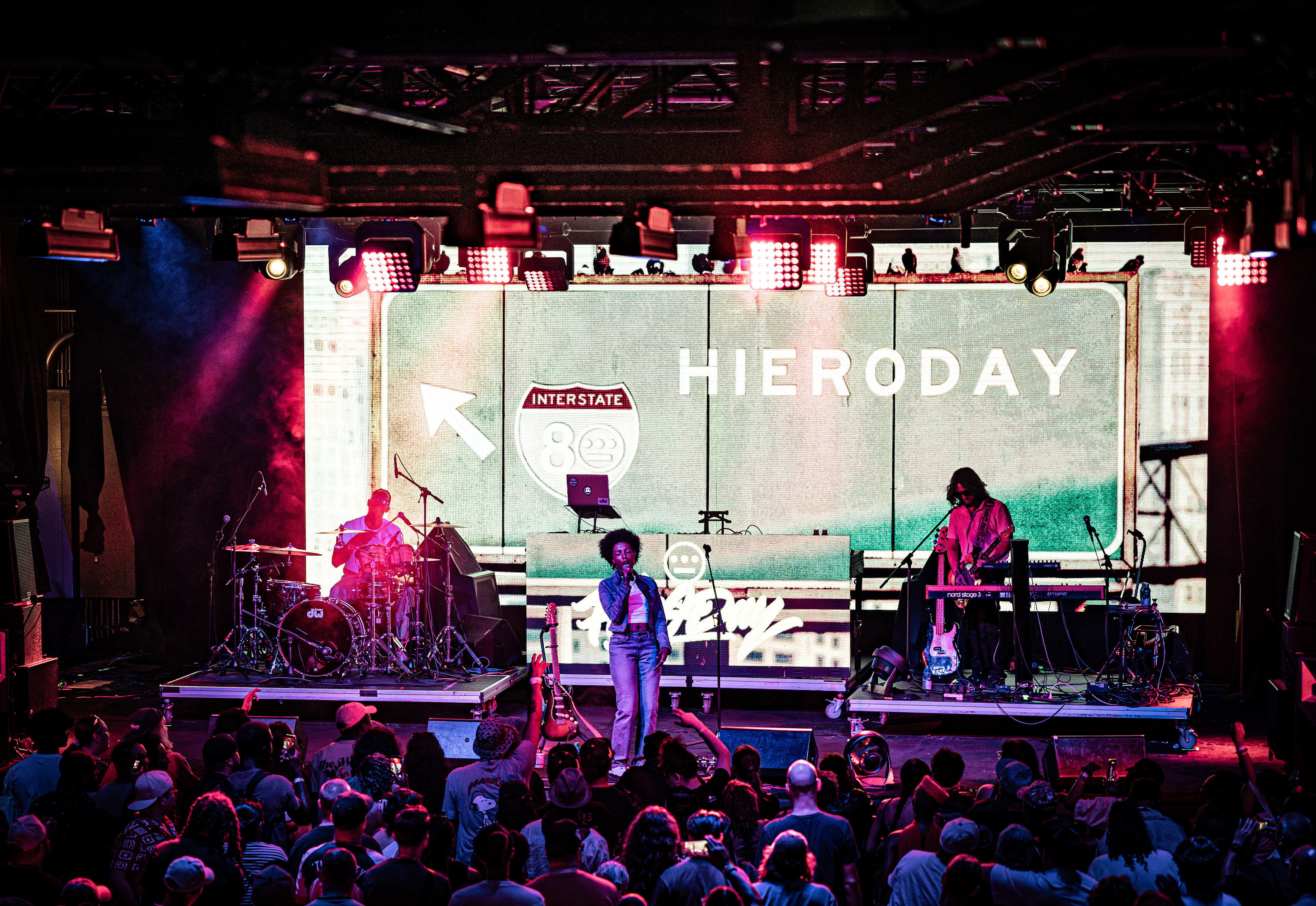
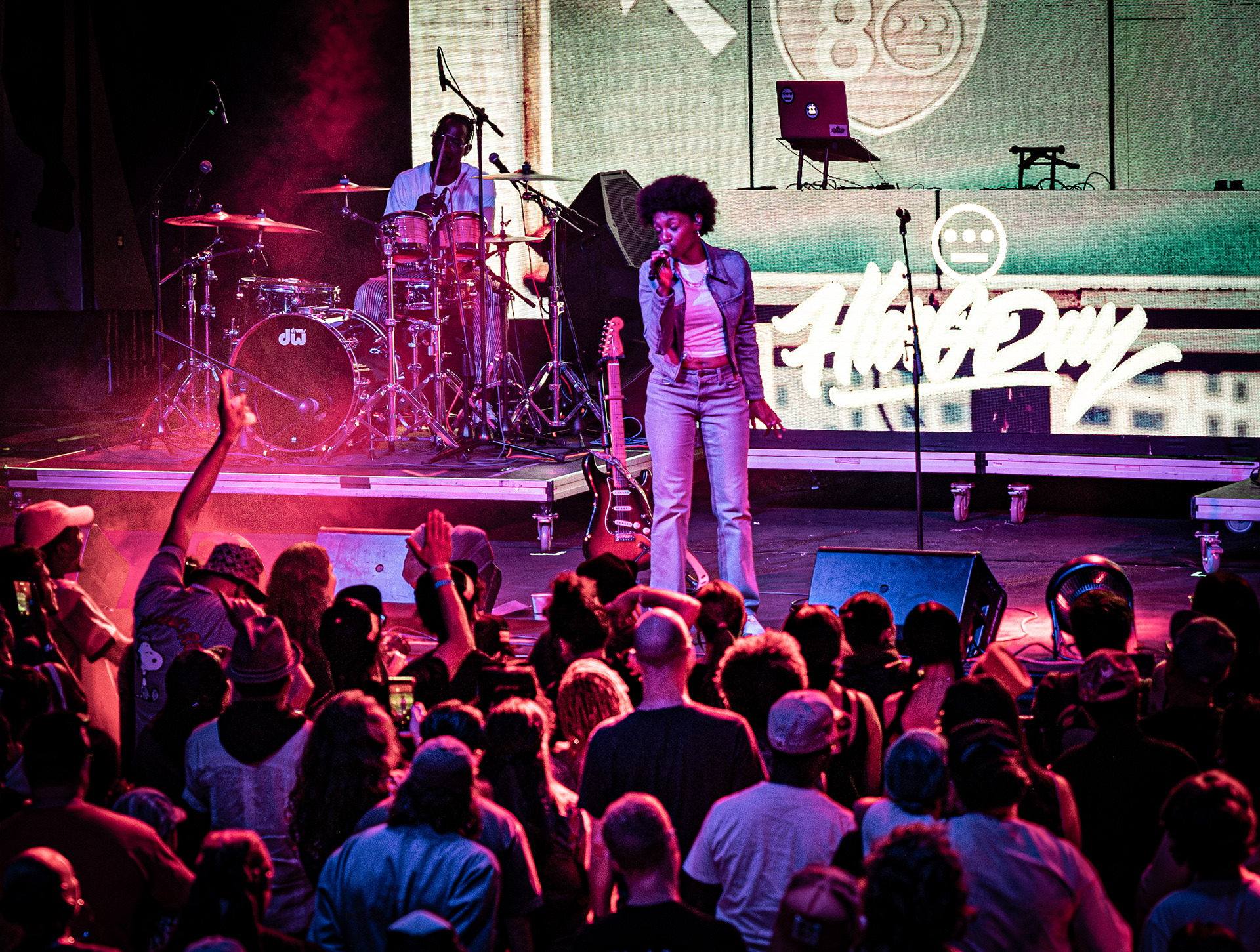
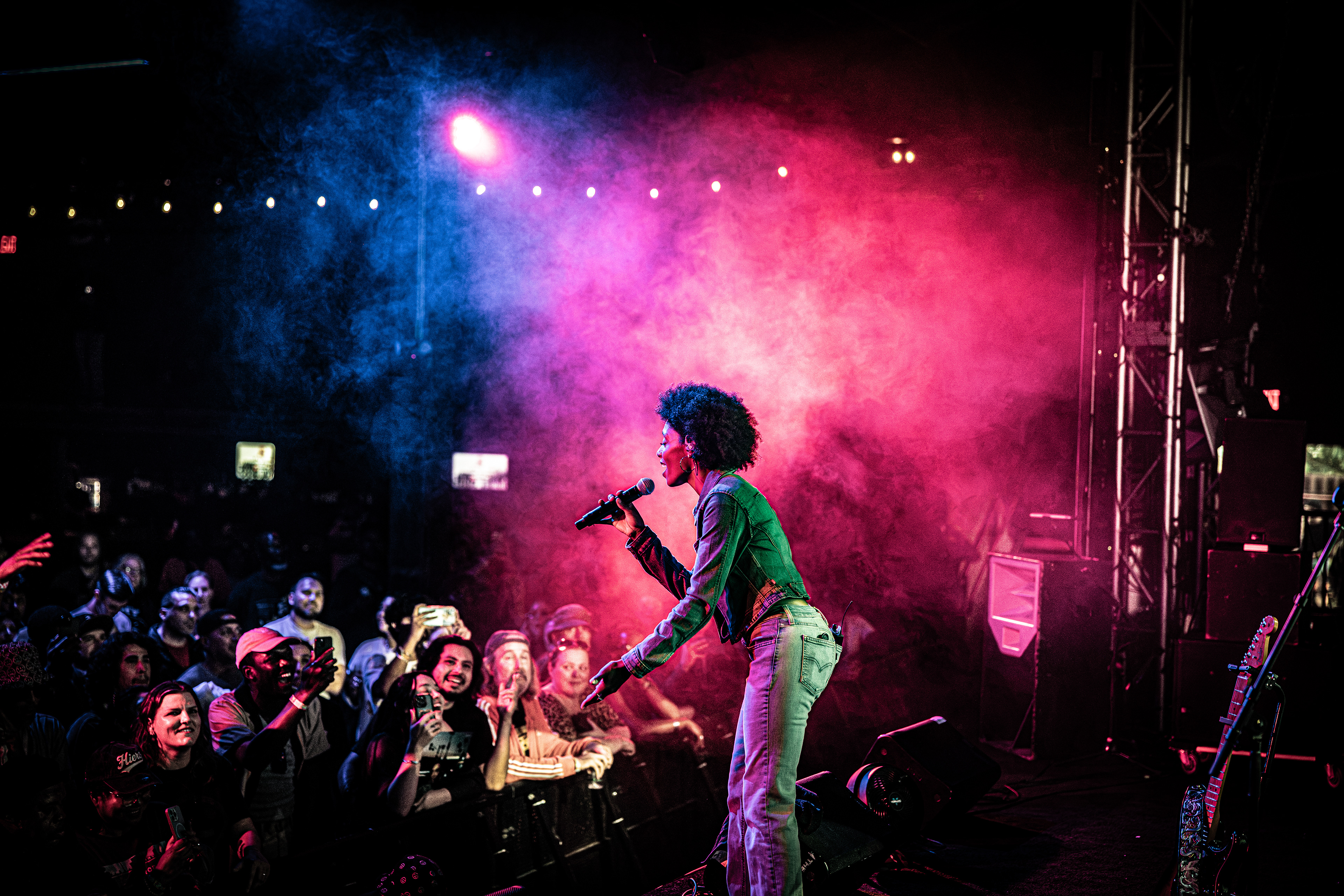
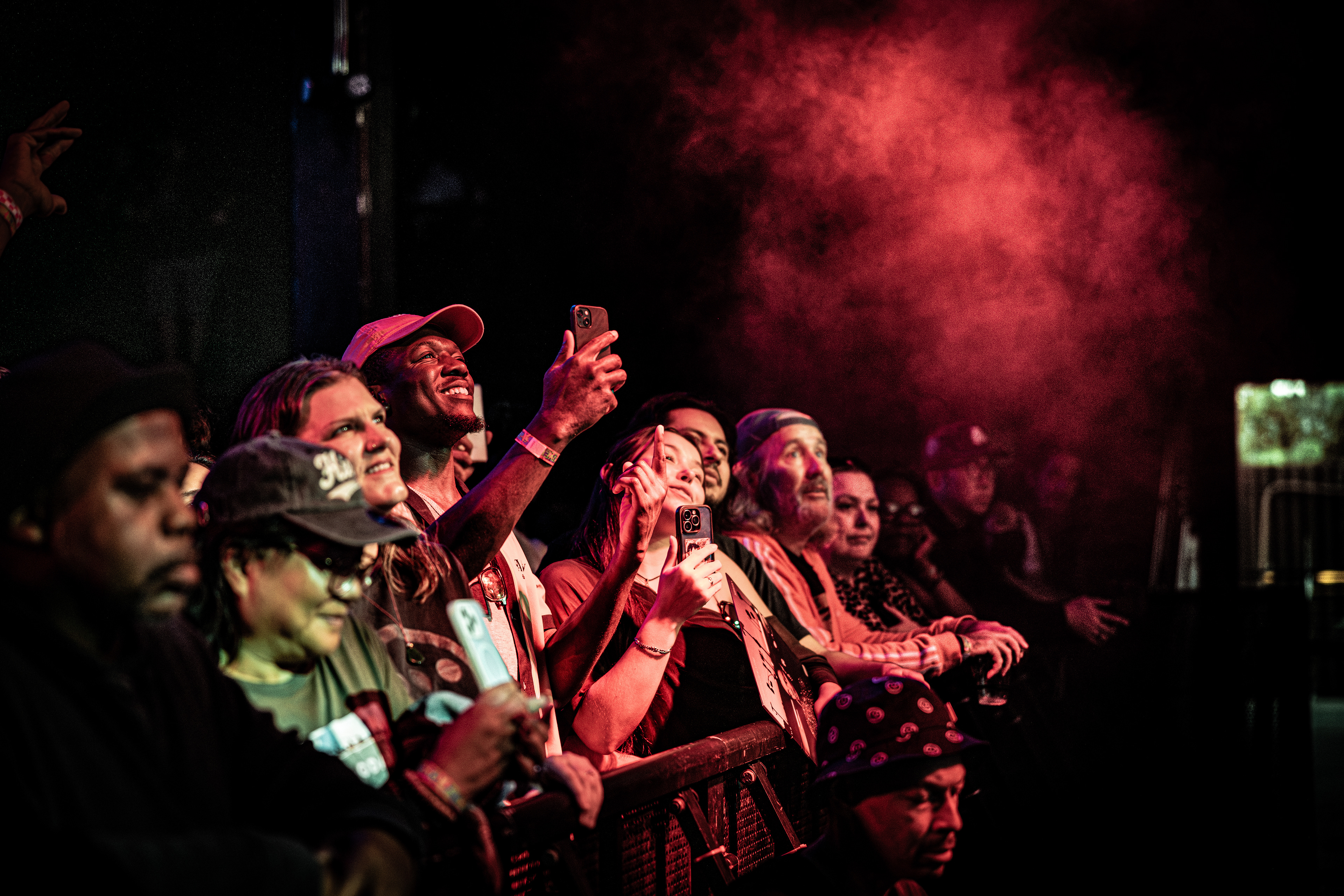
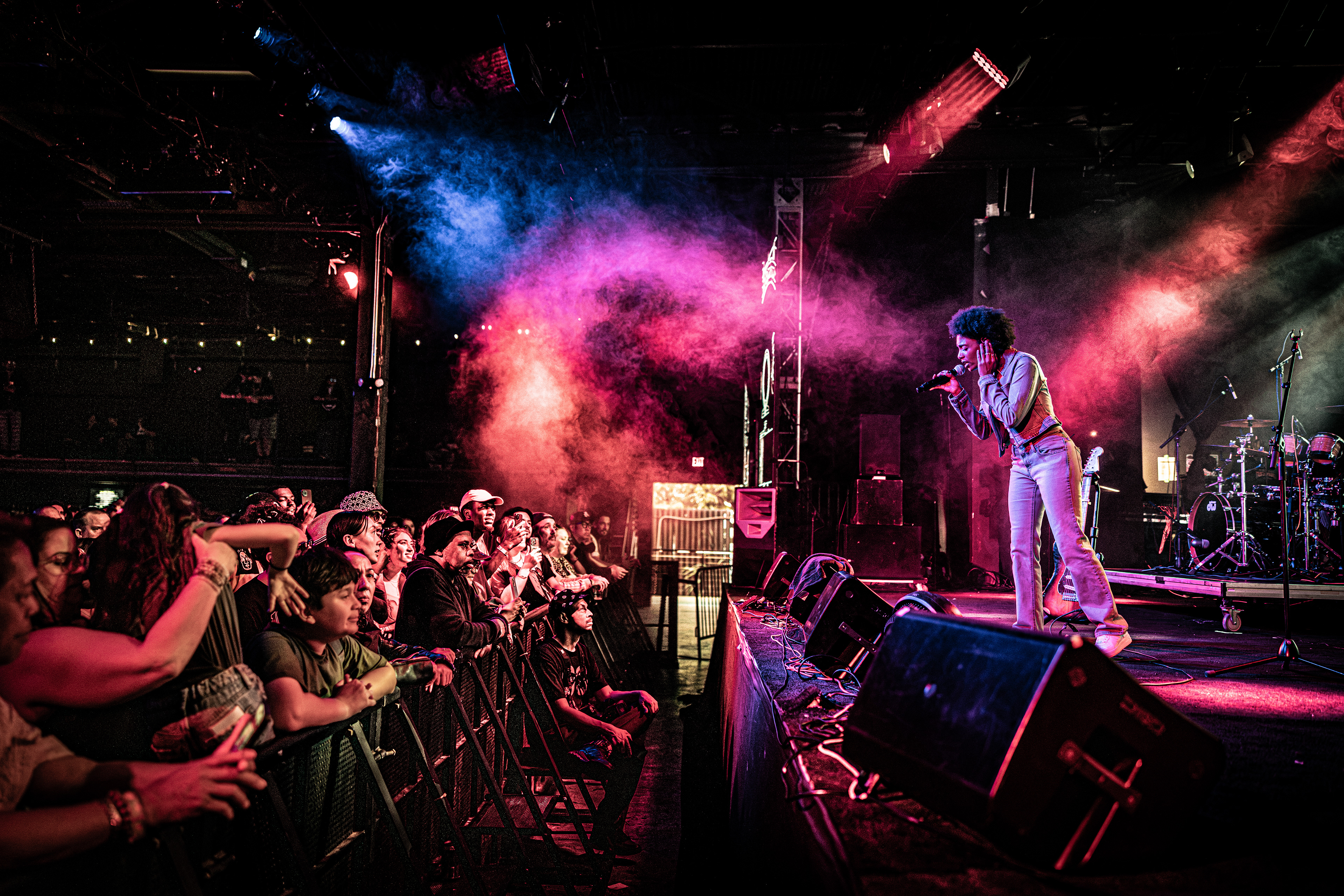
Few modern musicians dissolve borders with the quiet confidence of Marian Azeb Mereba. As a vocalist, producer, poet, and guitarist, she constructs songs that feel both centuries old and completely contemporary, threading raw Appalachian folk picking through the pulse of Atlanta hip-hop and East African melody.Mereba’s eclectic ear grew out of a roving childhood. Born in Alabama to an Ethiopian father and an African-American mother, she moved frequently along the East Coast and Midwest as her parents pursued academic teaching careers. Words and piano came first, filling notebooks with verse and melody before she had reached her teenage years.The turning point for her sound came in Greensboro, North Carolina, where a local folk teacher taught her guitar. Rather than standard chord progressions, she was drawn to open-air fingerpicking, rustic ballads, and the unvarnished protest traditions of Southern blues and folk. After a brief stint at Carnegie Mellon, she transferred to Atlanta’s Spelman College to study English, an environment that deepened both her literary instincts and her connection to Black Southern culture.Following graduation in 2011, Mereba threw herself into Atlanta's fiercely creative underground. She drifted effortlessly across the city's fragmented scenes, sharing bills with spoken-word poets, indie-rock outfits, and basement rap collectives.That fluidity found an artistic family in Spillage Village, a collective formed around Earthgang and JID. As one of its core voices, Mereba brought a textured warmth to the crew's hard-hitting, surreal southern rap. When she self-released her acoustic-soul debut is this EP, Room for Living, in 2013, her reputation as an unclassifiable talent took root. It even captured the attention of Stevie Wonder, who recognized her instinctive musicality and took her under his wing as a mentor.Relocating to Los Angeles to self teach audio engineering on Ableton, Mereba emerged with a refined sound that landed her a contract with Interscope. Her official breakthrough came in 2019 with her debut studio album, The Jungle Is the Only Way Out.Anchored by tracks like "Planet U" and the 9th Wonder assisted "Black Truck," the record treated genres like suggestions. Mereba would deliver quick-witted, rhythmic rhymes on one verse, then glide into layered acoustic harmonies the next. The album earned widespread acclaim, opening doors to high-profile collaborations like Dreamville’s Revenge of the Dreamers III and Spillage Village’s 2020 conceptual folk gospel record Spilligion.In 2021, Mereba released the introspective EP AZEB and gave birth to her son, a transition that dramatically shifted her creative axis. Where her debut reflected the urgency of weathering life’s chaotic terrain, motherhood shifted her focus toward preservation, tenderness, and generational memory.Signing with independent imprint Secretly Canadian, she delivered her sophomore album, The Breeze Grew a Fire, in February 2025. On songs such as "Counterfeit" and "Heart of a Child" which weaves in traditional Ethiopian string elements Mereba trades survivalist tension for patient, restorative reflection. Rather than chasing mainstream trends, she remains entirely devoted to her own hybrid craft, letting storytelling lead the way.