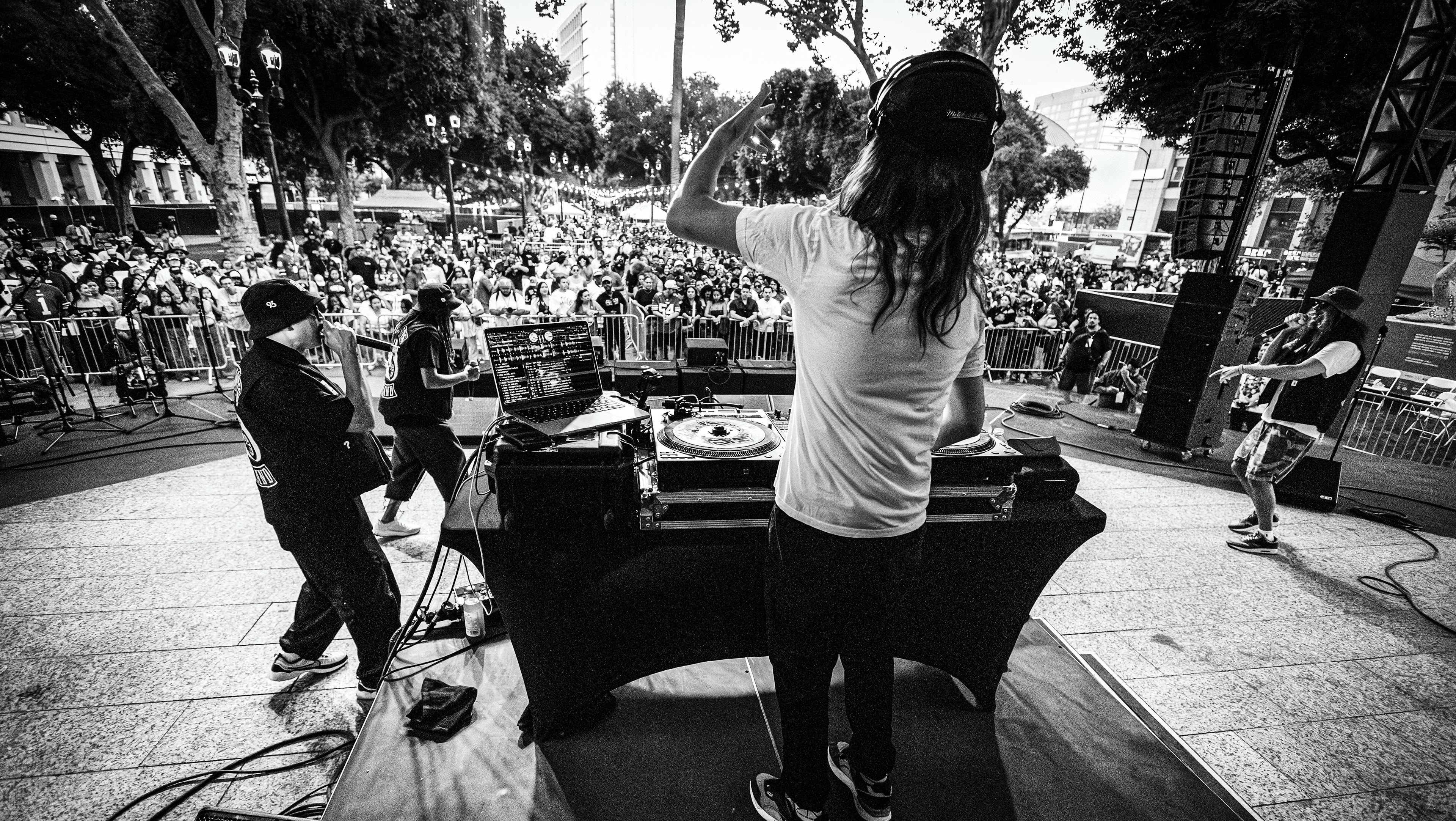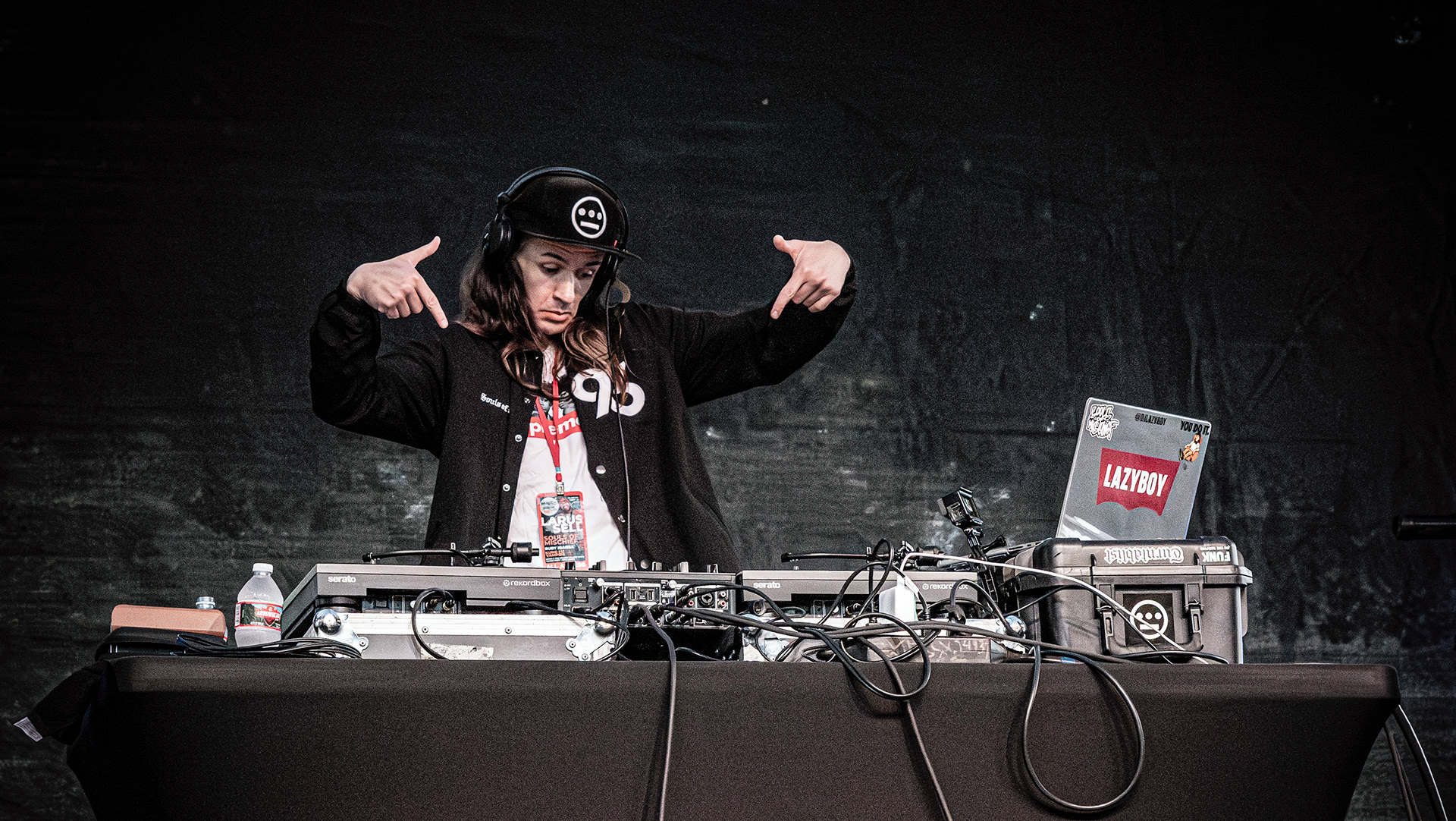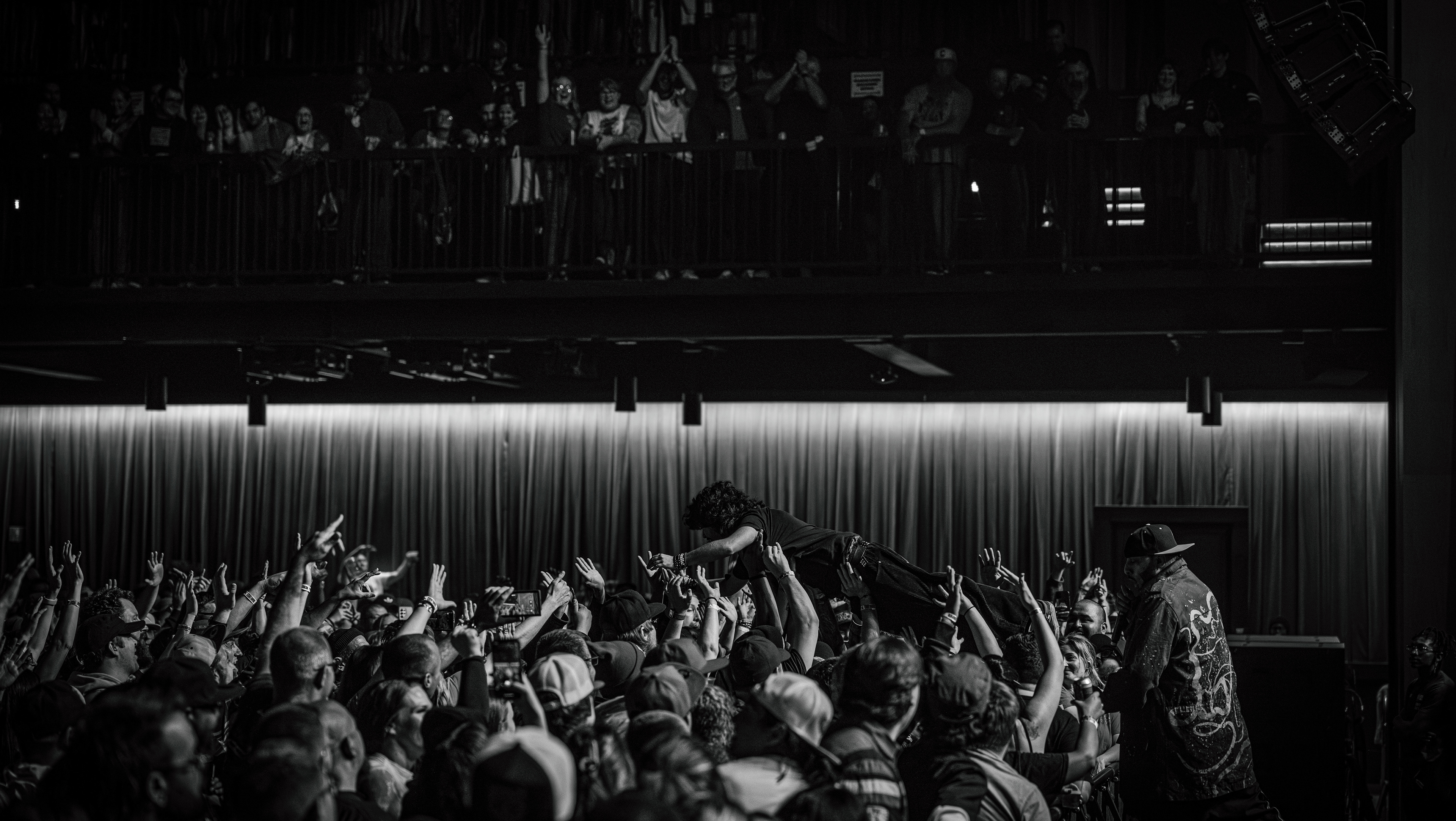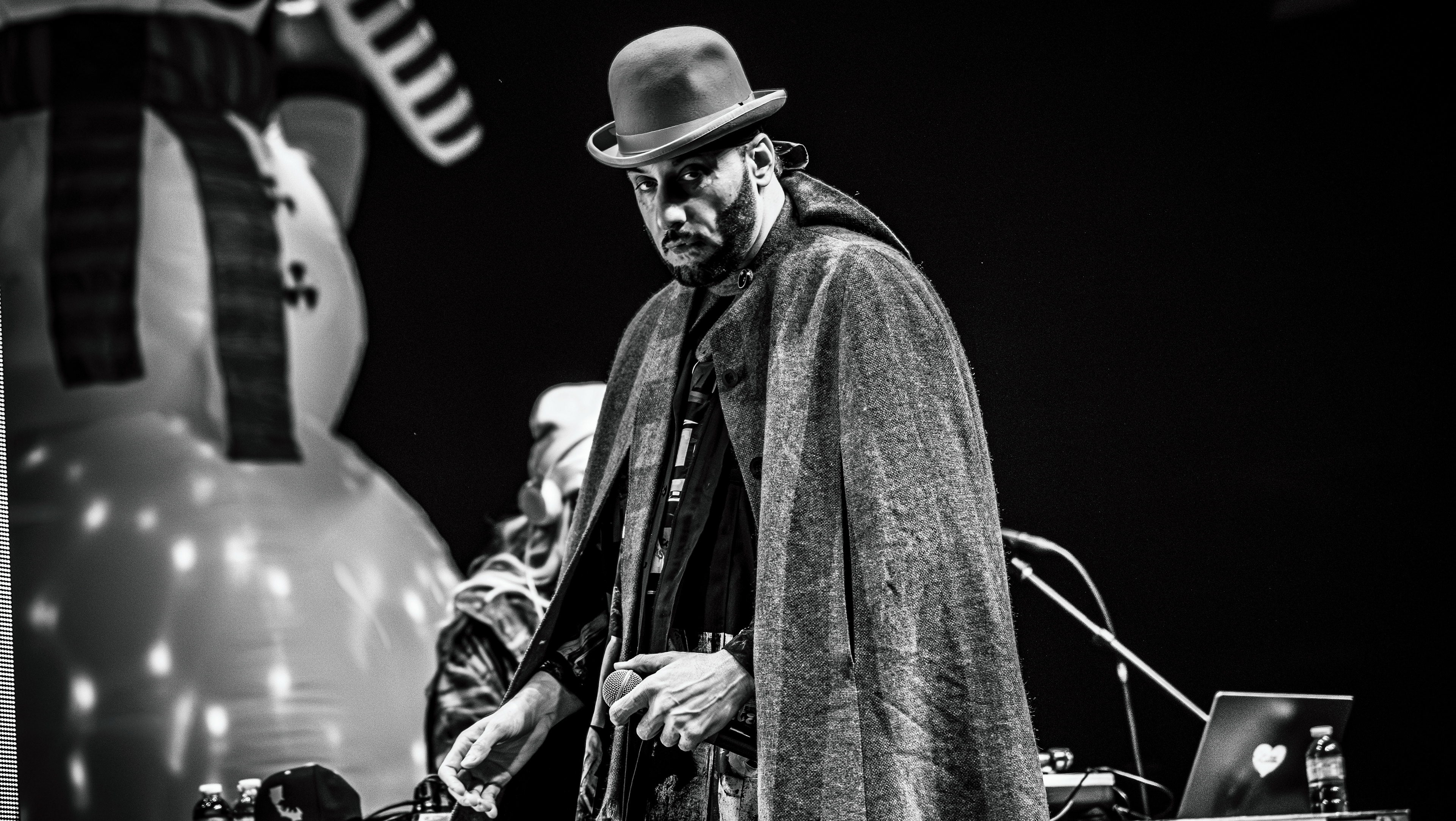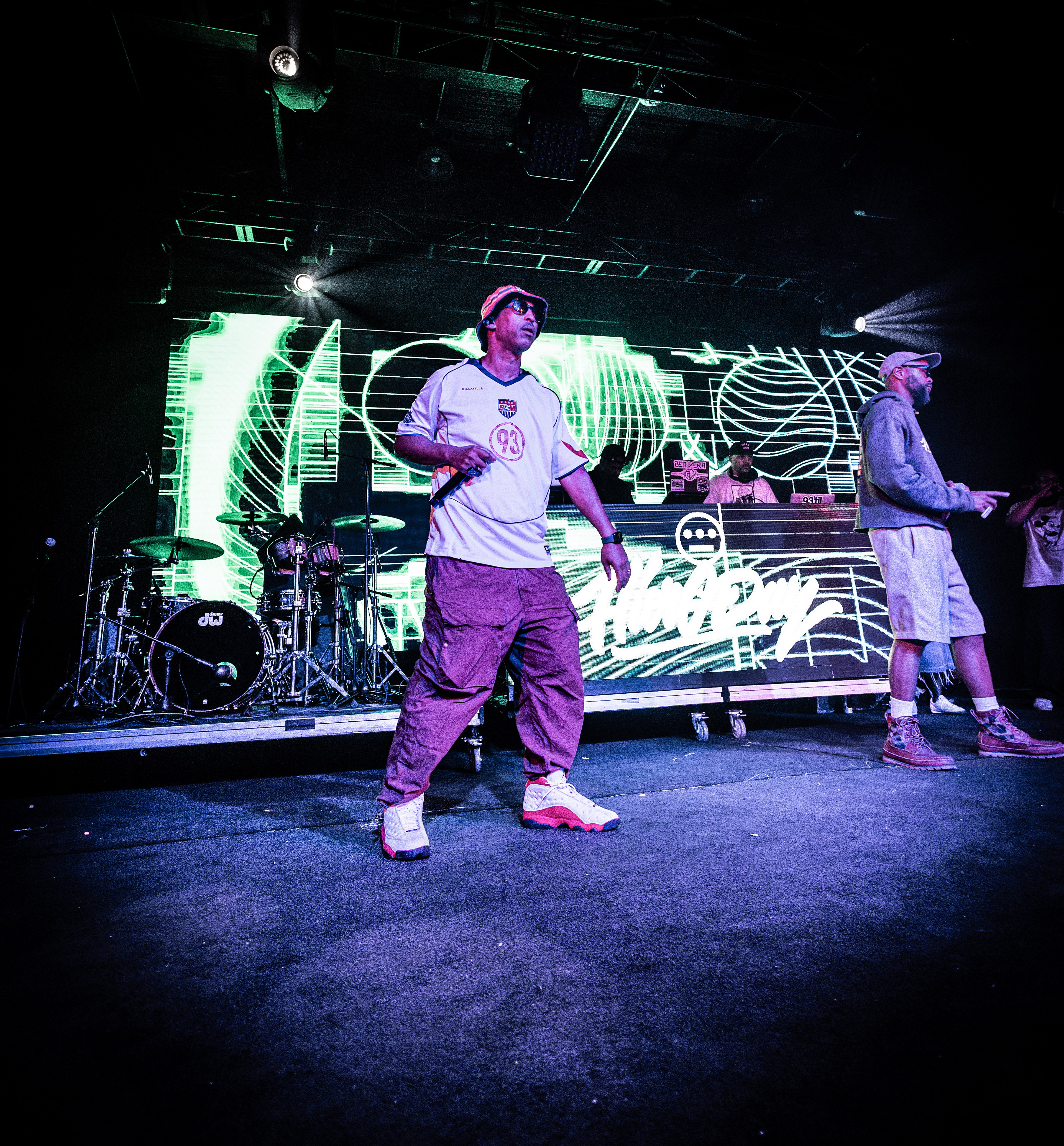
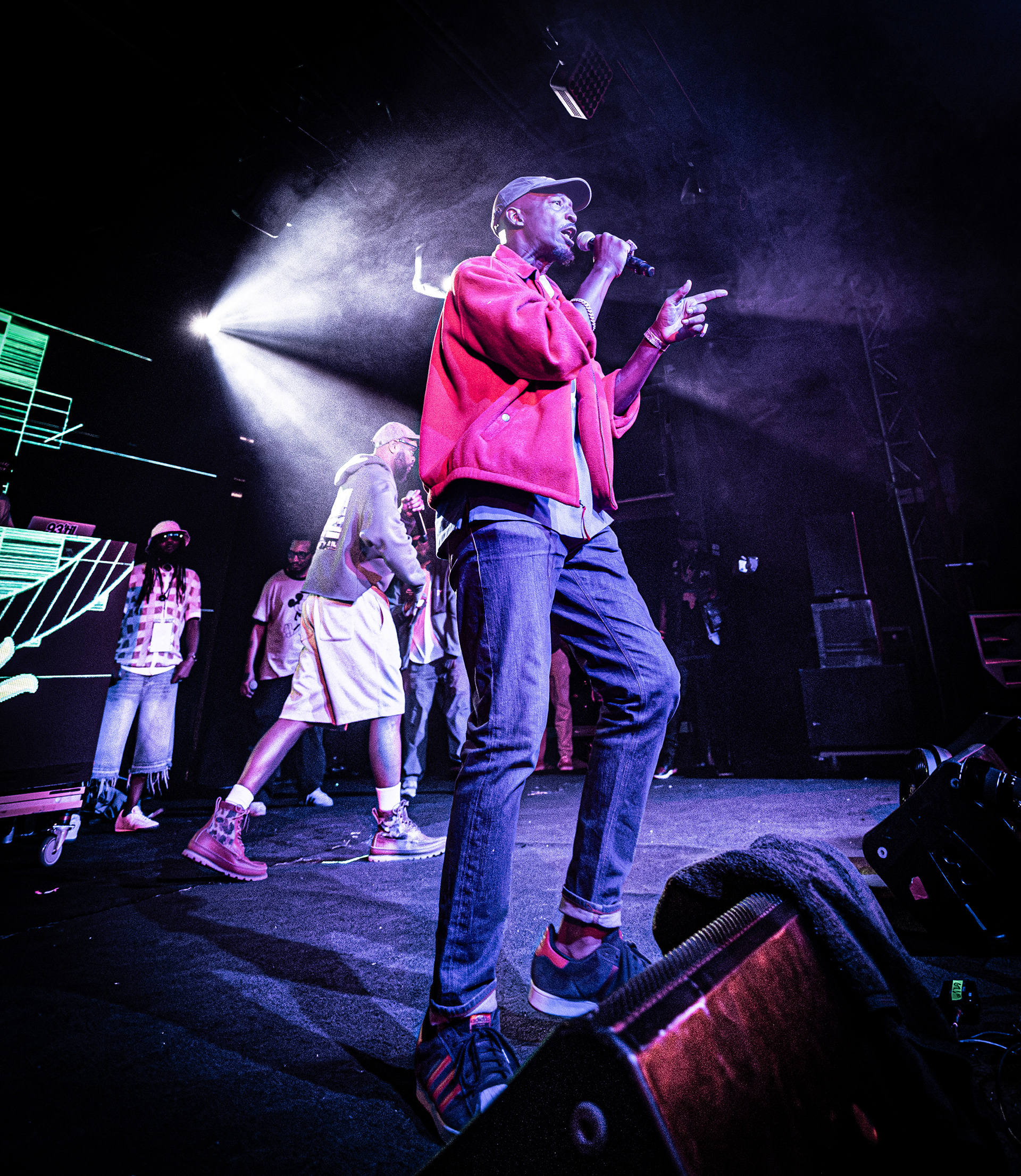
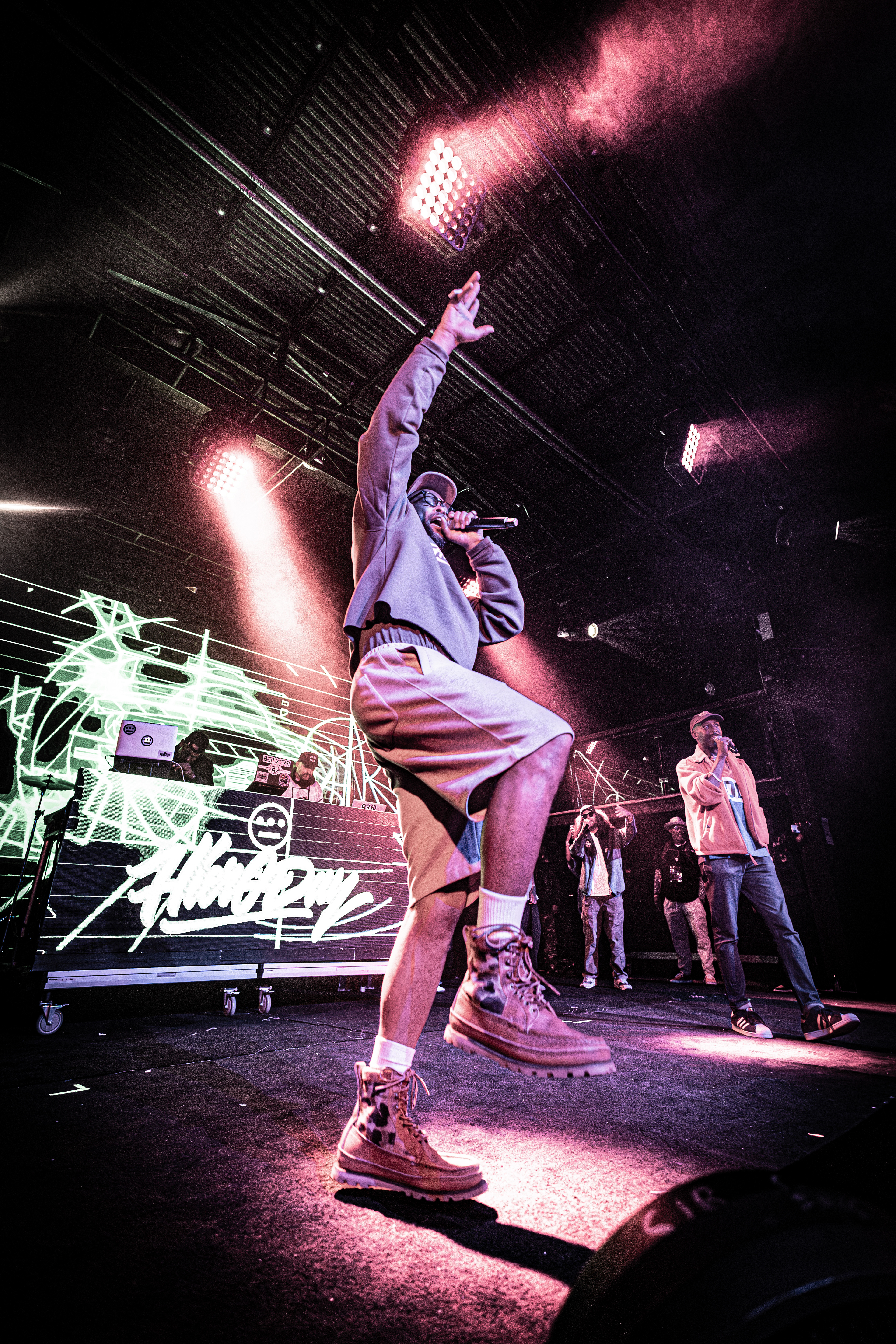
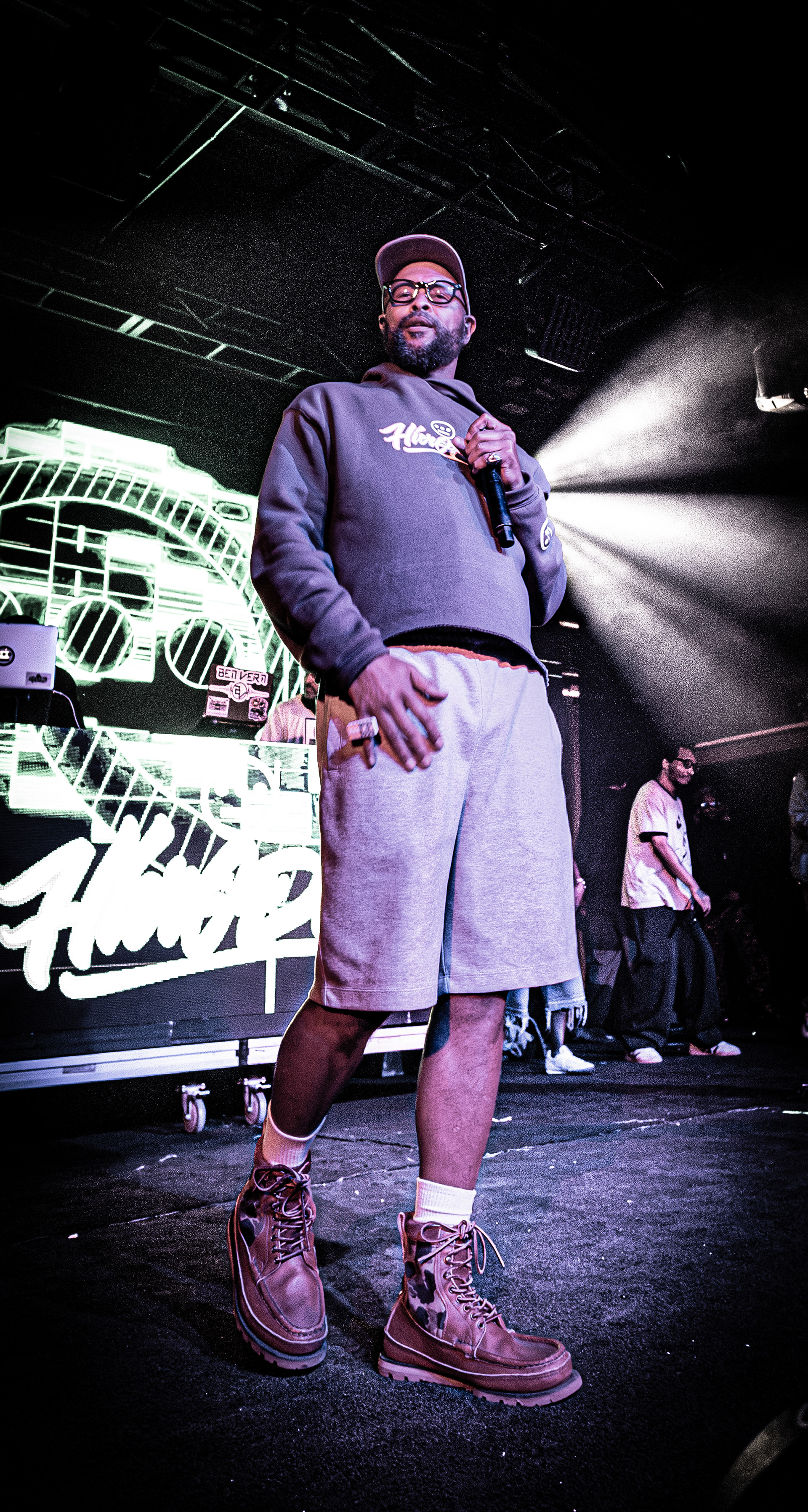
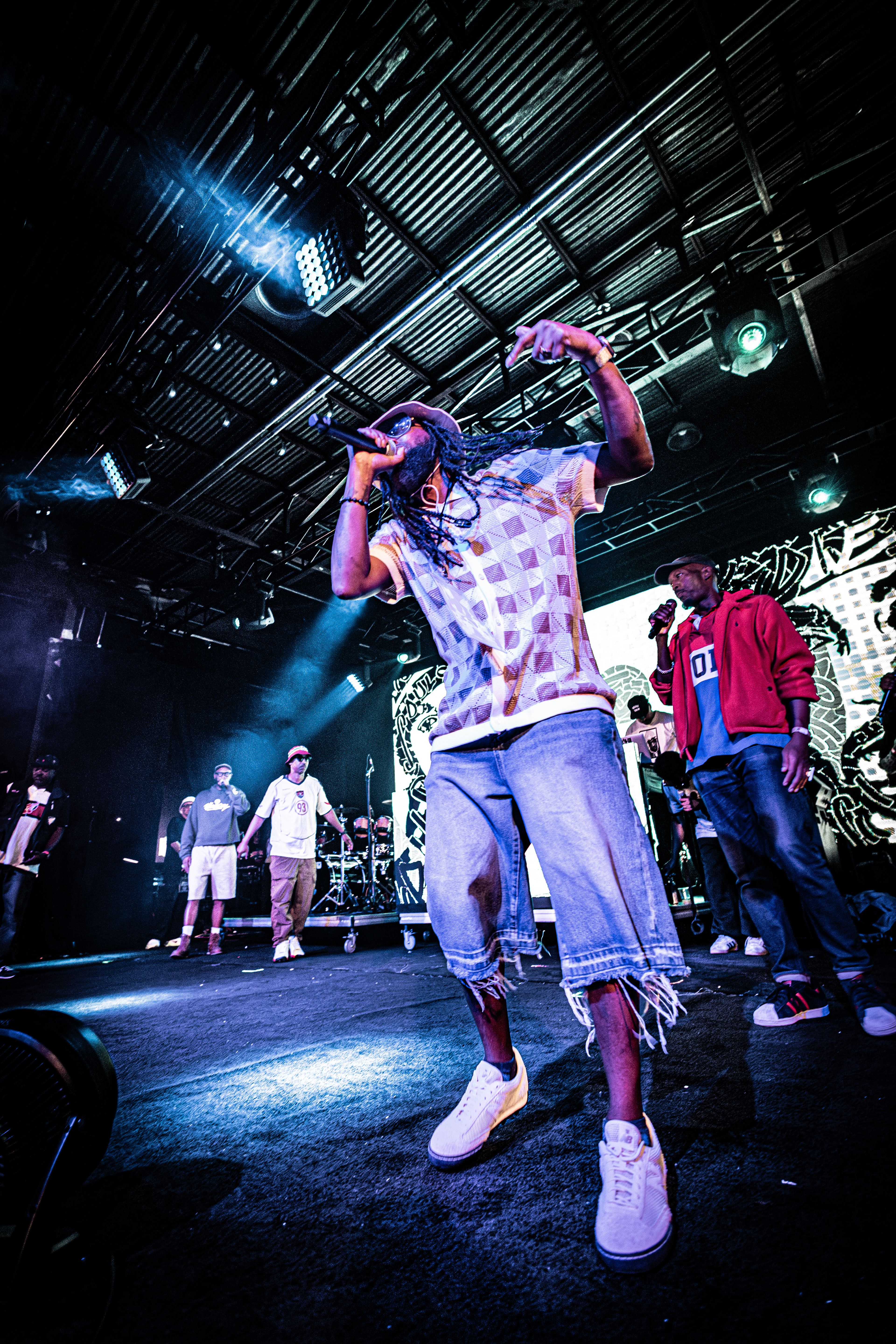
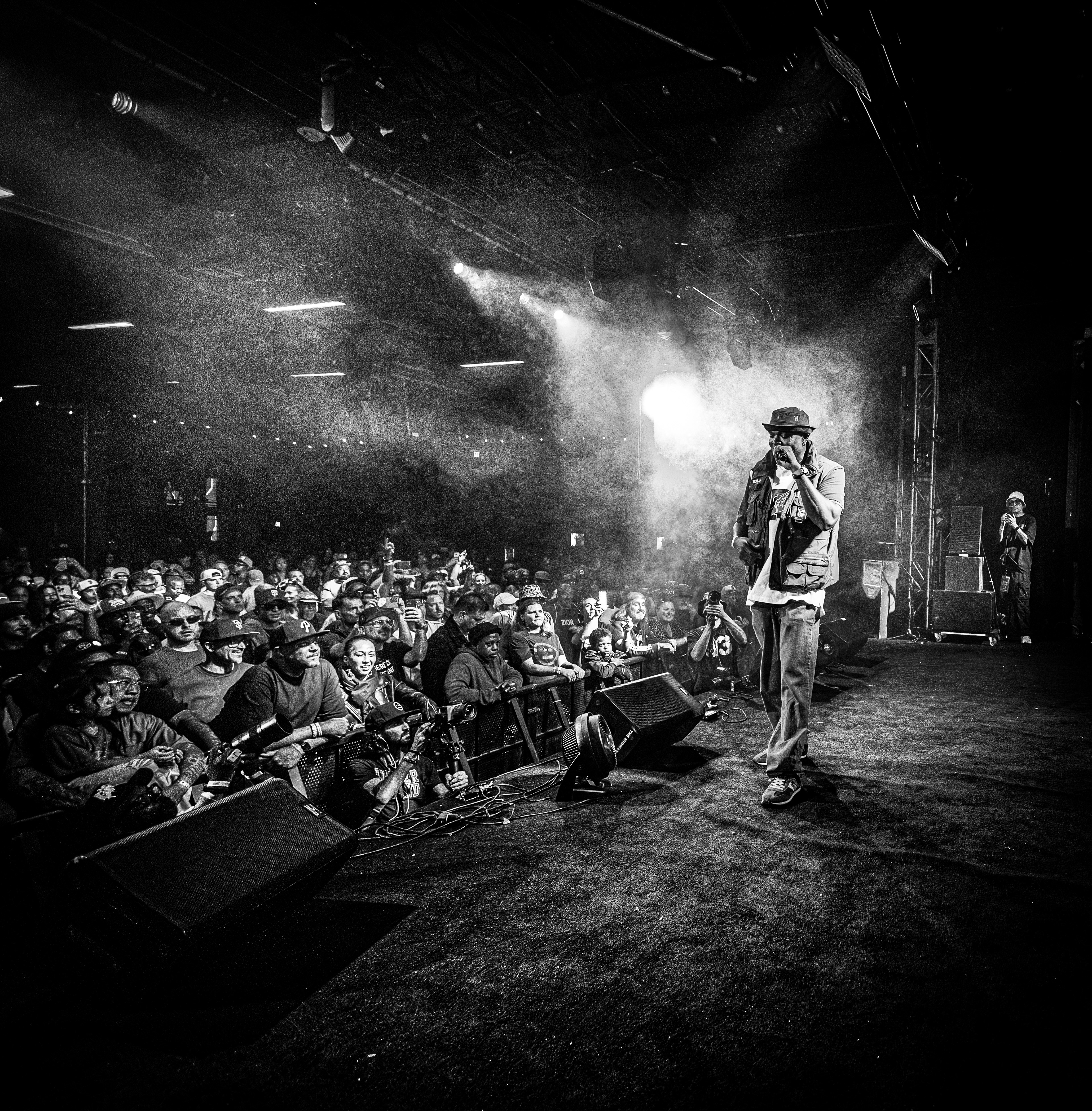
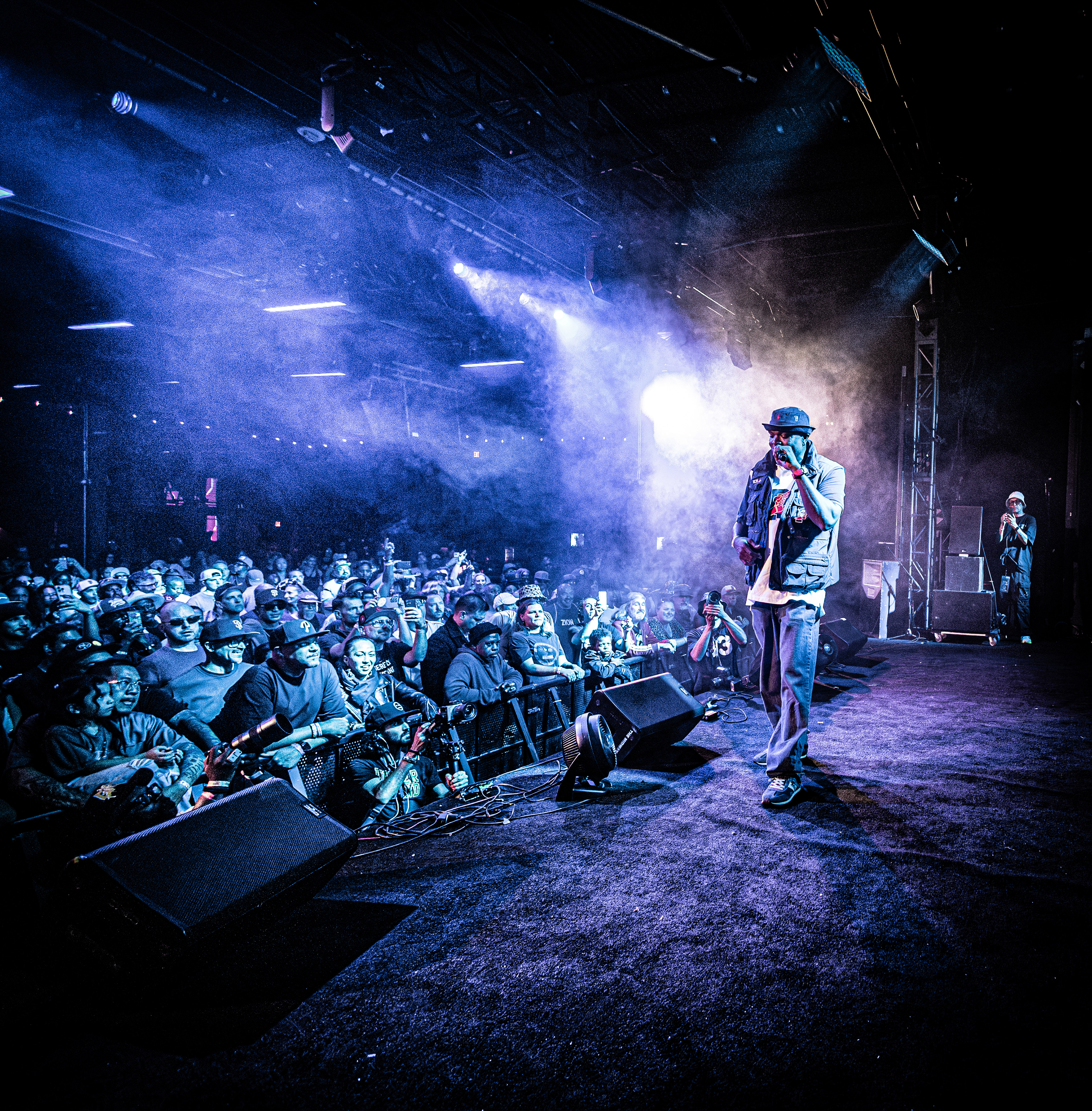
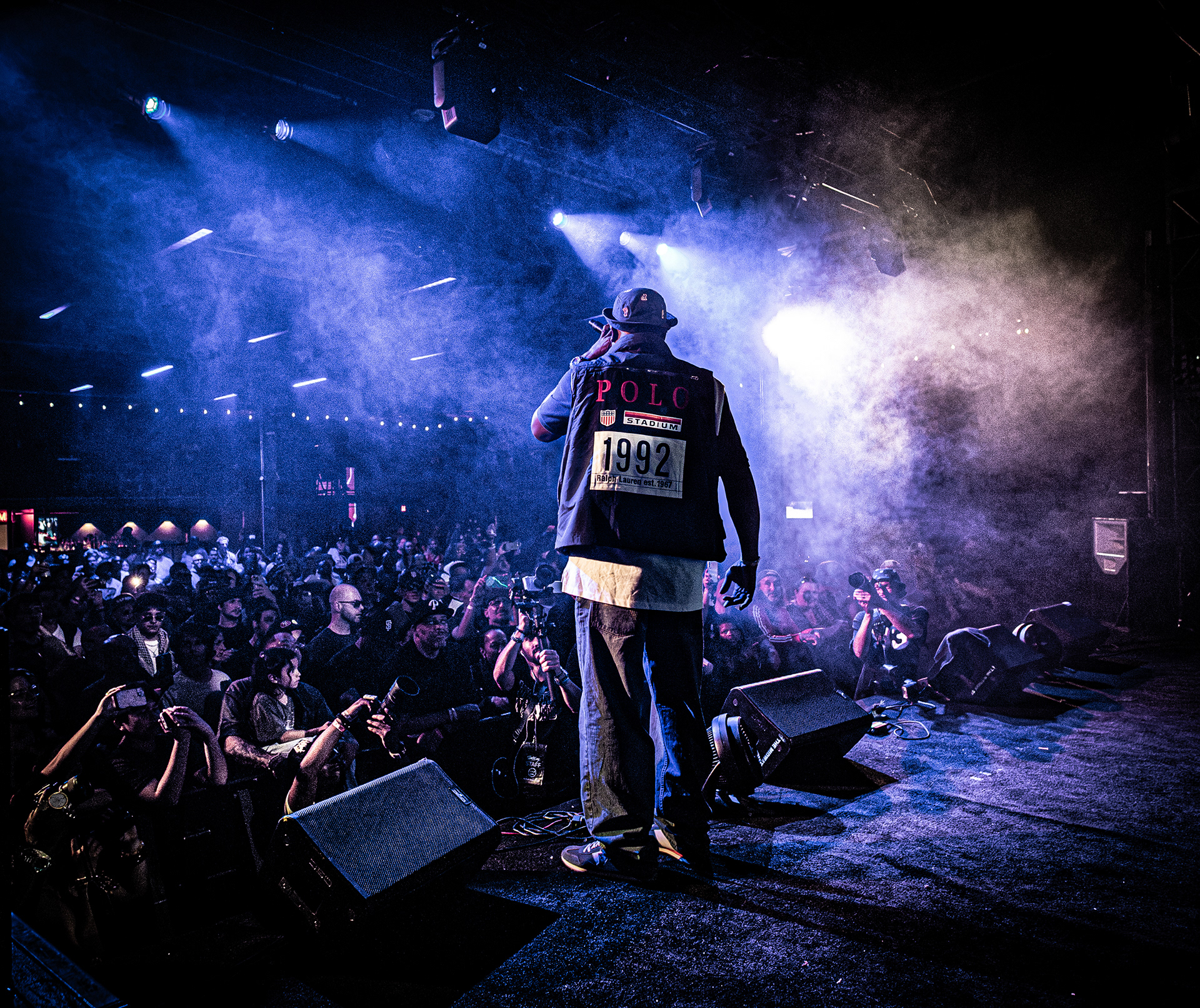
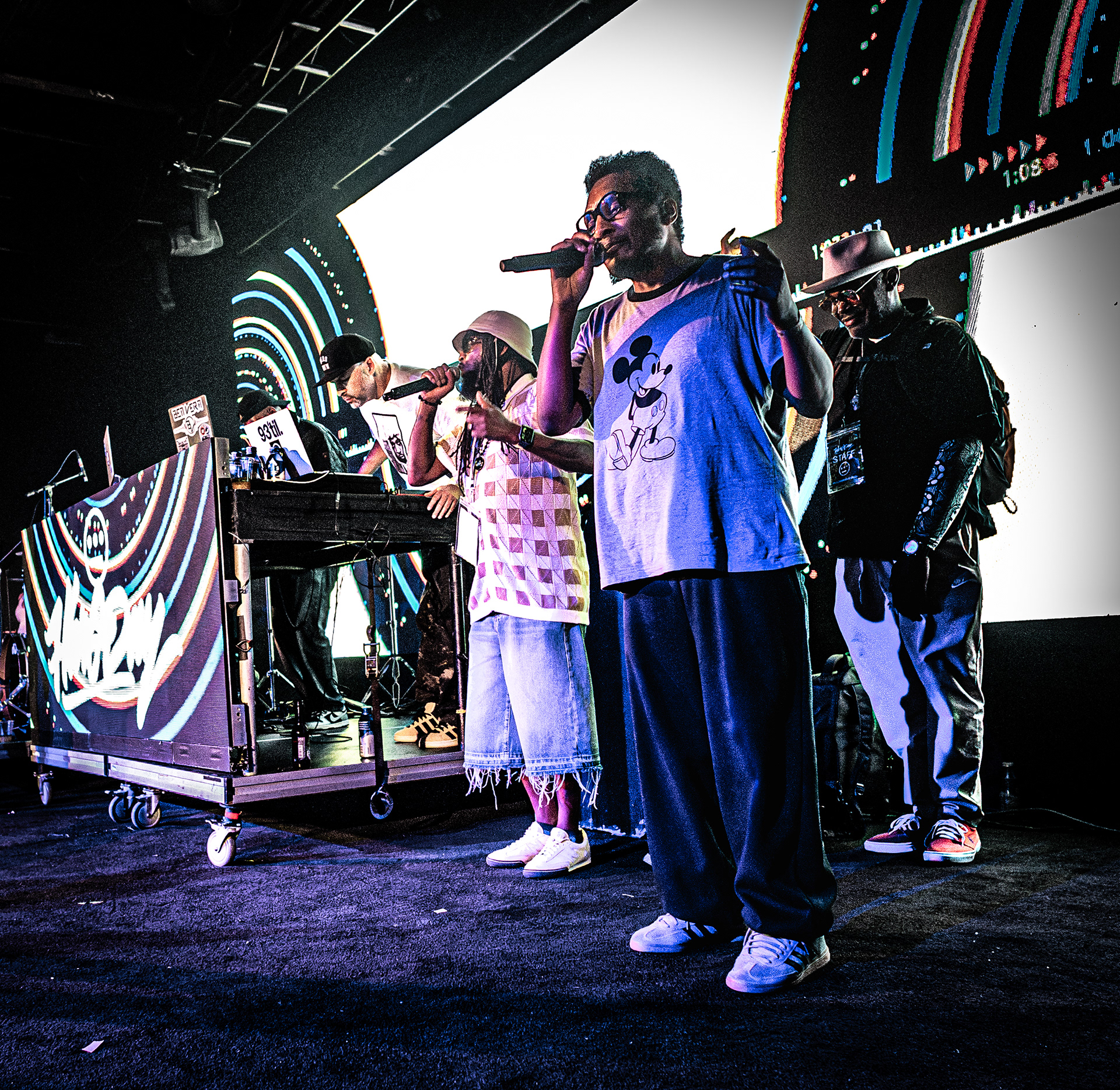
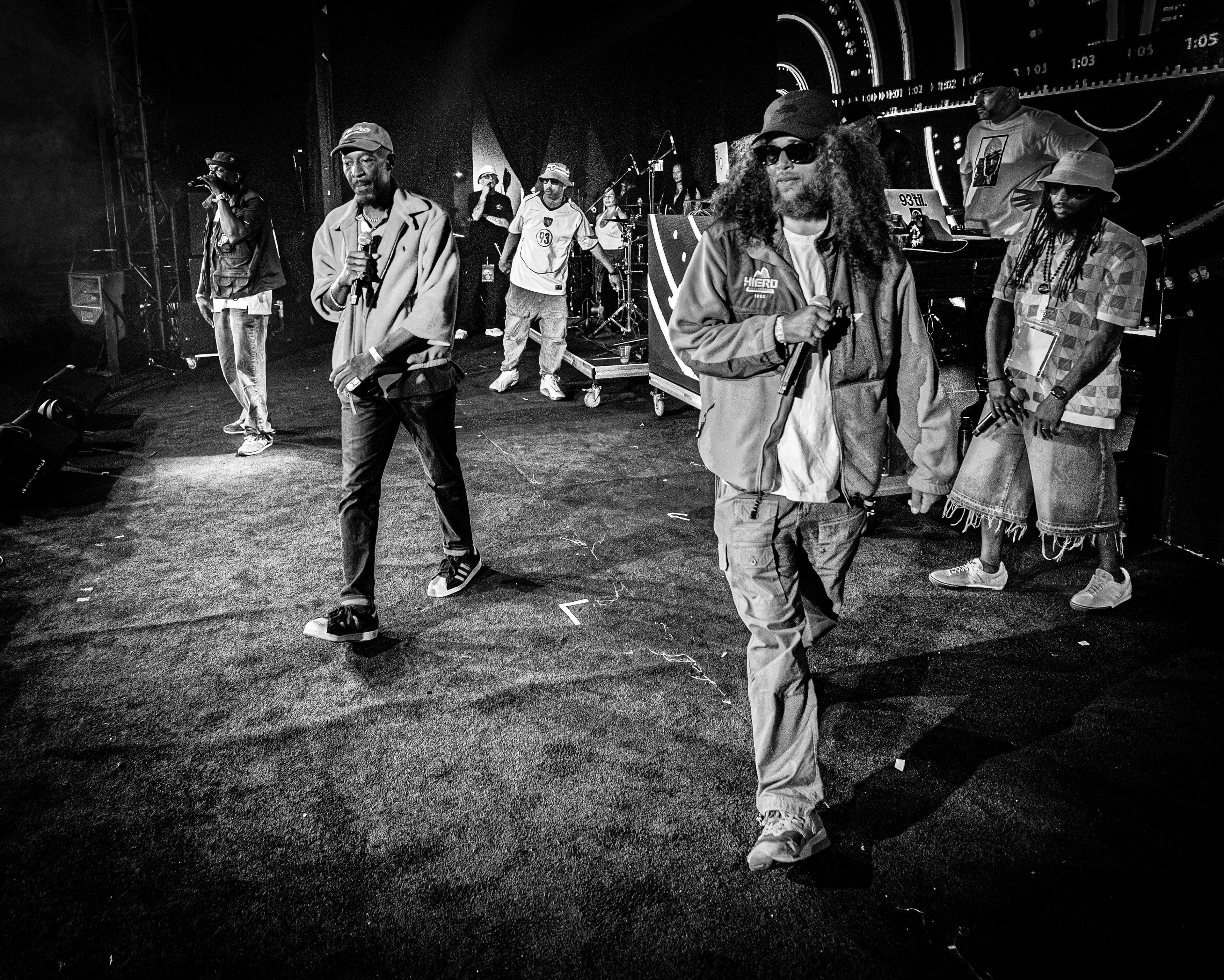
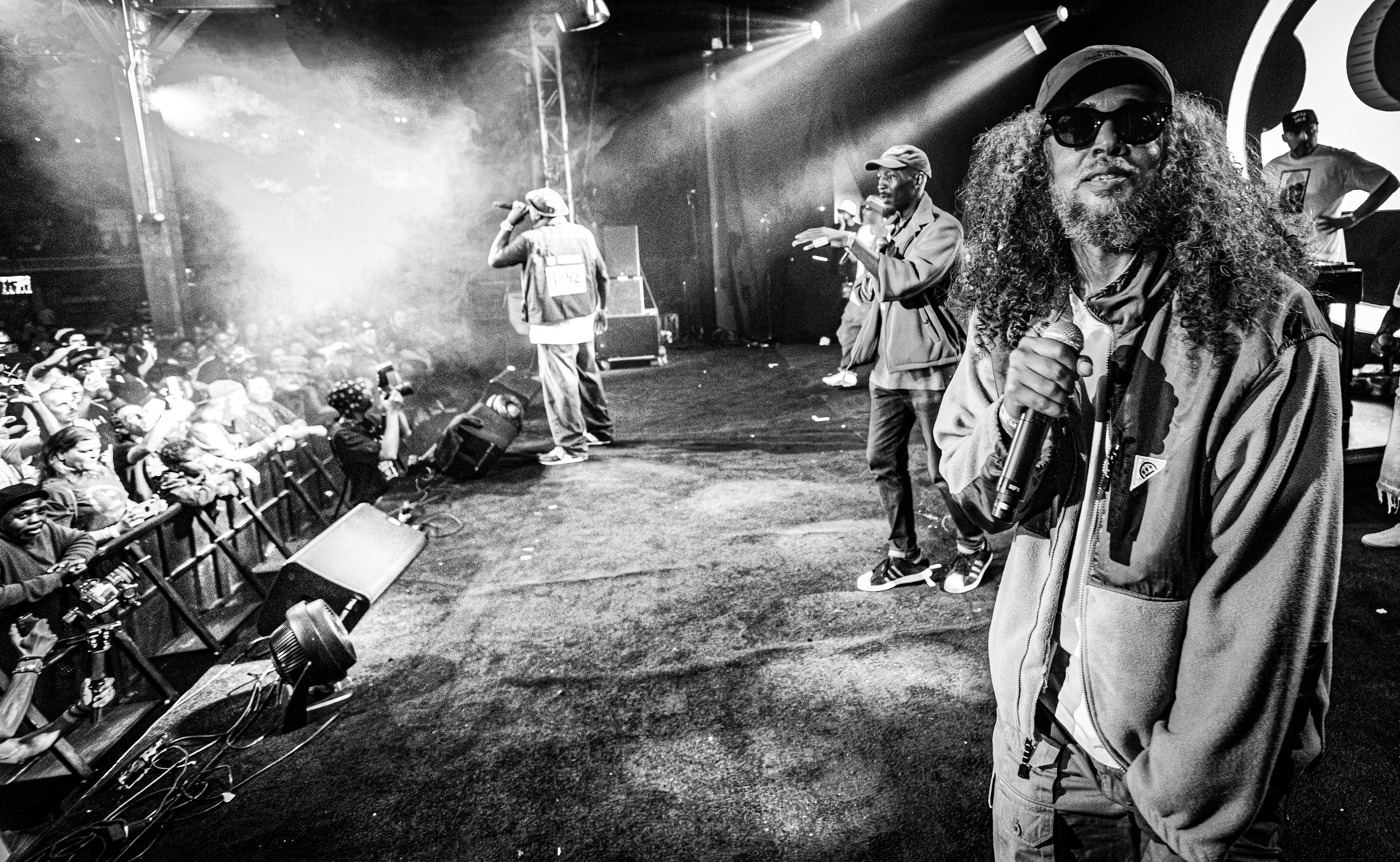
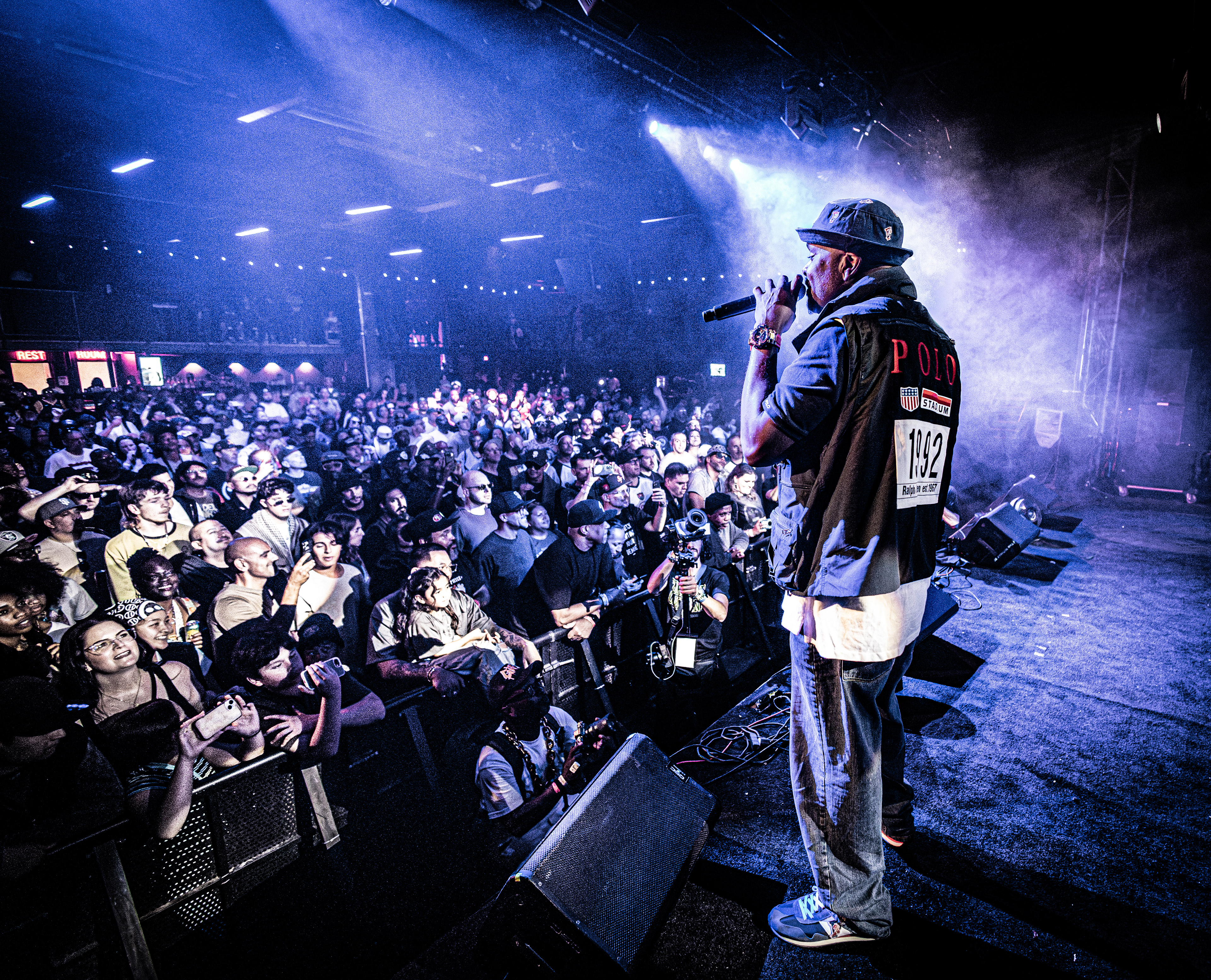
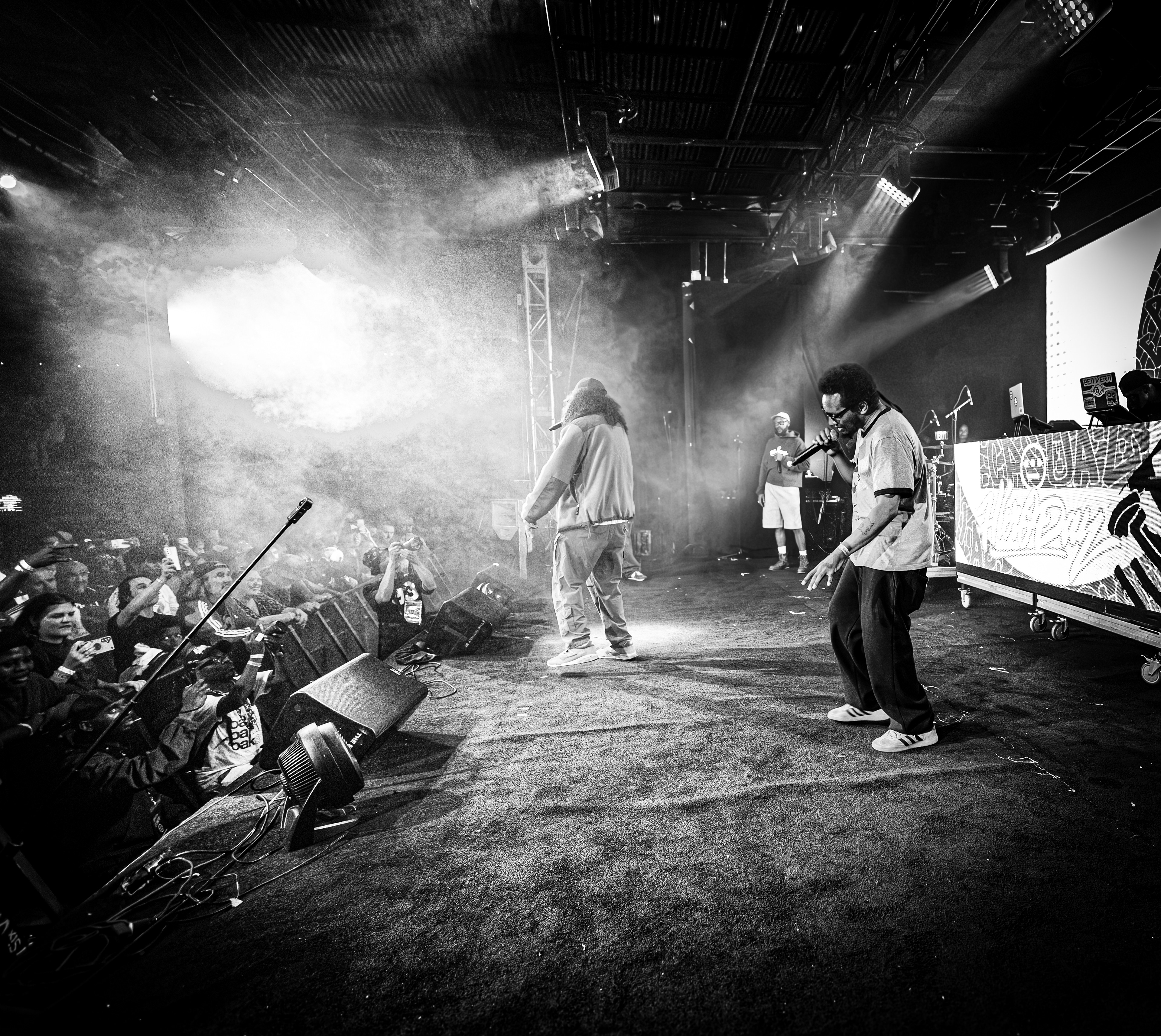
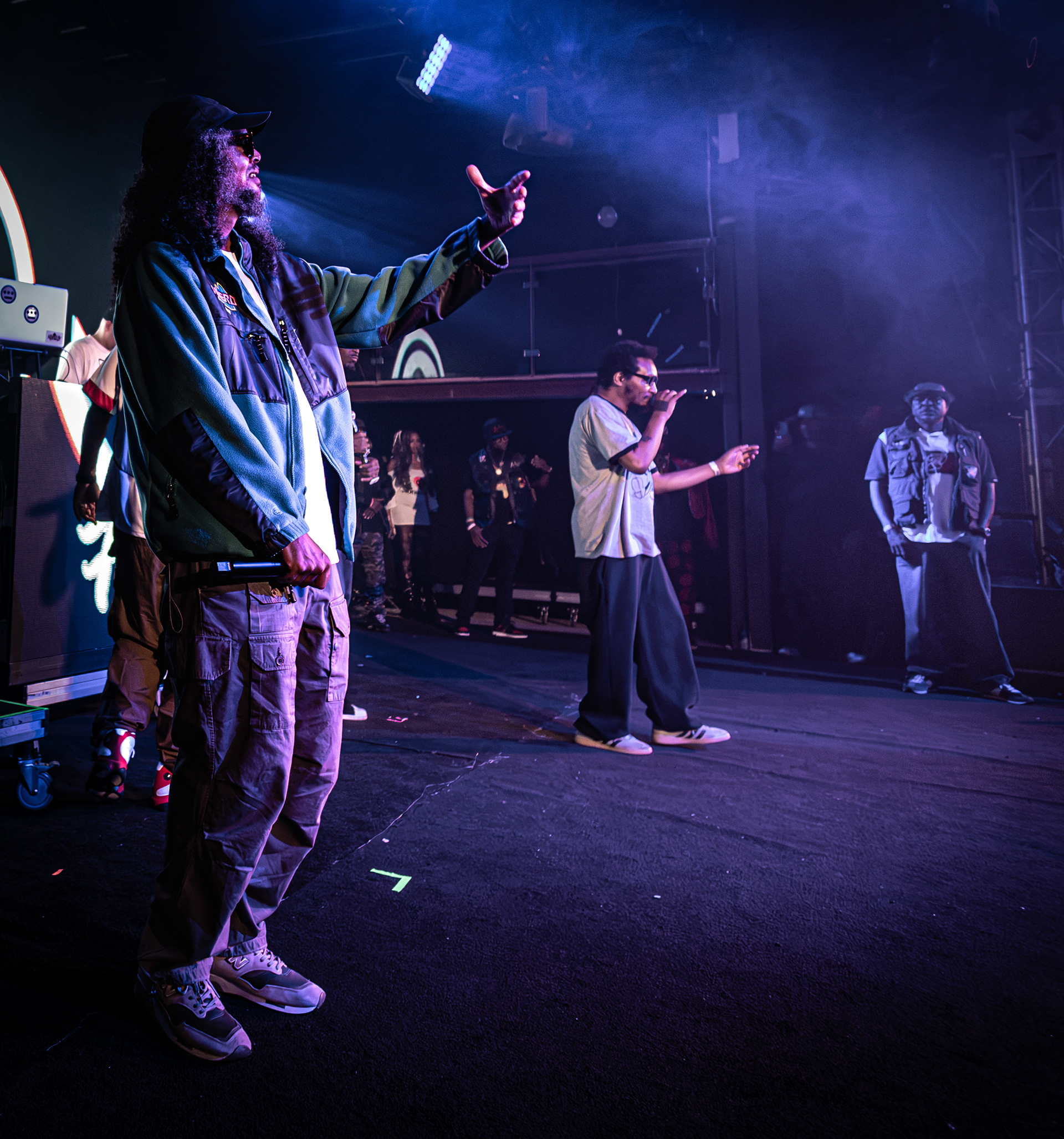
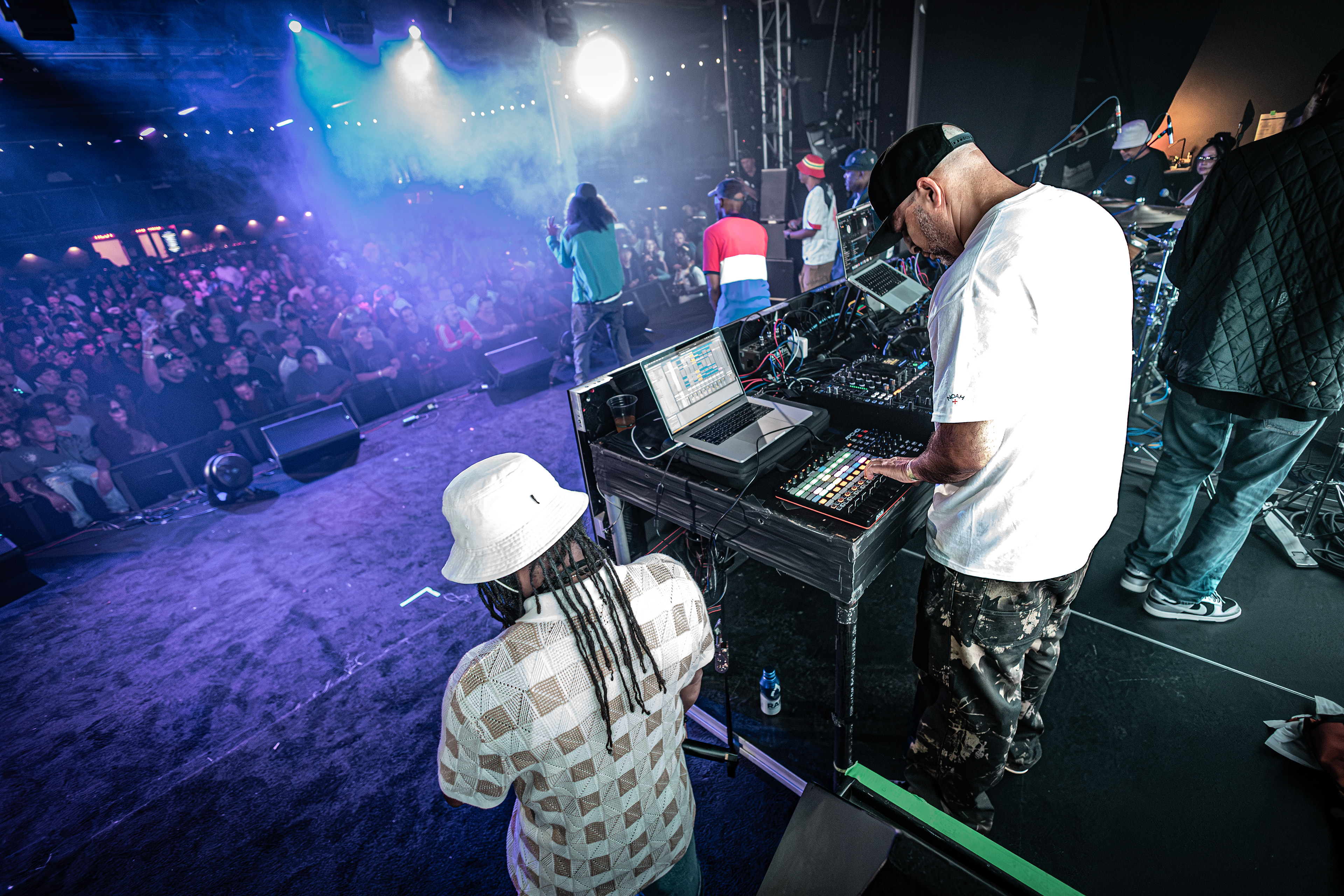
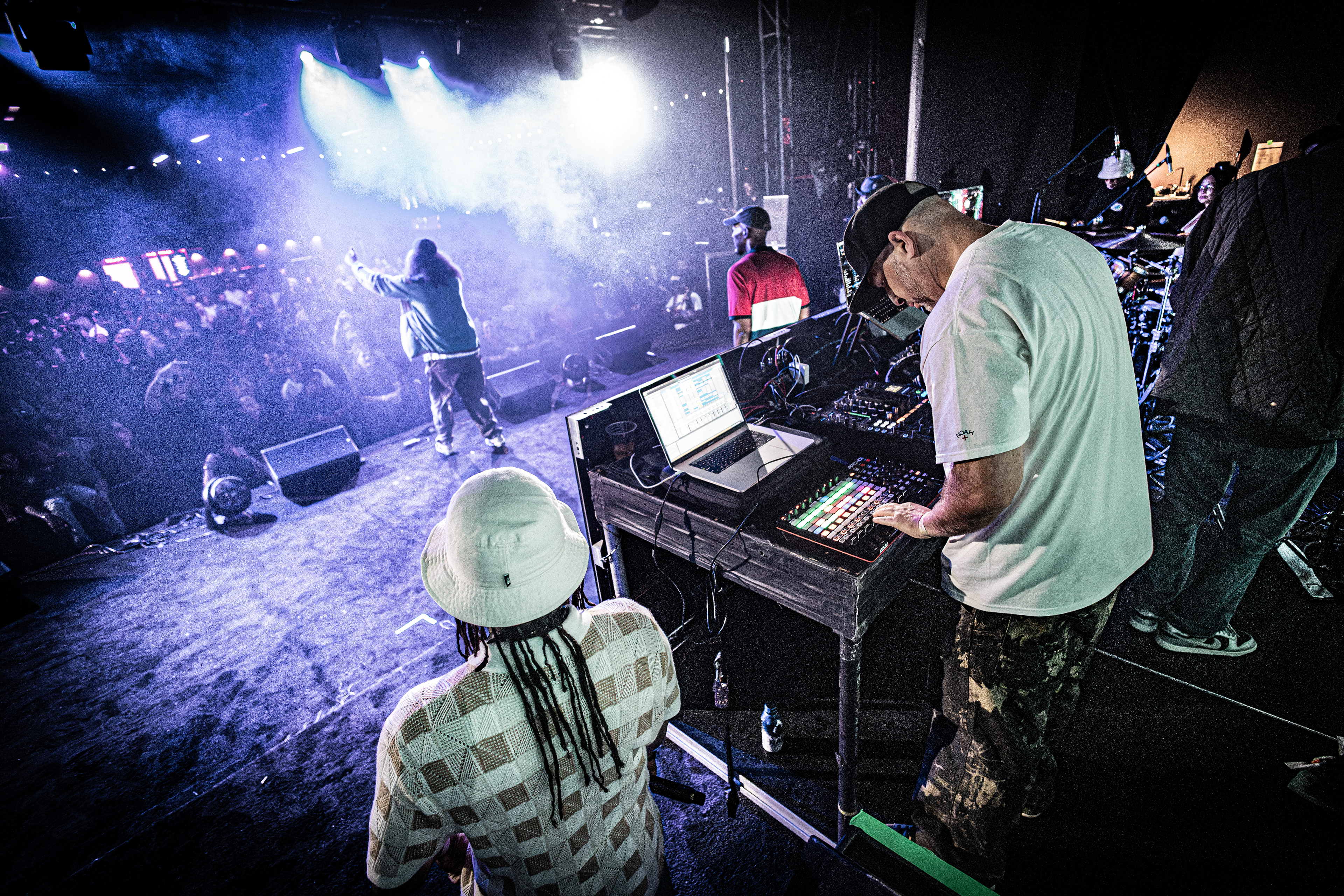
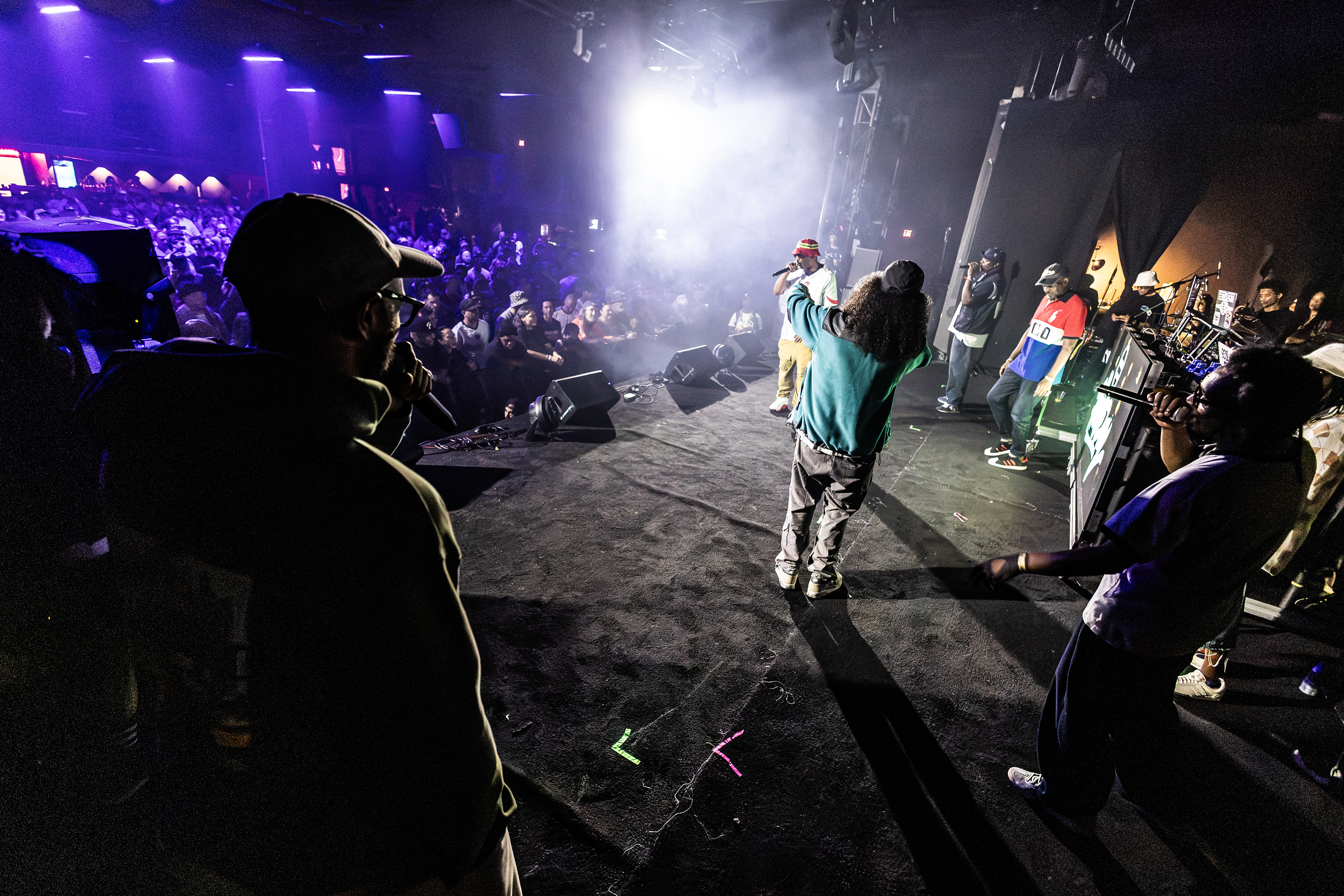
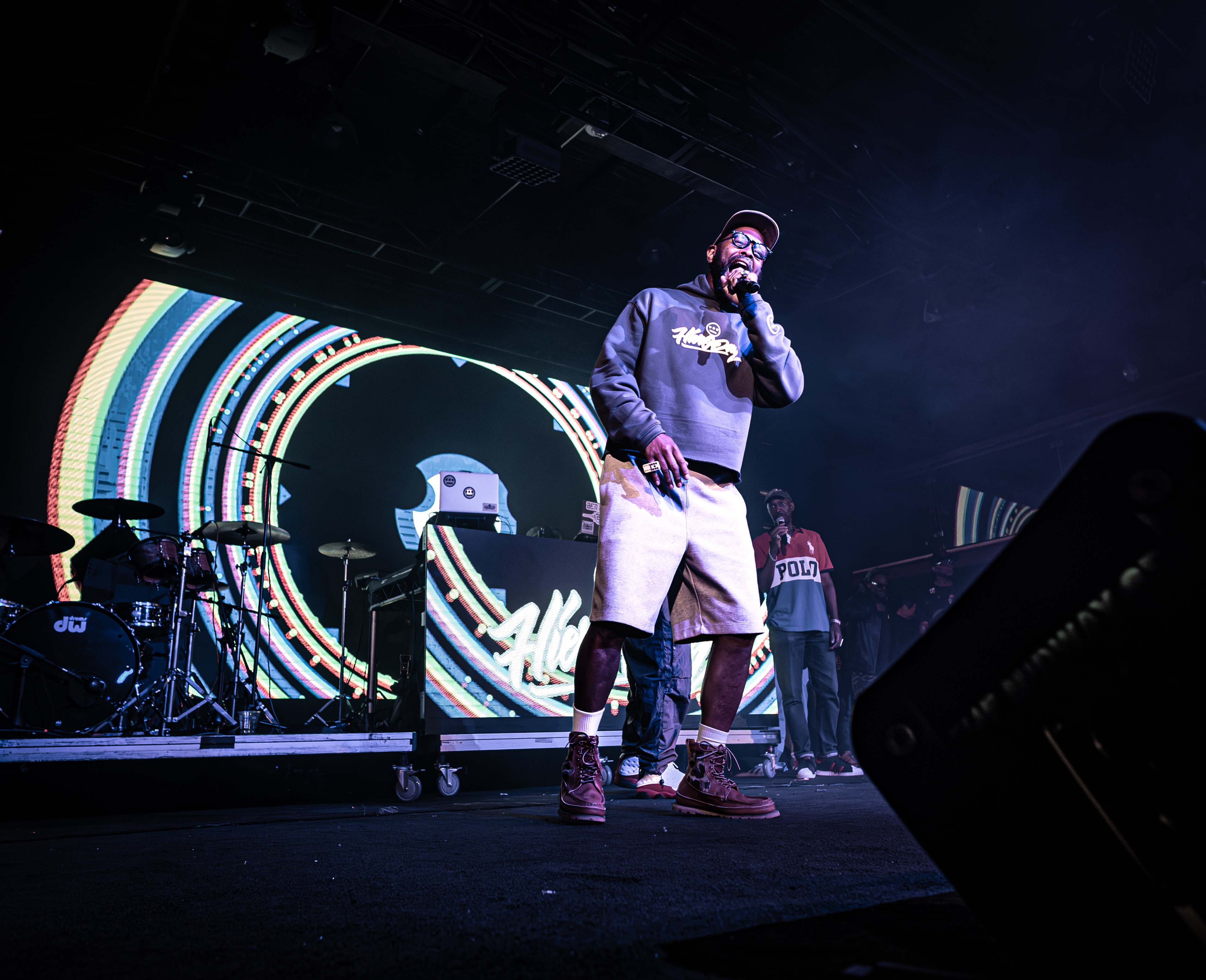
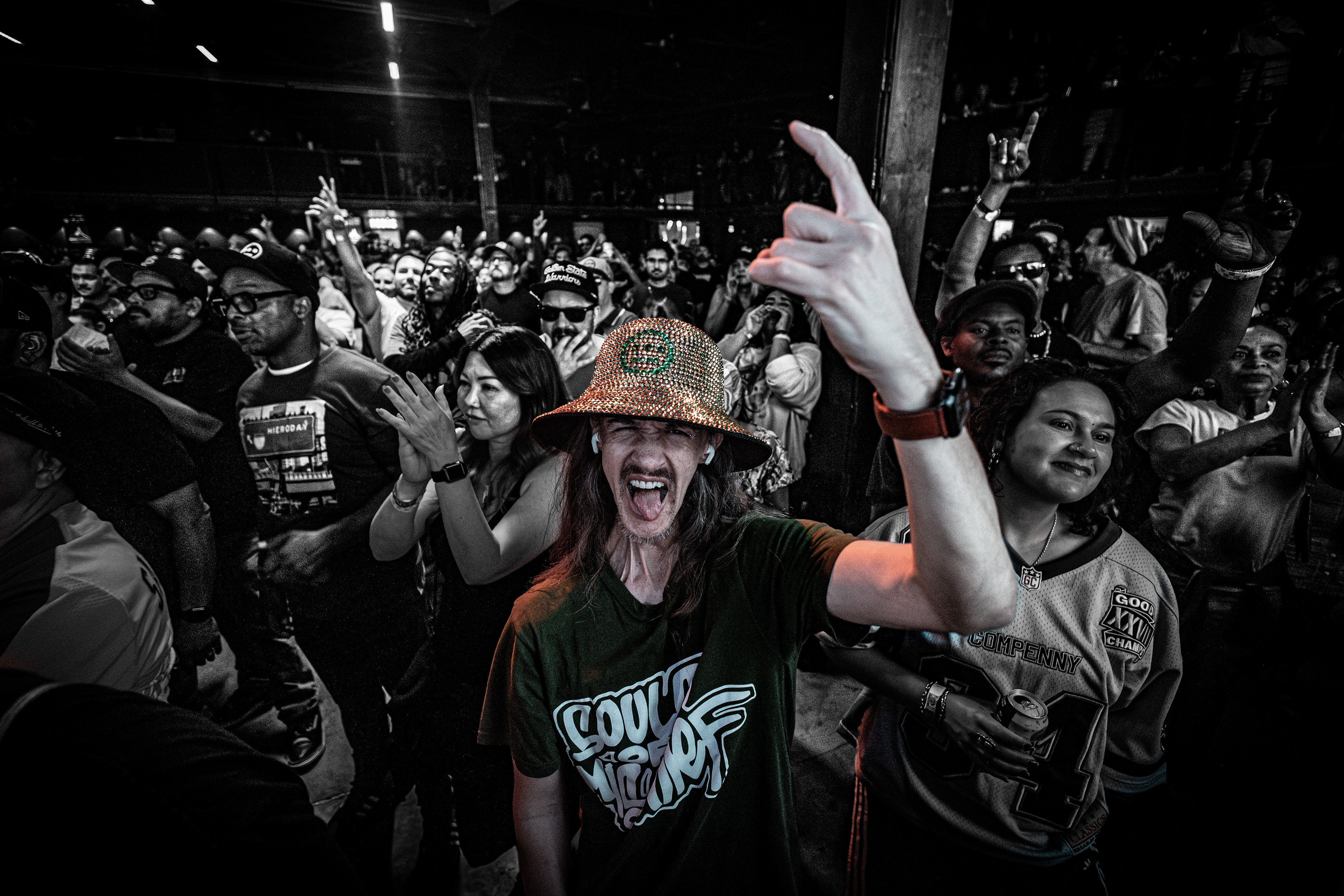
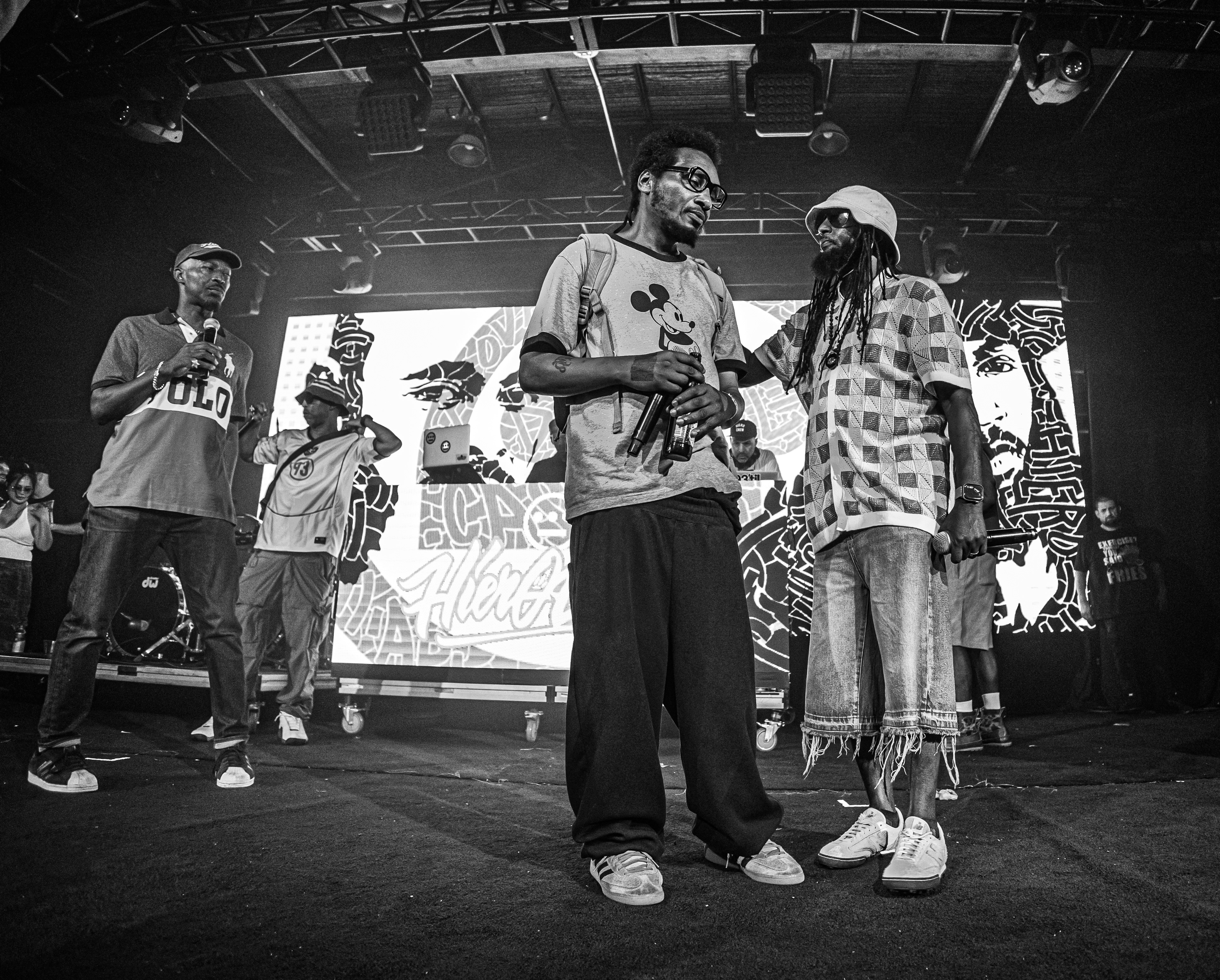
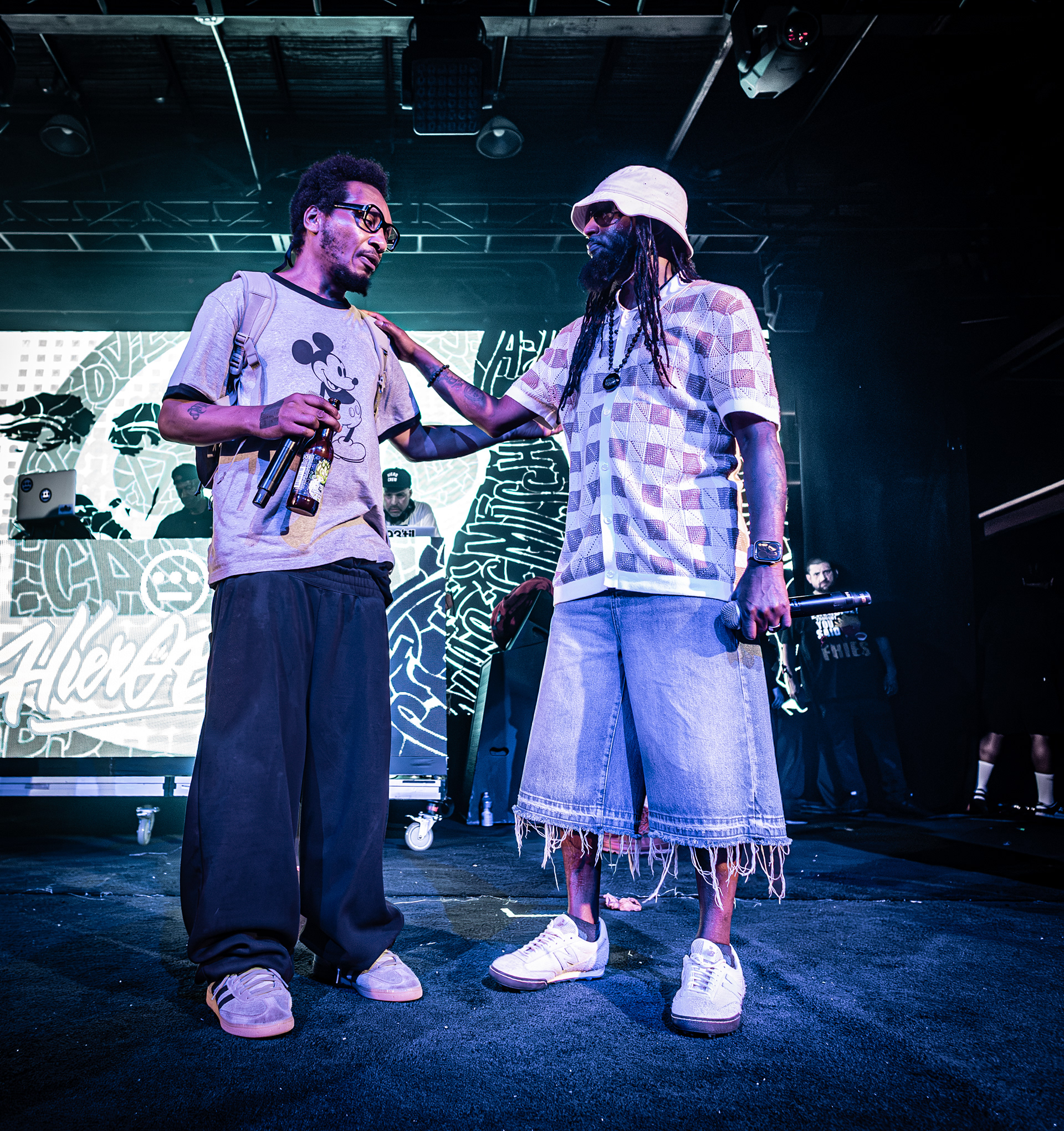
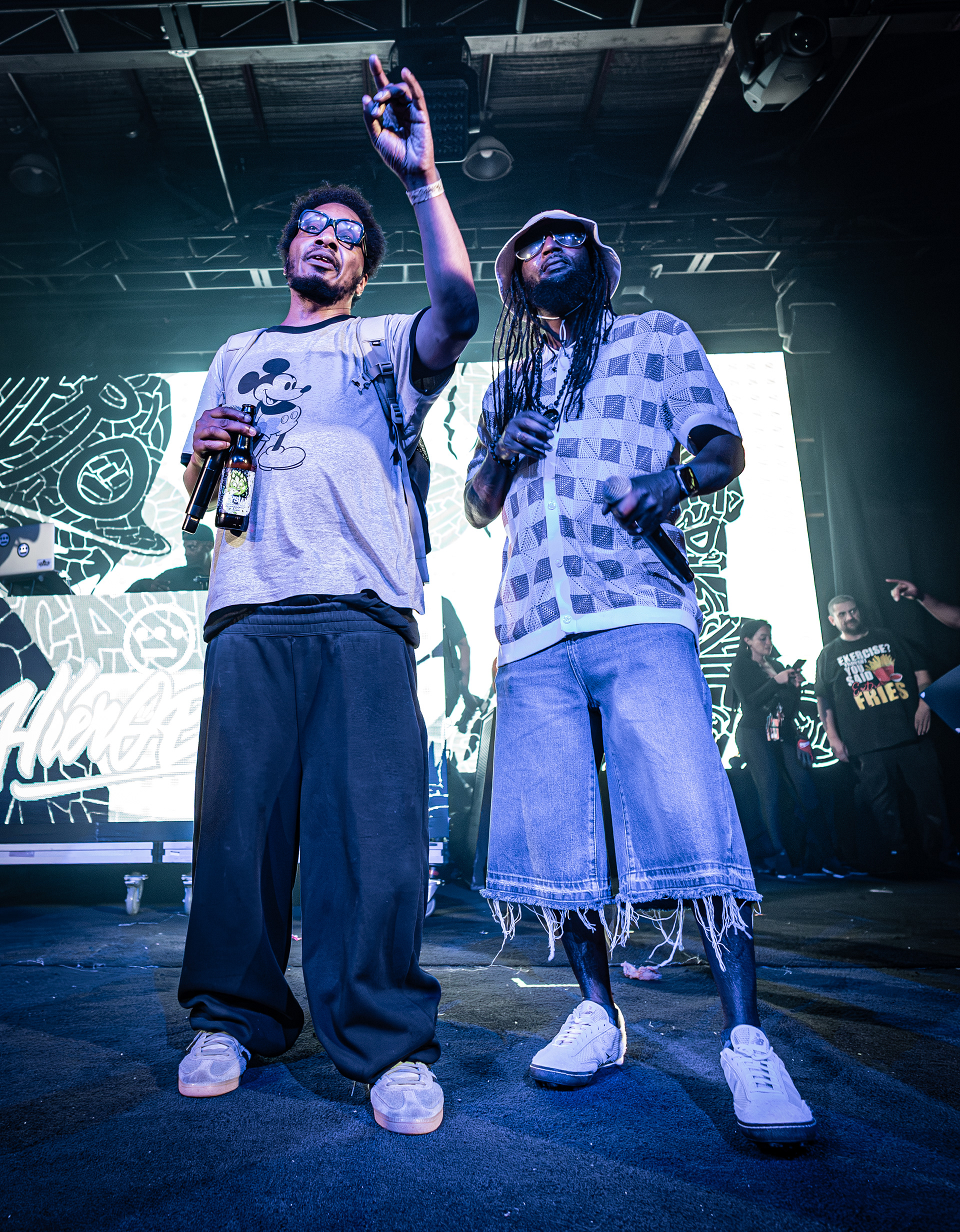
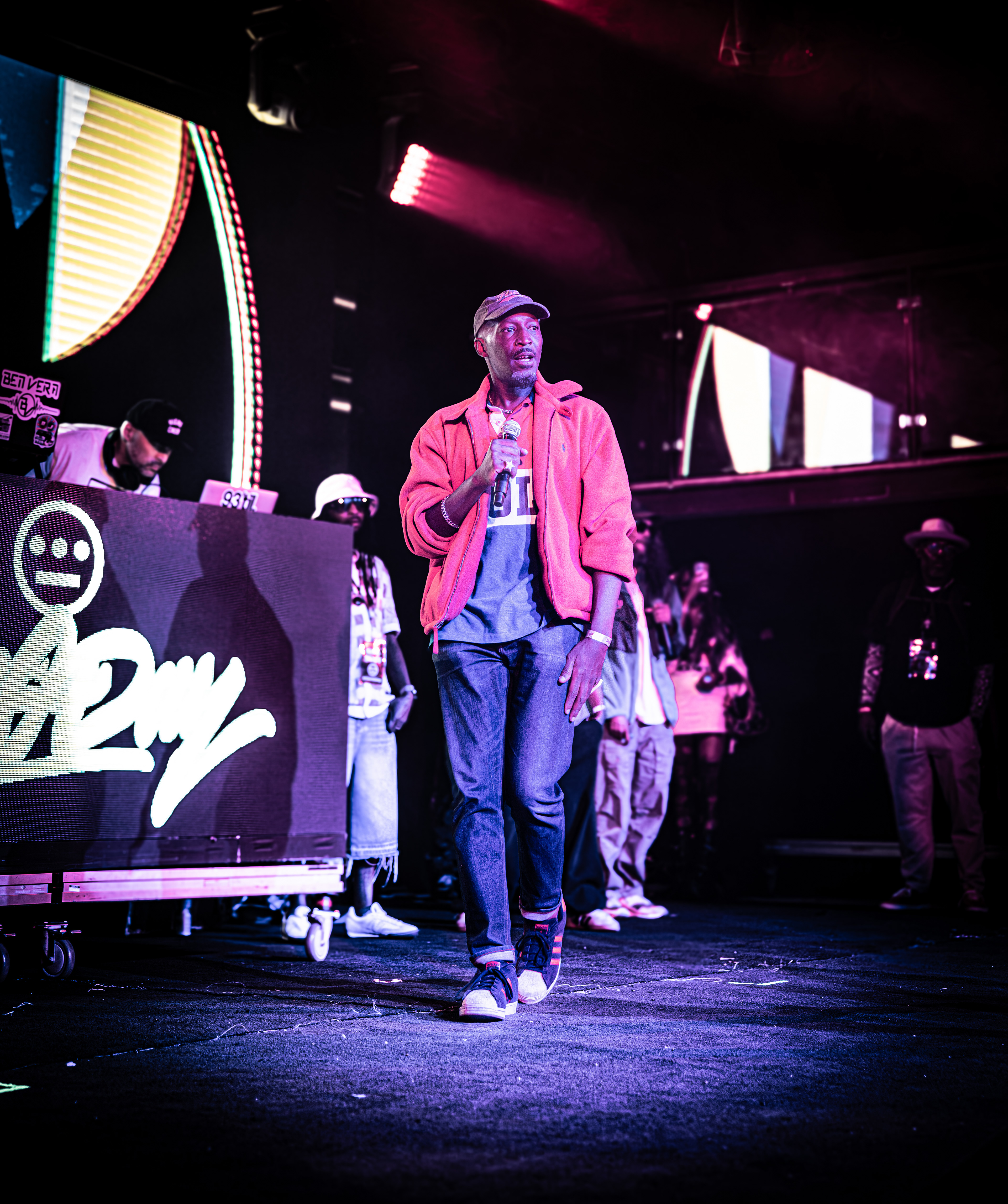
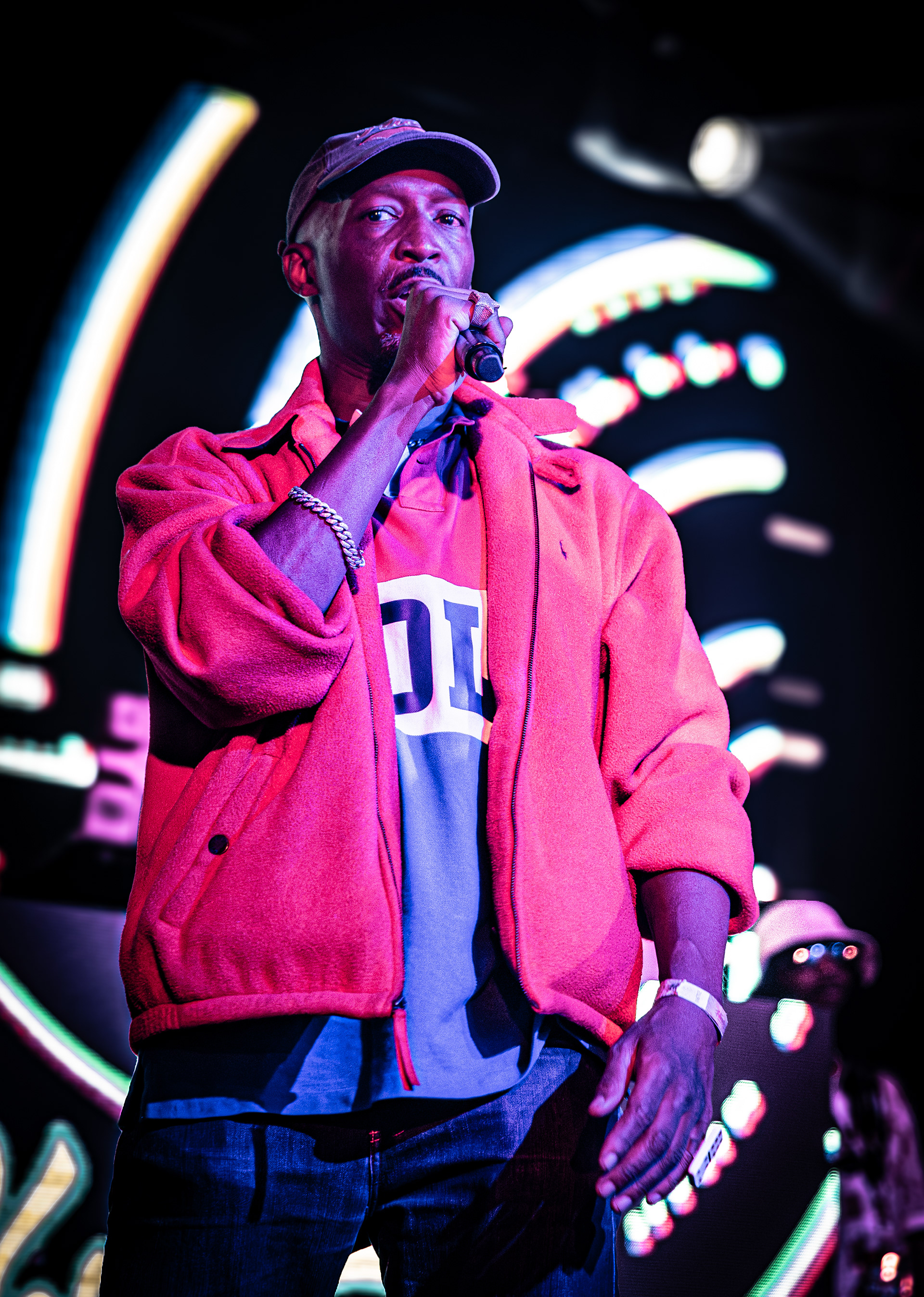
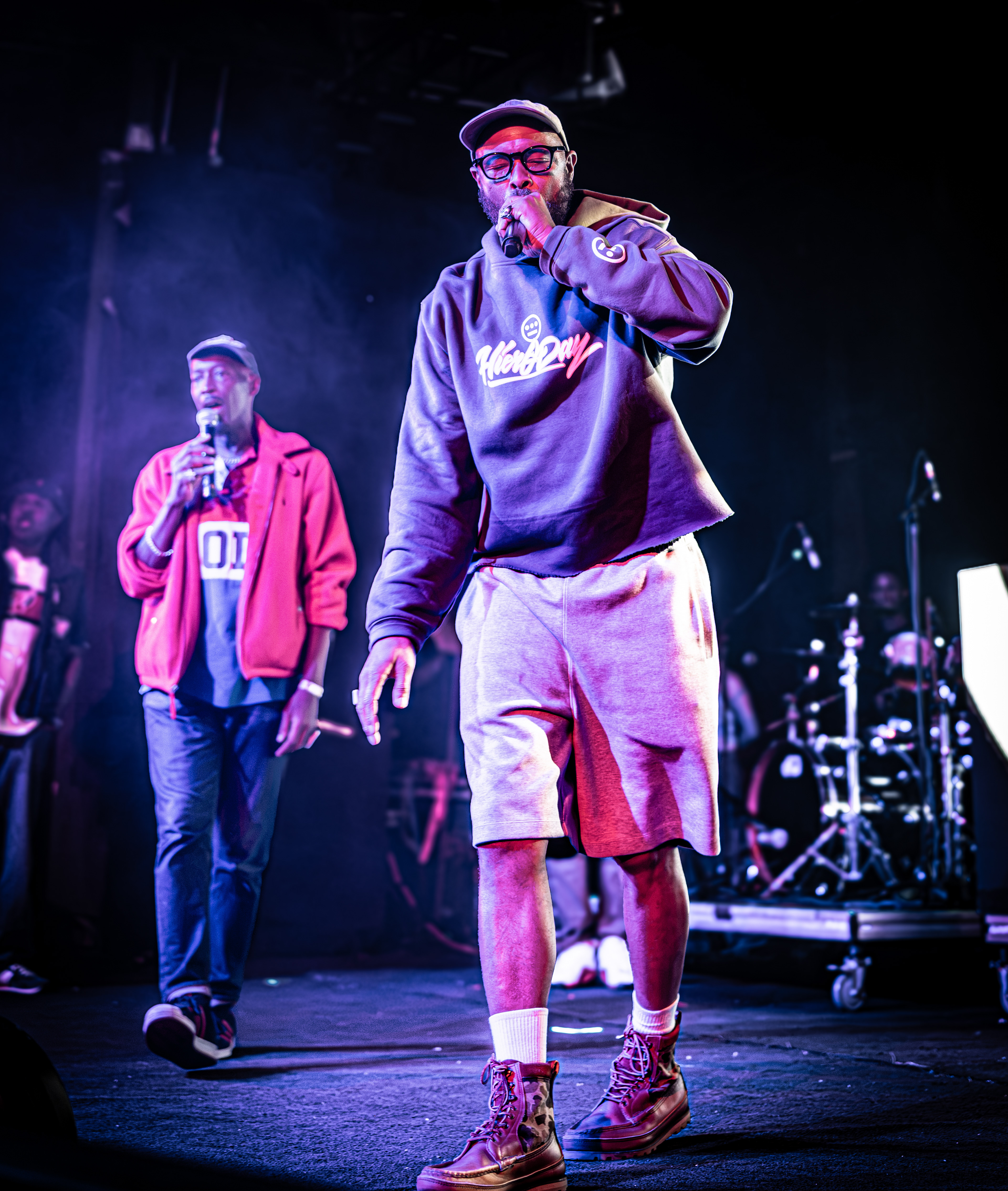
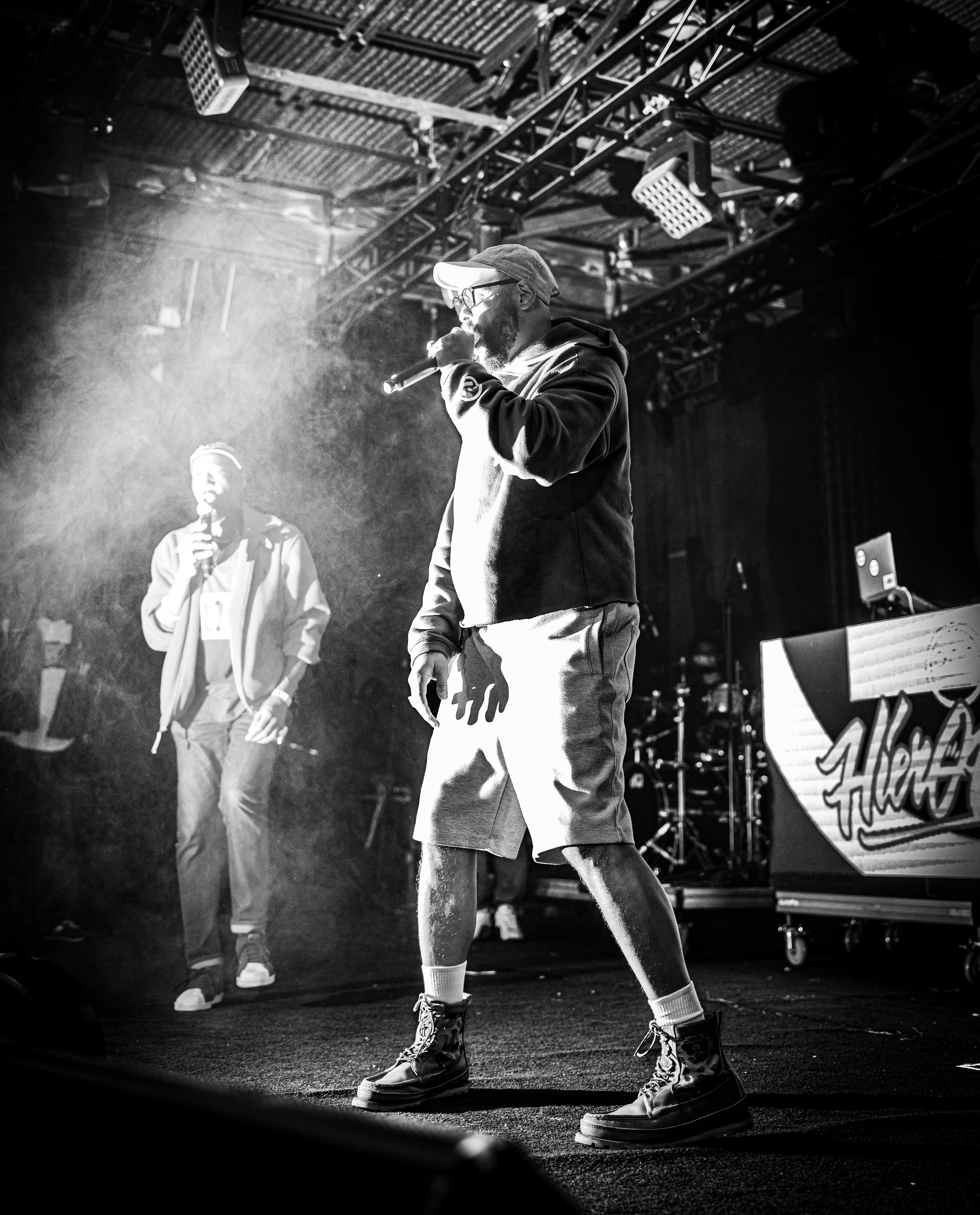
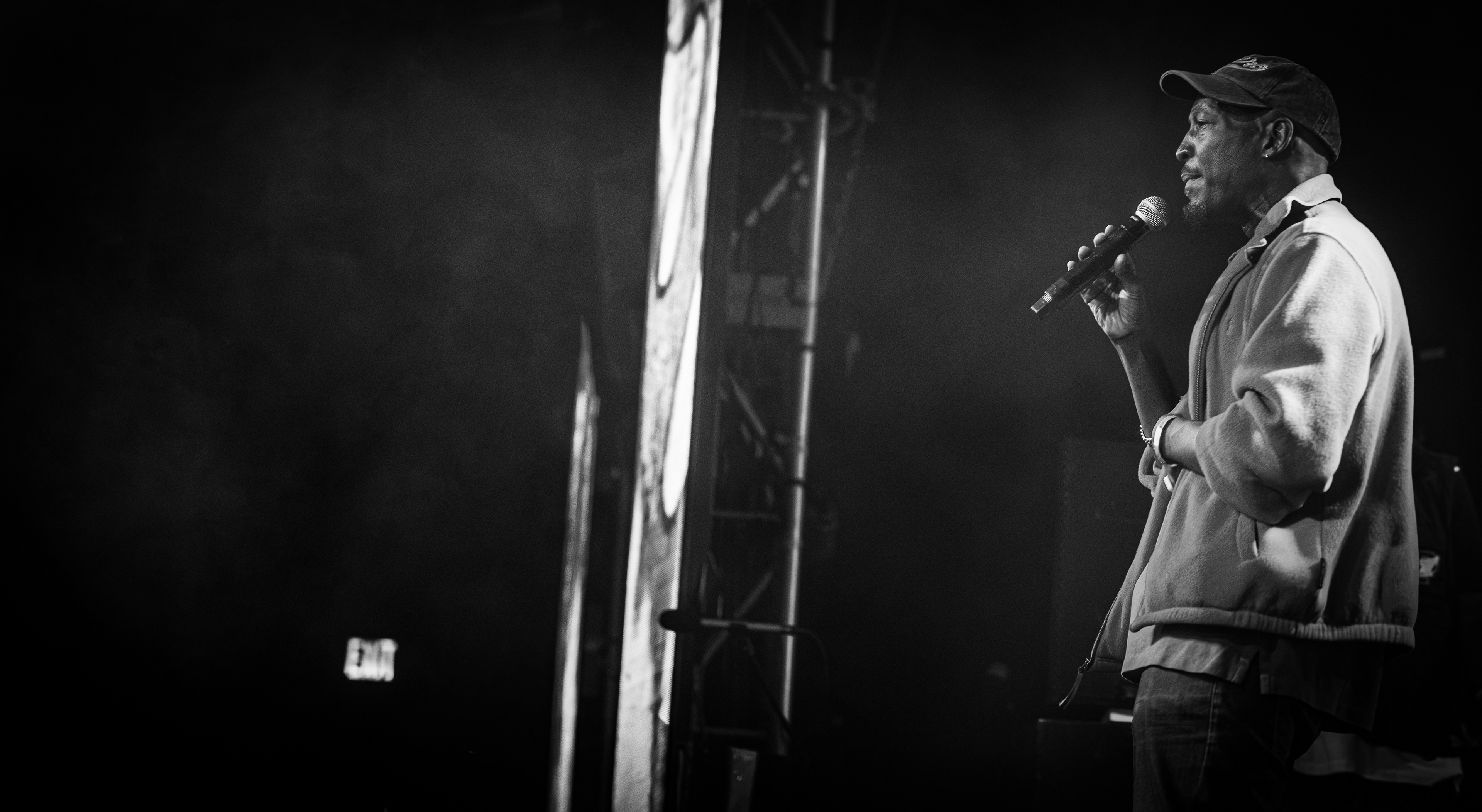
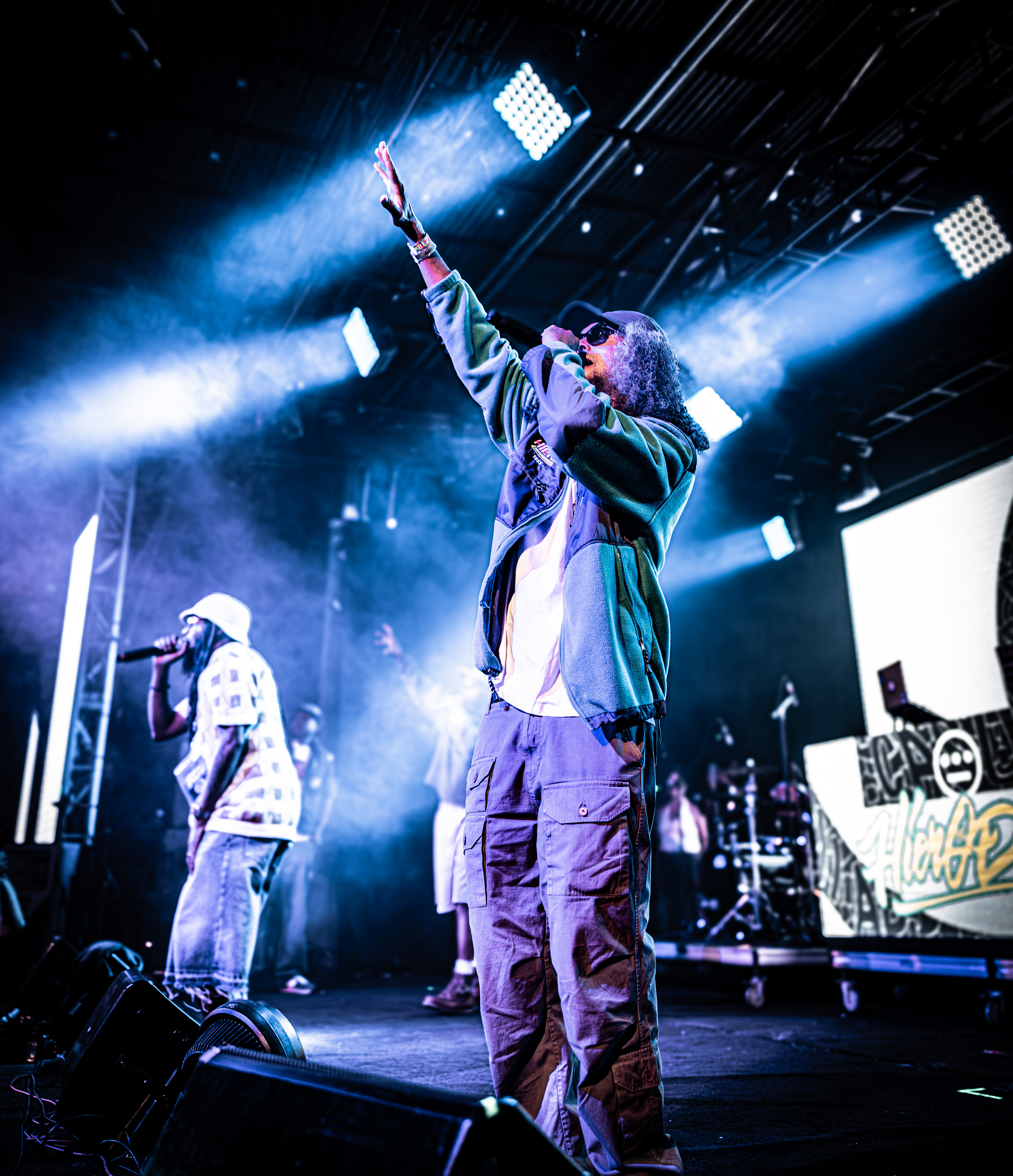
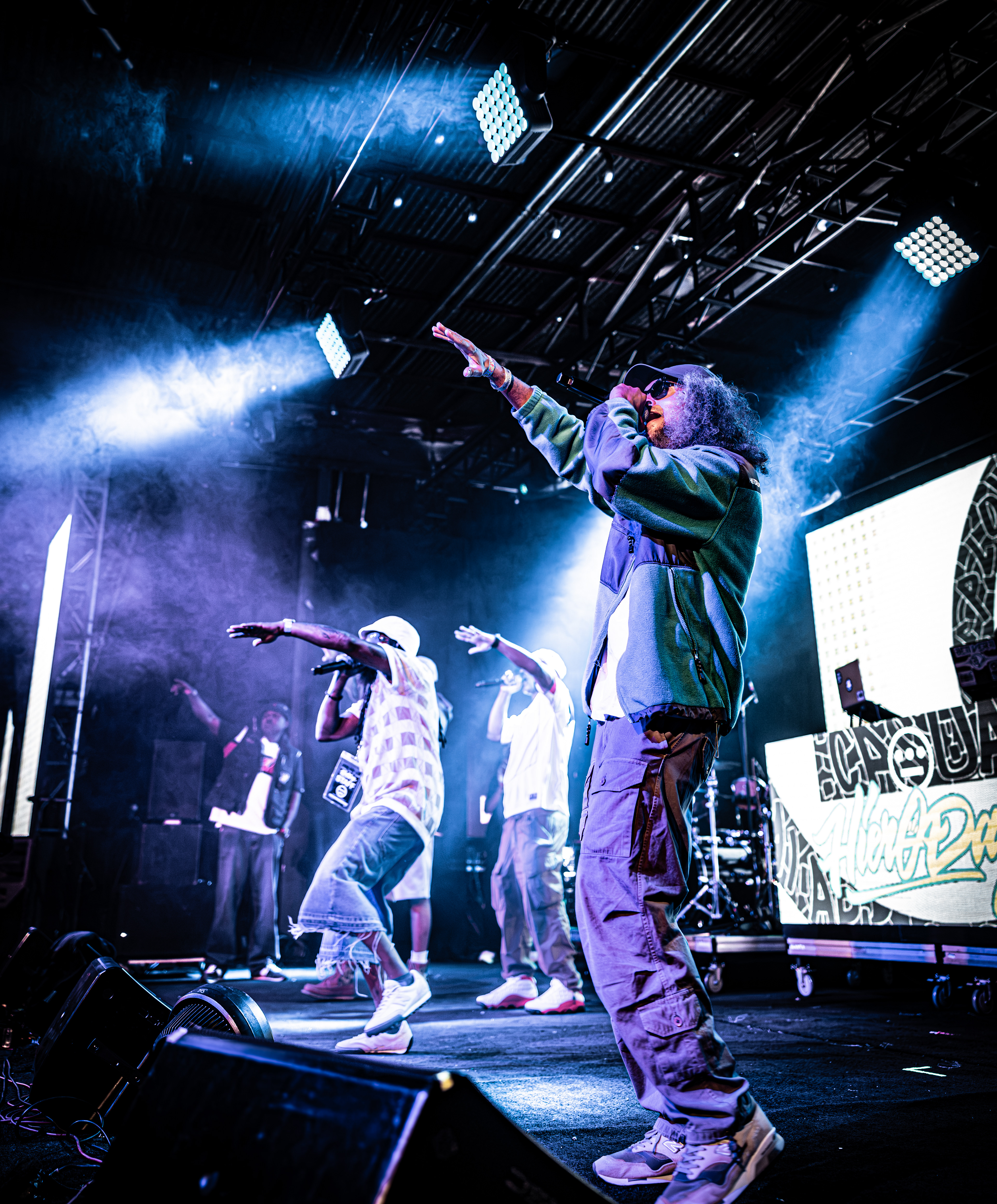
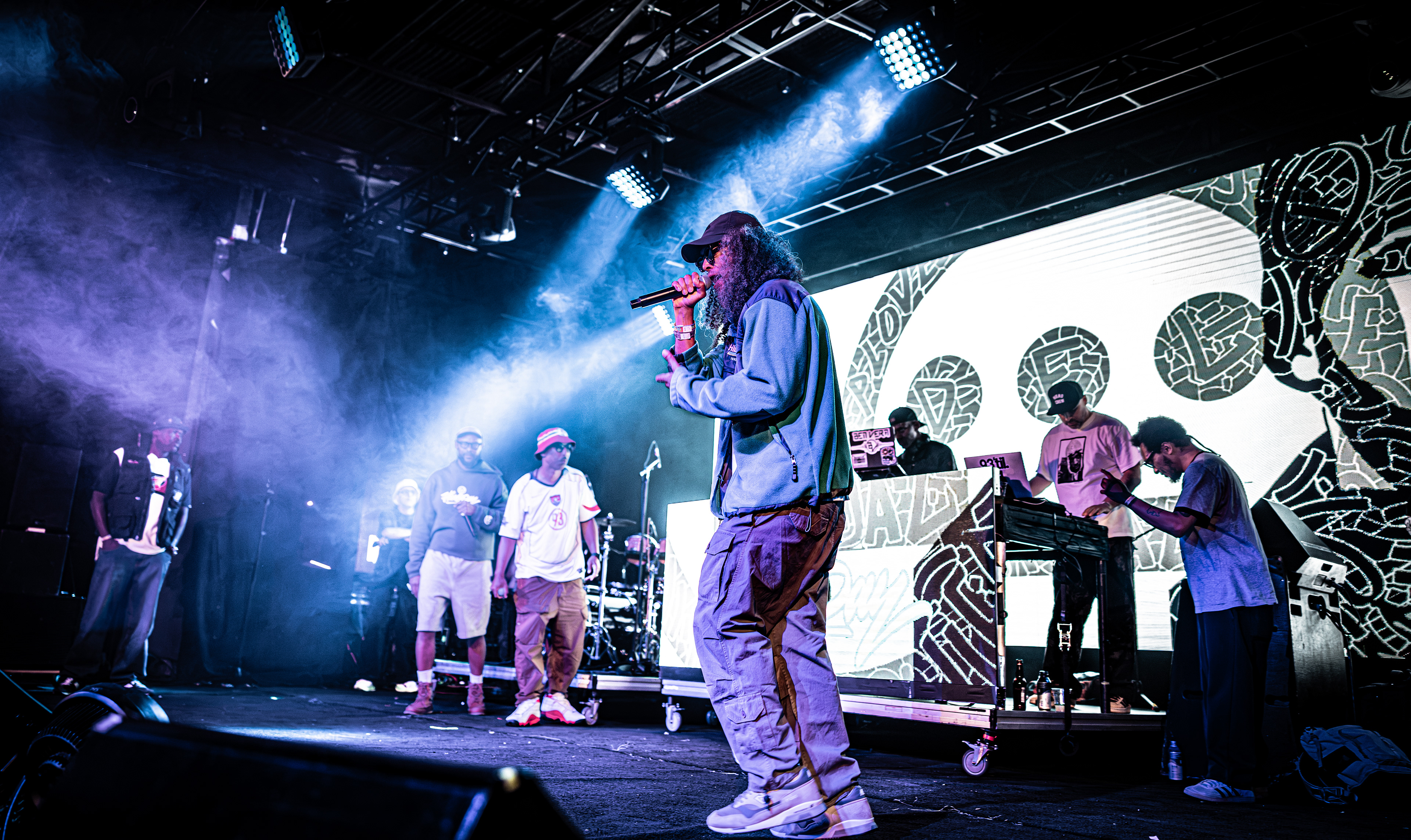
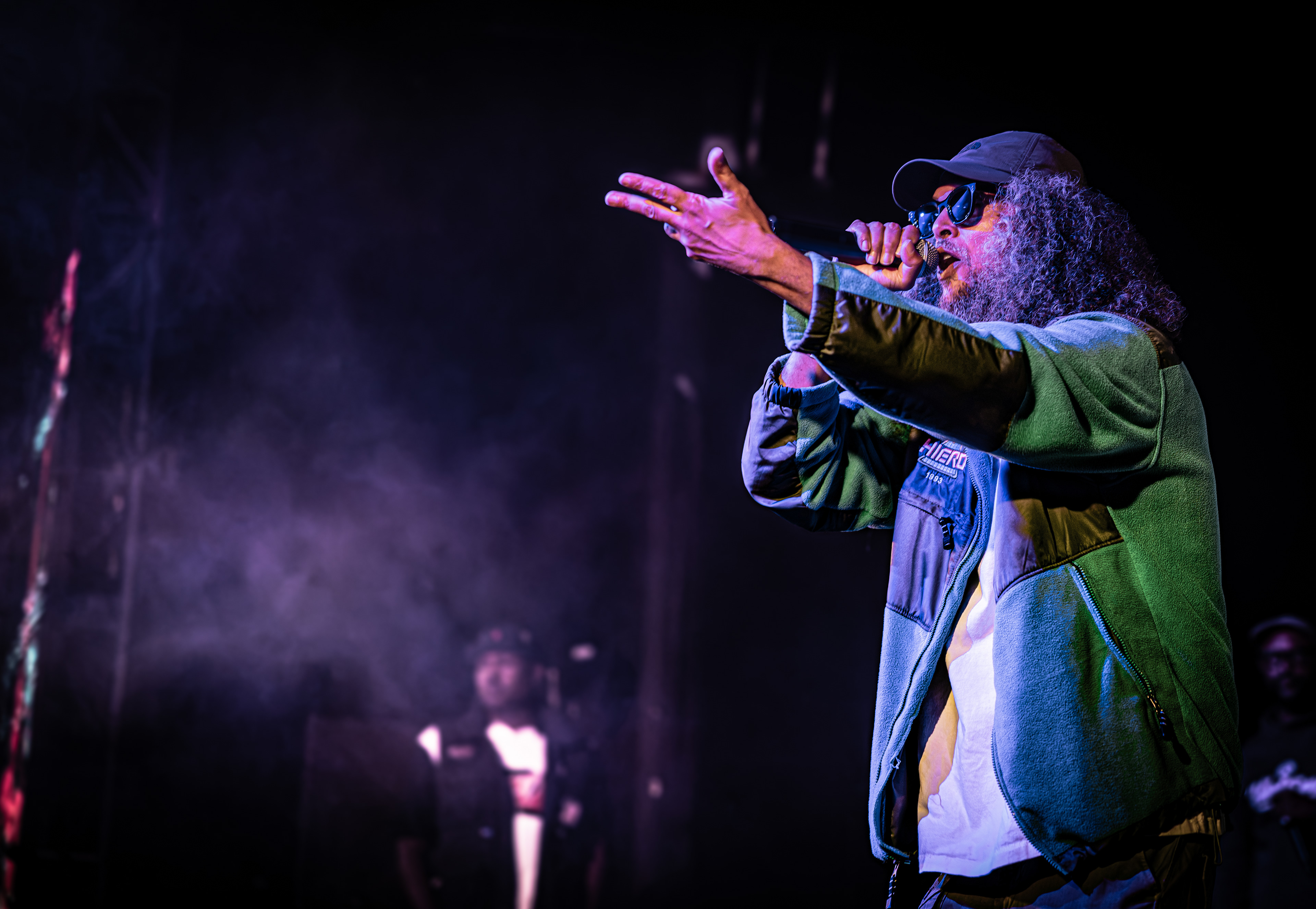
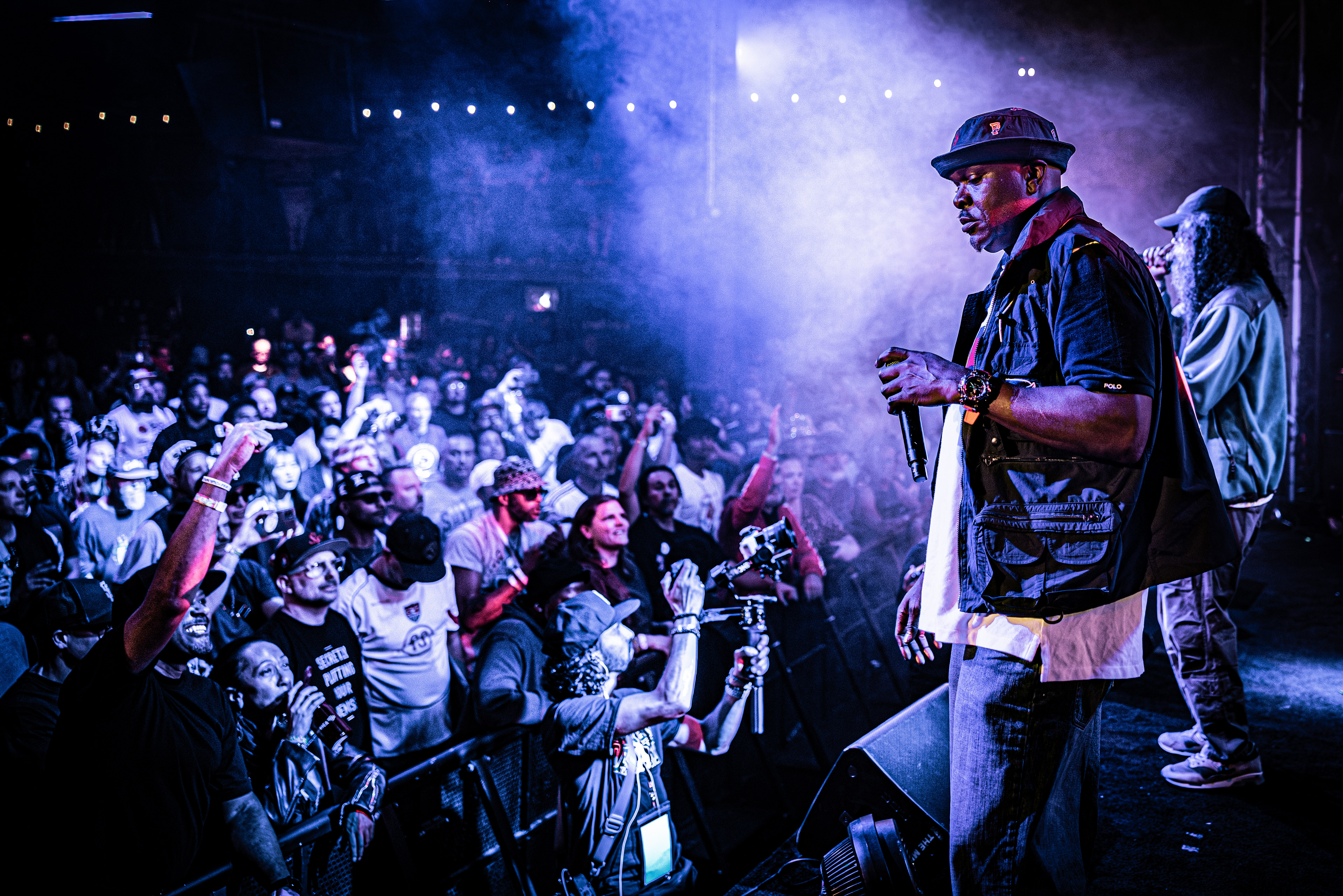
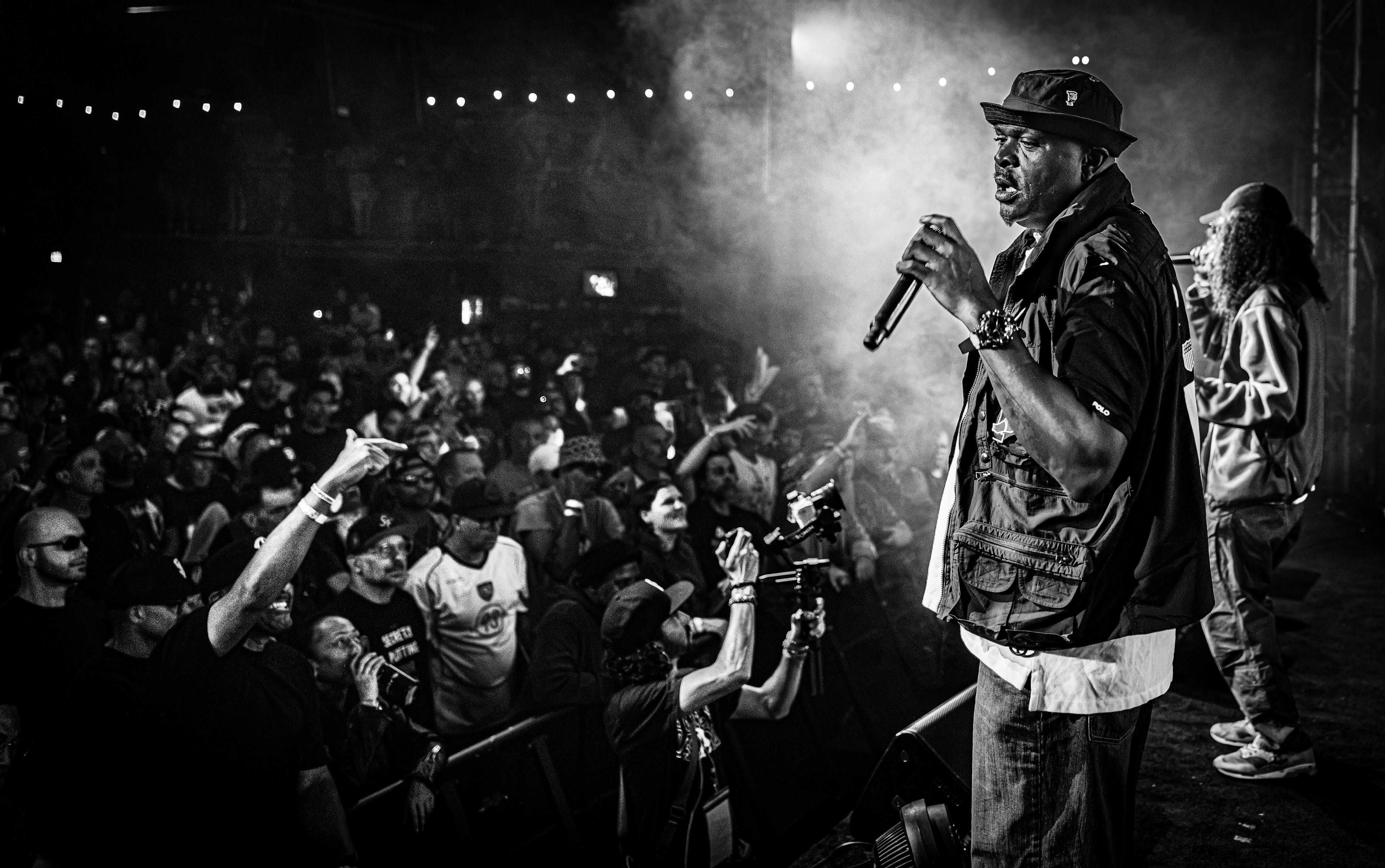
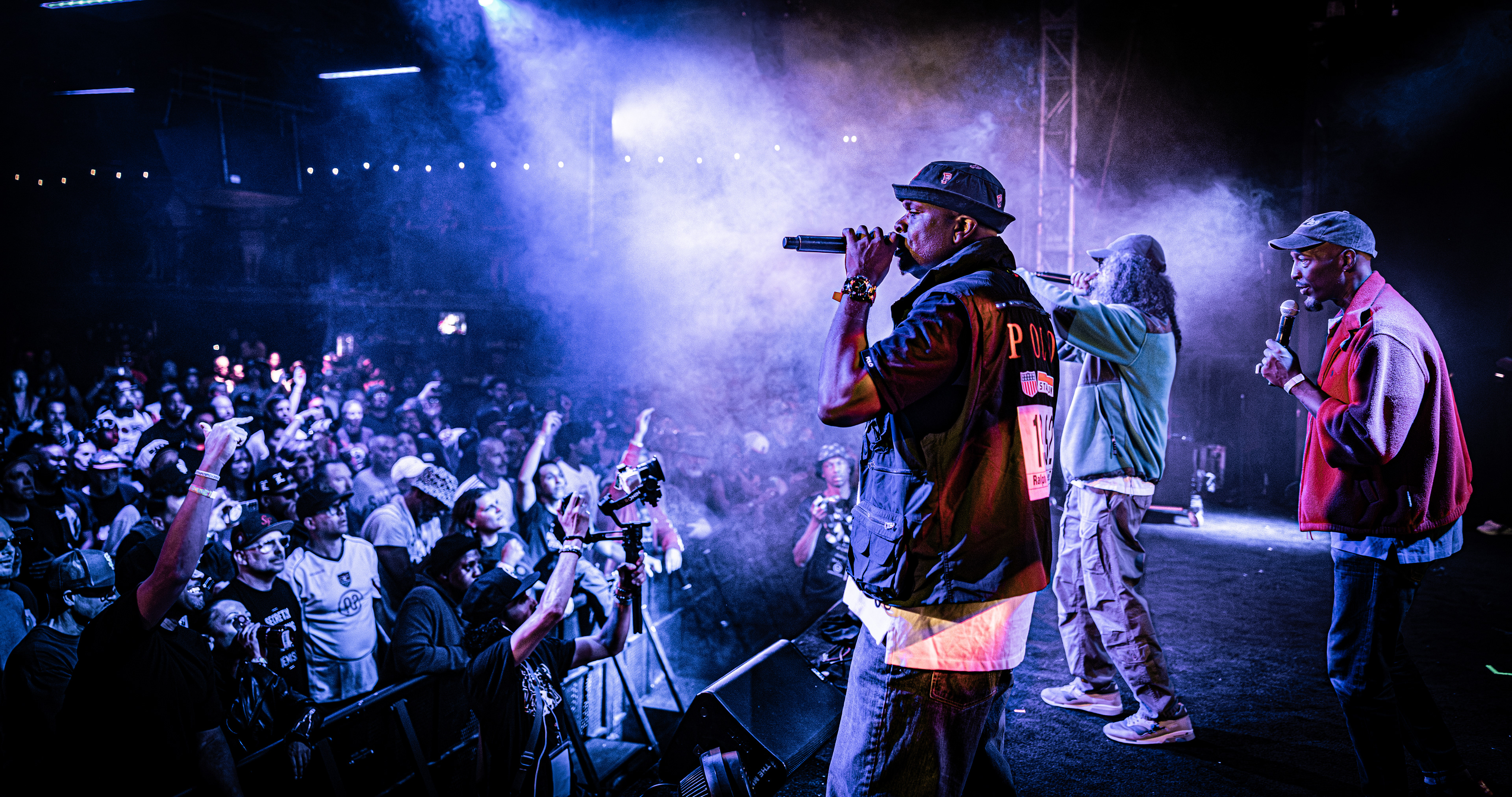
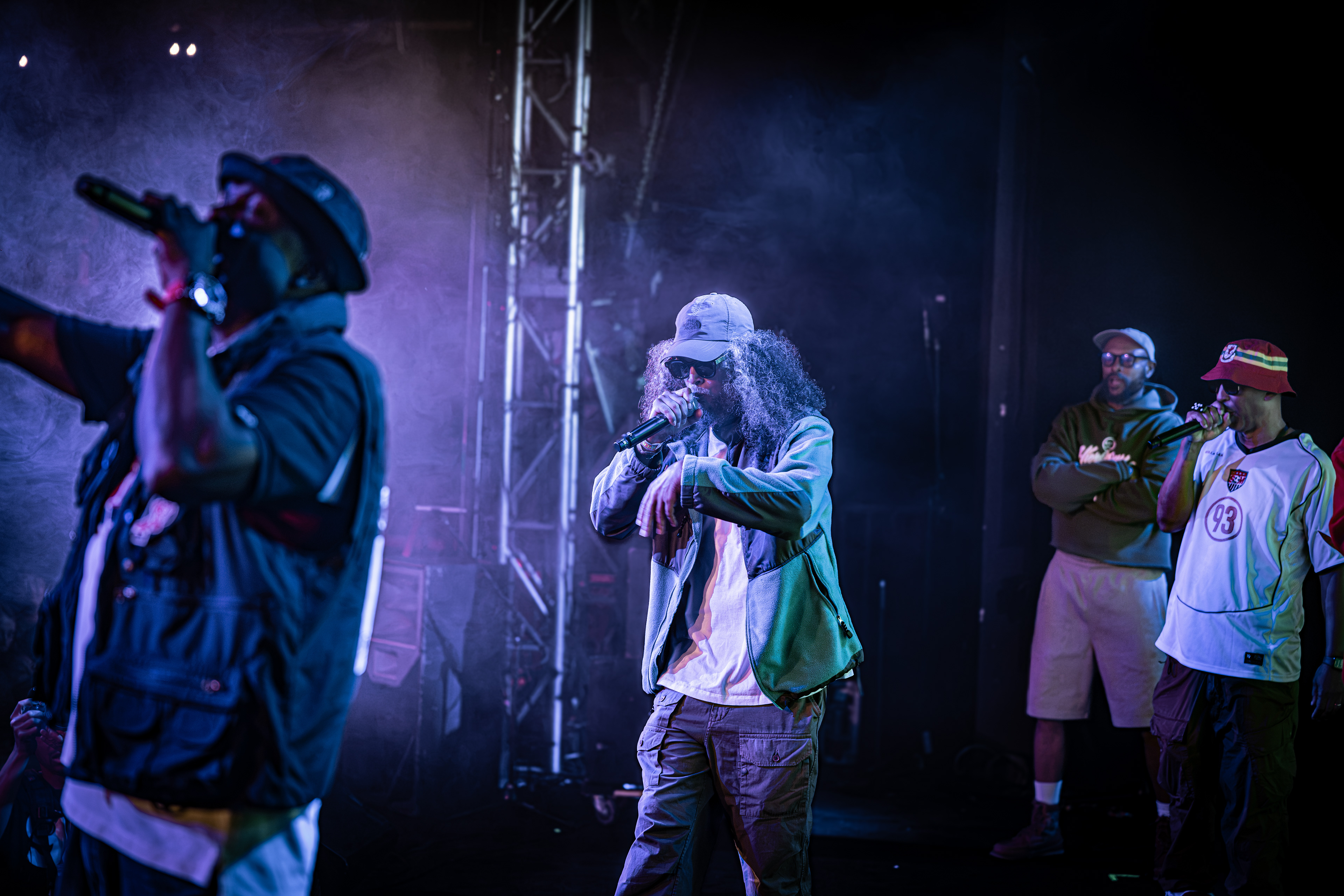
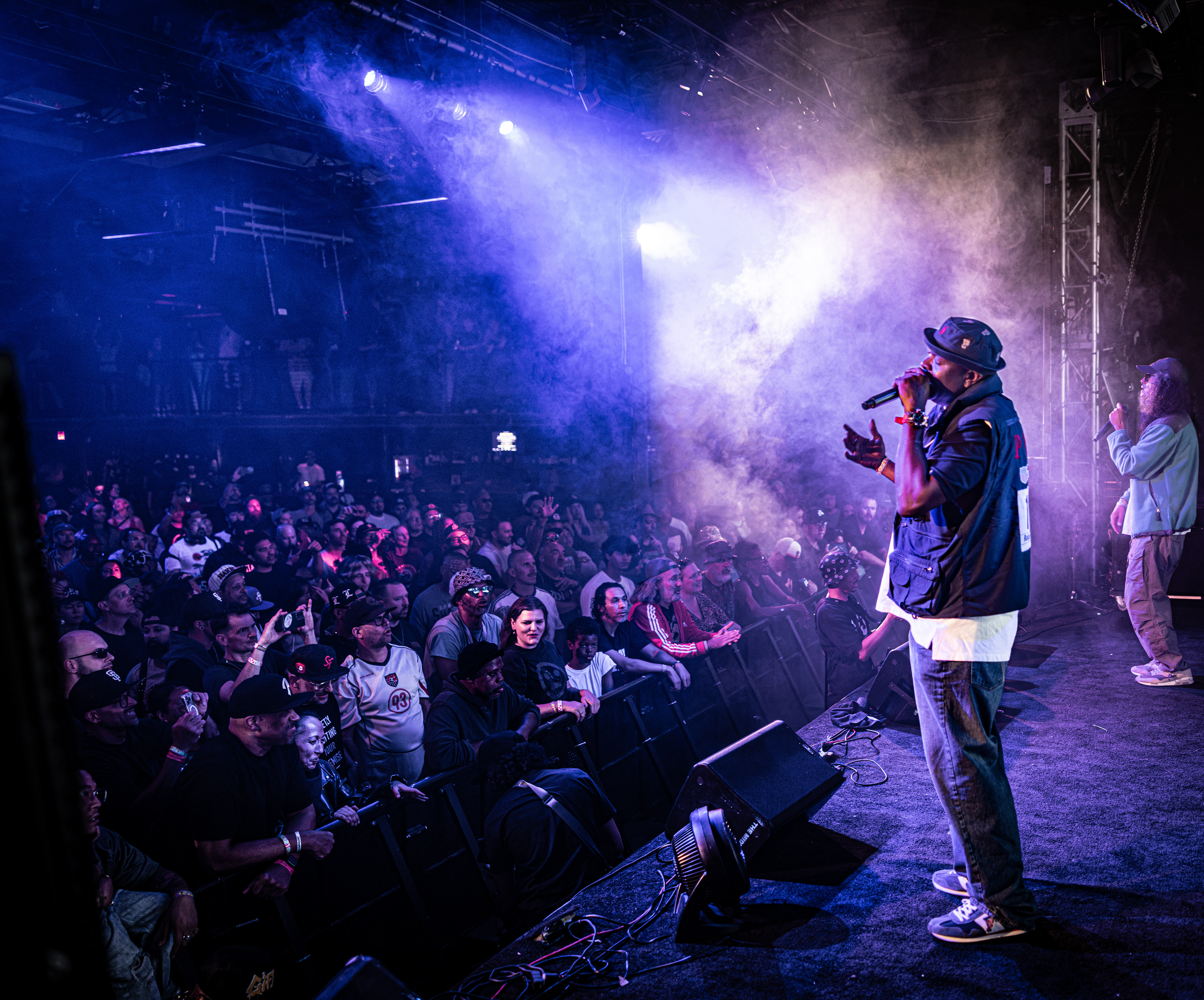
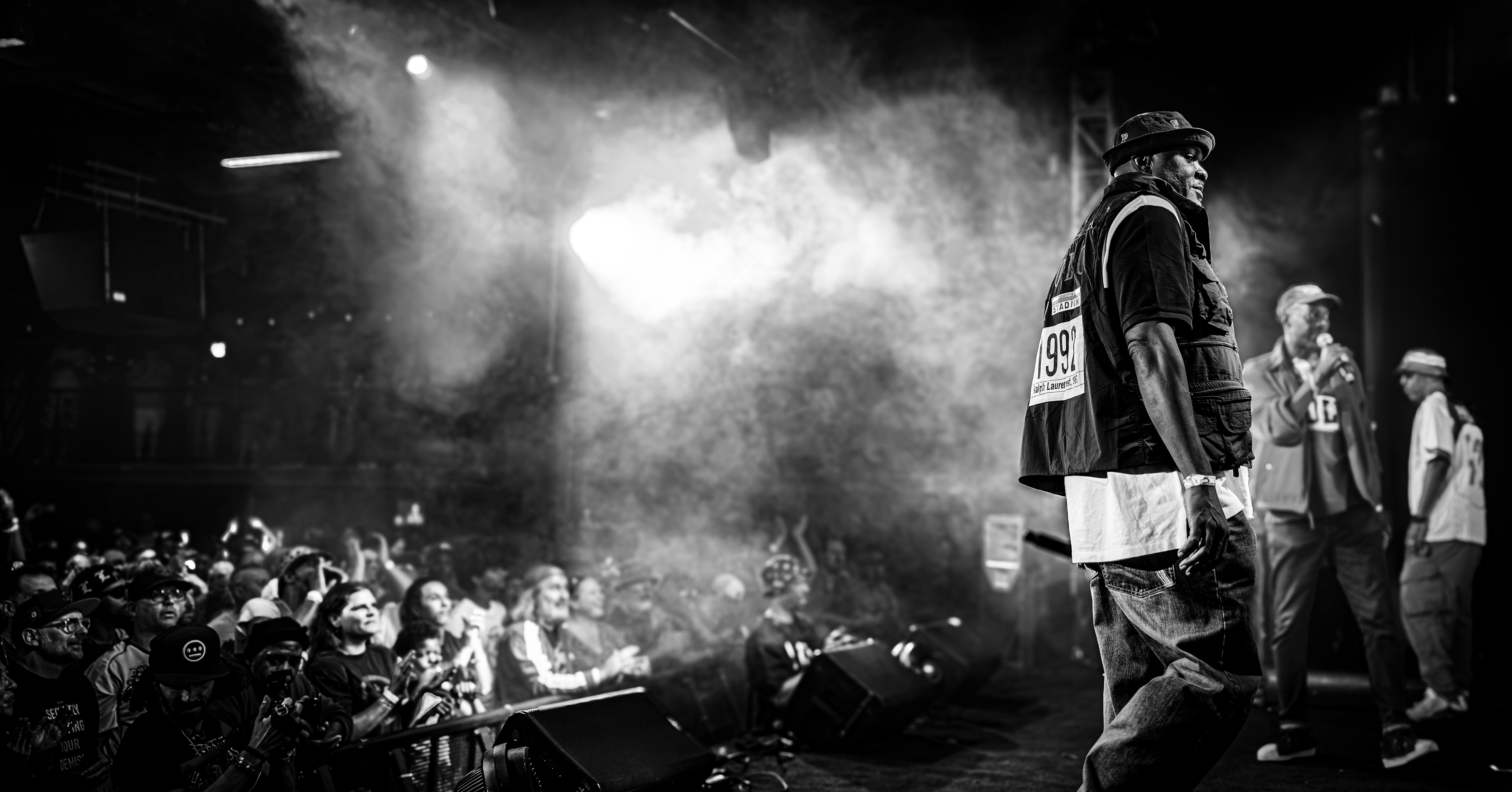
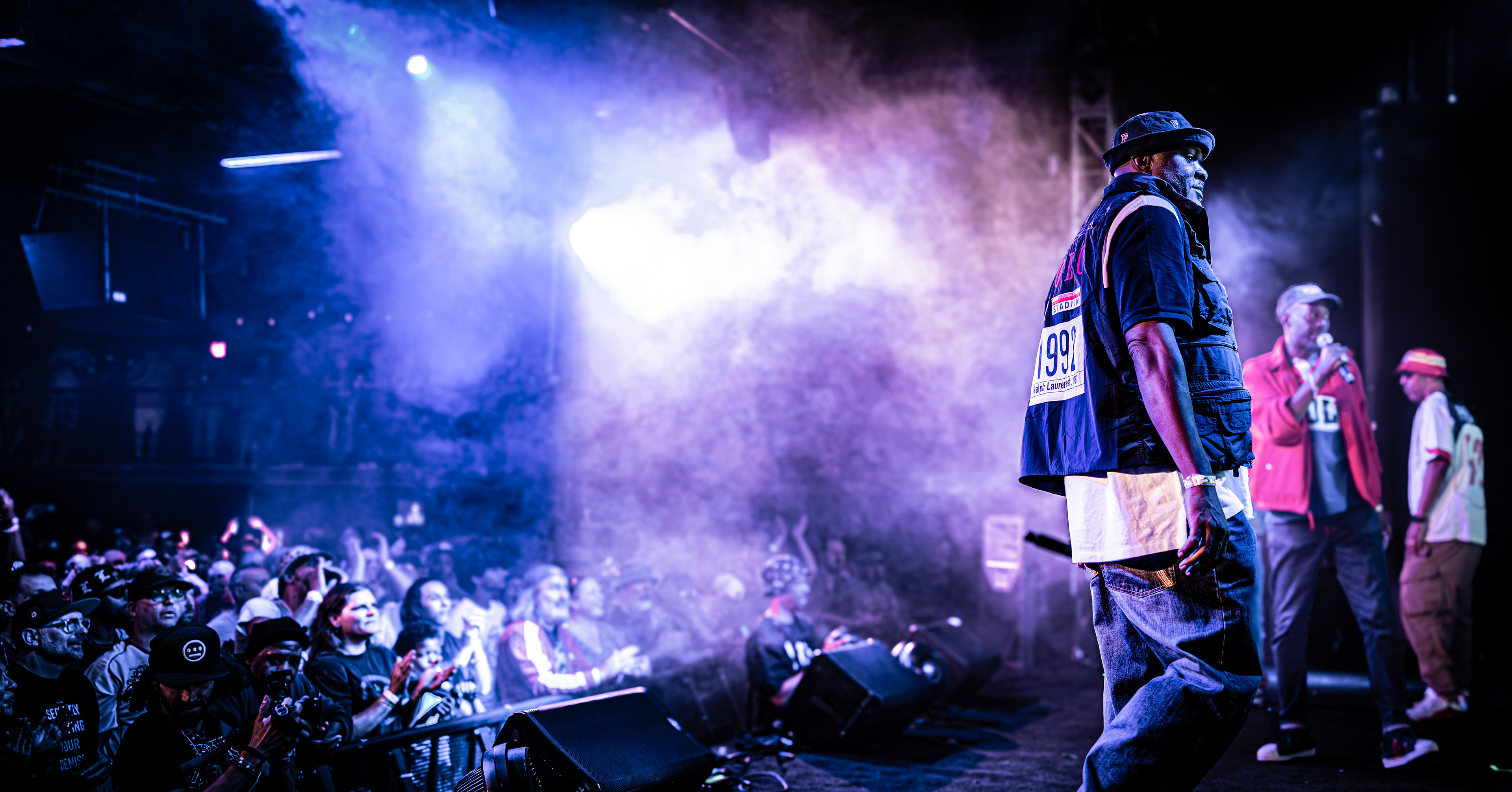
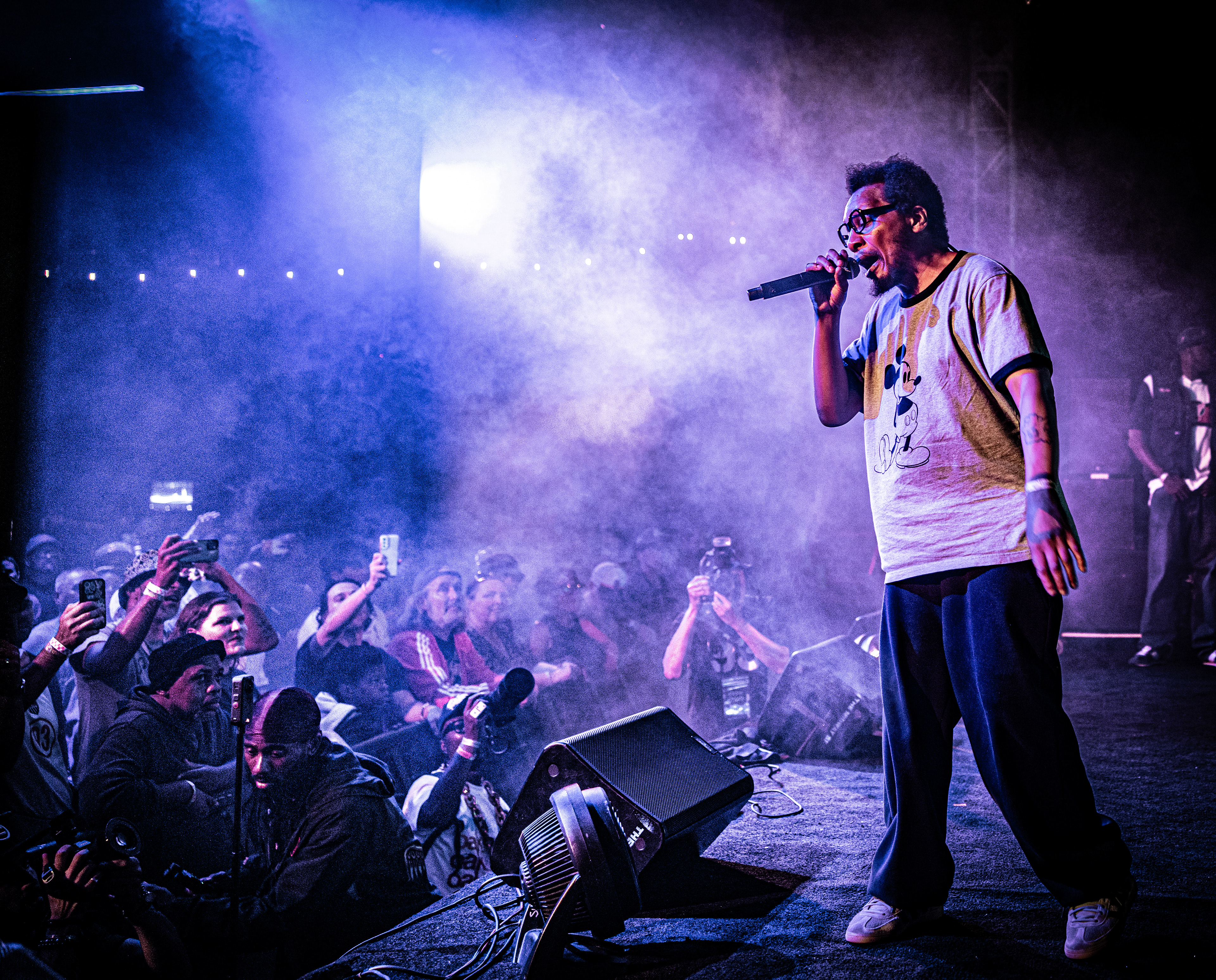
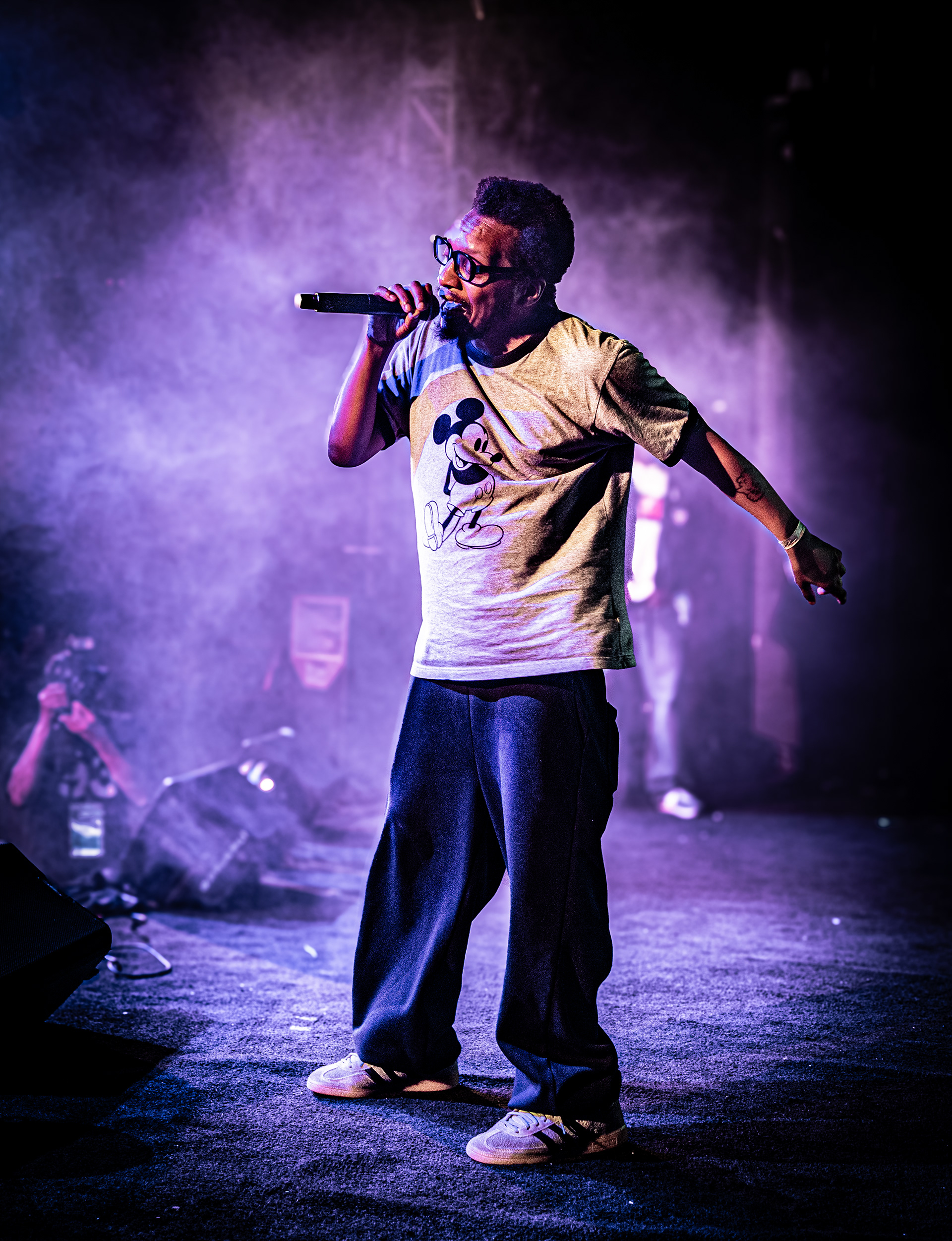
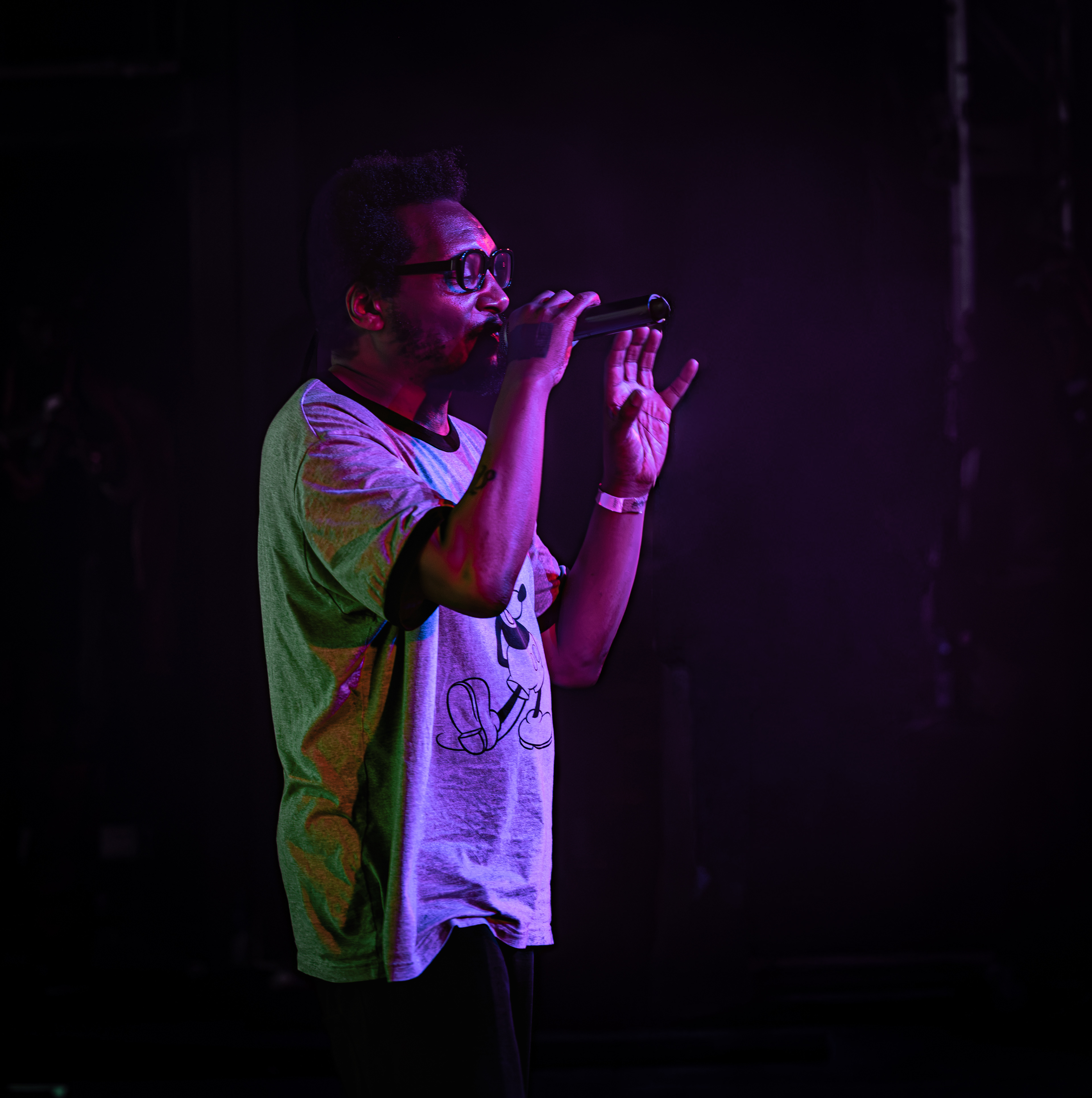
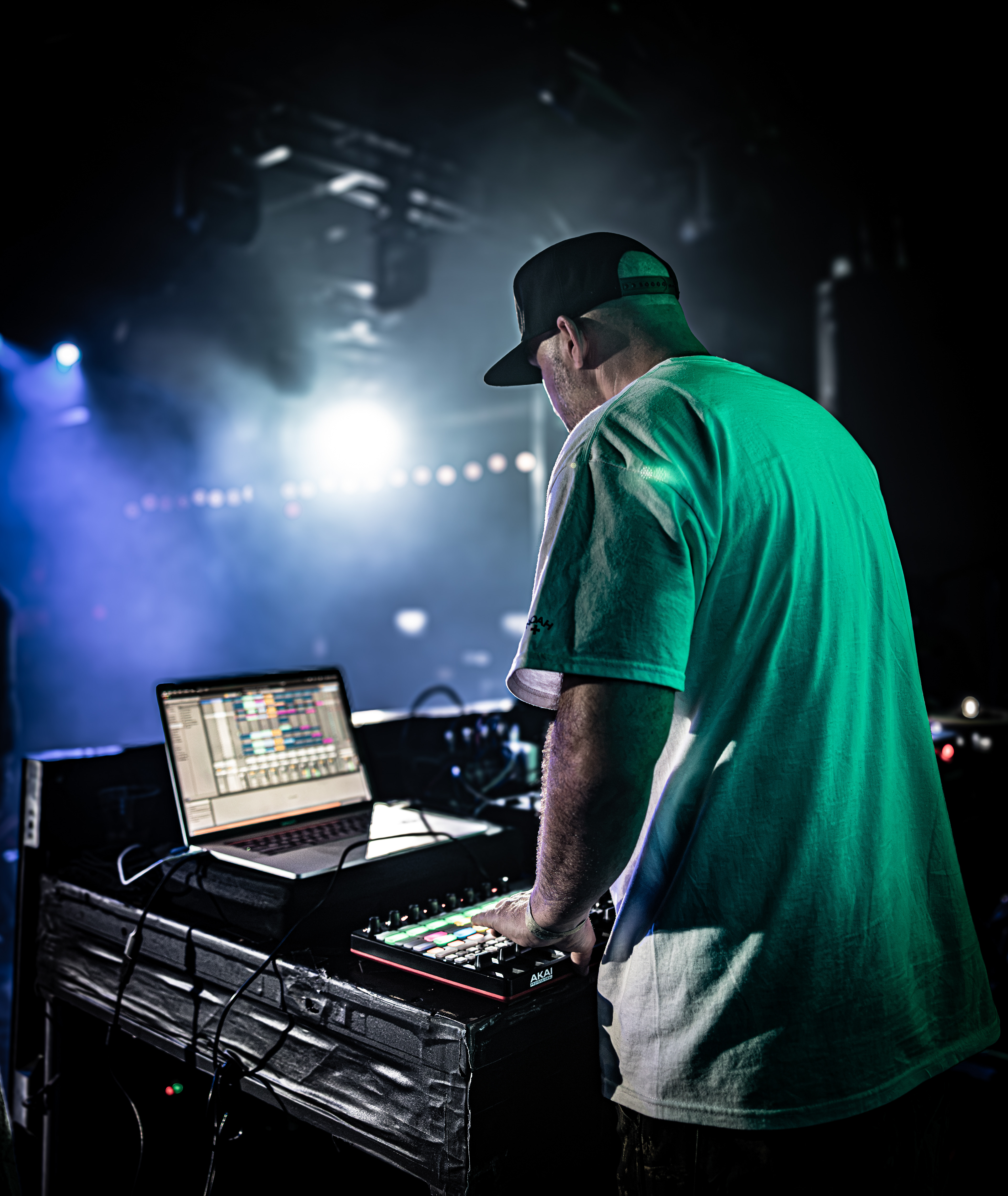
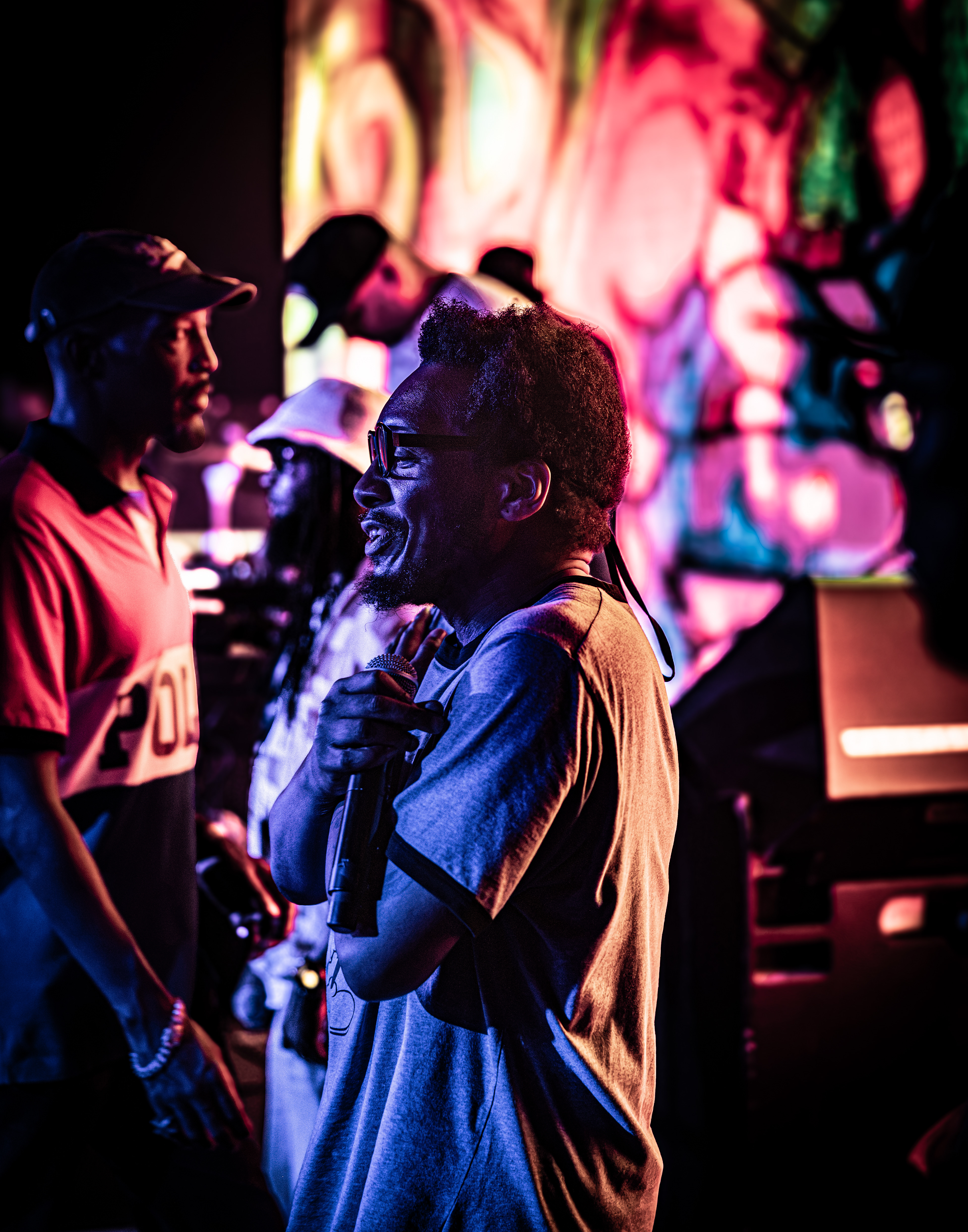
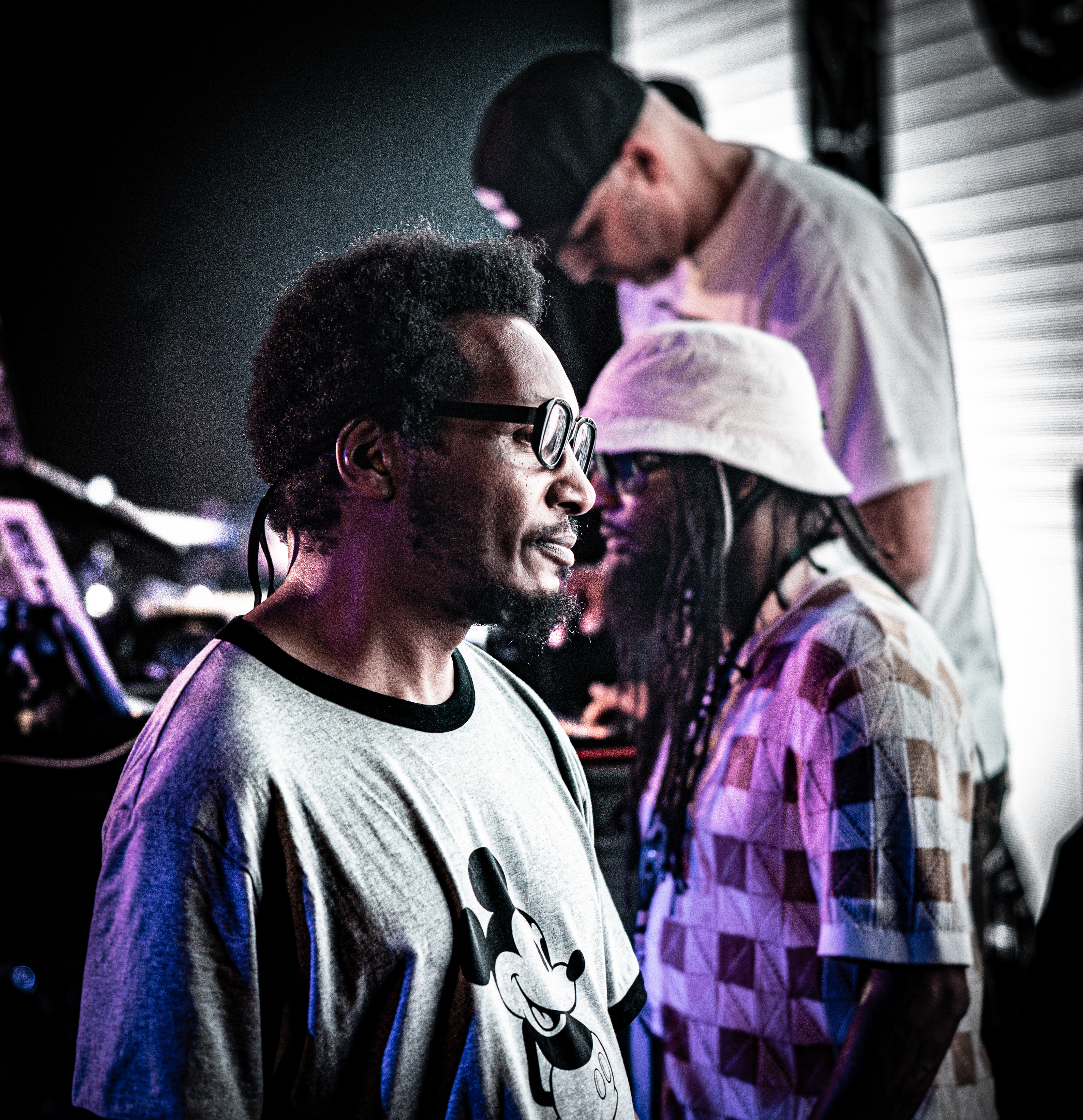
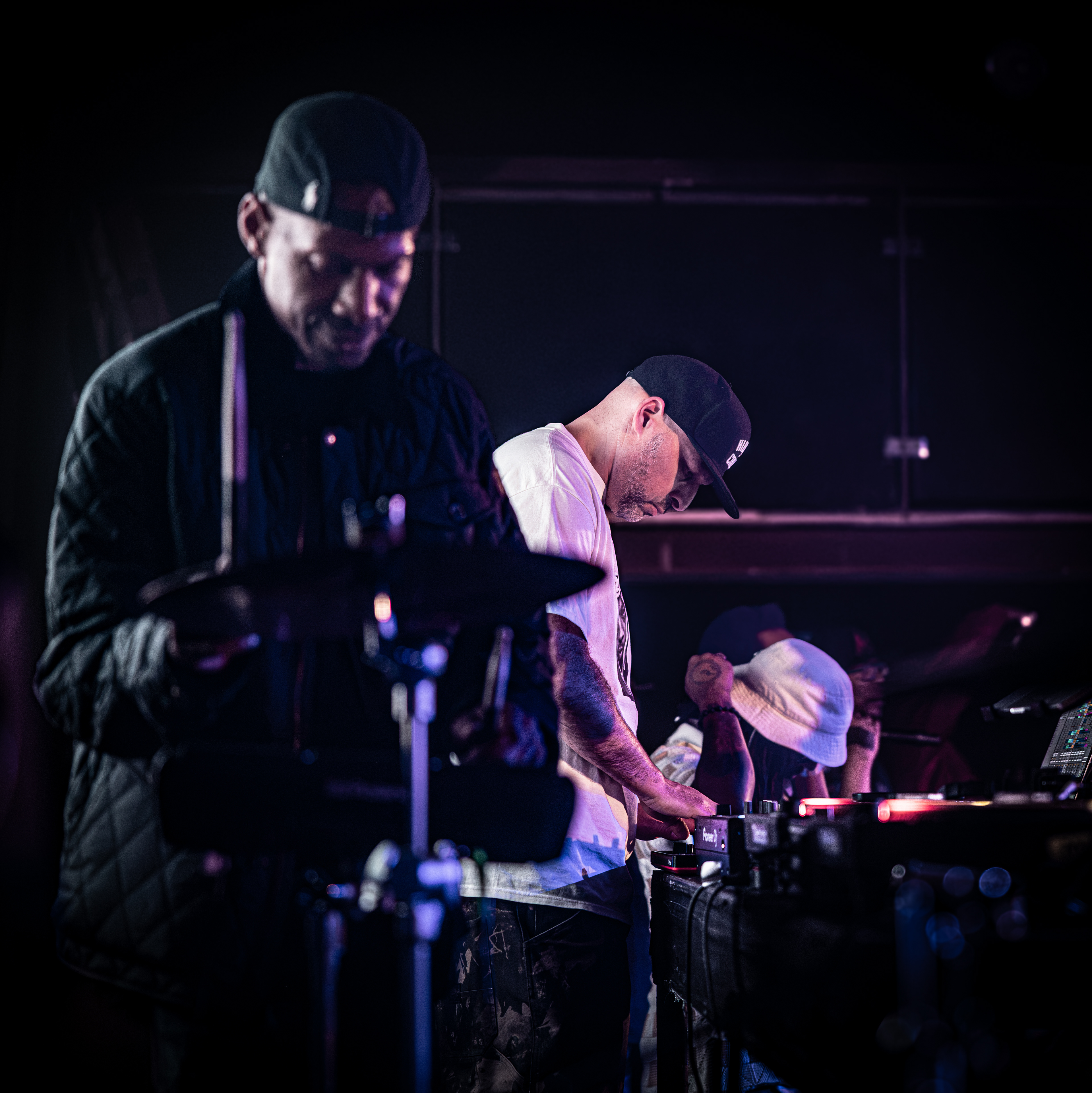
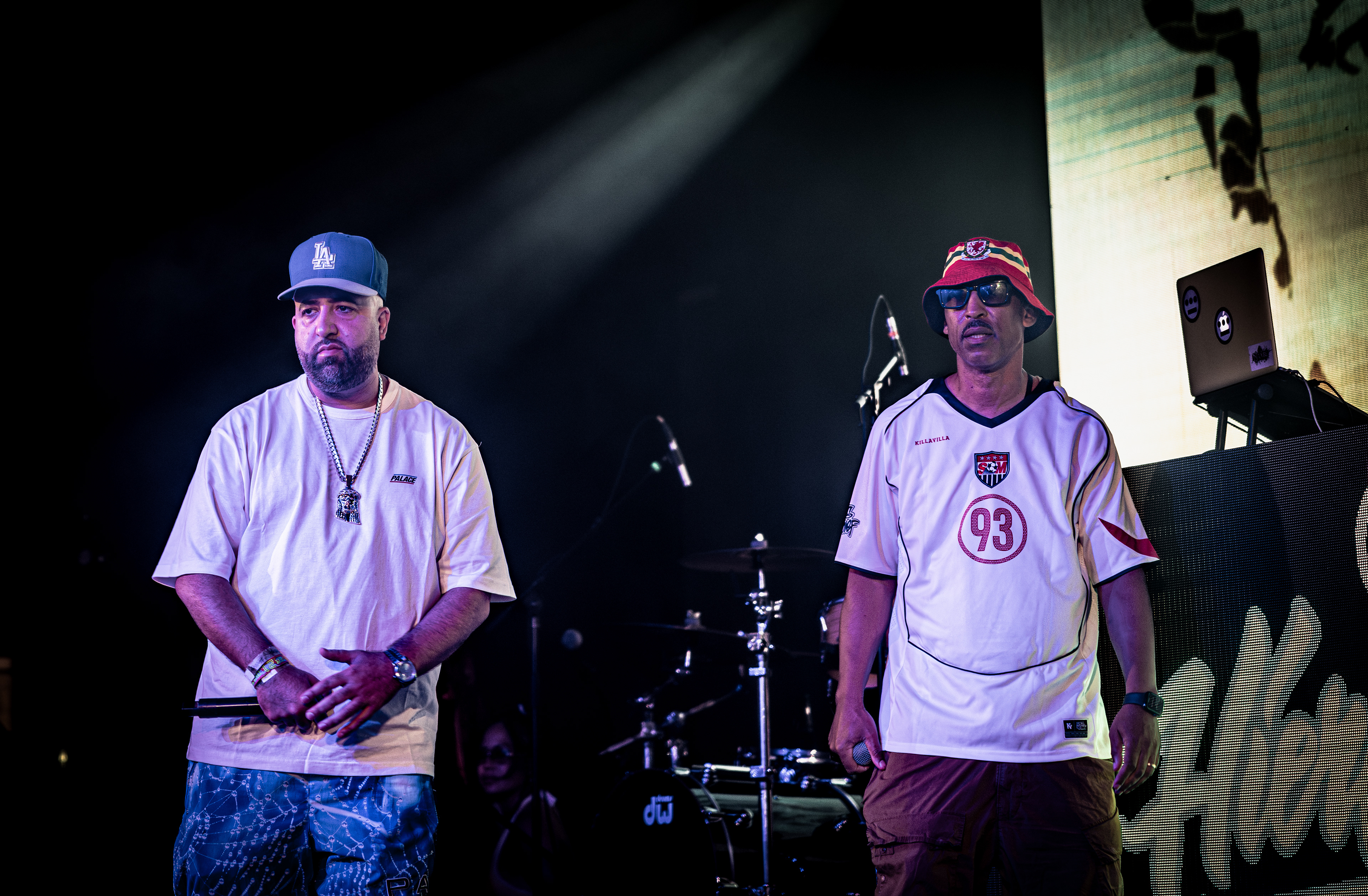
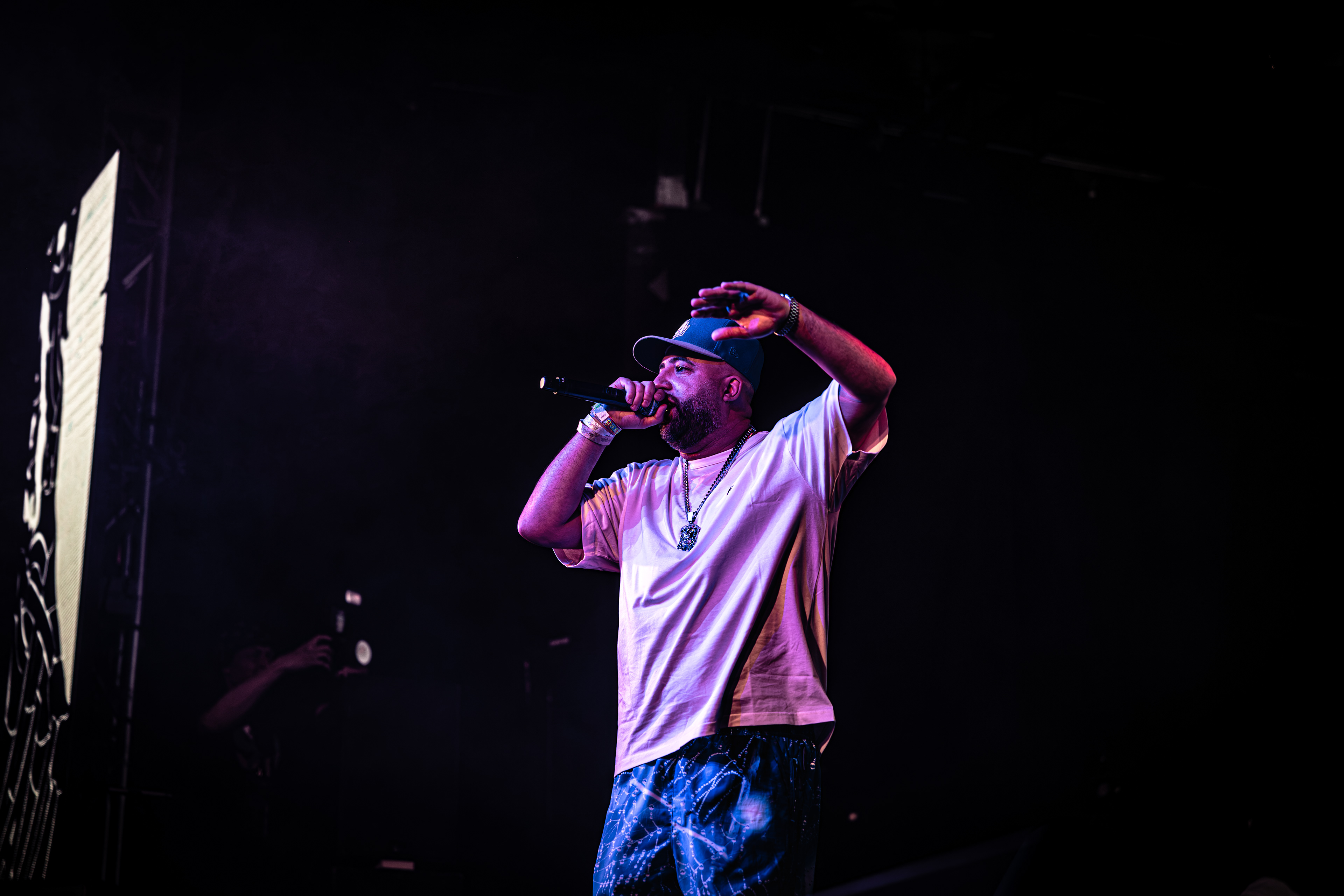
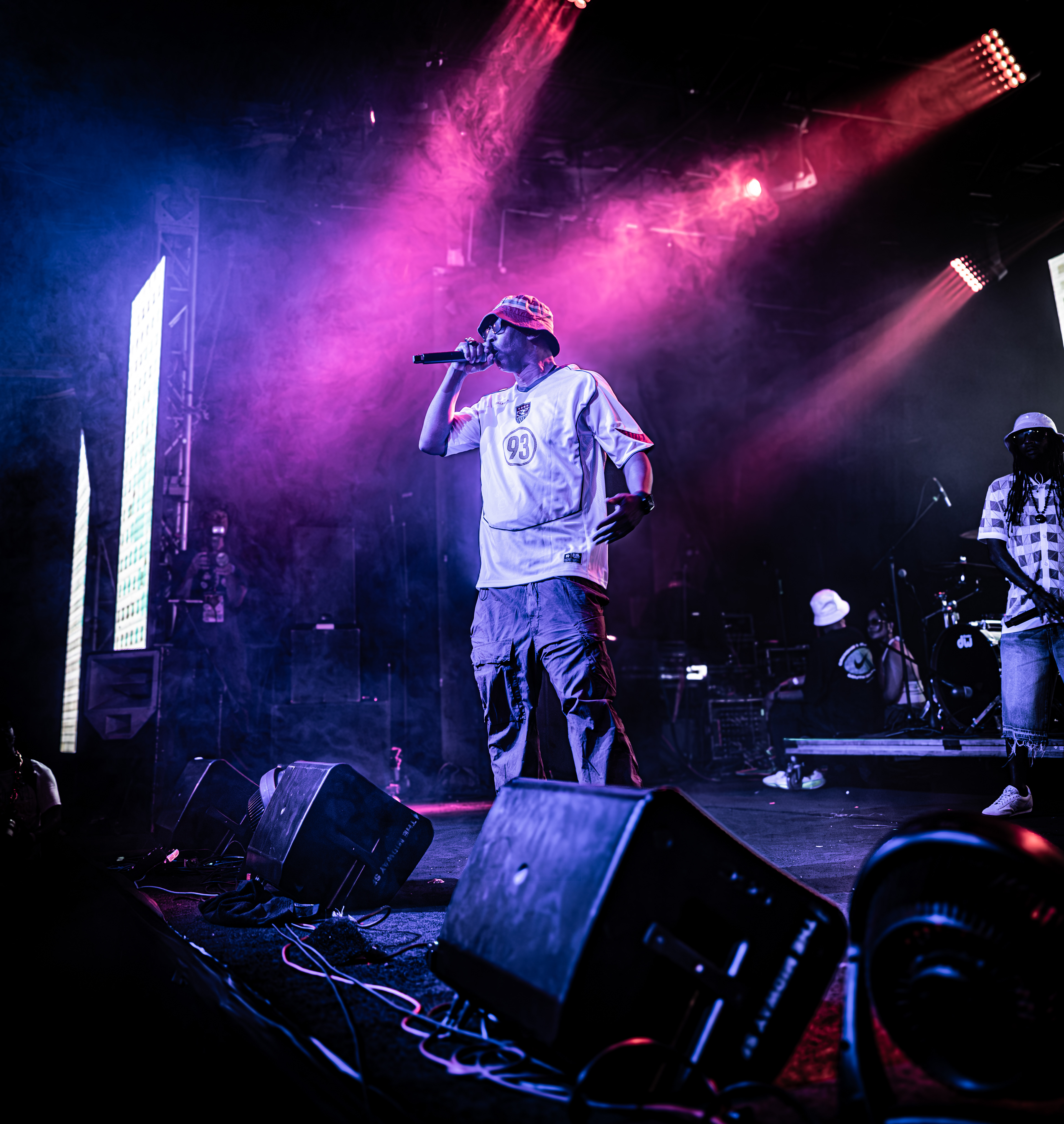
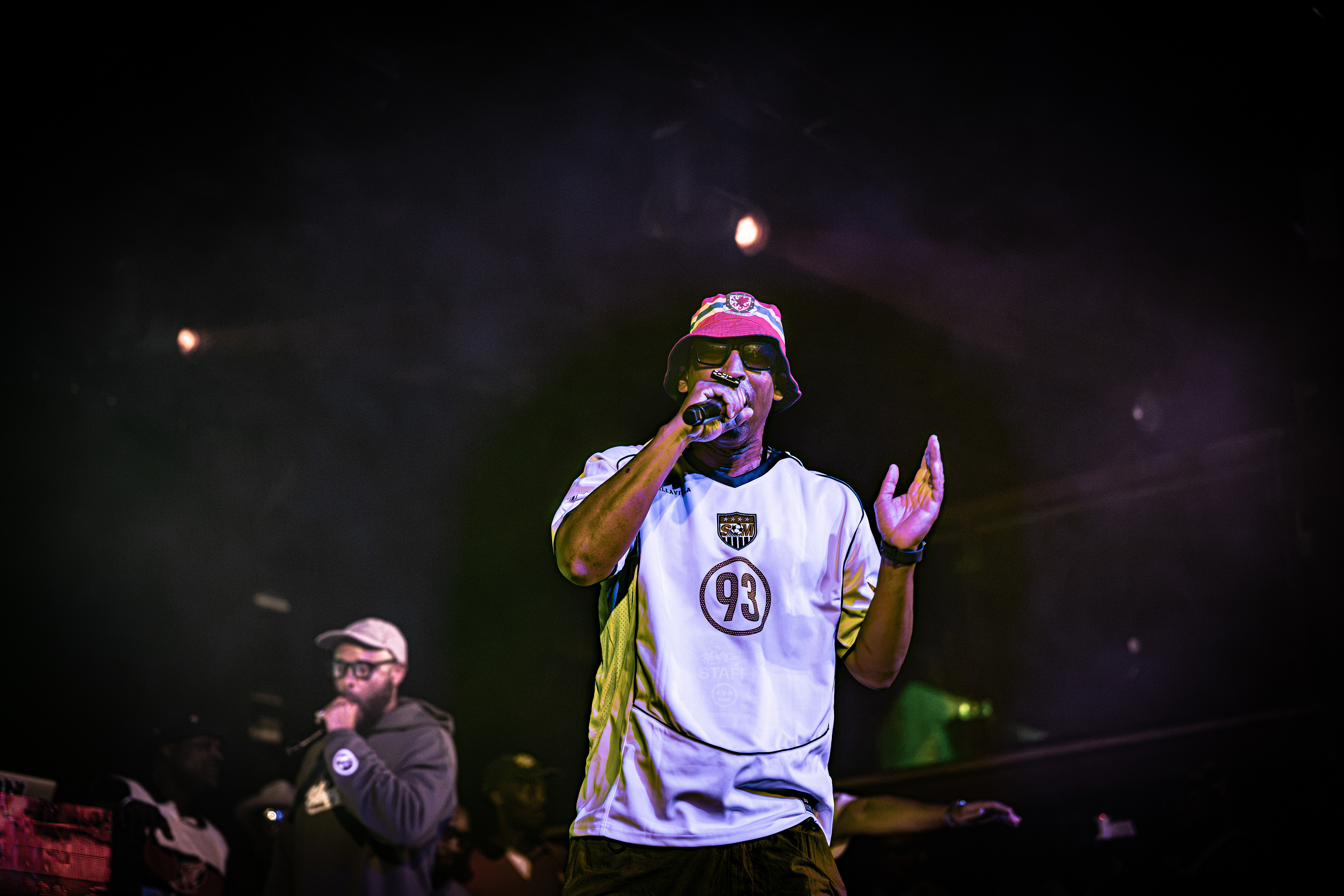
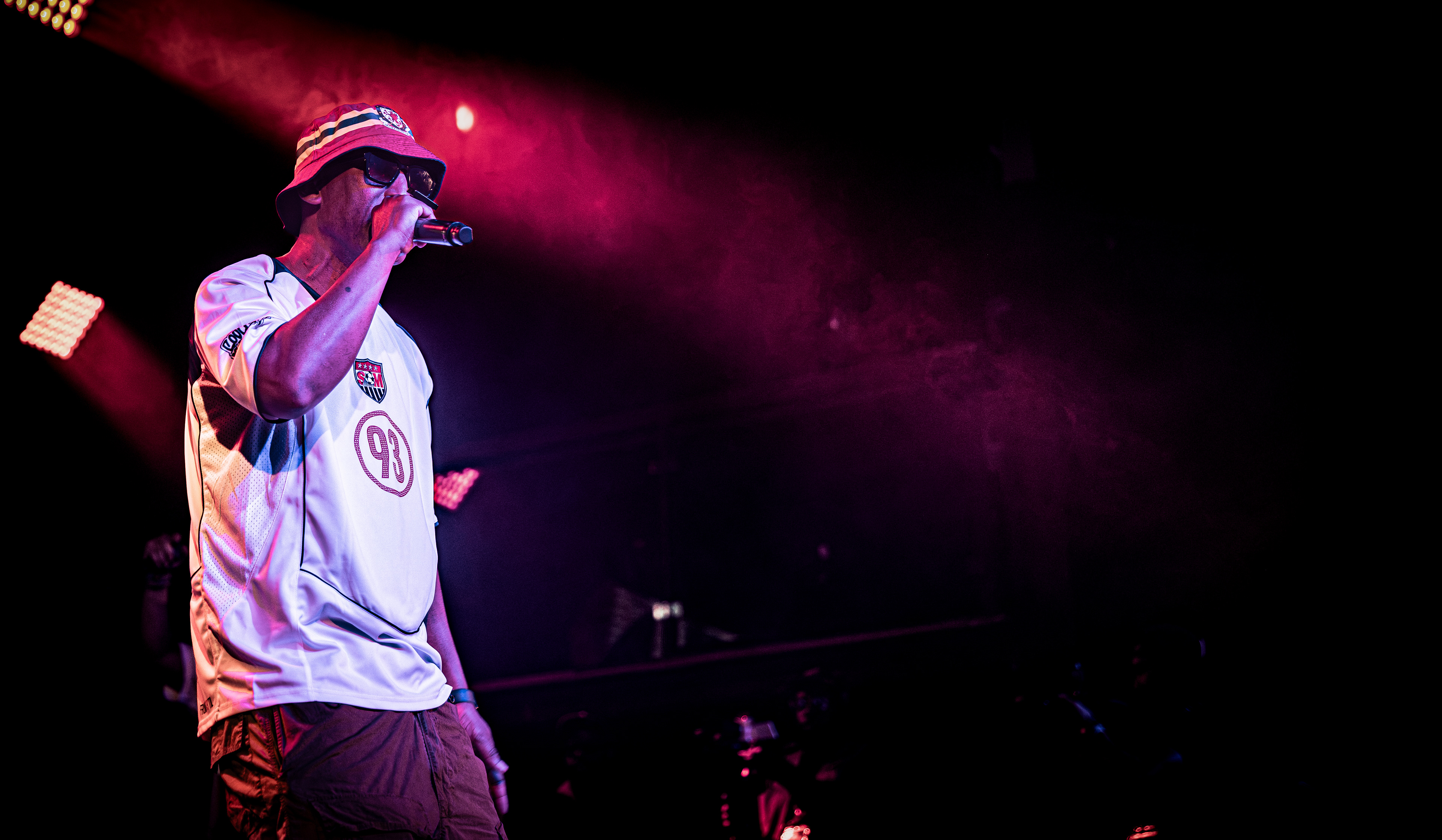
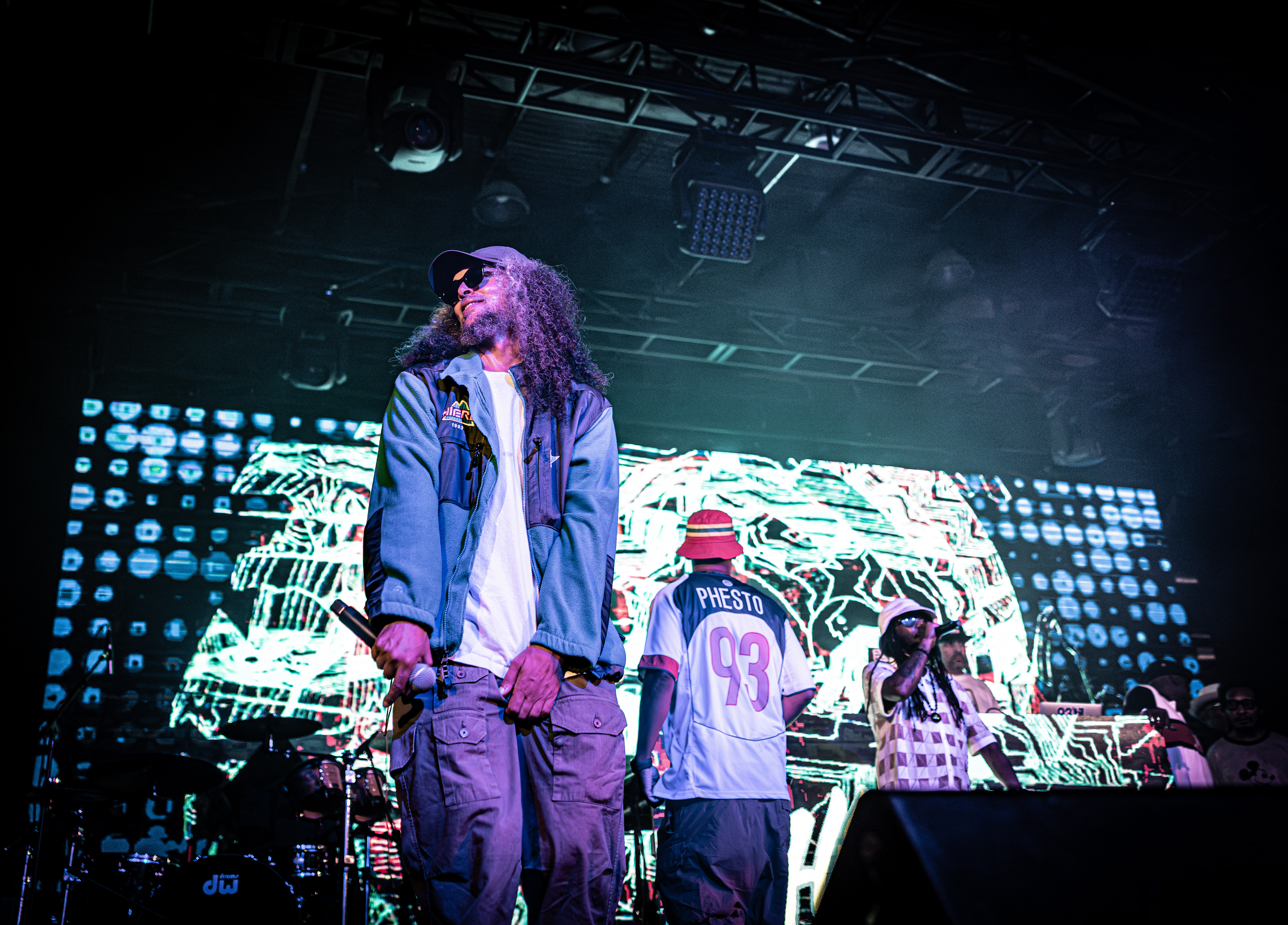
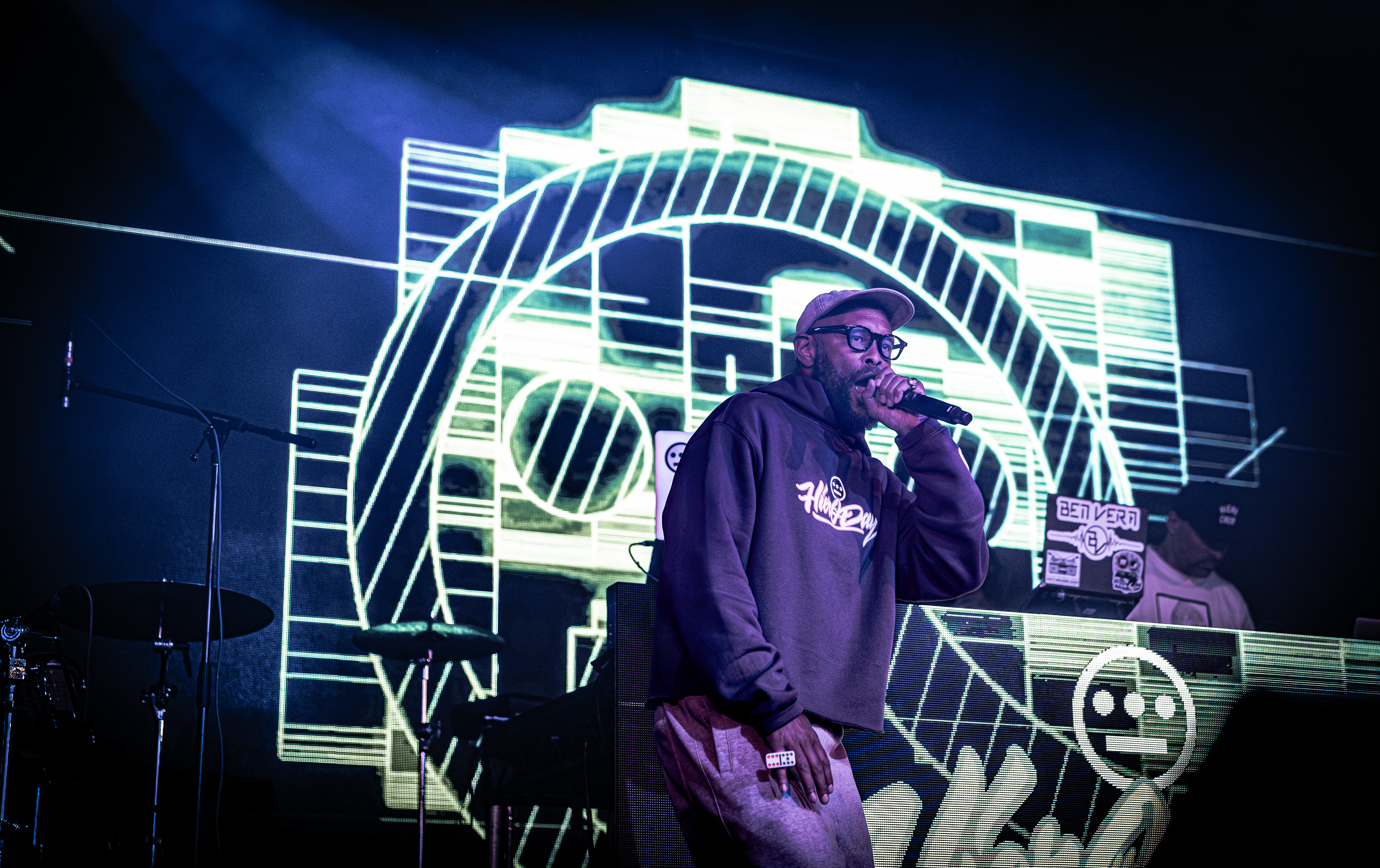
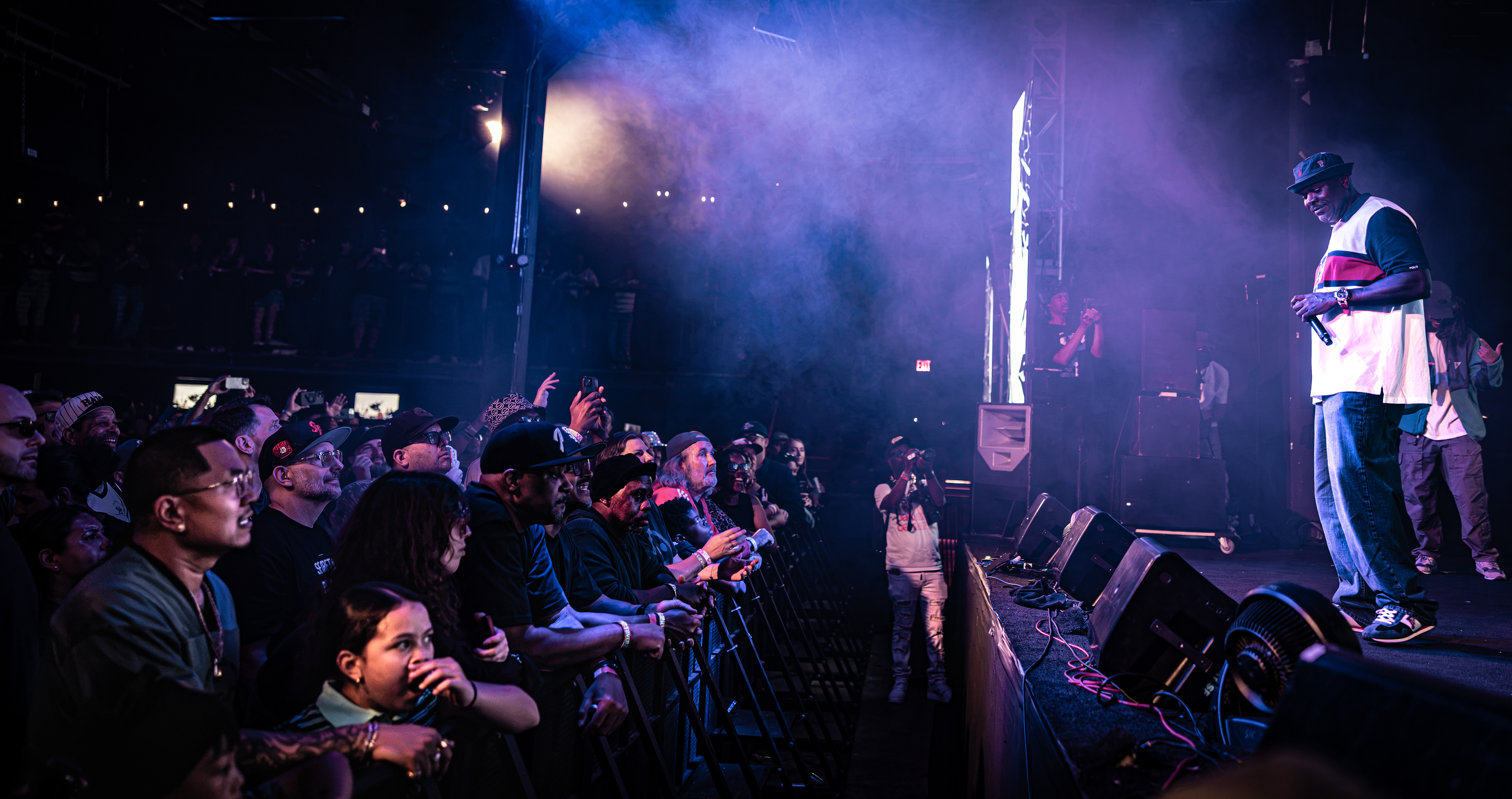
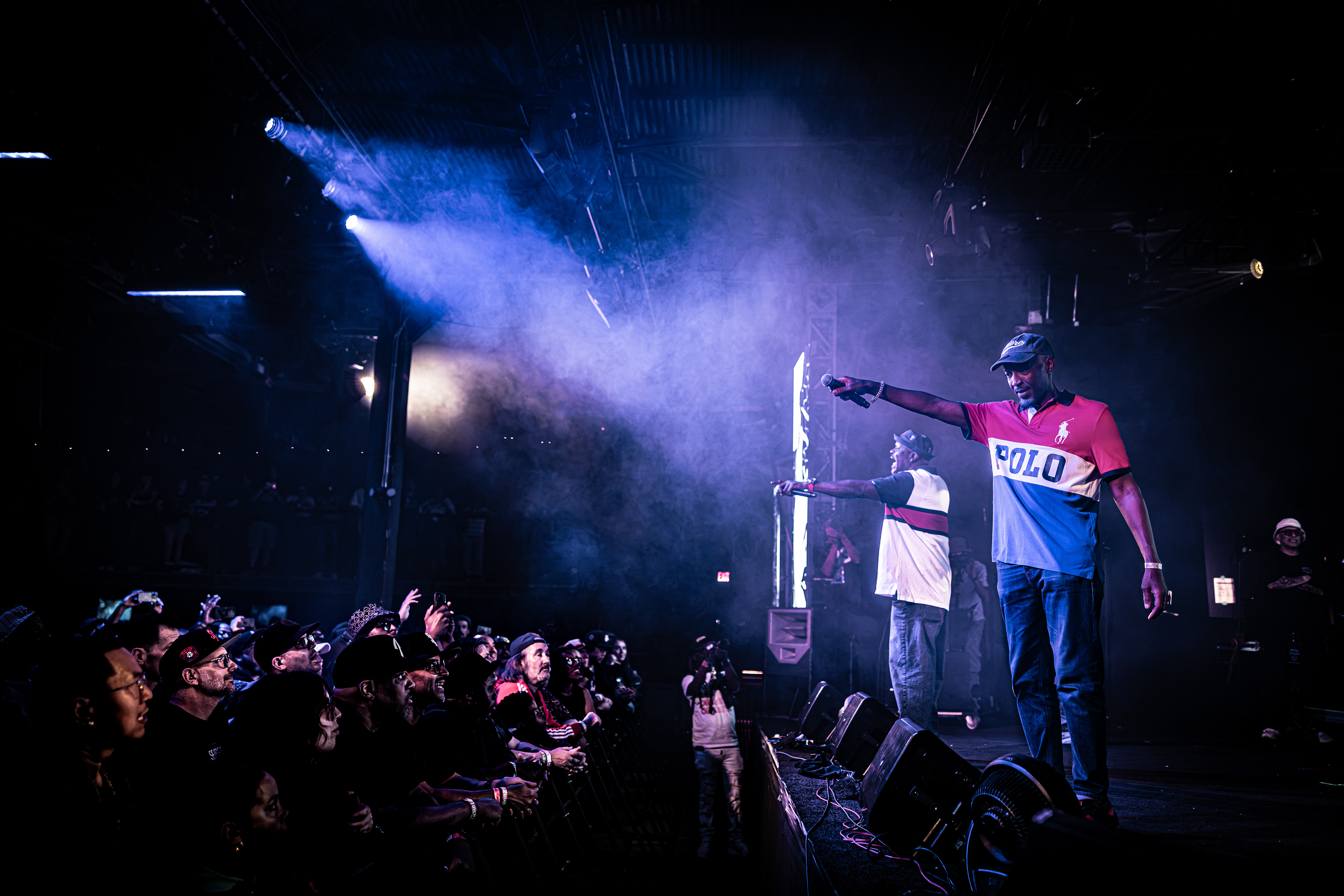
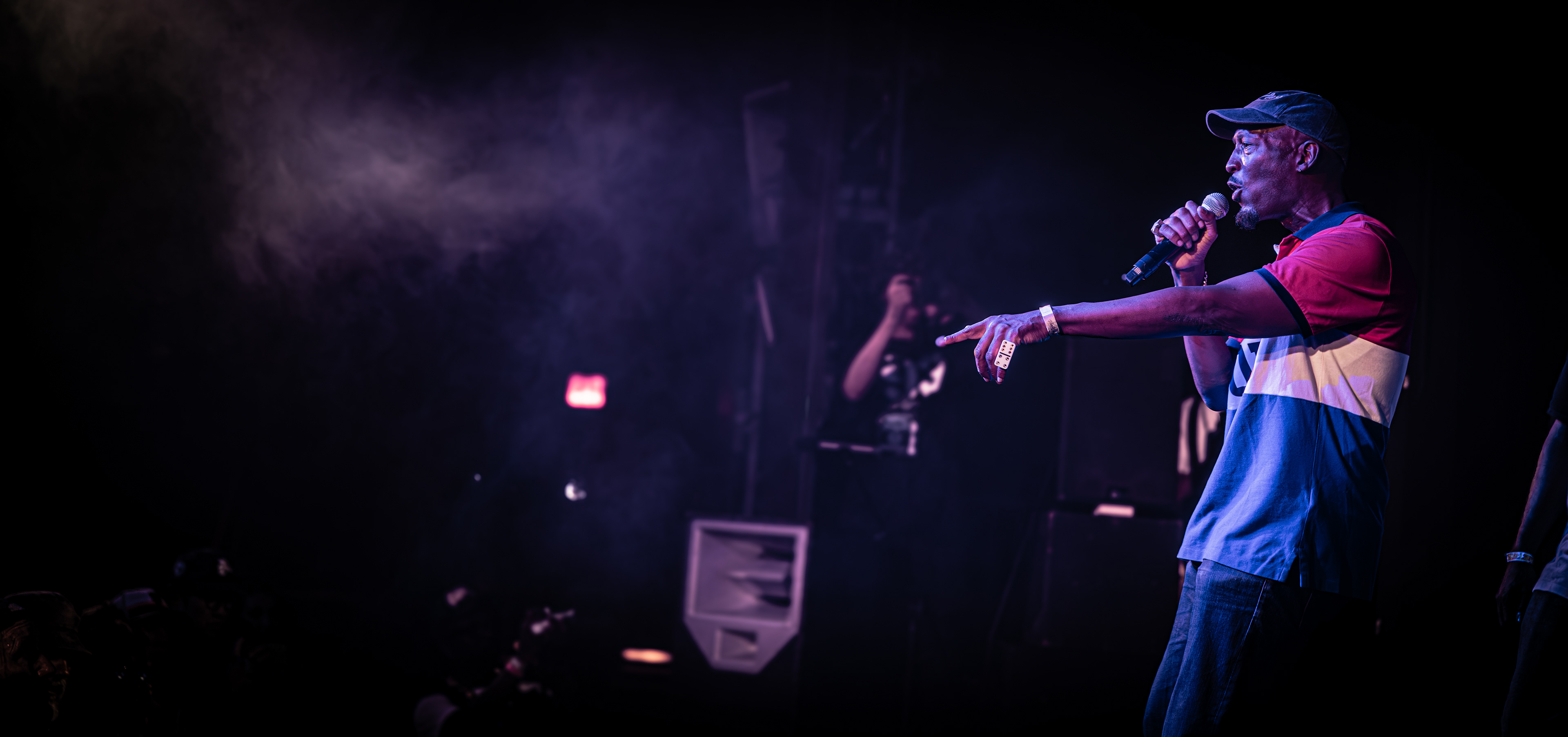
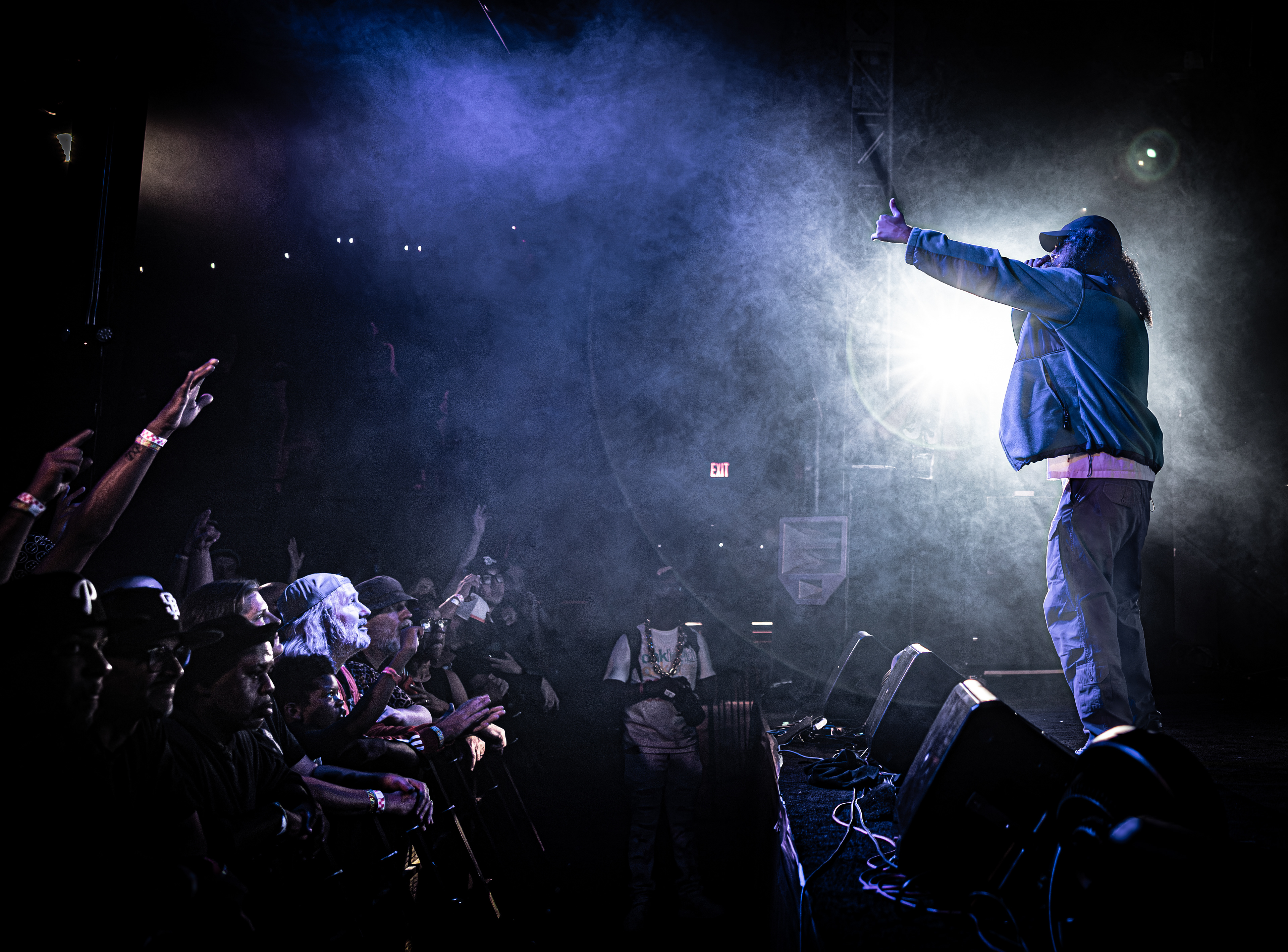
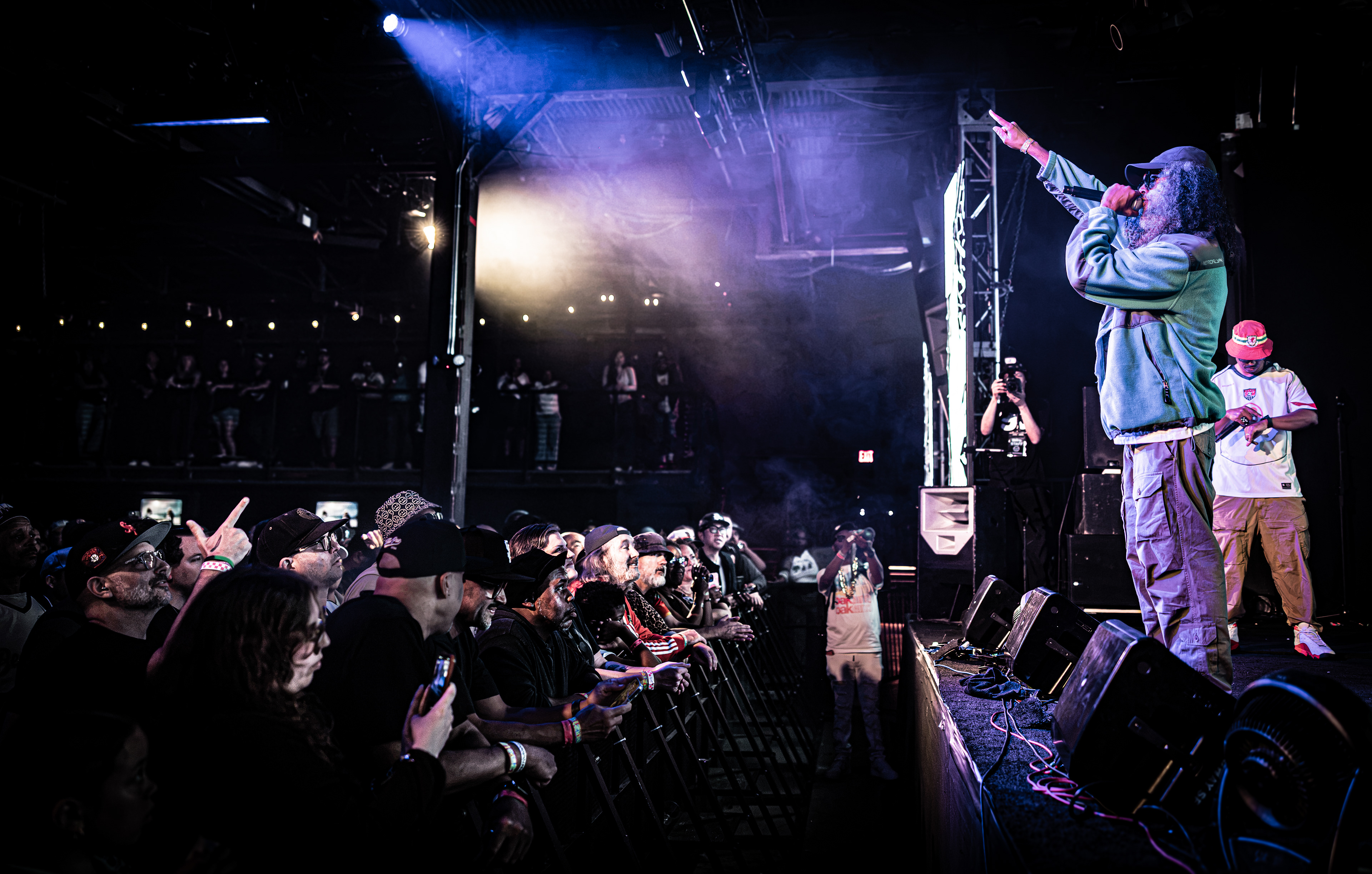
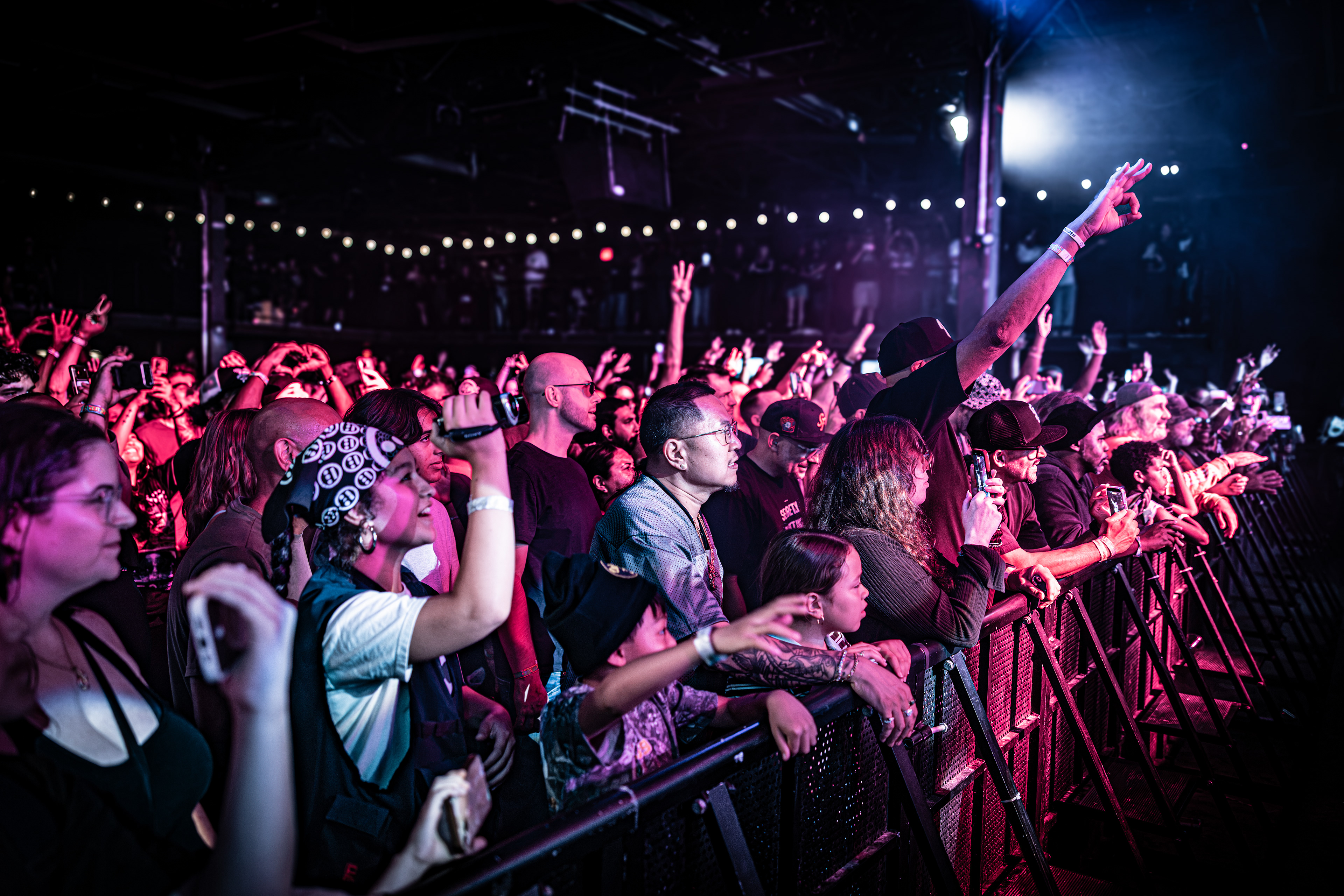
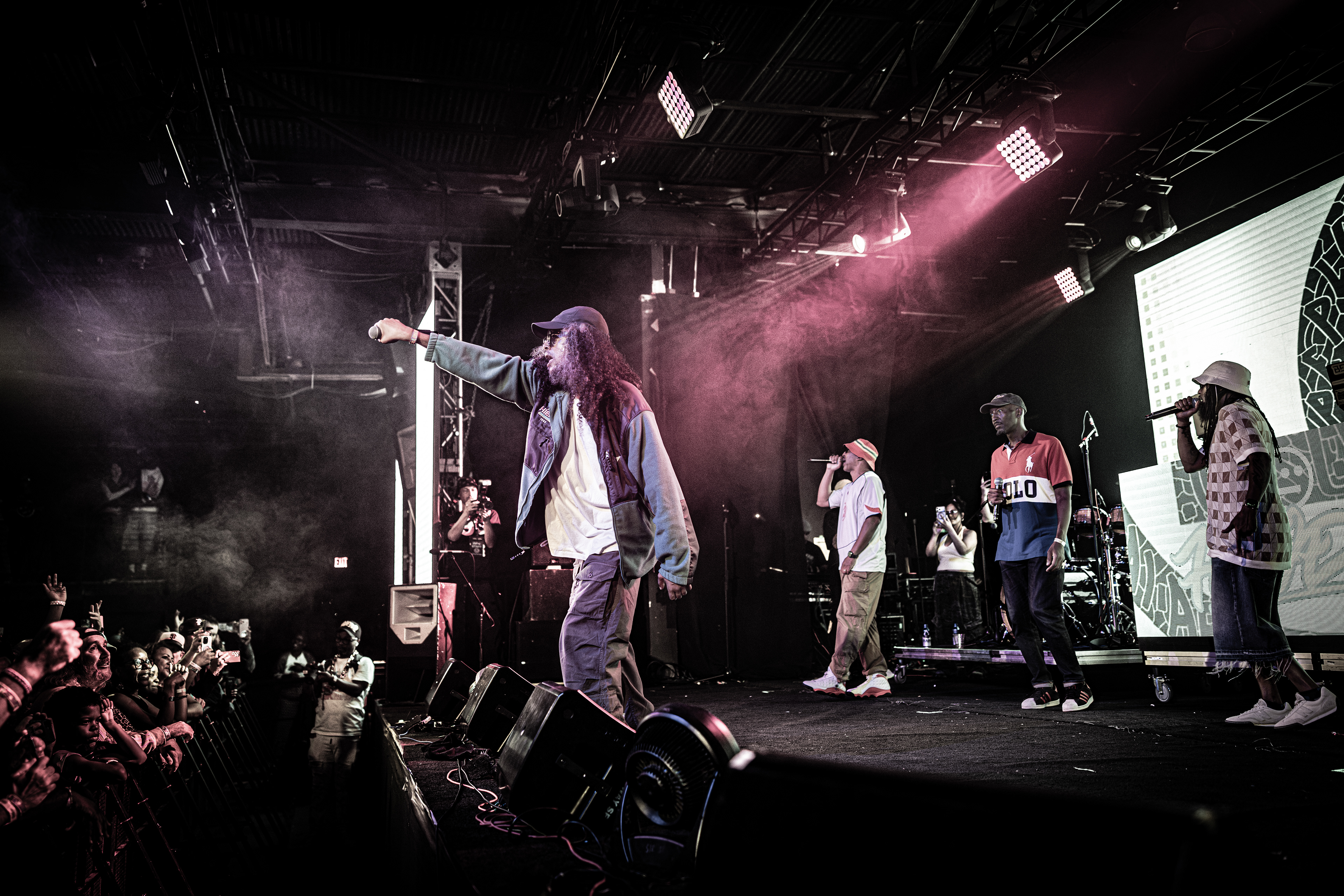
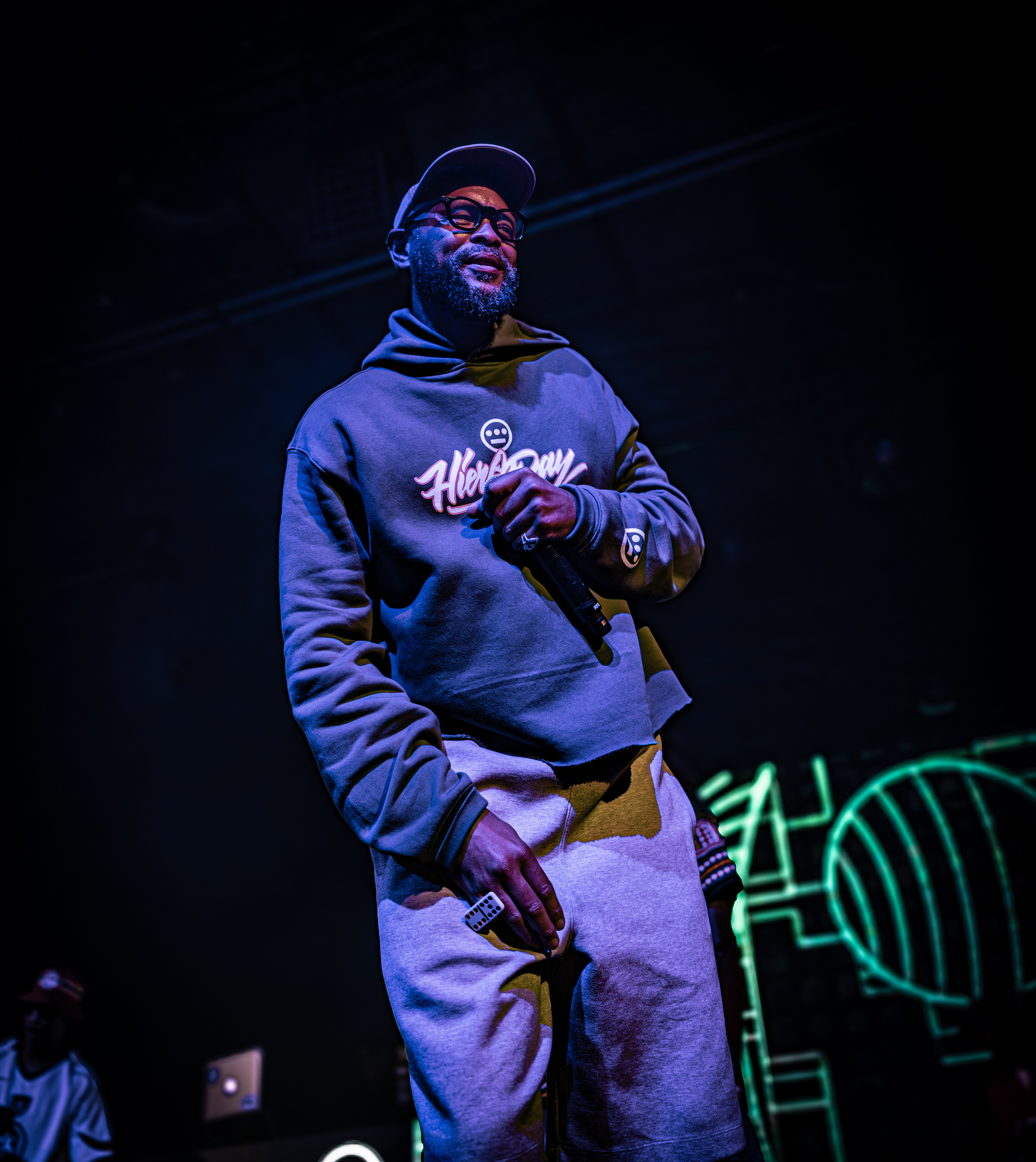
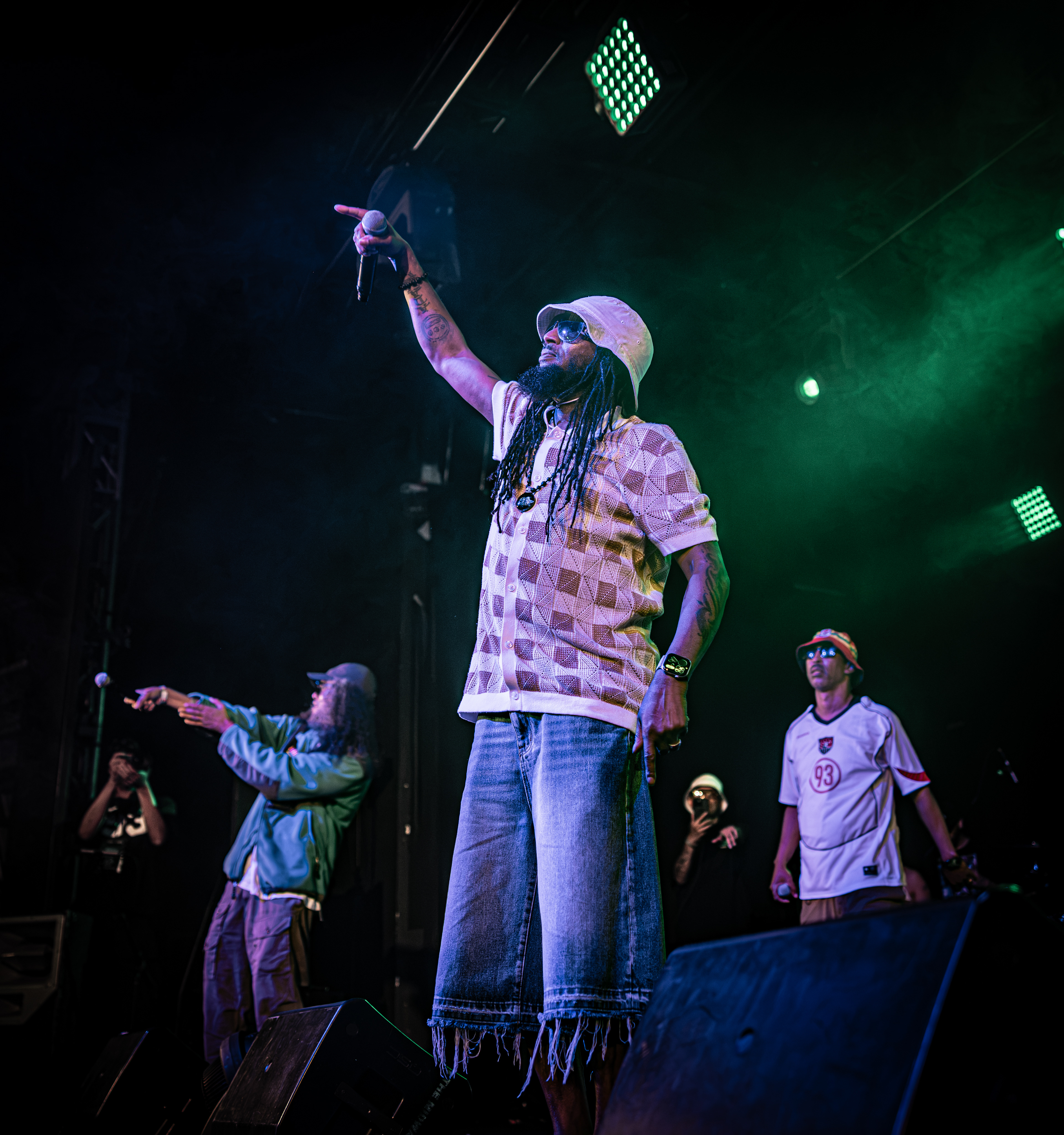
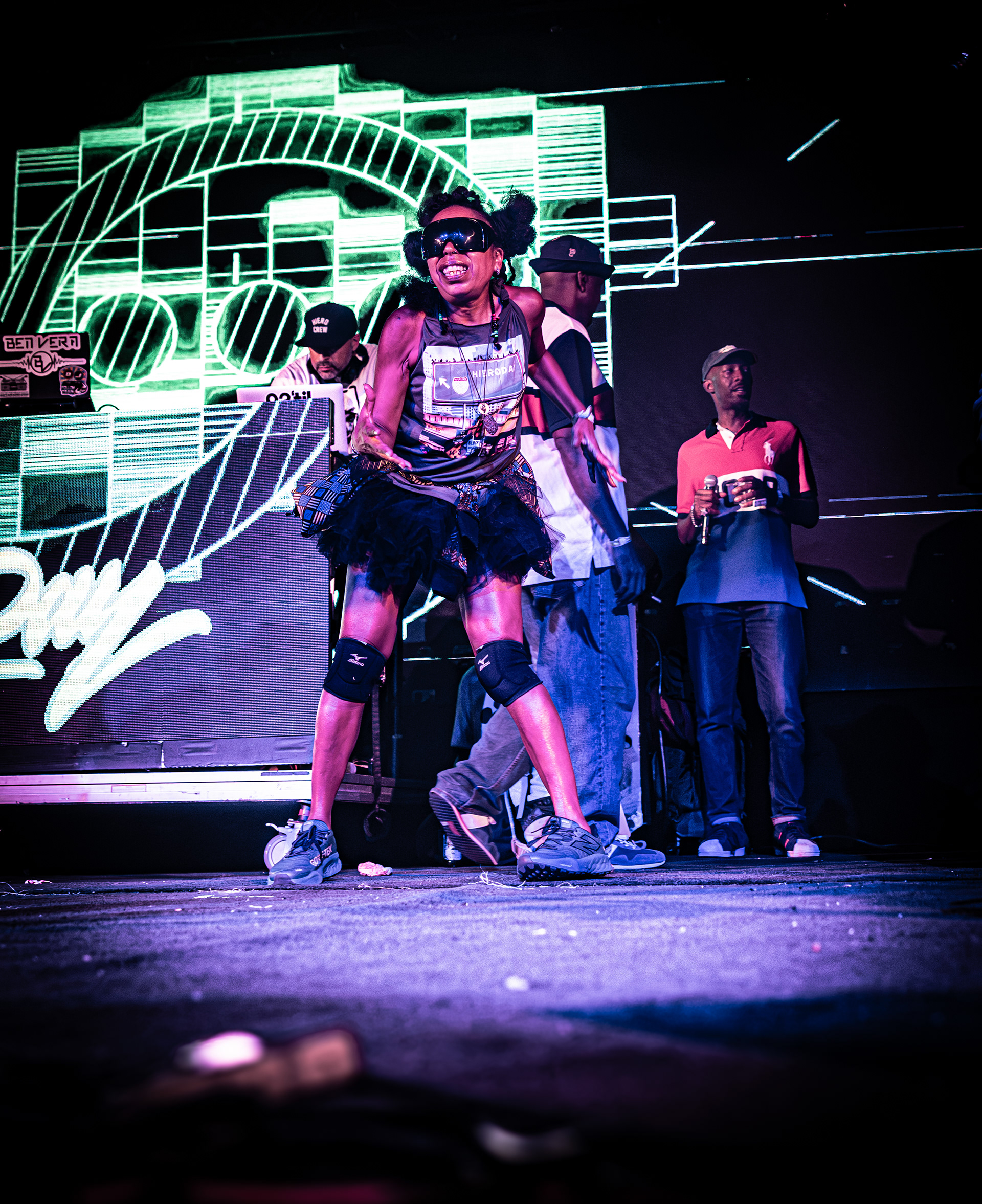
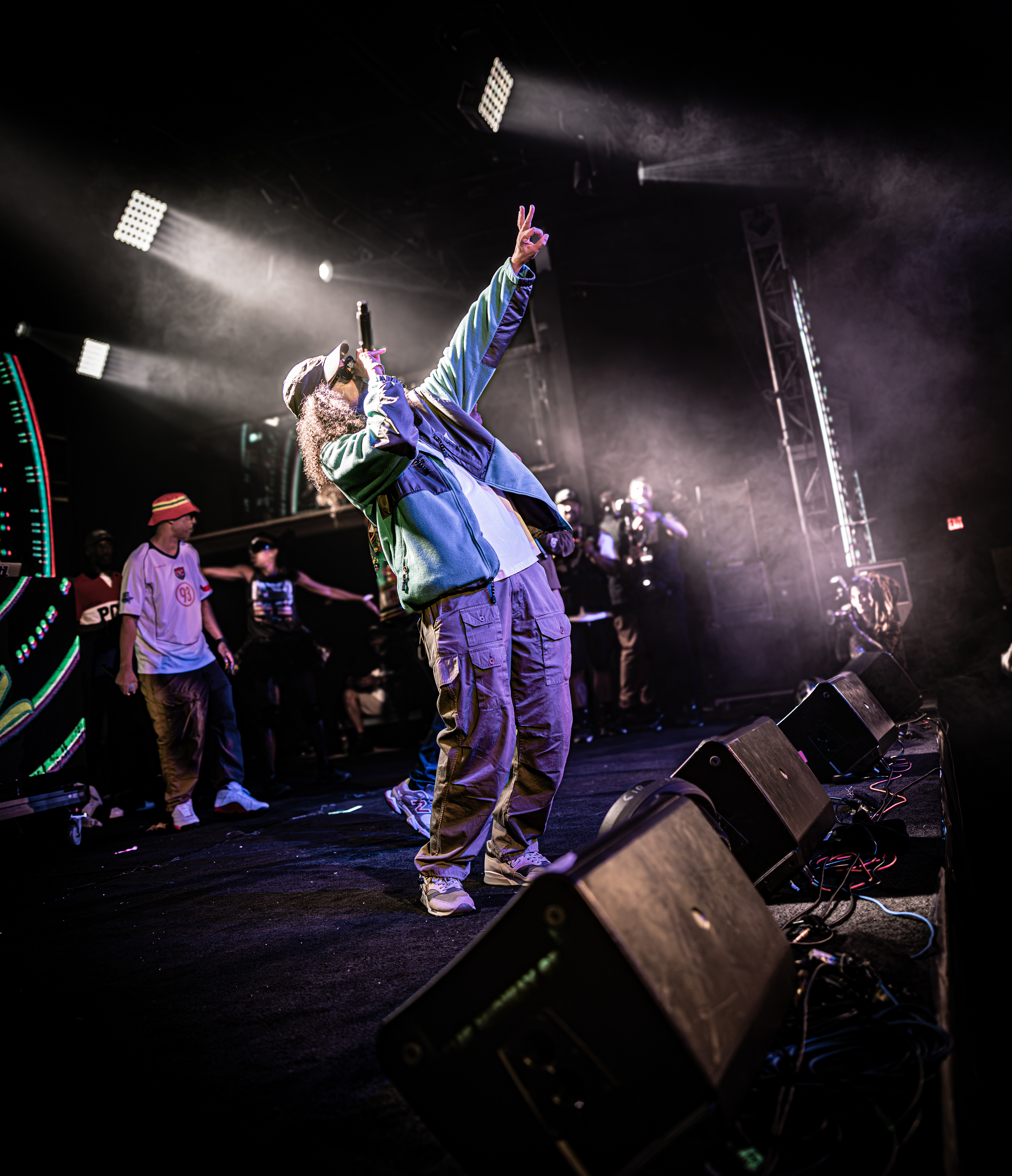
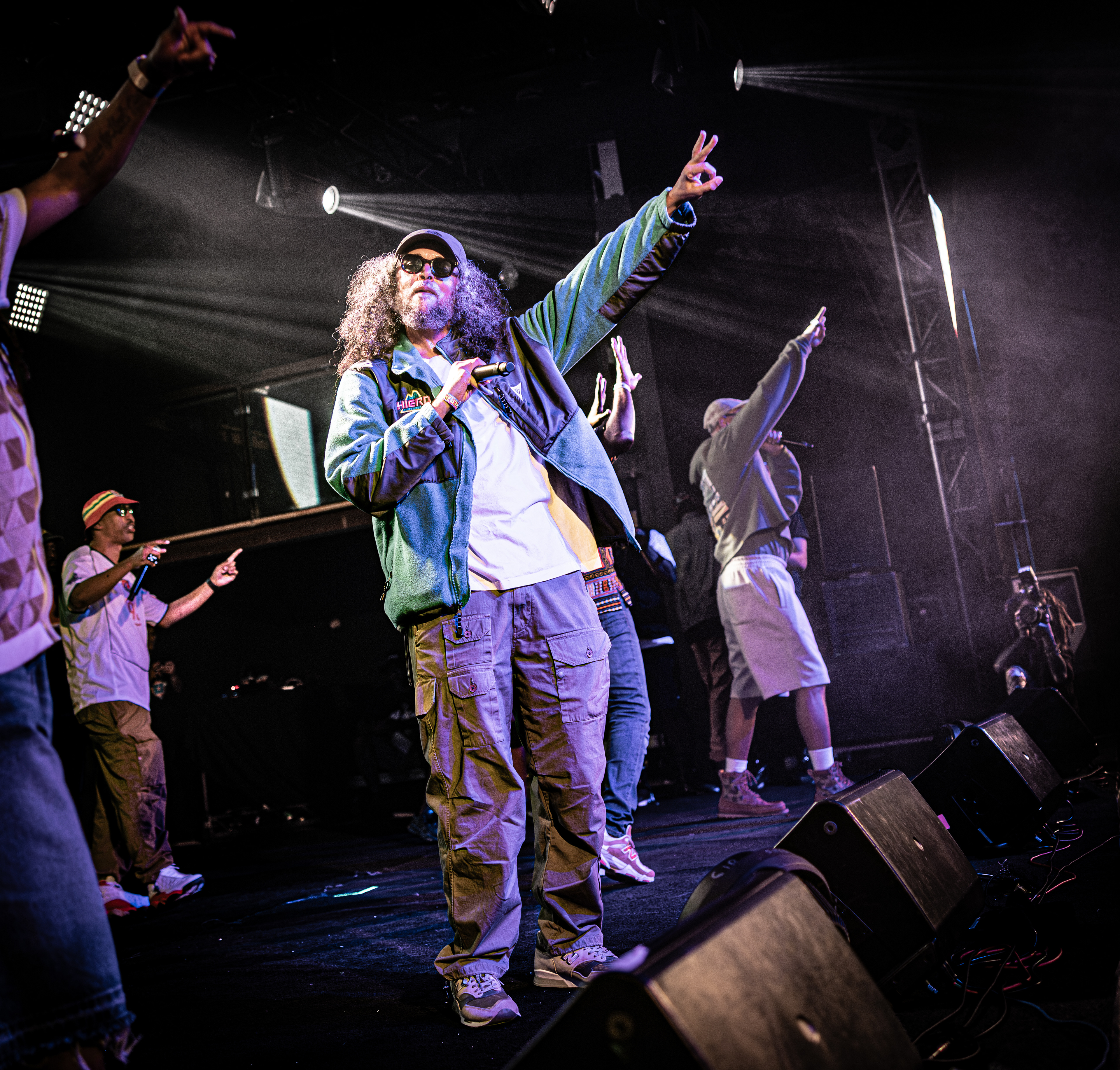
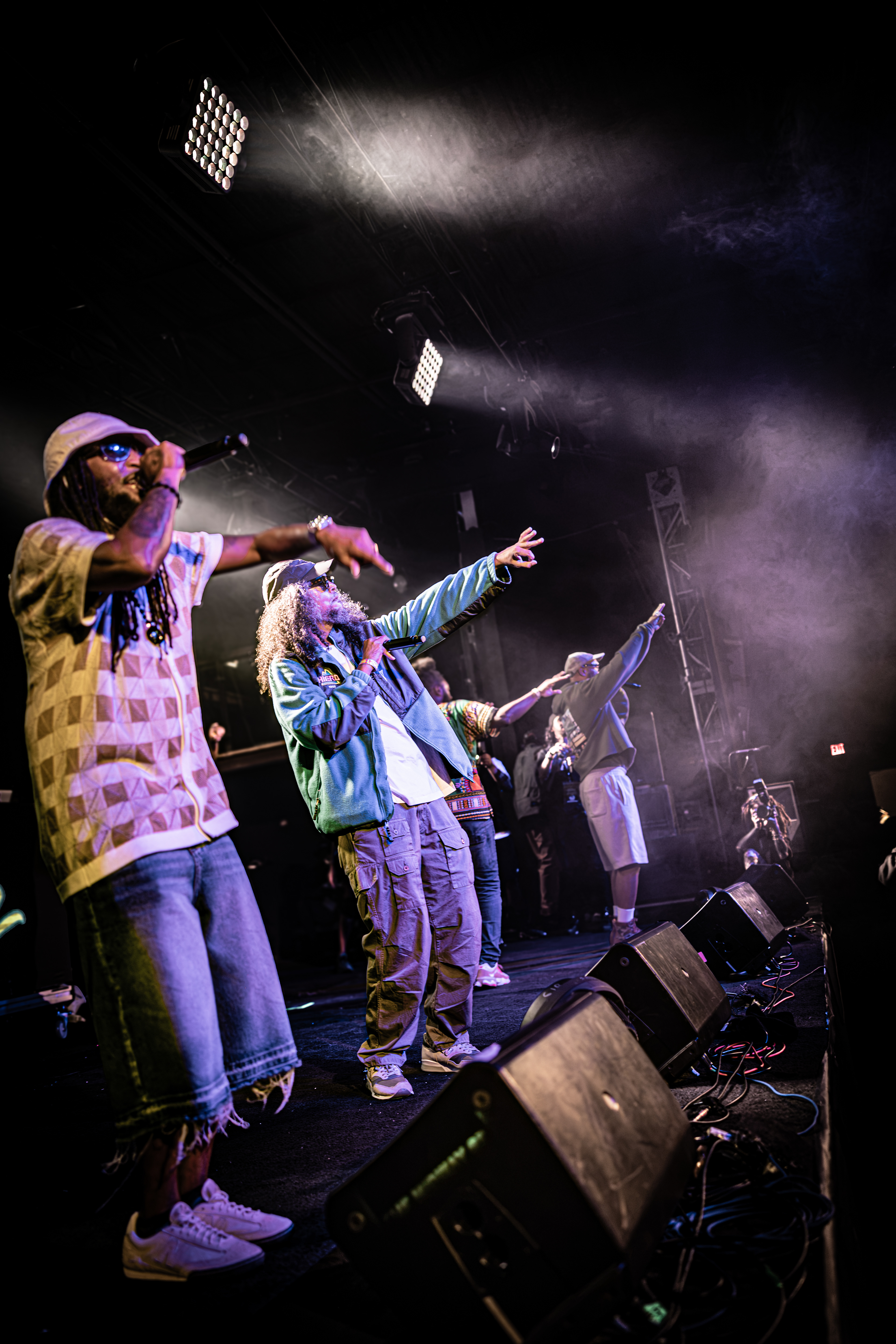
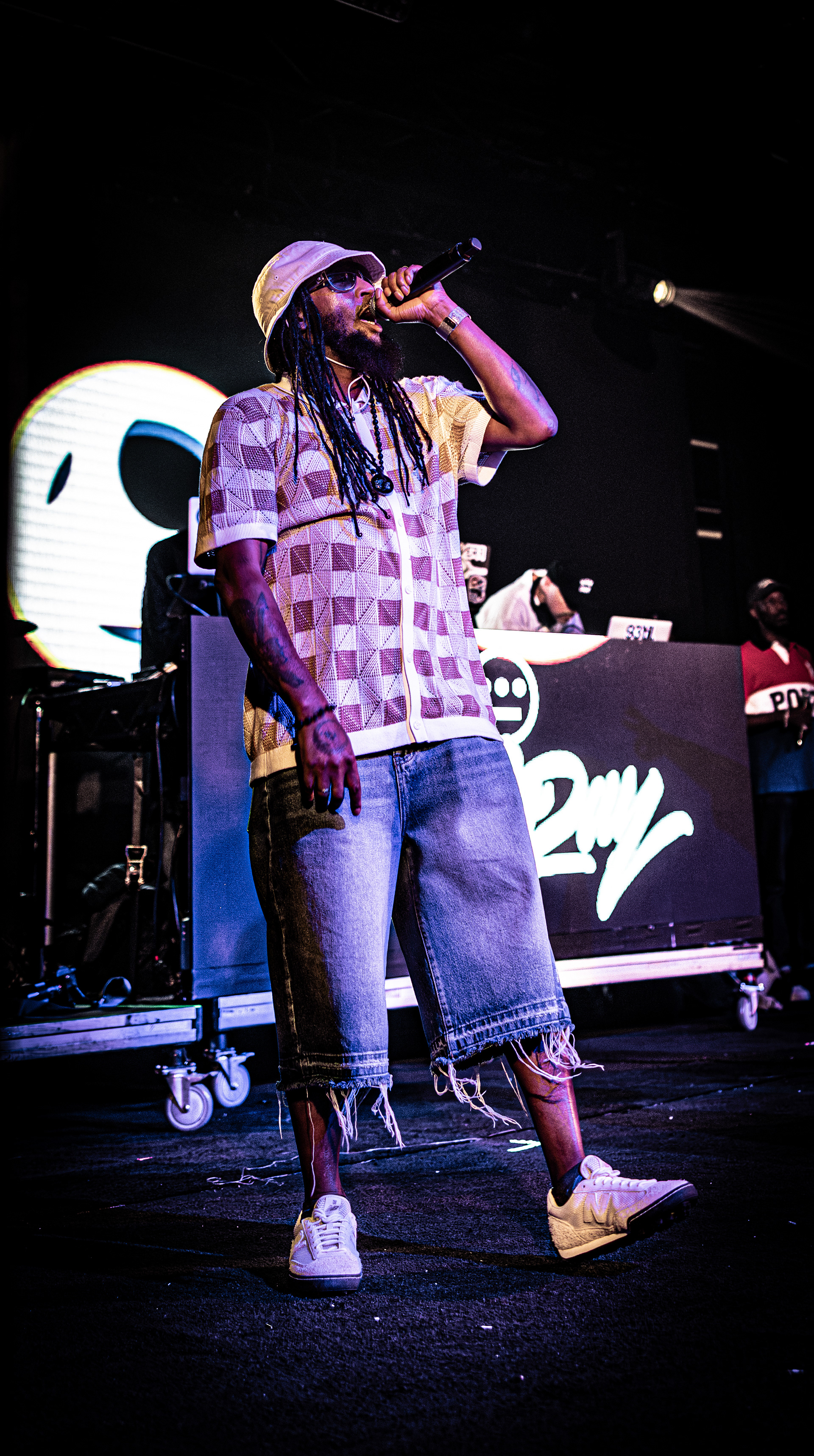
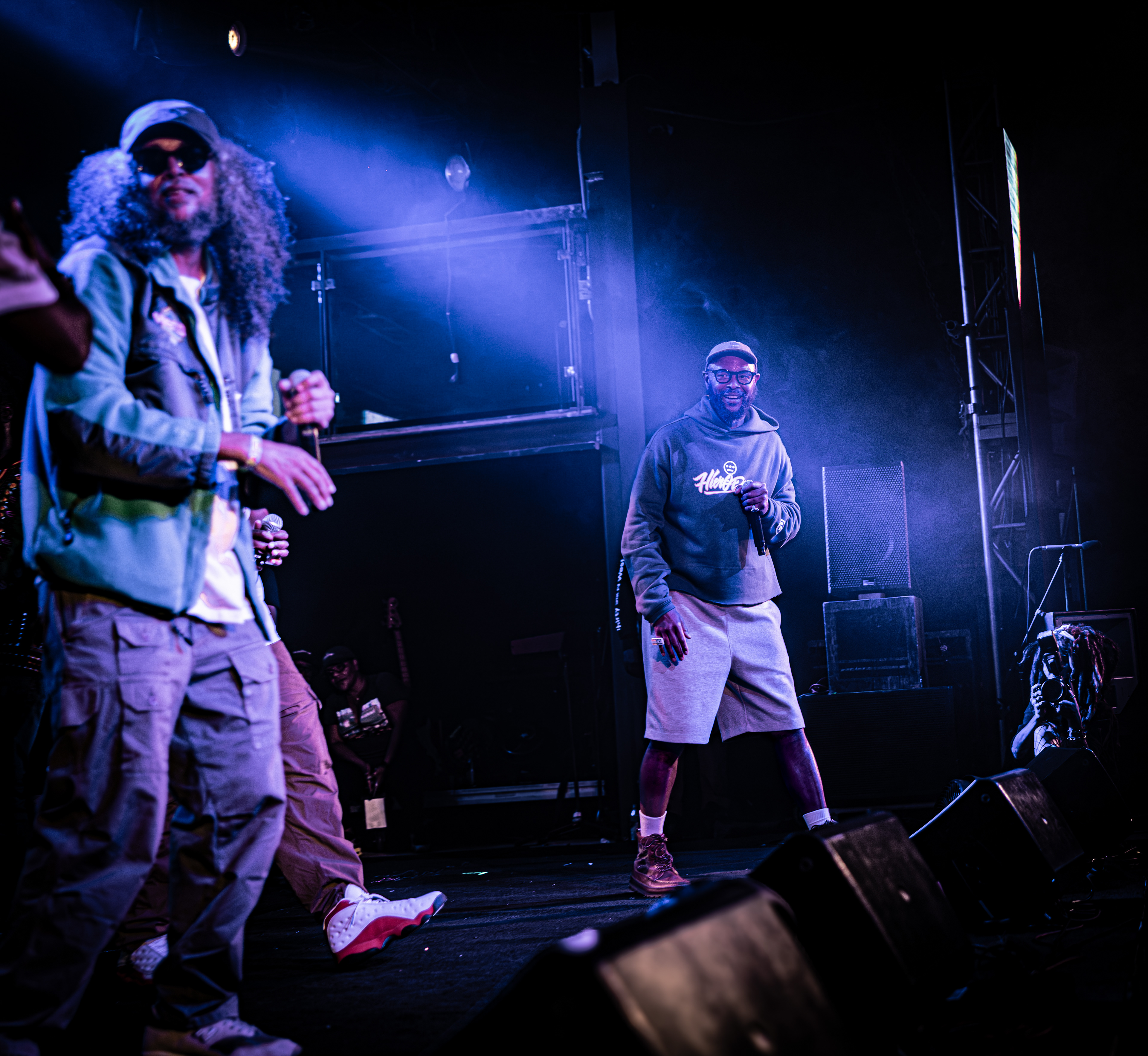
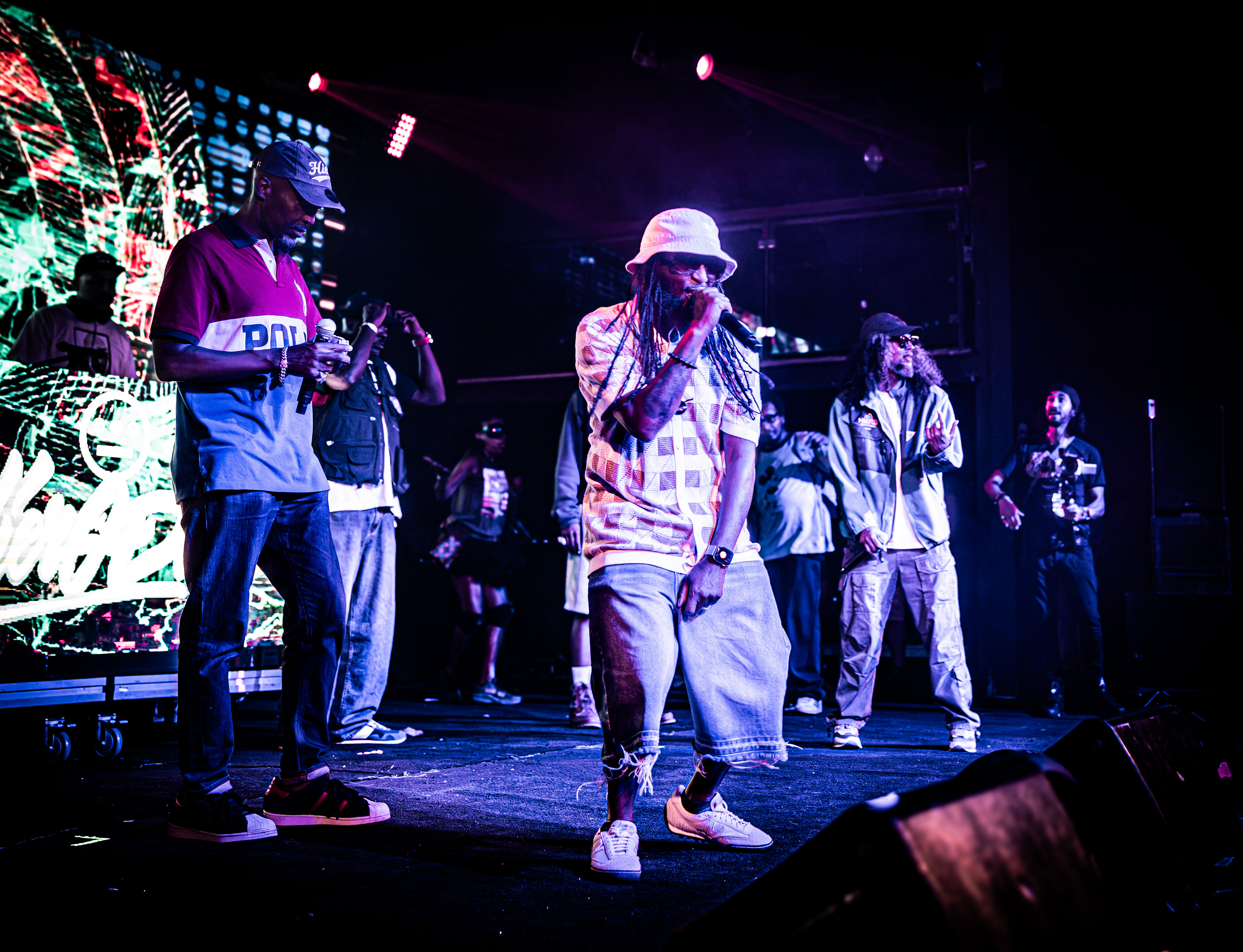
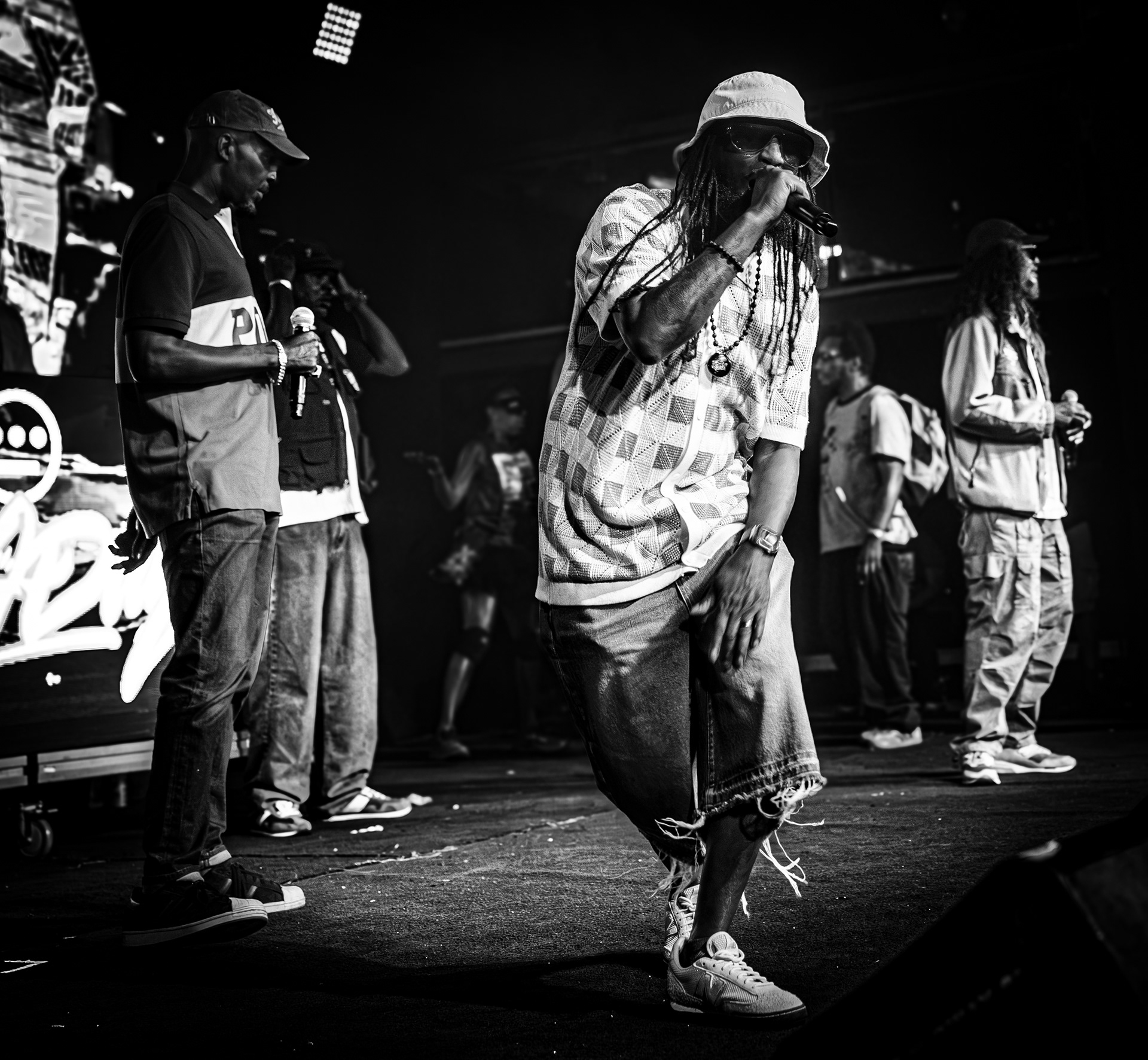
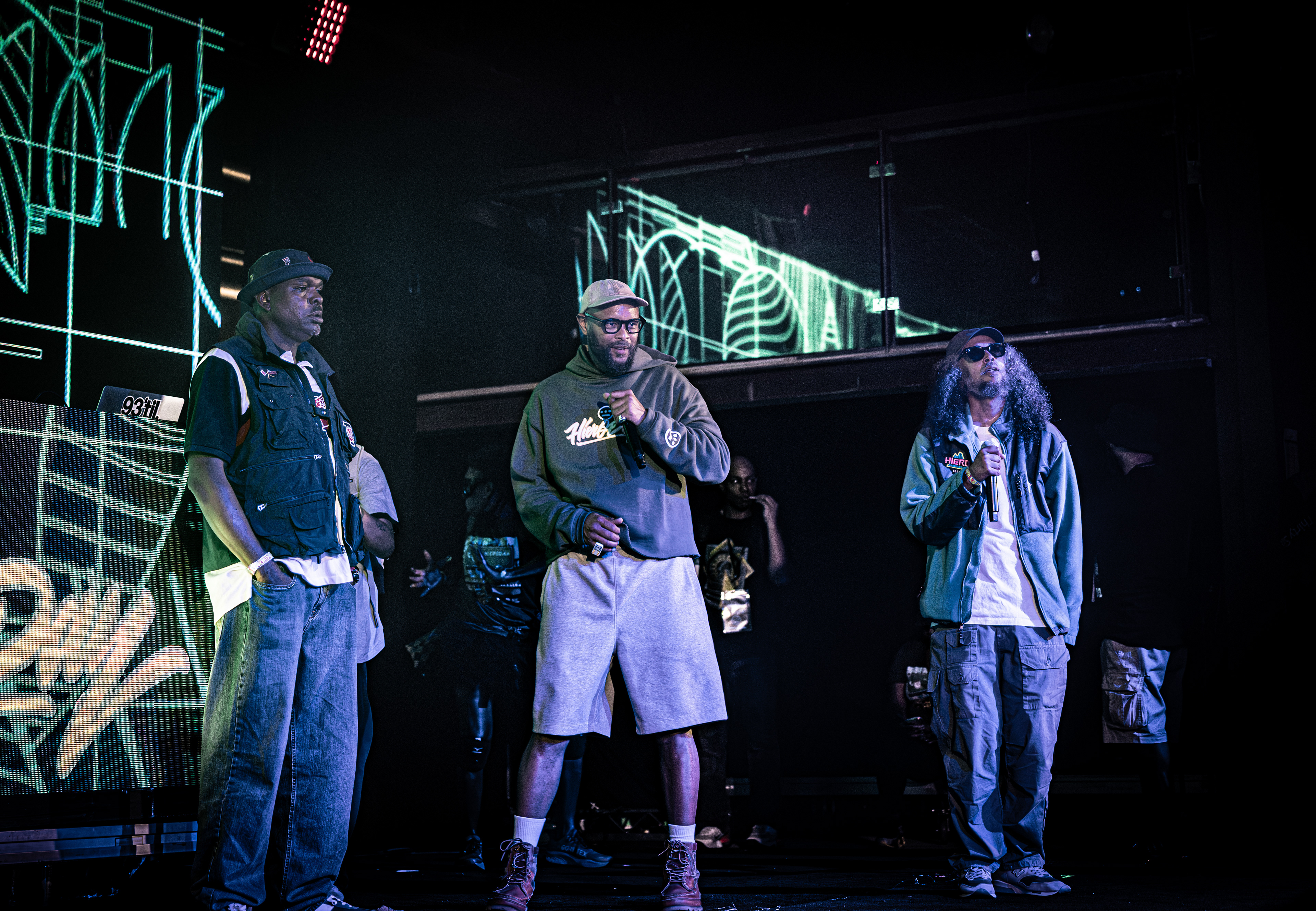
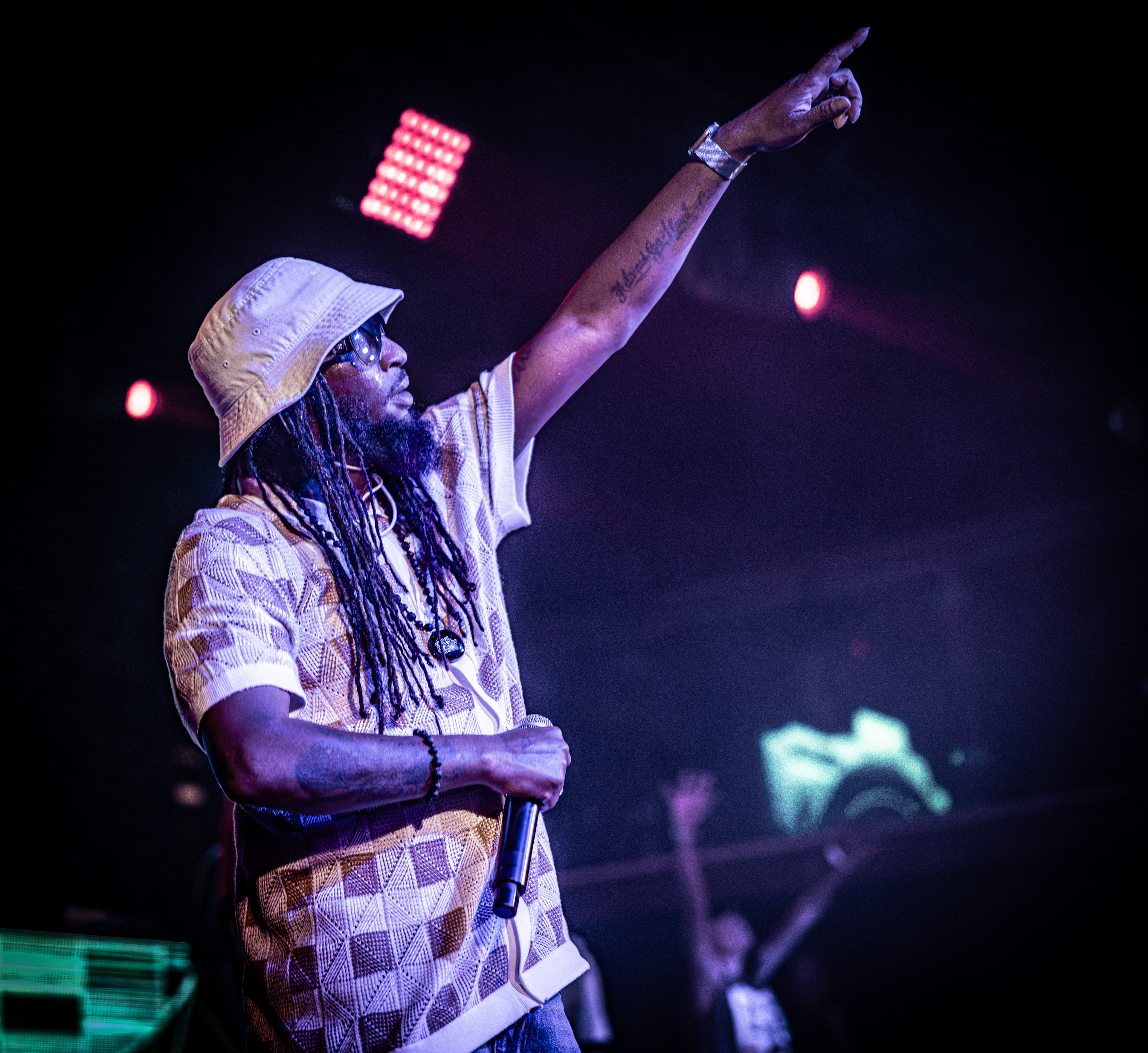
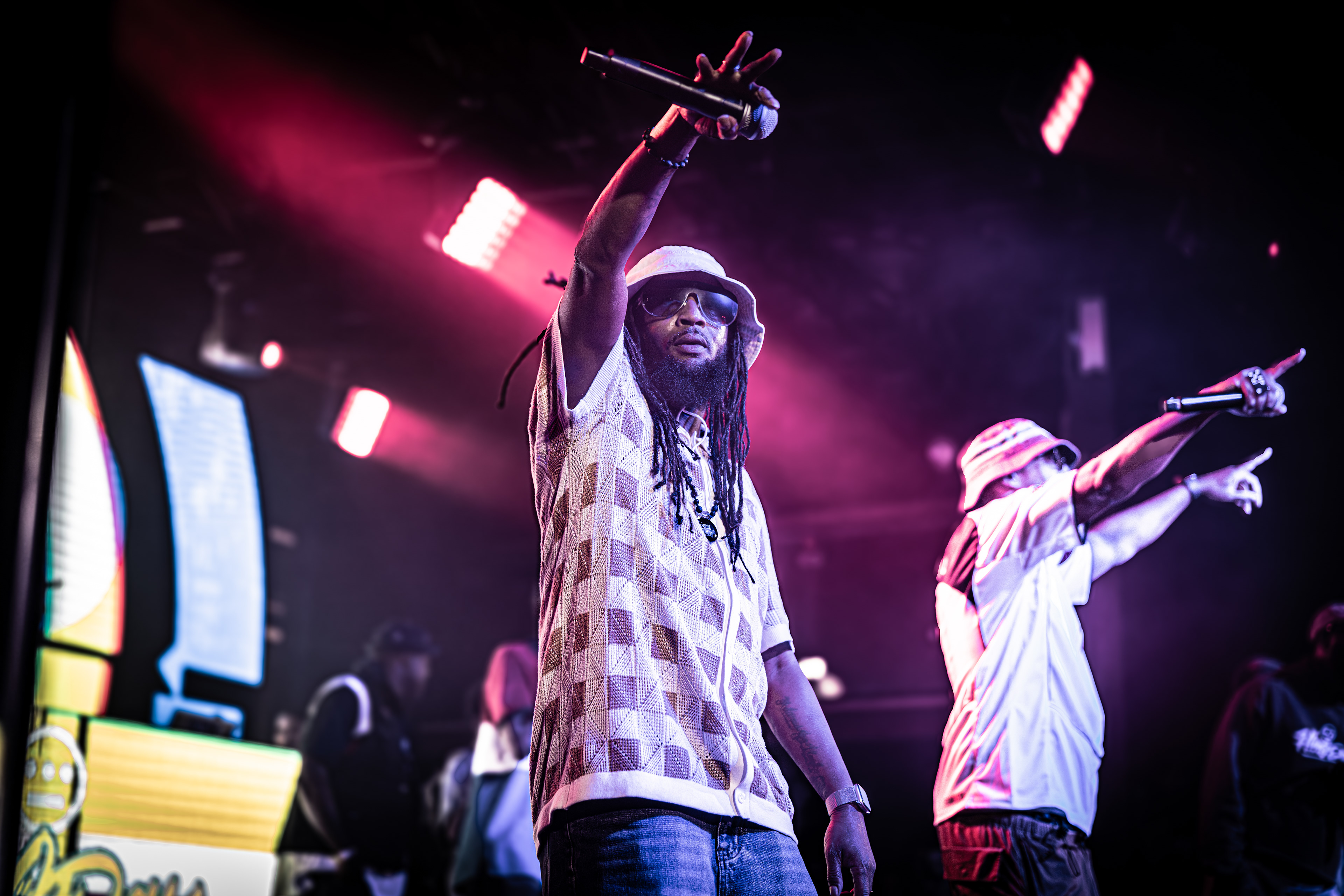
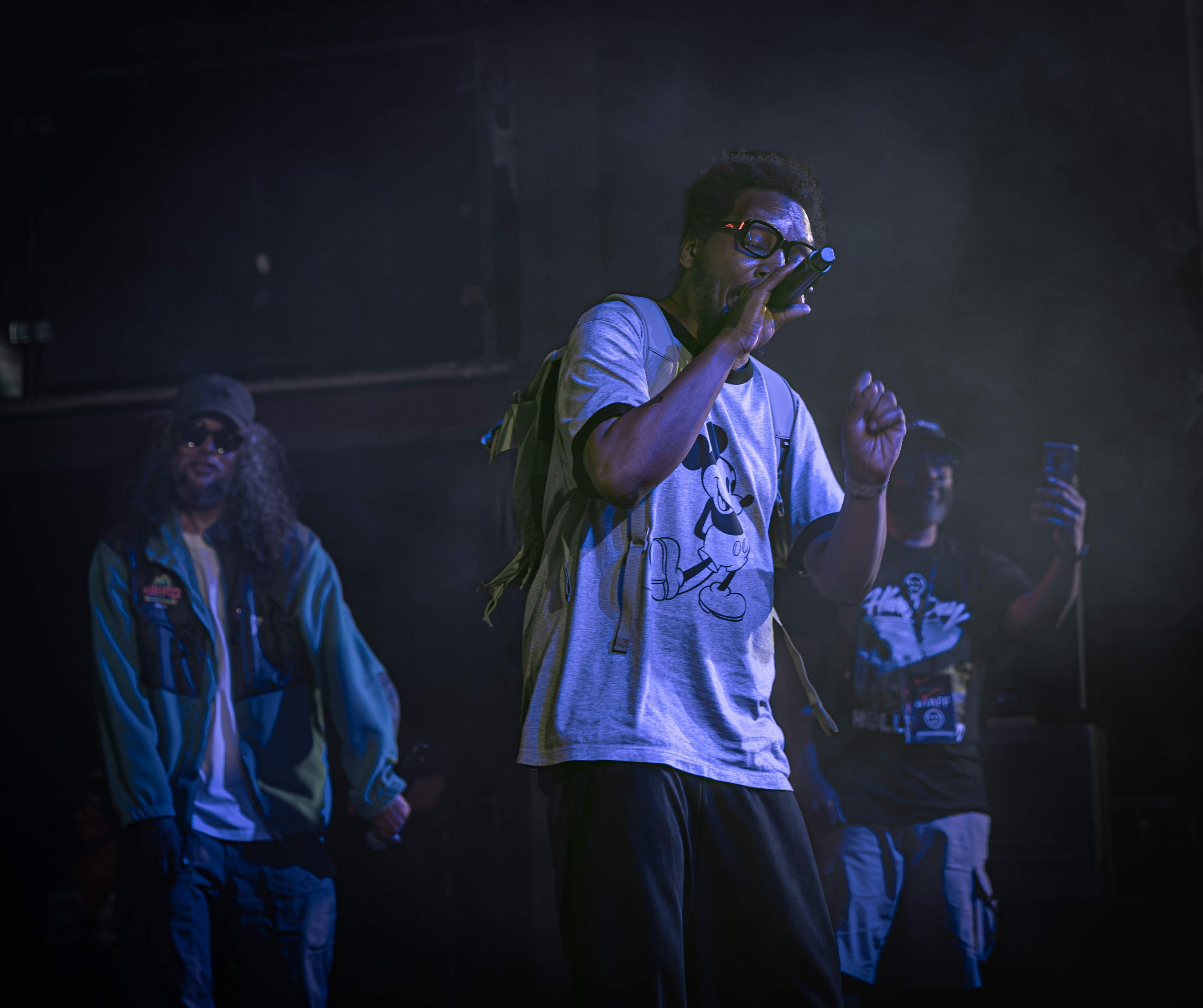
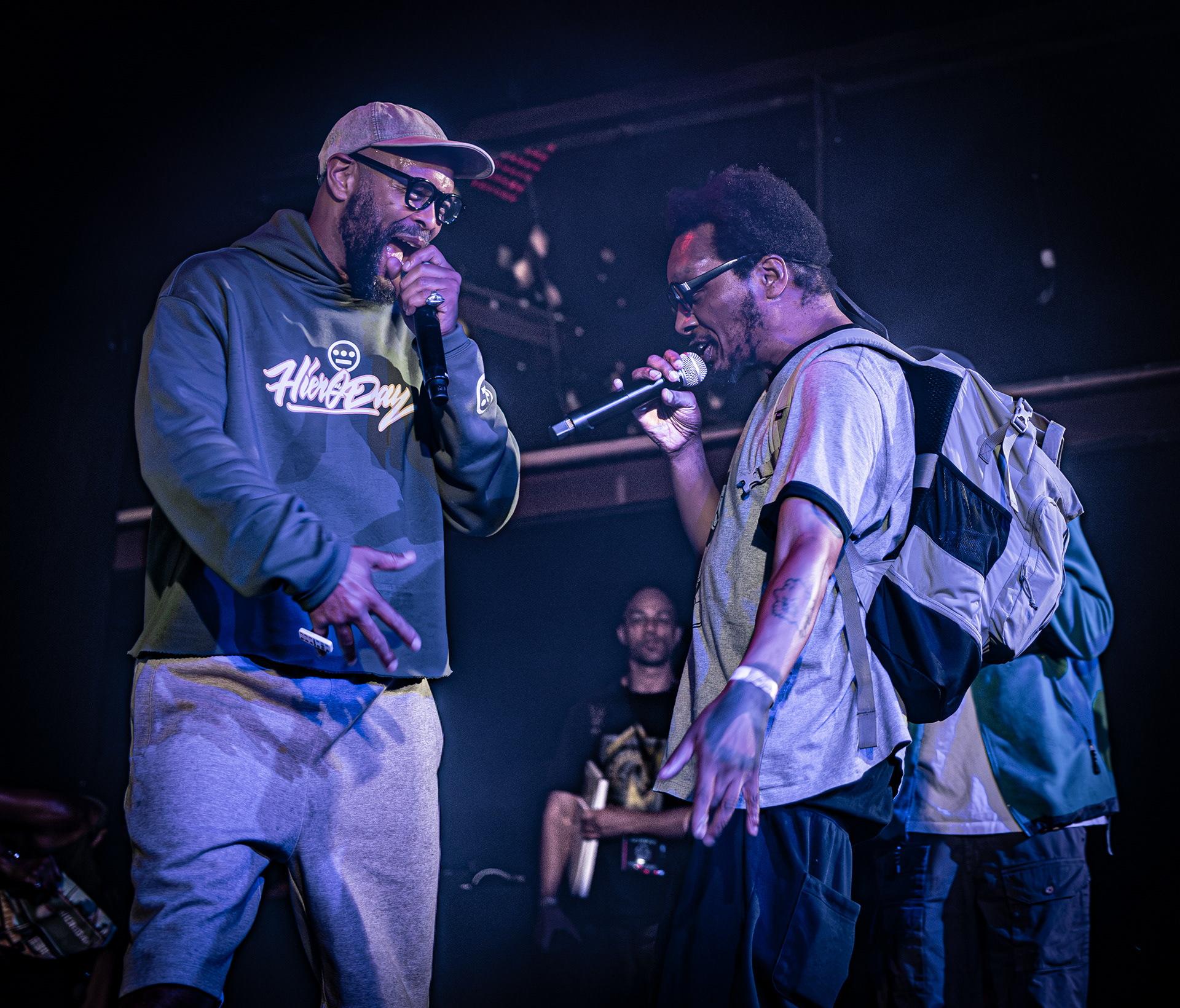
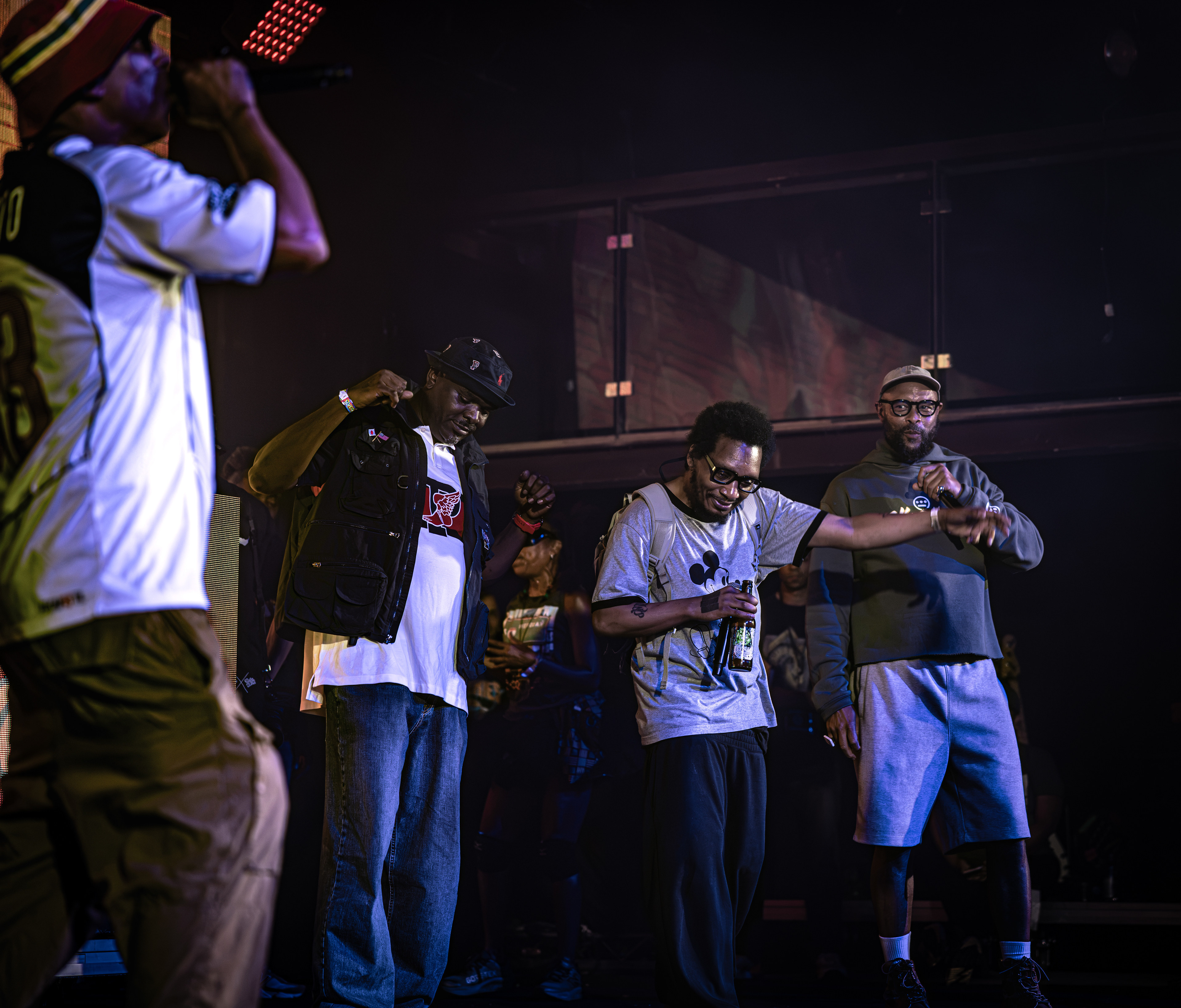
In the summer of 1993, mainstream rap had settled into a formula of sun-drenched synths gangster raps that had to be proved, slow-rolling lowriders, and cinematic menace. But in Oakland, a pack of teenagers in baggy thrift-store denim and scuffed skate shoes were hearing and creating something entirely different. They weren’t interested in chronic-laced gangsta street tropes.But Instead, they hung around samplers in the East Bay bedrooms, looping obscure jazz fusion breaks, creating dense internal rhymes and accidentally killing it and building one of the most resilient empires in independent music: Hieroglyphics.The crew’s anchor was Teren Delvon Jones, well known as Del the Funky Homosapien. When his cousin, Ice Cube, helped him secure an Elektra Records deal for his 1991 debut I Wish My Brother George Was Here, Del had an open door to solo stardom. What he did instead, he treated the industry door like a revolving gate, getting his high school crew through behind him.That inner circle was an insane line up of lyrical riches. At its core stood the Souls of Mischief,A-Plus, Phesto, Opio, and Tajai. Four neighborhood prodigies bound by intellectual chemistry and razor sharp creativity. Flanking them was Casual, a swaggering battle technician whose punchlines landed like haymakers, alongside Pep Love who is philosophical poet laureate of the cypher. Tying the collective together was Domino, he is the maestro behind the boards who stitched their distinct voices into crisp, unquantized soundscapes. When Souls of Mischief created 93 ’til Infinity in the fall of 1993, it didn't just chart,it hung in the air like a part of music history. The title track’s looping, luminous Rhodes piano from Billy Cobham’s "Heather" became the sonic postcard of Bay Area youth, mellow, infinitely cool, and technically dazzling. Casual’s Fear Itself followed months later, cementing the crew as the West Coast's lyrical elite and put Oakland on the map.Then the corporate pendulum swung. By 1995, major labels wanted glossy mafia fantasies and radio friendly hooks. Executives didn’t know what to do with skate rat intellectuals who read comic books and sampled obscure European prog rock.Elektra dumped Del. Jive gave Souls of Mischief their walking papers. Casual was cut loose. To the traditional industry, they were washouts before turning twenty-five.To Hiero, it was liberation. When life gives you lemons you turn those lemons into a 29 year empire. "We realized early on that nobody was going to understand what we did better than us. The majors wanted a hit single; we wanted a lifelong career." –Tajai Massey In 1997, operating out of an Oakland warehouse, they launched Hieroglyphics Imperium Recordings. But their truly radical stroke was embracing a clunky, dial-up novelty called the World Wide Web. While New York and Los Angeles labels were still paying courier services to deliver cassette tapes to radio stations, Hiero launched Hieroglyphics.com.They posted tour diaries, sold vinyl directly out of car trunks via email orders, and hawked merchandise to fans from Tokyo to London without a retail distributor skimming 80% off the top. When their collective debut, Third Eye Vision, landed in 1998, it moved over 100,000 copies entirely on word of mouth and grassroots web orders. It was a staggering financial victory that laid the blueprint for the entire 2000s underground rap movement.Equally vital to their survival was a three eyed smiley face Del doodled on a napkin. Stripped of corporate branding, the Hiero Third Eye became a secret handshake. It appeared on skate decks, was spray-painted across railway underpasses, and was stitched onto fitted caps worn by everyone from suburban skate kids to backpacker purists worldwide. By the time Del lent his distinct, elastic flow to Gorillaz’s global smashes "Clint Eastwood" and "Rock the House" in 2001, the ecosystem was bulletproof. A mainstream windfall wasn't a lifeline; it was simply gravy poured over a self-sustaining machine.Today, their victory lap isn't measured in platinum plaques, but in civic pride. In 2012, Oakland officially declared September 3rd (9/3) Hiero Day, sparking an annual festival that draws tens of thousands to downtown Oakland to celebrate hip hop culture, local food, and community resilience.Thirty years after a group of teenagers decided major labels weren't the gatekeepers of their art, Hieroglyphics remains living proof of hip-hop’s core tenet,true independence isn't given it's built from the ground up.