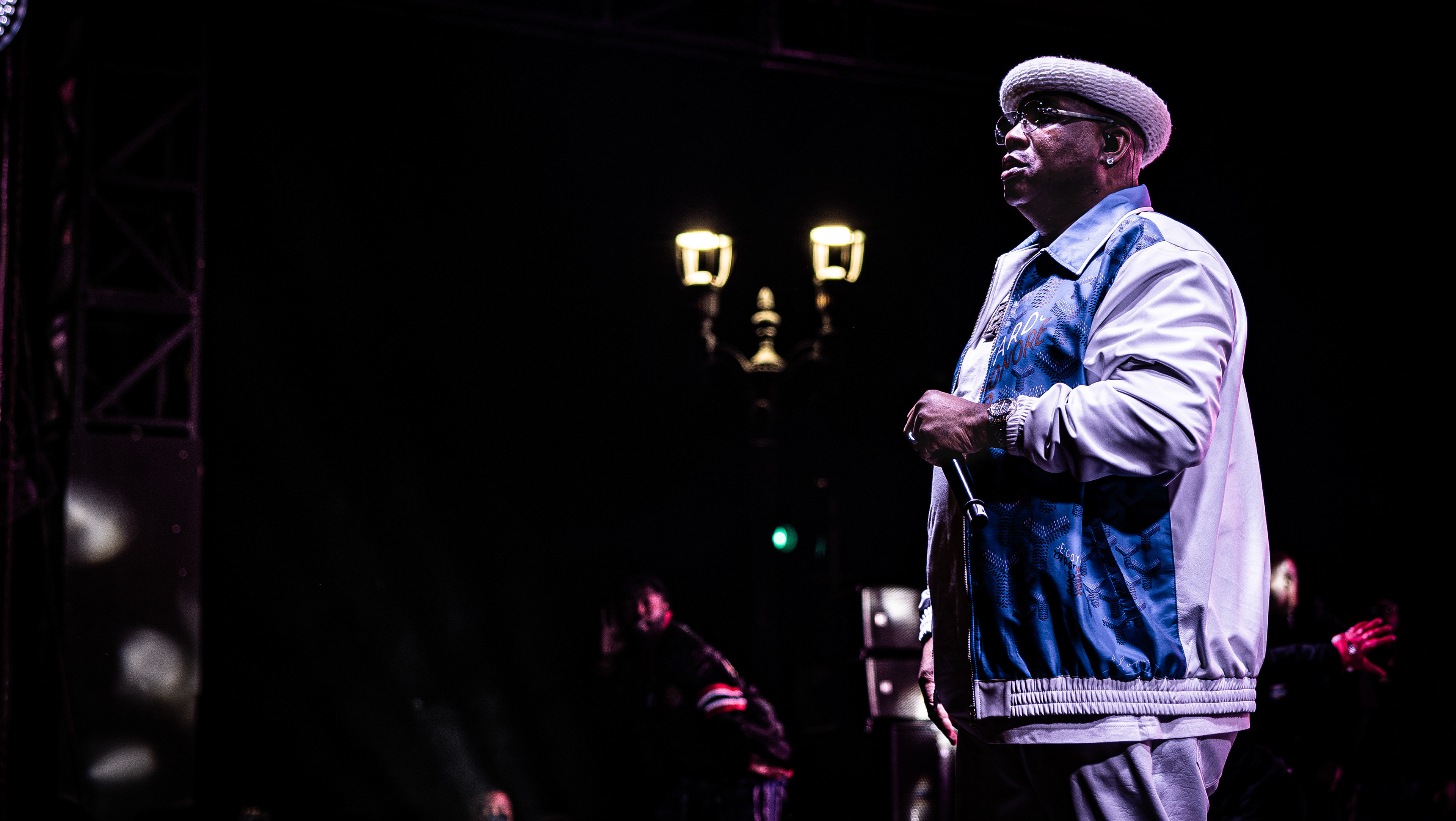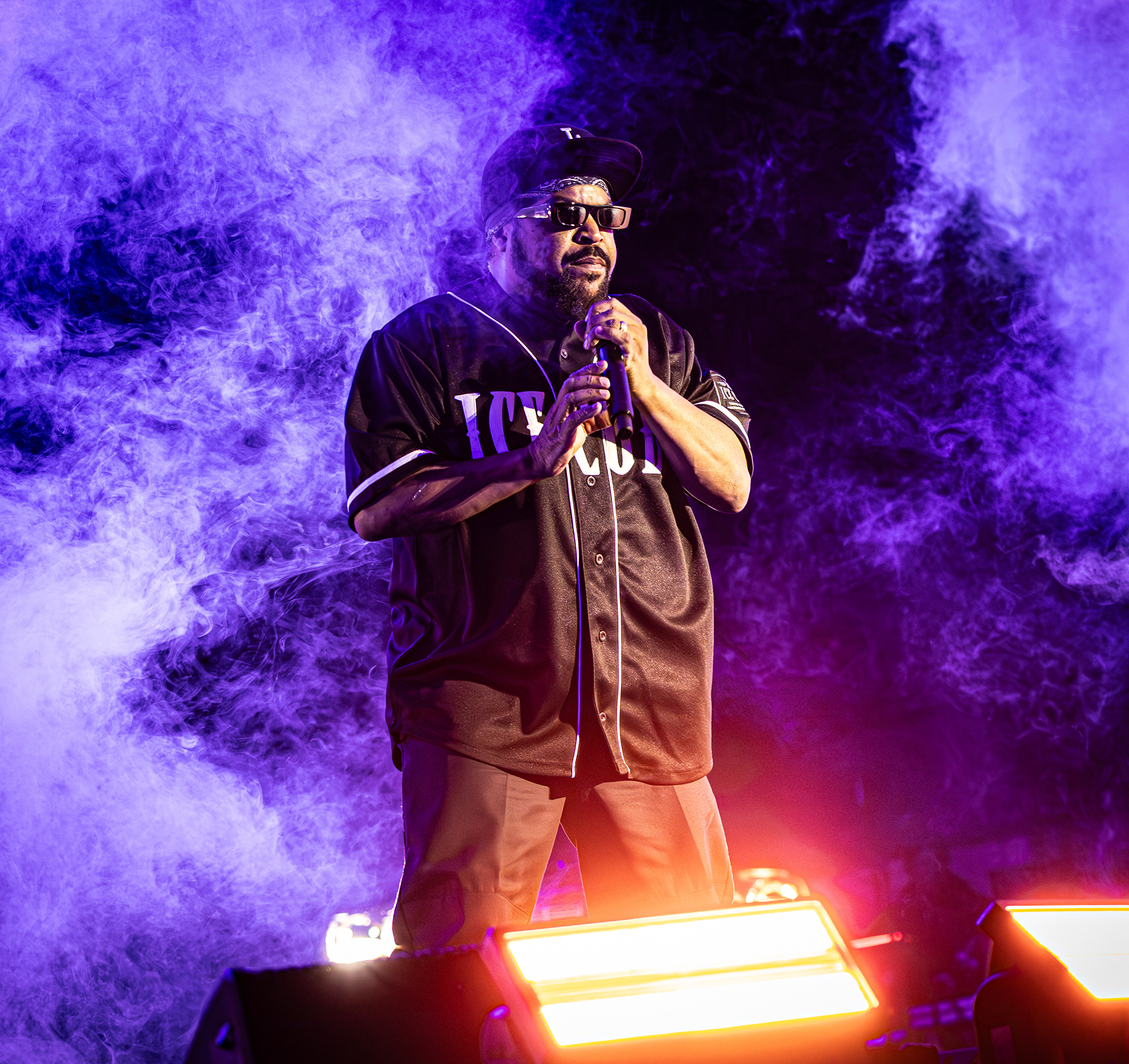
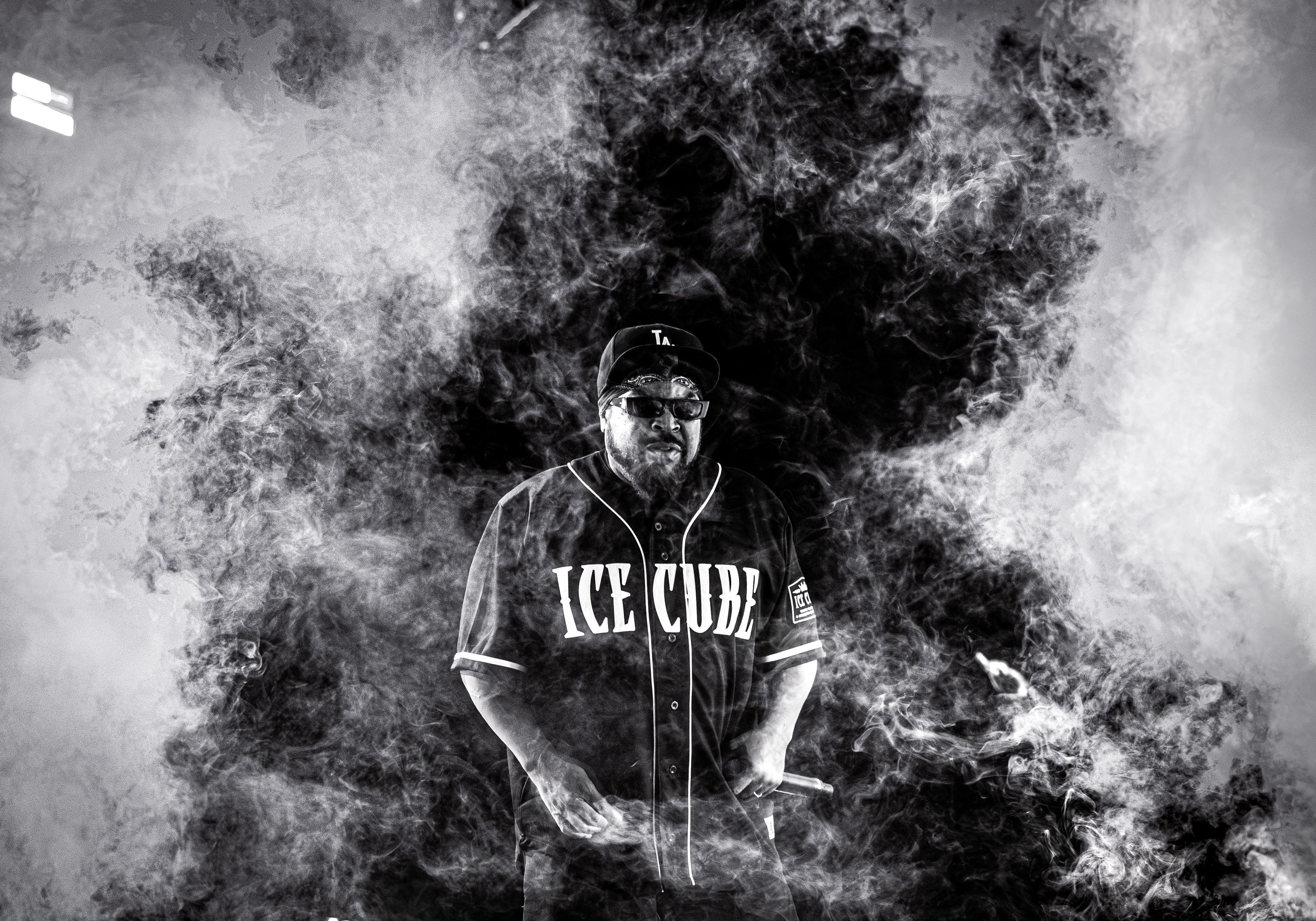


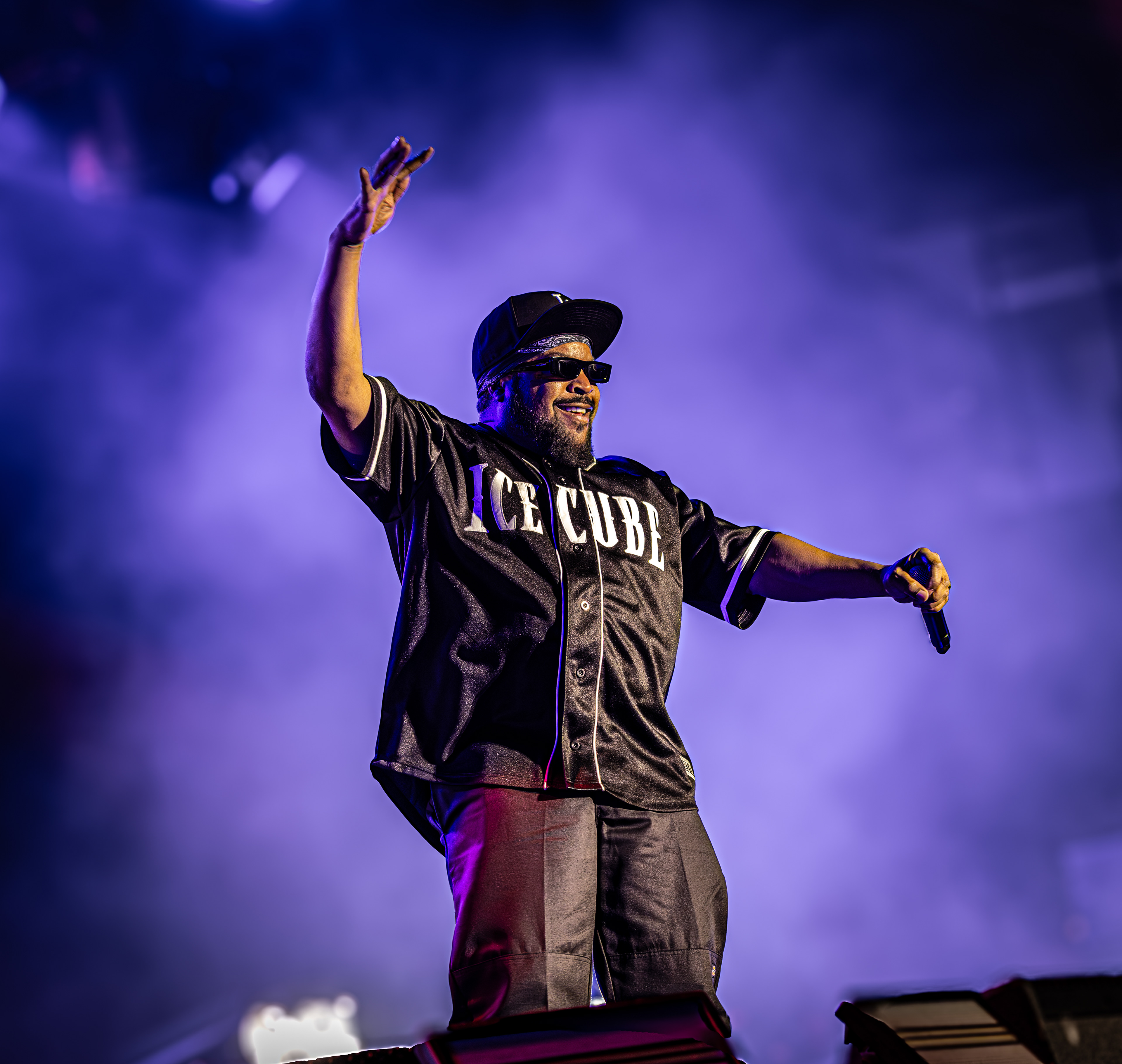
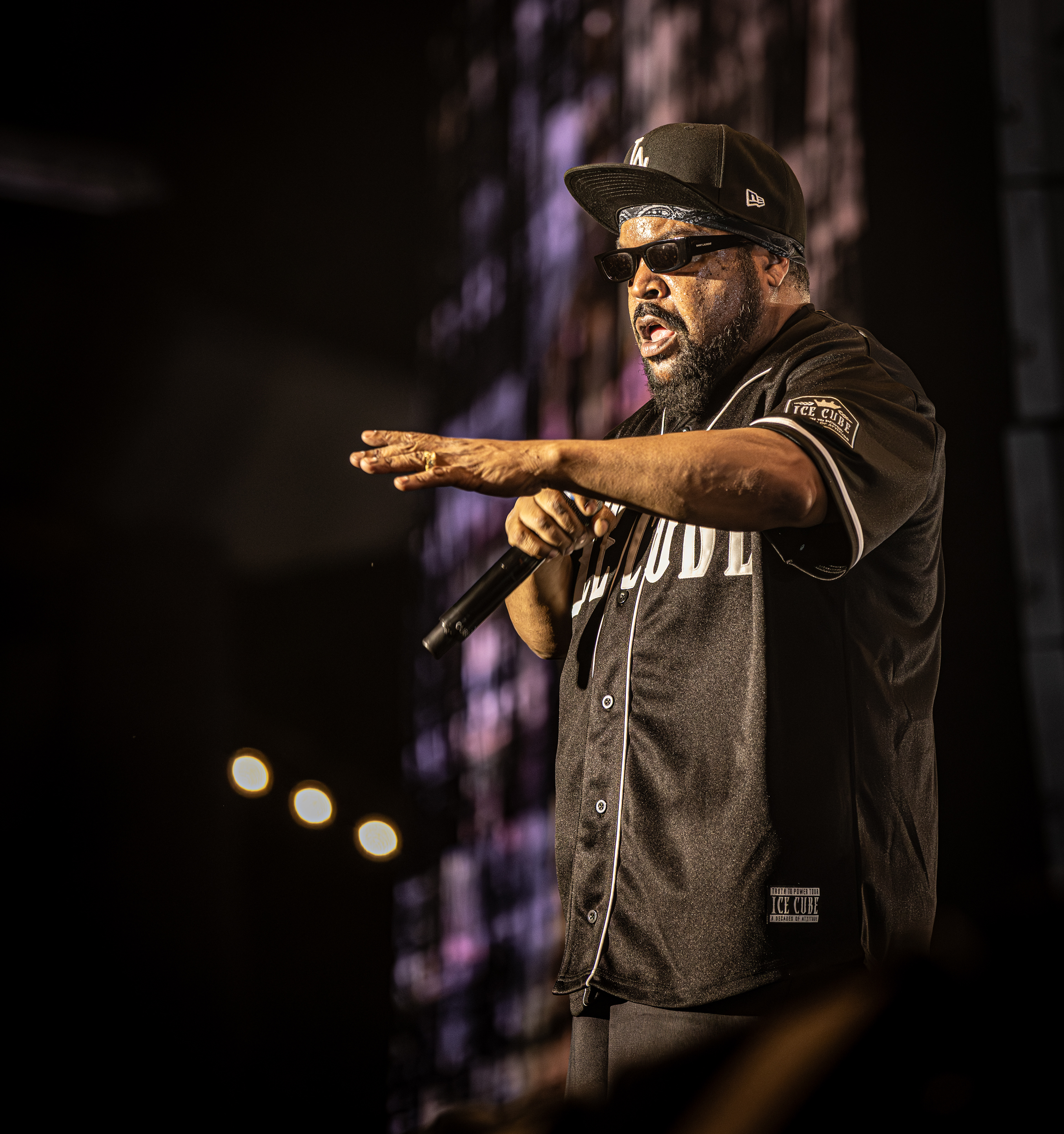

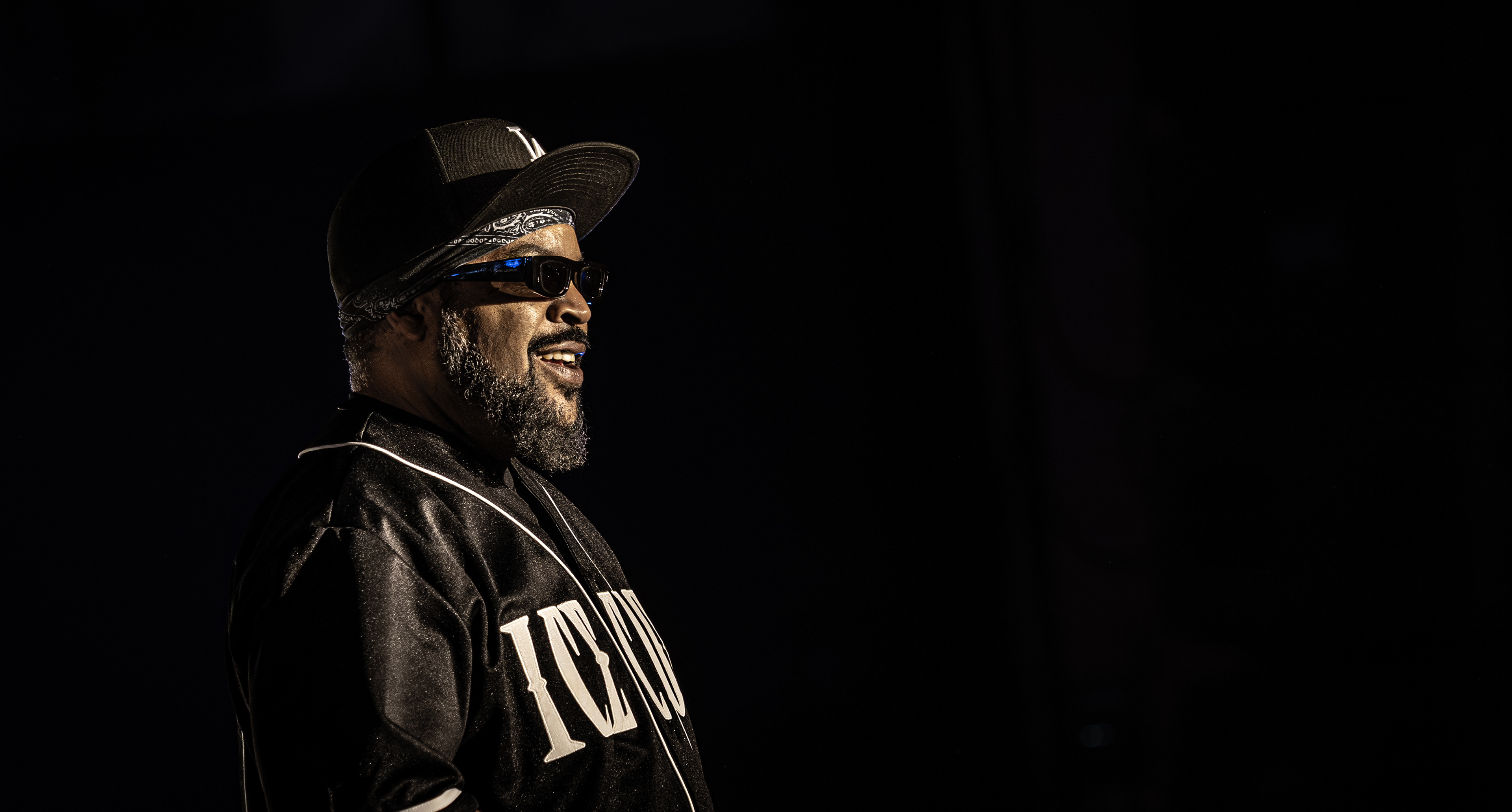
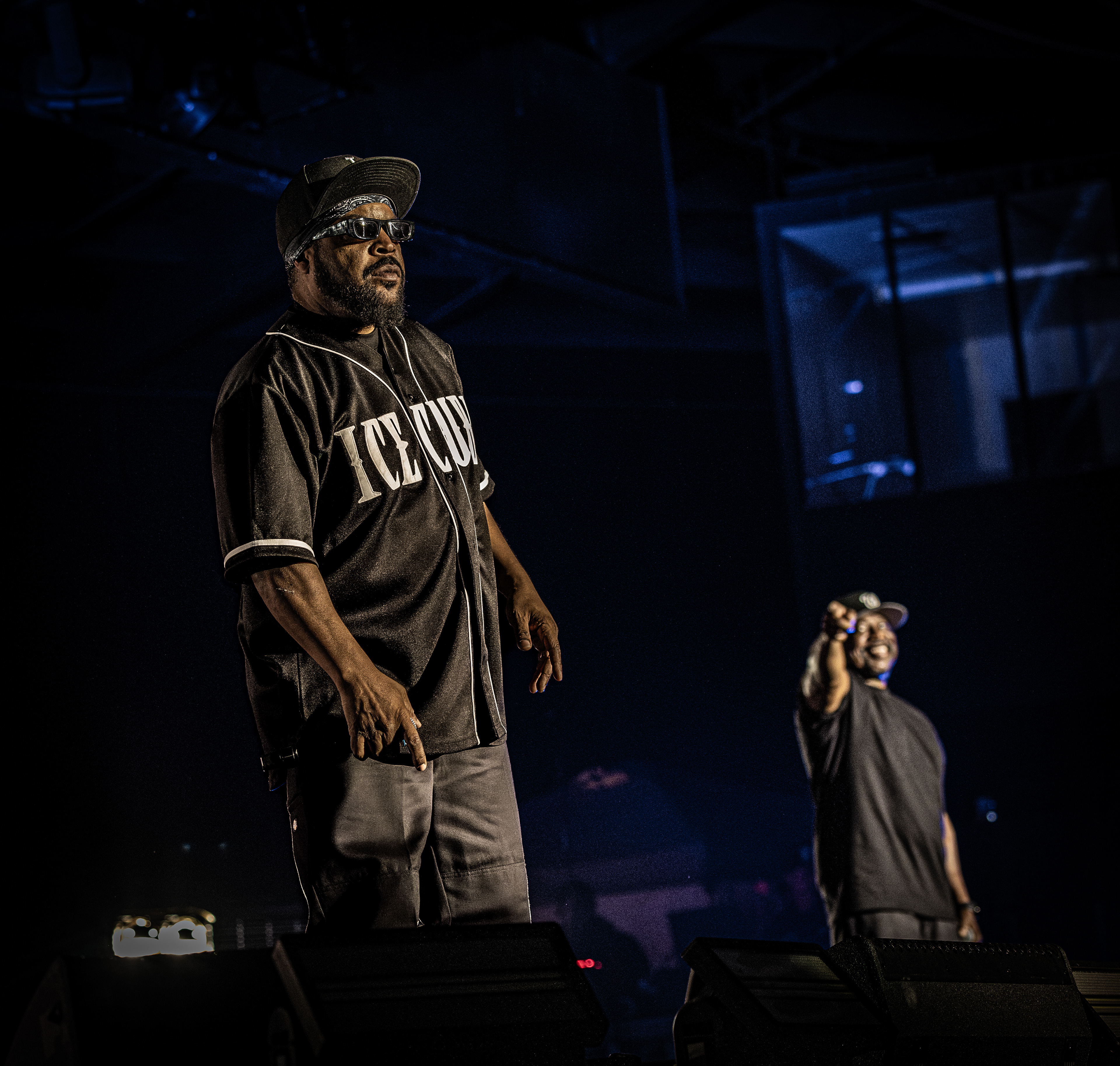
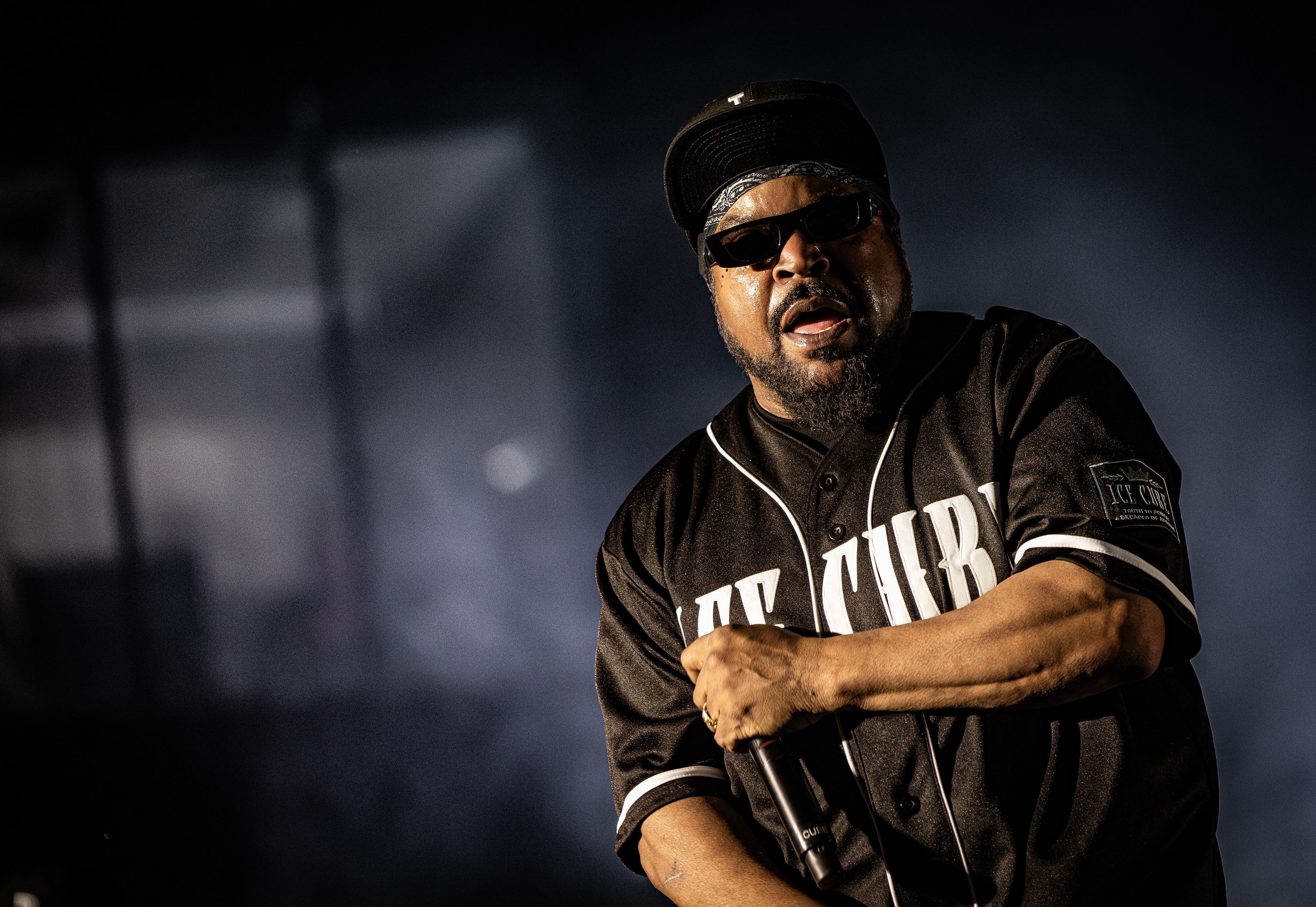
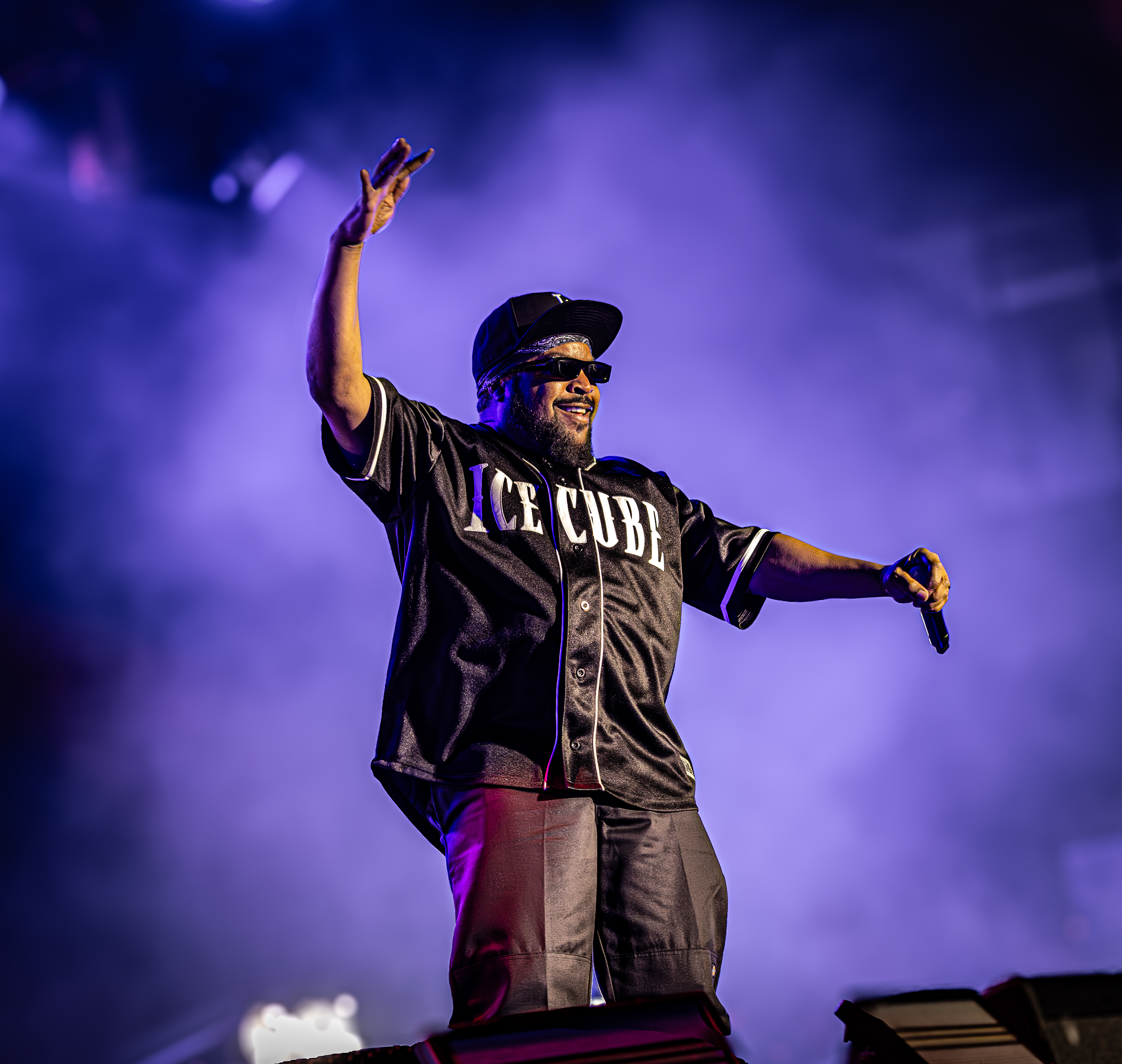
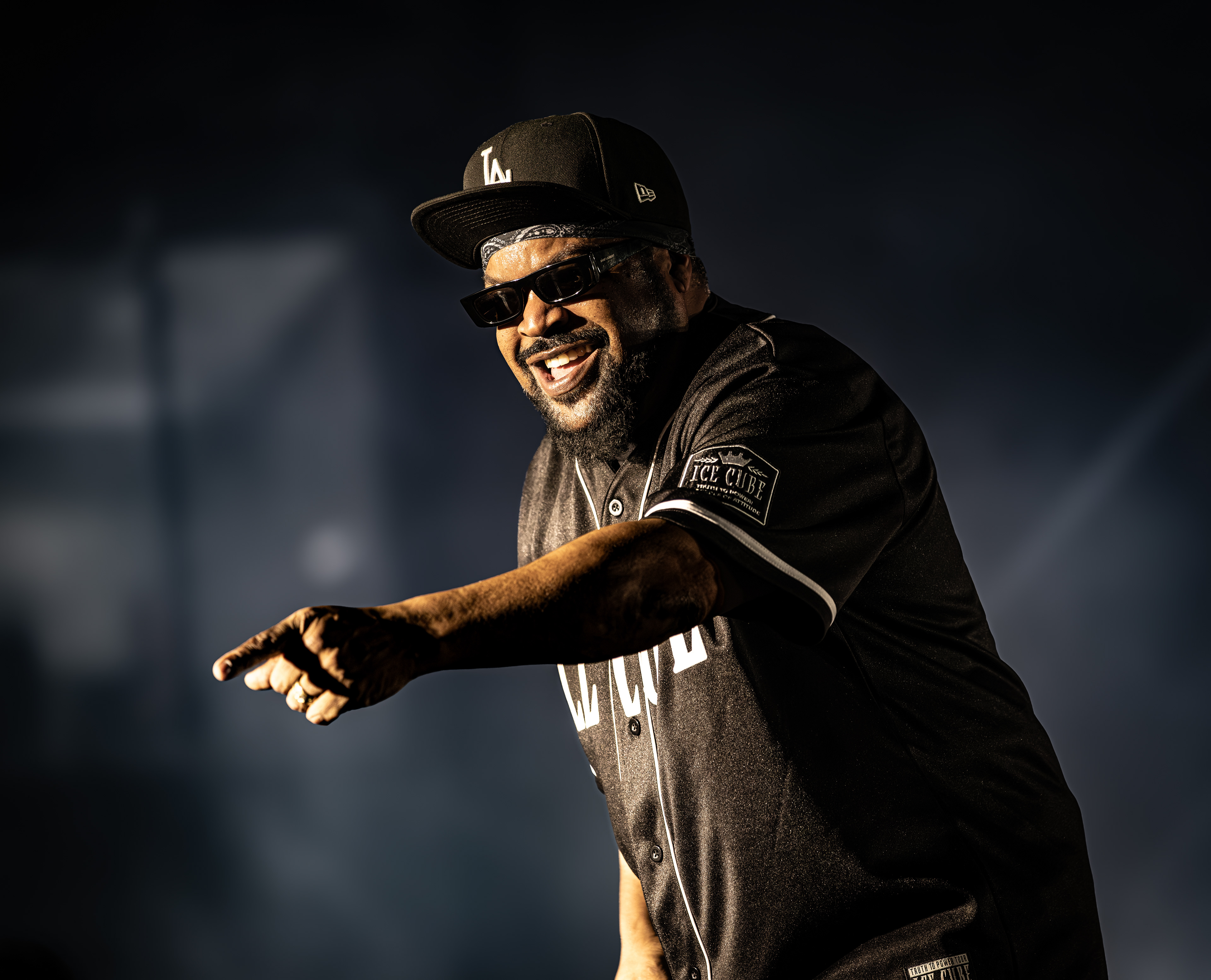

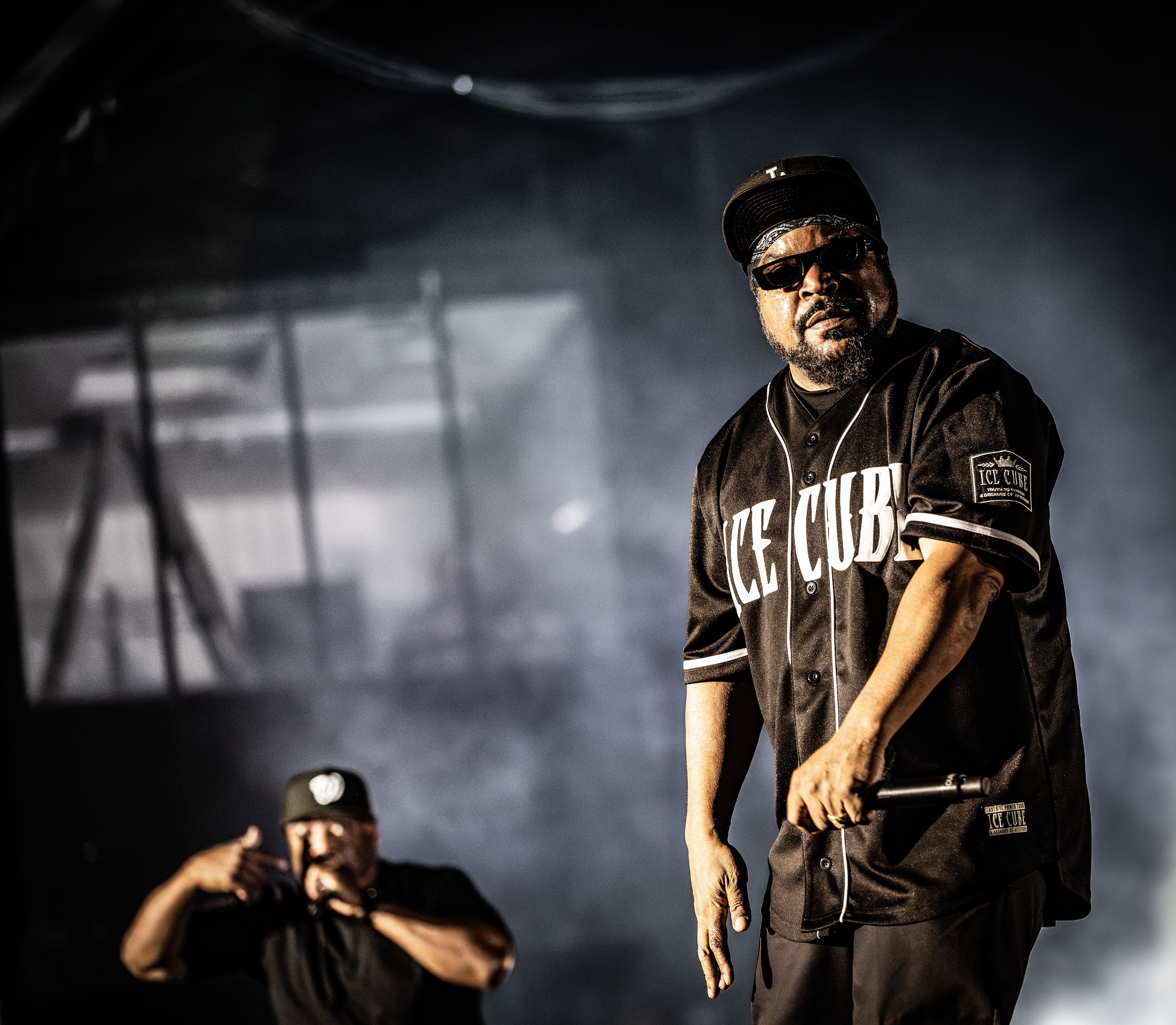
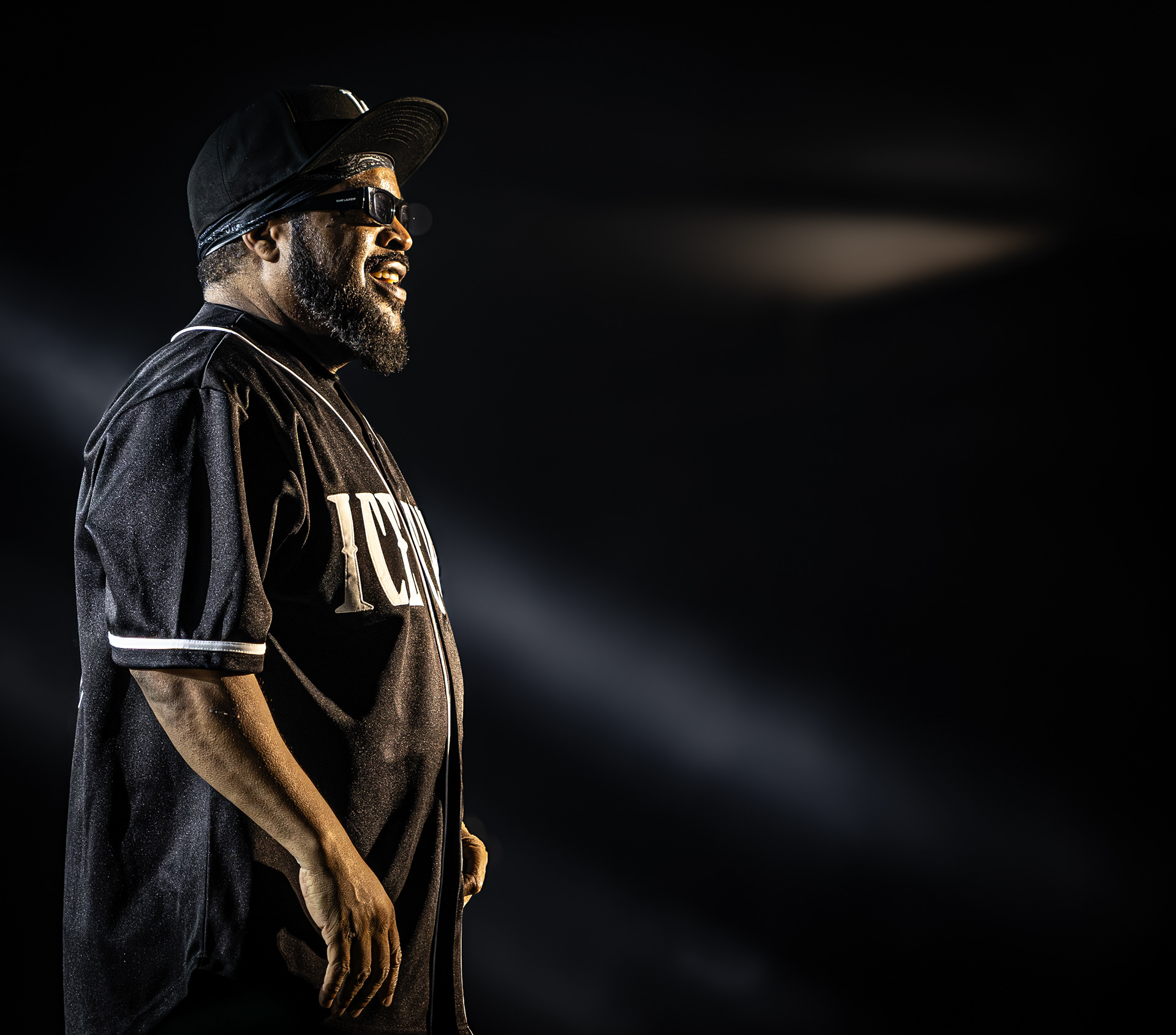
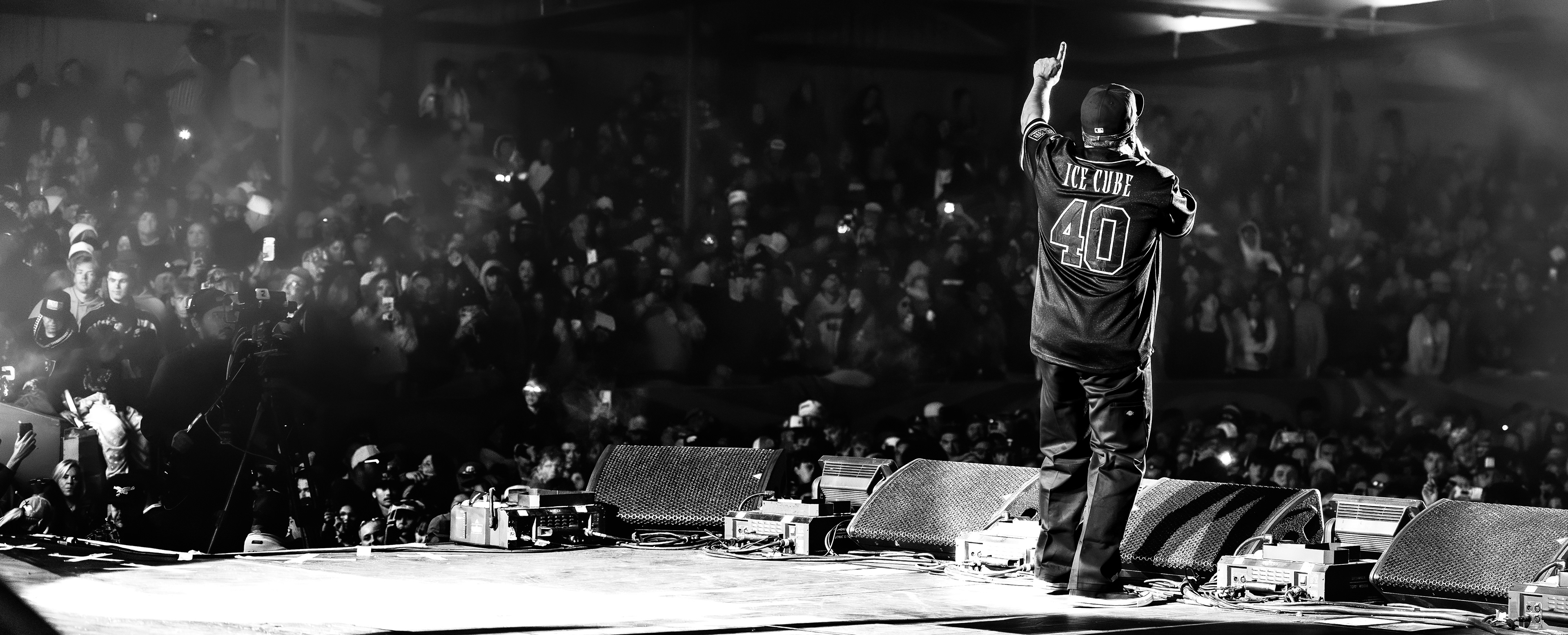
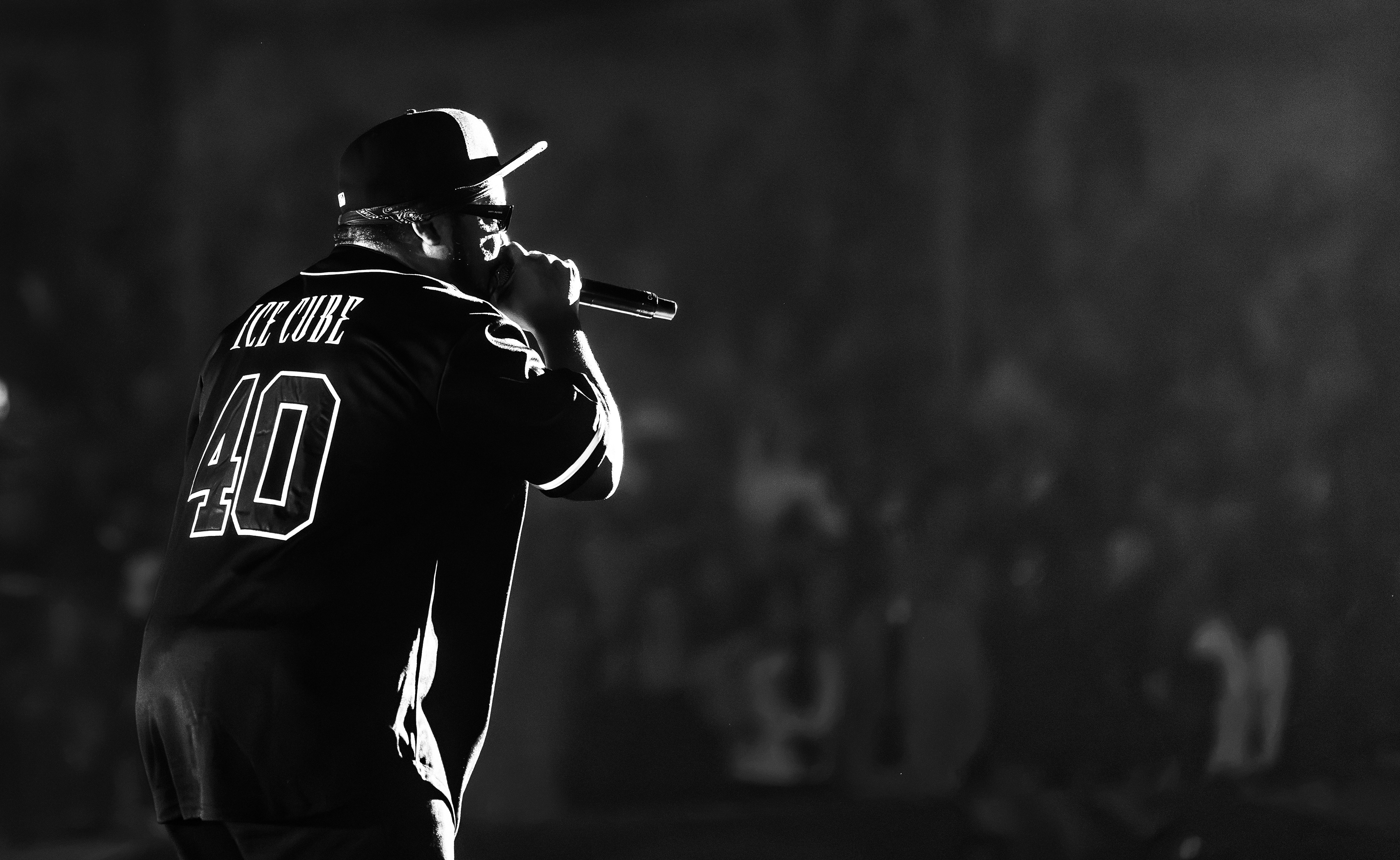
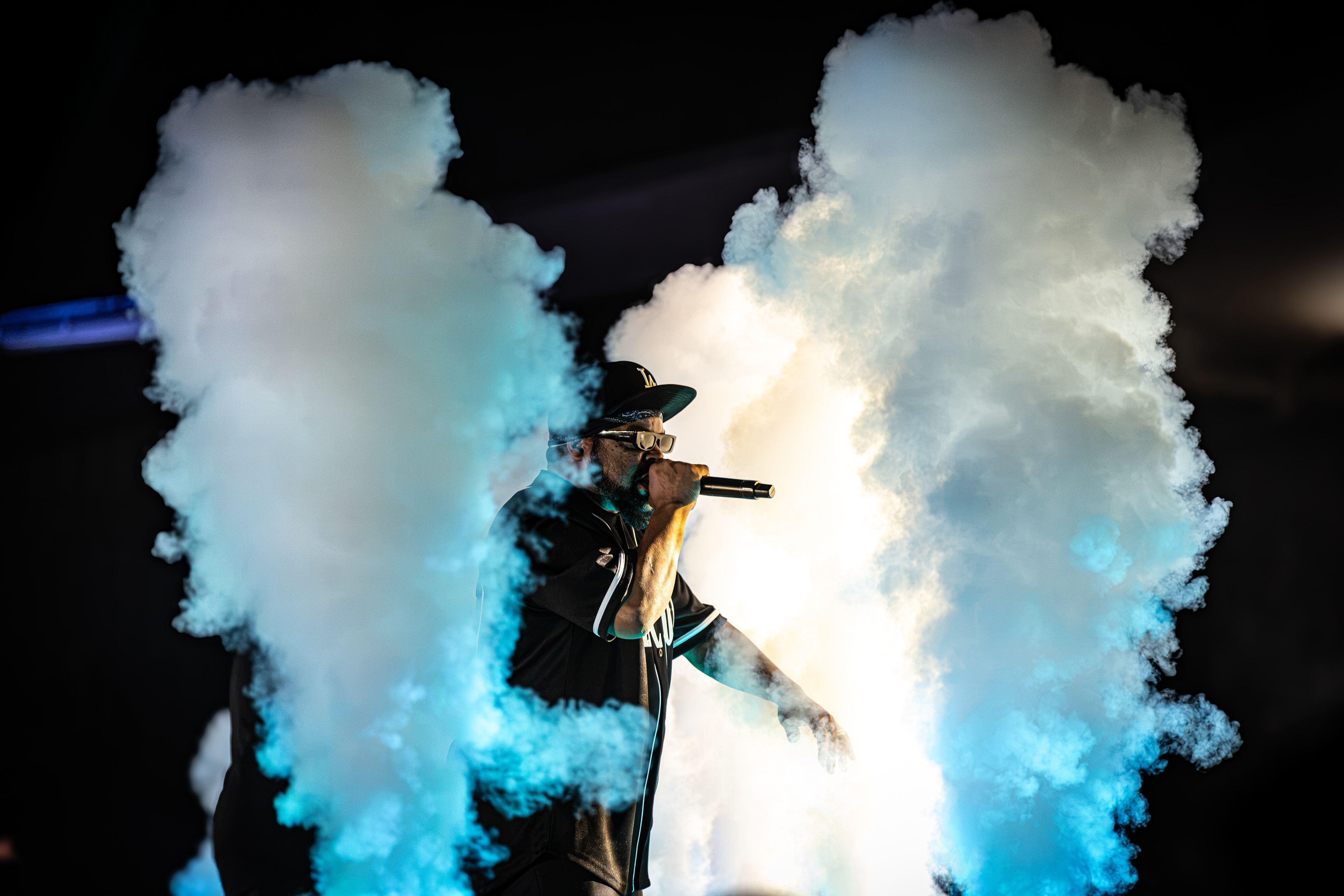
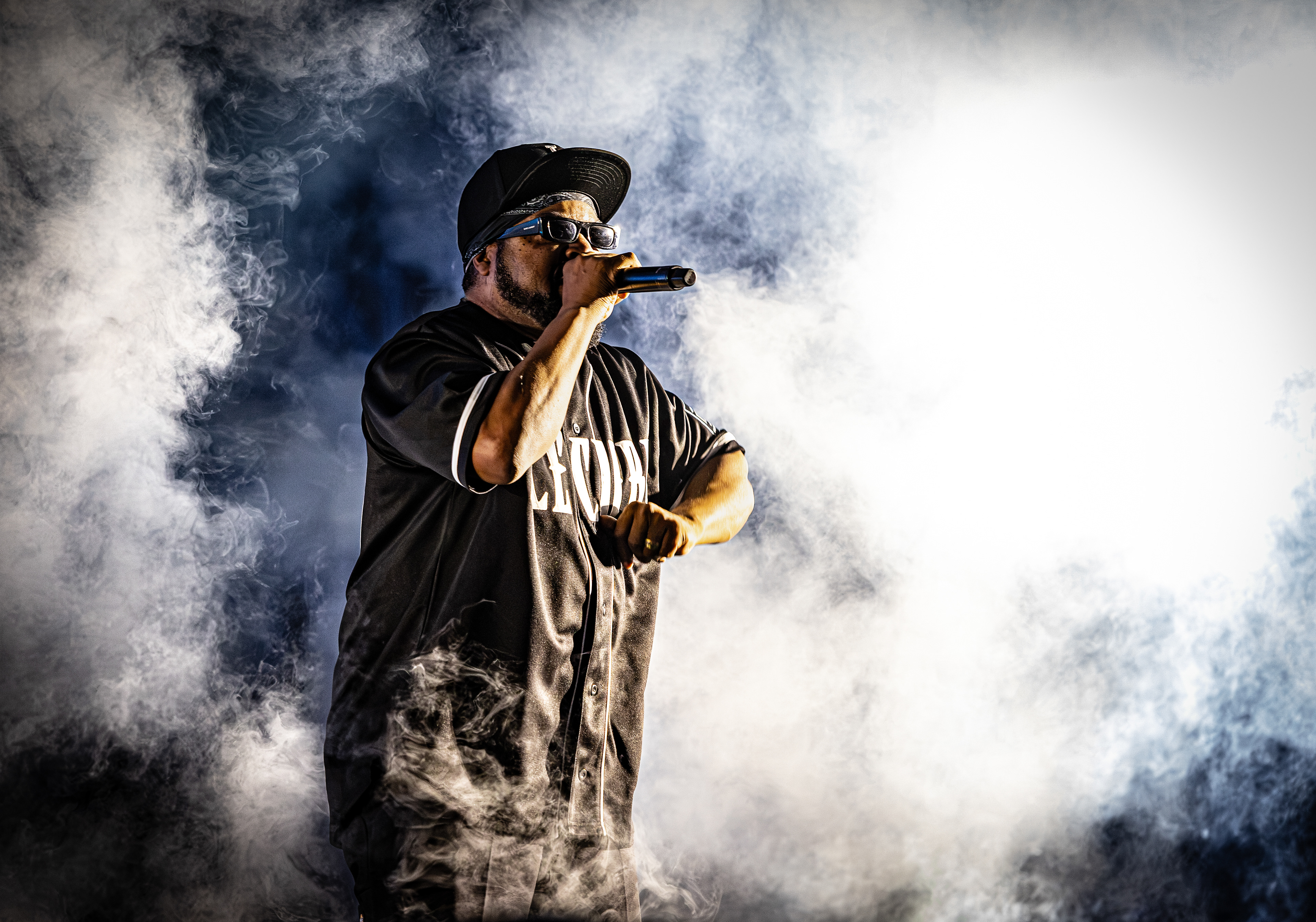


Before the Disney paydays, the studio-exec handshakes, and the soft-focus family comedies, O’Shea Jackson was a teenage grenade rolling down the aisles of the RTD bus through South Central, scribbling venom onto a cheap legal pad. He wasn’t interested in polite reinvention or radio safe polish bullshit, he was cataloging the friction of concrete, curfew sirens, and chokeholds. O’Shea Jackson never possessed the polished vocal resonance of Chuck D or the lightning cadence of Rakim. What he had instead was precision skills on the paper and on the mic. In 1988, while the mainstream world was still pretending hip hop was a passing novelty, a nineteen year old Cube was drafting the blueprints for Straight Outta Compton. He wasn't just rapping, he was reporting. The fury in his cadence was visceral because it was rooted in the asphalt beneath his sneakers, a reality of militarized police sweeps, systemic neglect, and survival politics. Yet the true marker of Ice Cube’s career isn't merely that he helped pioneer gangsta rap. It is that he understood, almost immediately, that talent without leverage is just a fast track to someone else’s tax write off. When Cube walked away from N.W.A at the peak of their initial wave over unpaid royalties, the industry called it career suicide. Leaving behind the sonic juggernaut of Dr. Dre's production seemed reckless. Cube didn't blink. He flew east, linked up with the Bomb Squad, and delivered AmeriKKKa’s Most Wanted in 1990, followed swiftly by Death Certificate. The sound was jarring, kinetic, and unapologetically confrontational. Where other artists smoothed their edges for radio crossover, Cube doubled down on raw narrative force. Tracks like "The Nigga Ya Love to Hate" and "No Vaseline" proved something critical to an era obsessed with crew loyalty. Cube was the engine, not a spare part. Then one day, John Singleton called. When Boyz n the Hood debuted at Cannes in 1991, critics anticipated a crude street melodrama. Instead, audiences met Doughboy, a tragic, fatalistic neighborhood philosopher trapped inside a cyclical war. Jackson didn't play the role so much as he anchored it with heavy silences and a weary, knowing gaze. It remains one of the most remarkable acting debuts in modern cinema, establishing that his storytelling chops extended far beyond four bar loops. Most musicians cast in movies remain hired hands. They take their trailer, memorize lines, and cash checks. Ice Cube looked around the set and realized who held the real equity with the writers and producers. In 1995, working with DJ Pooh on a shoestring budget of under three million dollars, Cube co-wrote and produced Friday. The film was a deliberate counterweight to the prevailing Hollywood narrative that life in the hood was an unending bloodbath. Friday treated the neighborhood porch as a theater stage, brimming with humor, eccentric uncles, weed smoke, and low stakes drama that felt universally human. It grossed nearly ten times its production budget and birthed a multi film franchise that still holds up today. More importantly, it proved Cube understood audience demand better than studio executives insulated in Burbank boardrooms. He followed that instinct through Barbershop, Are We There Yet?, and a dozen other projects under his Cube Vision banner. While purists grumbled that the man who once snarled on street corners had softened into family friendly road trip comedies, Cube was laughing all the way to creative autonomy. He retained ownership, hired talent from his community, and demonstrated that longevity in entertainment requires knowing when to shift lanes without losing your grip on the wheel. By the late 2010s, with his legacy in music and film cemented, Cube did what few aging cultural figures have the stomach for and he started a sports league from scratch. The BIG3, launched in 2017, brought half-court, 3-on-3 professional basketball to the prime time arenas. Skeptics dismissed it as a novelty retirement home for former NBA players. Yet by refining rules and introducing the four-point shot, prioritizing fast paced physical defense, and securing major broadcast rights the league found a devoted fanbase and earned official recognition from governing bodies. It was a classic Ice Cube move of identifying a neglected niche, bypassing traditional gatekeepers, and building the infrastructure himself. Look closely at his fifty year arc, and you realize the narrative never changed. Ice Cube was never an accidental icon, he was a damn draftsman with a ruthless work ethic. Whether holding a microphone, pitching a screenplay, or pitching a sports startup, the through line is unbroken an unyielding refusal to work for anyone who isn't writing his name on the master deed